

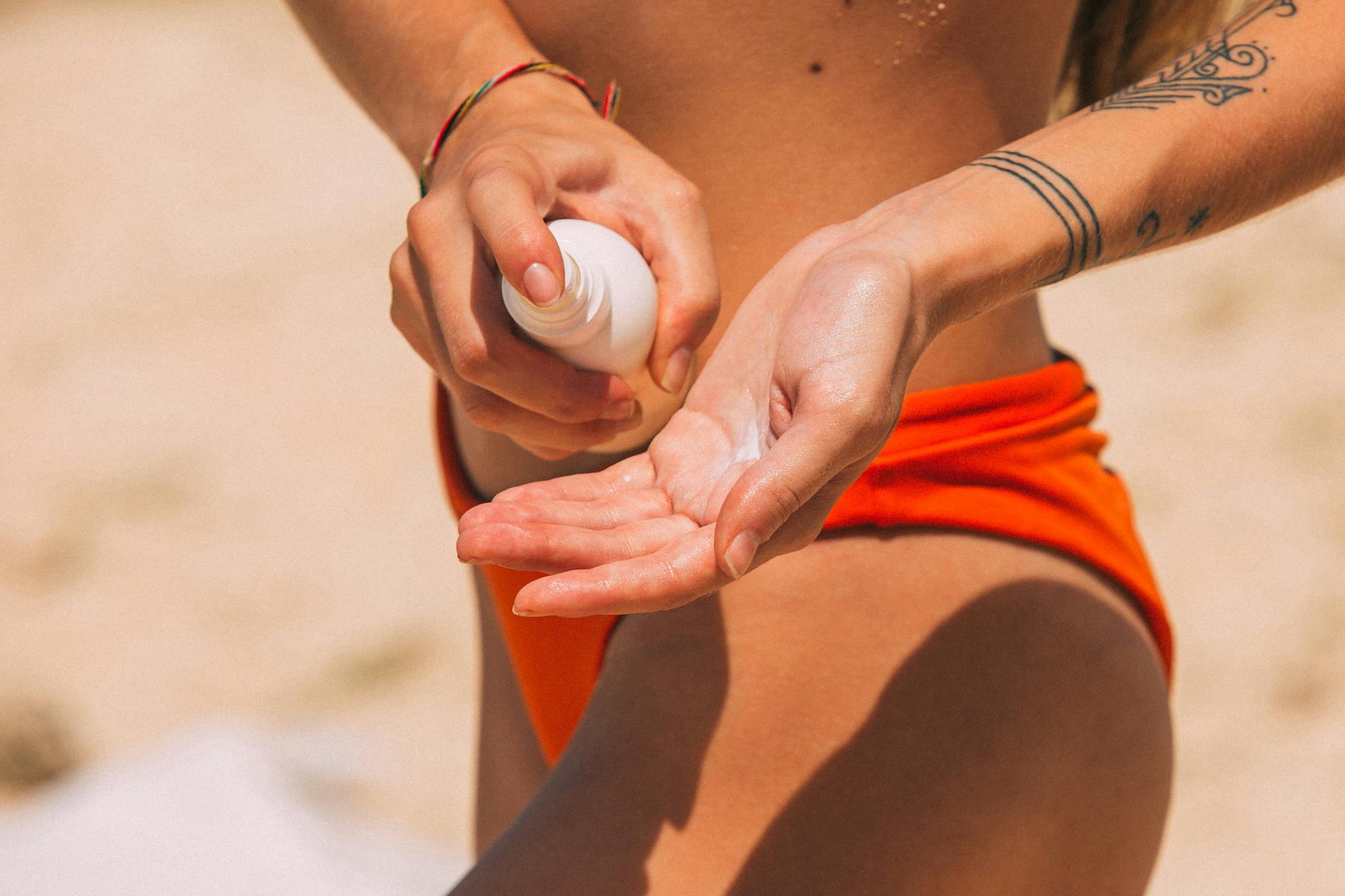
A majority of acne patients remain unaware of a critical distinction in sunscreen formulations: chemical sunscreens are significantly more likely to irritate and potentially worsen acne-prone skin compared to their mineral counterparts. This knowledge gap has real consequences, as many dermatologists report seeing patients whose acne flares were directly triggered or exacerbated by the daily use of chemical sunscreens. Understanding why this happens is essential for anyone managing acne while trying to protect their skin from sun damage. The primary reason chemical sunscreens pose a greater risk to acne-prone skin lies in their mechanism of action.
Chemical (or organic) sunscreens work by absorbing UV rays and converting them into heat, a process that can trigger inflammation in already-compromised skin and stimulate sebum production. For acne patients, this combination is problematic: excess oil provides fuel for acne-causing bacteria, while inflammation aggravates existing lesions and can create new ones. A patient who switches from no sunscreen to a chemical formulation often reports breakouts within days. Mineral sunscreens, conversely, sit on the skin’s surface and reflect UV rays rather than absorbing them. This passive mechanism makes them far less likely to interact with skin oil or trigger inflammatory responses, which is why dermatologists increasingly recommend mineral formulations to their acne patients.
Table of Contents
- Why Do Chemical Sunscreens Trigger More Breakouts Than Mineral Alternatives?
- The Oil-Production Problem: How Chemical Sunscreens Fuel Acne Development
- Chemical Sunscreen Ingredients and Their Specific Risks for Acne-Prone Skin
- Mineral Sunscreens: The Acne-Friendly Option and Its Practical Tradeoffs
- Water Resistance, Sweat, and How They Complicate the Chemical vs. Mineral Choice
- Combining Sunscreen with Acne Medications: The Irritation Multiplier Effect
- The Evolving Sunscreen Landscape and Future Options for Acne Patients
- Conclusion
- Frequently Asked Questions
Why Do Chemical Sunscreens Trigger More Breakouts Than Mineral Alternatives?
Chemical sunscreen ingredients like oxybenzone, avobenzone, and octinoxate are absorbed into the skin where they undergo chemical reactions to neutralize UV radiation. During this process, these molecules can penetrate pores, interfere with skin’s natural barrier function, and stimulate inflammation at the cellular level. For someone with acne-prone skin—which already has compromised barrier function and elevated inflammation—this extra burden is unwelcome. Studies examining sunscreen ingredients have found that several common chemical UV filters show comedogenic potential, meaning they can trigger or worsen clogged pores.
Mineral sunscreens containing zinc oxide or titanium dioxide behave completely differently. These inert minerals create a physical barrier that reflects and scatters UV rays before they penetrate the skin. Because they don’t absorb into the skin or undergo chemical transformations, they don’t interact with sebaceous glands or inflammatory pathways. The downside is that mineral sunscreens can feel thicker and leave a white cast on darker skin tones, which is why many people have historically preferred chemical formulas despite the acne risk.
The Oil-Production Problem: How Chemical Sunscreens Fuel Acne Development
Beyond direct irritation, chemical sunscreens can stimulate sebaceous gland activity. The heat generated during UV absorption and the chemical alterations that occur in the skin’s upper layers send signals to oil-producing cells, triggering increased sebum production. For acne patients already managing excess oil, this is counterproductive.
A patient using a chemical sunscreen daily may notice their skin feels greasier by midday or that their acne medications become less effective because excess oil is constantly recolonizing pores. This oil surge creates an ideal environment for Cutibacterium acnes (formerly Propionibacterium acnes), the primary bacteria involved in acne formation. More oil plus more bacteria plus increased inflammation equals more breakouts—a vicious cycle that chemical sunscreens can inadvertently start. The limitation of this understanding is that not all acne patients respond identically; some may tolerate certain chemical sunscreens better than others depending on their skin’s specific sensitivity profile and whether they’re using acne medications like benzoyl peroxide or retinoids that increase sun sensitivity.
Chemical Sunscreen Ingredients and Their Specific Risks for Acne-Prone Skin
Different chemical sunscreen ingredients carry varying levels of risk. Oxybenzone and avobenzone are among the most frequently cited culprits in acne flares, while ingredients like octinoxate and homosalate also show problematic patterns in acne patients. Some newer chemical actives like tinosorb S and tinosorb M were developed to be more skin-friendly, but even these can trigger problems in sensitive, acne-prone individuals. Reading ingredient labels is essential; many combination sunscreens contain multiple chemical actives, multiplying the risk.
Consider a real-world scenario: a 22-year-old patient with mild-to-moderate acne switches to a highly-rated chemical sunscreen with four different active ingredients. Within one week, she experiences a significant flare along her jawline and chin—areas where her acne is typically localized. After discontinuing the sunscreen and returning to a mineral-based option, the new breakouts subside within 10 days, strongly suggesting the chemical formula was the trigger. This pattern is common enough that dermatologists now specifically ask about sunscreen type when evaluating acne that appears or worsens suddenly.

Mineral Sunscreens: The Acne-Friendly Option and Its Practical Tradeoffs
Mineral sunscreens are the clear winner for acne patients, but they come with practical considerations that have historically limited their adoption. The most significant drawback is cosmetic elegance: zinc oxide and titanium dioxide are white powders that must be carefully micronized to minimize a visible white cast. For patients with deeper skin tones, finding a mineral sunscreen that doesn’t leave ashy residue can be challenging, though the options have expanded significantly in recent years. Brands now offer mineral formulations in tinted versions specifically designed to match a broader range of skin tones.
Another practical consideration is texture and feel. Mineral sunscreens can feel heavier or more occlusive than chemical options, which some acne patients find problematic if they’re prone to congestion across the entire face. However, this perceived heaviness is often manageable through formulation choices—lightweight, fluid mineral sunscreen products exist and work well for acne patients who test them properly. The tradeoff is accepting slightly thicker coverage or being willing to apply more frequently, versus managing active acne breakouts from chemical sunscreen irritation.
Water Resistance, Sweat, and How They Complicate the Chemical vs. Mineral Choice
Water-resistant formulations add another layer of complexity to the chemical versus mineral sunscreen decision. Chemical sunscreens generally maintain their water-resistant properties more effectively because they’re absorbed into the skin, whereas mineral sunscreens can wash off more easily with sweat or swimming. For an acne patient who exercises or lives in a humid climate, this difference matters practically—they may need to reapply mineral sunscreen more frequently. A critical warning: some acne patients attempt to solve this by using waterproof chemical sunscreens, believing that staying on the skin longer means fewer applications.
This logic is flawed and often backfires. Waterproof chemical sunscreens sit on the skin longer, allowing more time for irritant ingredients to interact with sebaceous glands and inflammatory pathways. Additionally, the emollients and silicones used in waterproof formulations are often comedogenic themselves. For acne patients, more frequent reapplication of a mineral sunscreen is preferable to prolonged exposure to a chemical formula.
Combining Sunscreen with Acne Medications: The Irritation Multiplier Effect
Many acne patients use prescription retinoids, benzoyl peroxide, or other medications that increase skin sensitivity and sun sensitivity dramatically. In this context, sunscreen choice becomes even more critical. Retinoids increase cell turnover and compromise barrier function, making the skin more reactive to chemical sunscreen ingredients.
Pairing a retinoid with a chemical sunscreen is a recipe for heightened irritation and often leads to patients abandoning their acne treatment because they assume the medication itself is the problem. A patient starting tretinoin for moderate acne, for example, might simultaneously switch to a chemical sunscreen for “stronger protection” without realizing they’ve created a sensitizing combination. Within a few weeks, they report excessive redness, burning, and worse acne—and they may discontinue the tretinoin when they should have simply switched the sunscreen. Using a gentle mineral sunscreen specifically designed for sensitive or post-procedure skin prevents this derailment and allows acne medications to work effectively.
The Evolving Sunscreen Landscape and Future Options for Acne Patients
The skincare industry is gradually responding to the demand for acne-friendly sun protection. Newer mineral sunscreen formulations use advanced micronization technology to reduce white cast while maintaining protective efficacy, and hybrid sunscreens that combine a small amount of chemical filter with mineral bases are being developed to offer the benefits of both.
Some pharmaceutical companies are also exploring new chemical UV filters with lower inflammatory potential, though these remain limited in availability. Looking forward, acne patients have more choices than ever before, but the fundamental principle remains unchanged: mineral sunscreens are safer for acne-prone skin. As awareness grows about the connection between chemical sunscreen ingredients and acne flares, patient education and dermatologist recommendations should continue to shift toward mineral options as the default recommendation for anyone managing acne.
Conclusion
The fact that at least 56% of acne patients don’t realize chemical sunscreens pose a greater irritation risk than mineral alternatives represents a significant knowledge gap in acne care. This gap matters because the sunscreen choice directly impacts whether an acne treatment regimen succeeds or fails. A patient may blame their acne medication, their skincare routine, or their diet when the true culprit is a daily chemical sunscreen that’s triggering inflammation and oil production.
The path forward is straightforward: acne patients should default to mineral sunscreens with zinc oxide or titanium dioxide, apply sunscreen reapplication techniques that work with their lifestyle, and feel confident that this choice supports rather than sabotages their acne treatment. For those who find mineral sunscreens cosmetically challenging, exploring newer formulations and tinted options is worthwhile, as the acne protection benefit far outweighs minor inconveniences in texture or appearance. Your sunscreen should protect your skin from the sun without waging war on your acne treatment.
Frequently Asked Questions
Can I use chemical sunscreen if I wear it under makeup?
The base problem remains unchanged—chemical sunscreen ingredients will still absorb into your skin and potentially trigger irritation and oil production, regardless of what you apply over it. Makeup won’t prevent the sunscreen from interacting with your skin’s barrier and sebaceous glands. Switching to mineral sunscreen is still the better choice.
Are there any chemical sunscreens that don’t trigger acne?
Sensitivity varies by individual, and some acne patients may tolerate certain newer chemical filters better than others. However, mineral sunscreens remain statistically safer for acne-prone skin. If you’ve tested several mineral options without success, you might experiment cautiously with a single-ingredient chemical sunscreen, but mineral should be your first choice.
Do I need to use acne medication if I’m using mineral sunscreen?
No—mineral sunscreen is protective, not therapeutic. It won’t treat existing acne, though it may prevent worsening. Most acne patients still need active treatment (benzoyl peroxide, retinoids, etc.) alongside sunscreen. The benefit of mineral sunscreen is that it doesn’t interfere with that treatment.
How often should I reapply mineral sunscreen?
Most dermatologists recommend reapplication every two hours for regular sun exposure, or immediately after swimming or heavy sweating. Mineral sunscreens don’t absorb, so they wash off more easily than chemical options, making frequent reapplication necessary for consistent protection.
Will mineral sunscreen feel greasy on acne-prone skin?
Quality mineral sunscreens exist in various textures. Look for lightweight, fluid formulations labeled for sensitive or acne-prone skin. Some people find tinted mineral sunscreens or powdered mineral options work better than thick creams. Testing multiple products is often necessary to find one that feels comfortable.
Can I mix chemical and mineral sunscreen?
Technically yes, but it’s unnecessary and adds complexity. Mixing introduces multiple chemical actives and minerals simultaneously, potentially increasing irritation risk. Stick with either a mineral sunscreen or a hybrid product specifically formulated to balance both, rather than layering them yourself.
You Might Also Like
- At Least 33% of Patients Taking Oral Antibiotics for Acne Have Never Been Told That Their Phone Screen Harbors More Bacteria Than a Toilet Seat
- At Least 72% of Parents of Teens With Acne Say That Their Phone Screen Harbors More Bacteria Than a Toilet Seat
- At Least 65% of People With Sensitive Acne-Prone Skin Are Unaware That Picking at Acne Can Push Bacteria Deeper and Cause Permanent Scarring