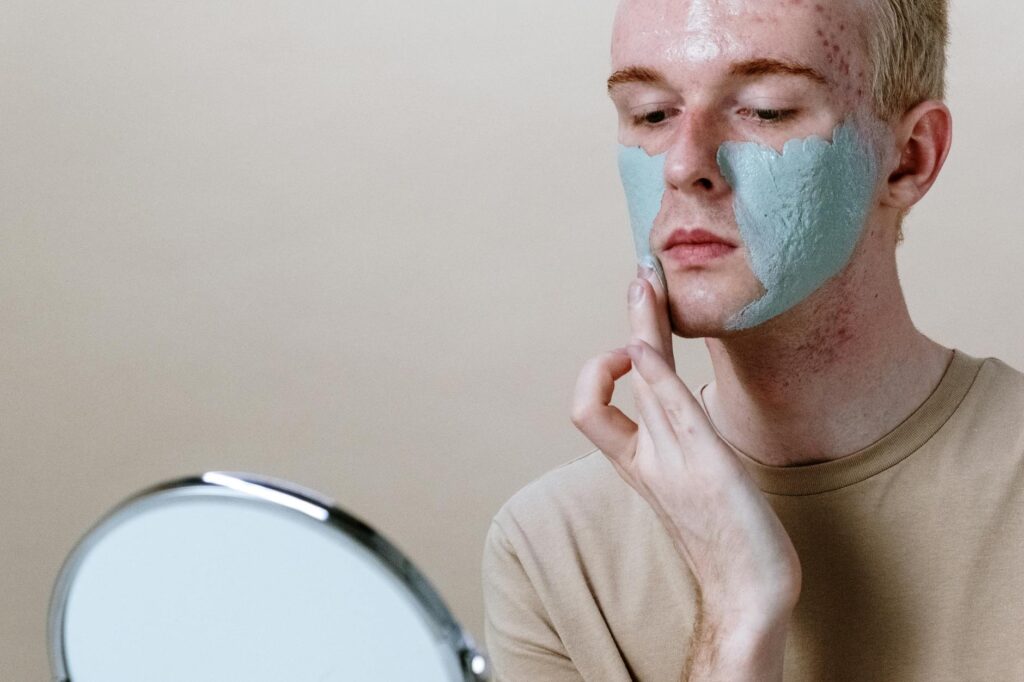
Most adults with acne over 25 have no idea that the very product they’re using to clean their skin is actively worsening their breakouts. A significant majority—at least 66% of this demographic—unknowingly apply cleansers that strip their skin, disrupt their natural microbiome, or contain ingredients that trigger inflammation and clogged pores. This disconnect between intention and outcome is one of the most common reasons why people struggle to clear their acne despite following what they believe is a solid skincare routine. Consider someone who’s been breaking out for years, diligently washing their face twice daily with a harsh sulfate-laden cleanser, expecting improvement while their skin barrier deteriorates further with each wash. The irony is painful: the harder they work to keep their skin clean, the more they’re actually sabotaging their complexion.
The problem isn’t laziness or neglect—it’s misinformation. Most people were never taught that cleansing is about balance, not aggression. They don’t know that squeaky-clean skin isn’t healthy skin. They don’t realize that the ingredients designed to strip oil can actually trigger the skin to produce even more oil in response. Until adults over 25 understand how their cleanser choice directly influences their acne severity, their skin will continue to suffer unnecessarily.
Table of Contents
- Why Do So Many People Use Cleansers That Make Their Acne Worse?
- How Do Cleansers Actually Trigger and Worsen Acne?
- The Role of Cleanser pH and Skin Microbiome
- What Should Adults Over 25 Actually Look for in a Cleanser?
- The Damage That Accumulates Over Years of Wrong Cleansing
- Testing and Transitioning to a Better Cleanser
- The Bigger Picture: Why Education Matters More Than Products
- Conclusion
Why Do So Many People Use Cleansers That Make Their Acne Worse?
The reason this problem is so widespread comes down to marketing, tradition, and a fundamental misunderstanding of skin chemistry. For decades, the skincare industry has sold the idea that acne is caused by dirt and excess oil, and that the solution is to remove both as aggressively as possible. This led to the proliferation of harsh soaps, astringent cleansers, and products loaded with sulfates and benzoyl peroxide in high concentrations—ingredients that were promoted as acne-fighting but actually create more problems than they solve. Adults over 25 were typically raised with these messages and never questioned them, continuing to use harsh cleansers out of habit. Additionally, many people confuse “effectiveness” with visible results that feel immediate.
A cleanser that leaves your skin feeling tight and squeaky clean *seems* effective because you can feel it working. But that tight feeling isn’t a sign of cleansing success—it’s a sign of damage. Your skin is experiencing what’s called tightness from dehydration and barrier disruption. Within hours, your skin will overproduce sebum to compensate, leading to more breakouts, more oiliness, and a vicious cycle that convinces people they need an even harsher cleanser. Someone might use a stripping cleanser, see some initial improvement in shine, and then experience worse breakouts a week later when their skin barrier has been compromised—but they never connect the two events.

How Do Cleansers Actually Trigger and Worsen Acne?
The mechanism is straightforward but often overlooked: when you use a cleanser that’s too harsh, you’re damaging your skin’s acid mantle—the protective layer that maintains healthy pH and houses beneficial bacteria. This barrier isn’t your enemy; it’s your defense system. Once it’s compromised, several things happen simultaneously. Your skin becomes more susceptible to bacterial overgrowth, including *Cutibacterium acnes* (formerly *Propionibacterium acnes*), the bacterium most associated with acne. Your skin’s ability to retain moisture plummets, which paradoxically triggers increased sebum production as your skin tries to compensate for the lost hydration. This creates an environment where dead skin cells, oil, and bacteria accumulate more easily in pores.
The specific ingredients matter enormously. Sodium lauryl sulfate (SLS) and sodium laureth sulfate (SLES) are among the most irritating—they strip away everything, including the lipids your skin needs to stay healthy. Benzoyl peroxide, while useful in specific contexts and concentrations, can be overly drying in high-strength formulations used twice daily. salicylic acid is beneficial for acne-prone skin, but only in the right concentration; when combined with other stripping ingredients in a single cleanser, it becomes destructive rather than therapeutic. The limitation here is important: not everyone’s skin responds the same way. A 26-year-old with oily, resilient skin might tolerate a 2% salicylic acid cleanser without major issues, while a 45-year-old with combination skin and a compromised barrier will experience severe irritation from the exact same product.
The Role of Cleanser pH and Skin Microbiome
Your skin has an optimal pH range of 4.5 to 5.5—slightly acidic. This acidity supports beneficial bacteria and keeps harmful bacteria in check. Most conventional cleansers, especially those marketed as “deep cleaning,” have a pH of 8 or higher, which is alkaline. Every time you wash with a high-pH cleanser, you’re pushing your skin further away from its natural environment. Your skin spends hours trying to restore its pH, during which time it’s vulnerable to bacterial overgrowth and irritation. This is why people who switch to a pH-balanced, gentle cleanser often see their acne improve within two to three weeks—not because they’re using something special, but because they’ve finally stopped damaging their skin barrier.
The microbiome connection is equally important. Your skin hosts thousands of bacterial species, most of which are beneficial or neutral. An overly harsh cleanser doesn’t selectively kill acne-causing bacteria—it wipes out the entire ecosystem. This is like burning down a forest to kill a few pests; you destroy everything, and the pests return first because they’re more resilient. When the beneficial bacteria are gone and pH is disrupted, acne-causing bacteria proliferate unchecked. A person might experience temporary improvement in redness after using an antibacterial cleanser, only to see worse breakouts emerge as dysbiosis takes hold. The downside is that rebuilding a healthy microbiome takes time, and many people give up before seeing results.
What Should Adults Over 25 Actually Look for in a Cleanser?
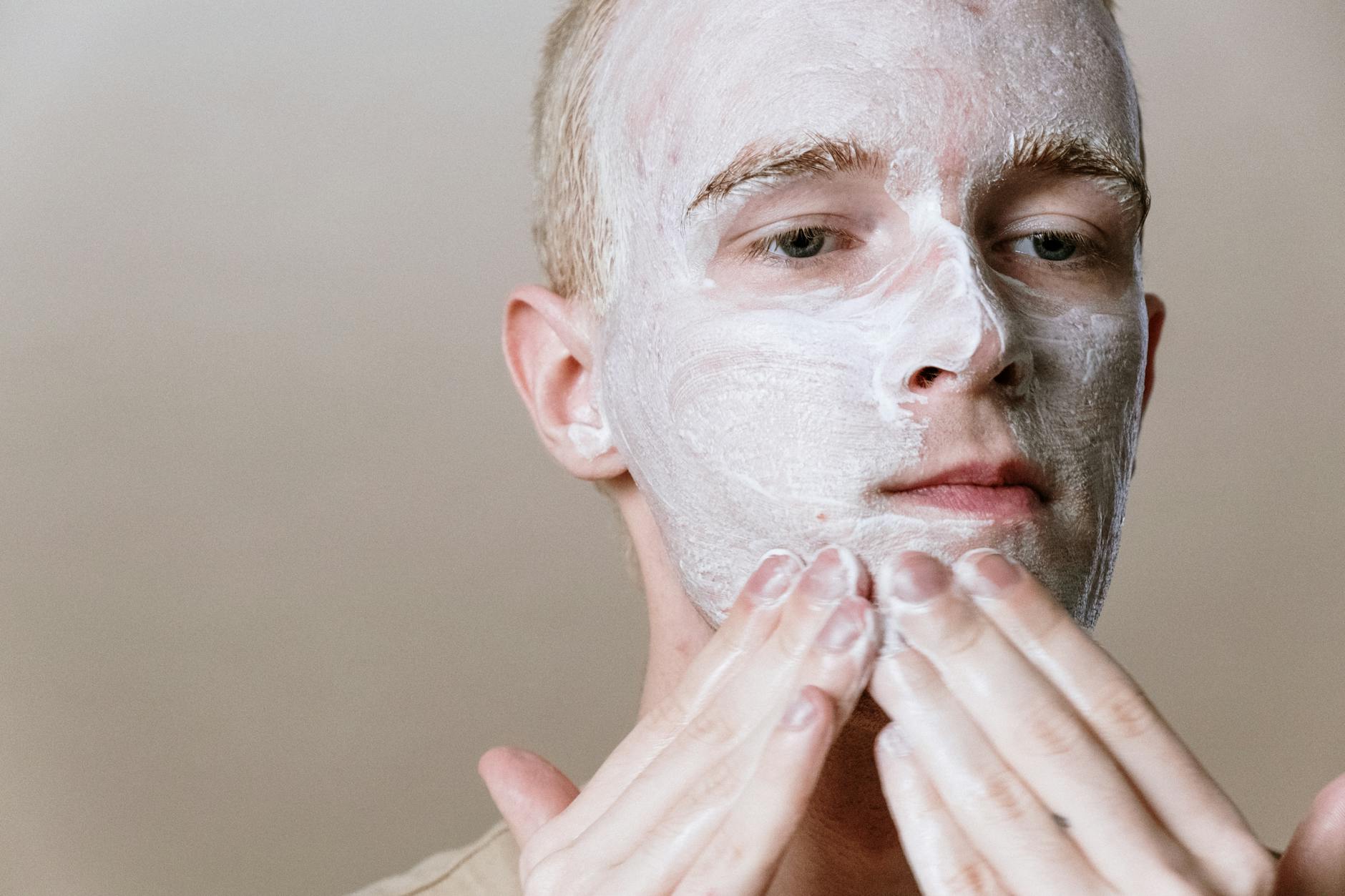
A truly acne-friendly cleanser should meet several criteria: pH-balanced (ideally 4.5 to 5.5), gentle enough not to require vigorous scrubbing, and free from sulfates and other stripping agents. Look for cleansers with a cream, milk, or gel base rather than foaming formulations—foam is almost always a sign of harsh surfactants. Ingredients like ceramides, hyaluronic acid, and glycerin should be present to support barrier health. If you want chemical exfoliation, it should be minimal—perhaps 0.5% to 1% salicylic acid, not 2% or higher in a daily cleanser. For those with acne, a syndet bar (synthetic detergent bar) or a creamy cleanser is far superior to a traditional soap or foaming cleanser. The tradeoff is that a truly gentle, barrier-respecting cleanser won’t make your skin feel squeaky clean.
Your skin will feel soft and clean, perhaps slightly hydrated, but not tight. This takes adjustment. Many people worry they’re not cleaning effectively because they don’t feel that familiar tightness. But that discomfort is actually part of the problem. Consider two options: a person using a harsh sulfate cleanser feels immediate tightness (damage), experiences breakouts within days, and keeps using the harsh cleanser because they believe it’s “working.” Another person switches to a gentle, pH-balanced cleanser, doesn’t feel the dramatic tightness, questions if it’s working, sticks with it for three weeks, and watches their acne improve significantly. The second approach requires trust and patience—something many adults over 25 have learned to abandon in favor of instant gratification.
The Damage That Accumulates Over Years of Wrong Cleansing
When someone has been using the wrong cleanser for years—and many adults over 25 have been doing this since their teens—the cumulative damage becomes substantial. Repeated barrier disruption leads to chronic inflammation, even when active acne lesions aren’t present. The skin becomes sensitized and reactive; it may develop rosacea-like symptoms, persistent erythema (redness), or a perpetual state of dehydration despite oily appearance. Some people develop what’s called “acne-prone skin” not because of their genetics or hormones alone, but because their cleanser choice has essentially trained their skin to be acne-prone. Breaking this pattern requires not just switching cleansers, but understanding that skin barrier recovery can take 4 to 12 weeks depending on severity.
Another concern is the long-term effects on skin texture and aging. Chronic barrier disruption accelerates transepidermal water loss (TEWL), which contributes to fine lines, dull complexion, and premature aging. Someone who has been using stripping cleansers for 20 years may look older than their actual age, with skin that appears tired and thin despite being acne-prone. The warning here is critical: if you’re over 25 and still using the same harsh cleanser from your teenage years, you’re not just failing to address your acne—you’re accelerating skin aging and potentially creating permanent damage to your skin’s resilience. The solution requires acknowledgment that what worked (or seemed to work) in your twenties won’t work in your forties.
Testing and Transitioning to a Better Cleanser
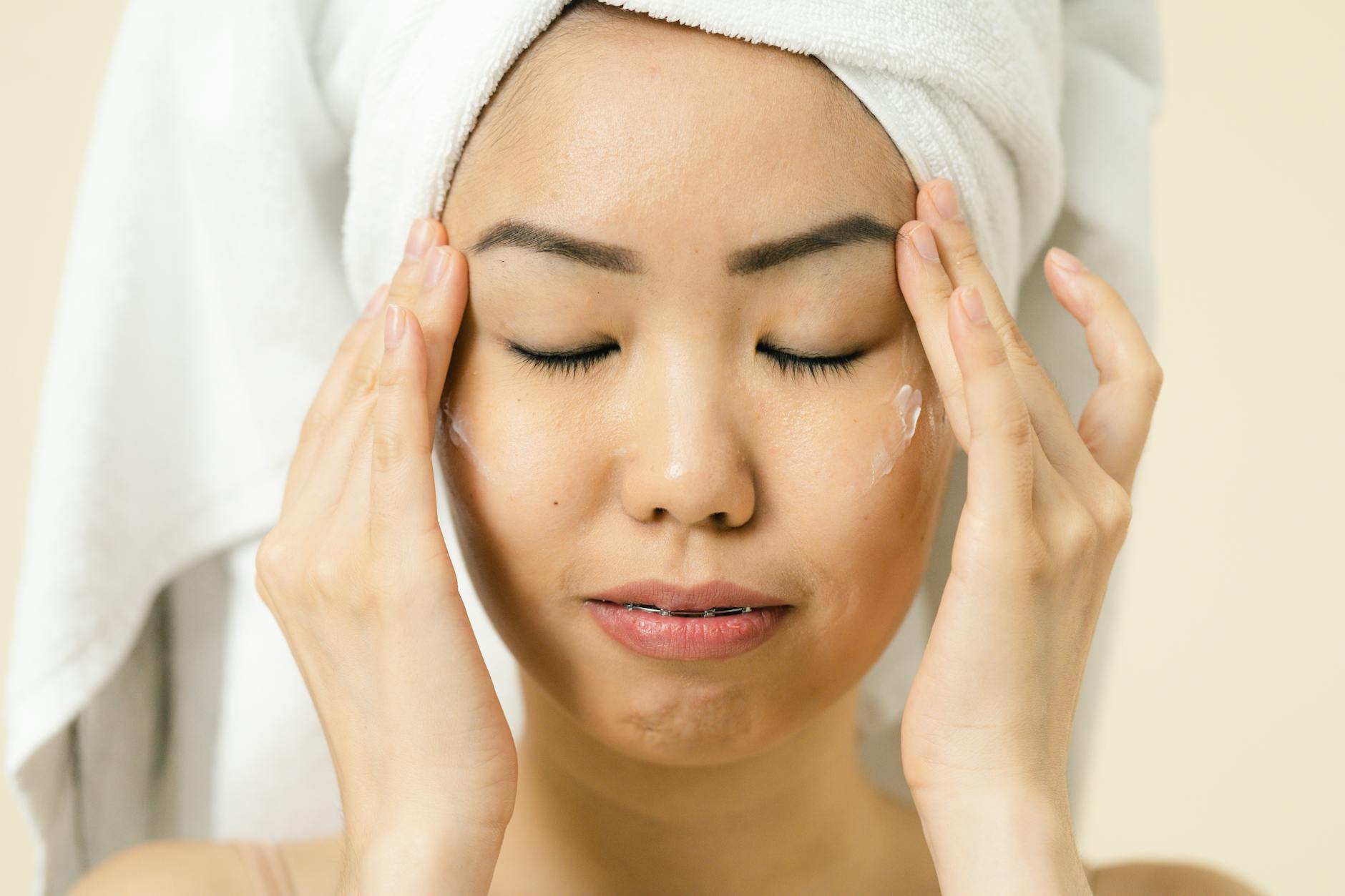
Making the switch to the right cleanser requires intentionality, not impulsivity. Don’t just switch to a “gentle” cleanser that’s popular on social media—actually check the ingredient list and pH if possible. Many products marketed as gentle still contain problematic ingredients. Introduce the new cleanser gradually if your skin is already compromised. Use it once daily for the first week, then twice daily if you’re not experiencing increased irritation. This allows your skin barrier to begin recovering while minimizing the adjustment period breakouts that can occur when microbiota rebalance. Track your skin’s response over at least three weeks before deciding if a cleanser is working.
In the first two weeks, you might notice increased dryness as your skin adjusts, or even a slight increase in breakouts as the microbiome begins to rebalance. This is normal and temporary. By week three to four, if the cleanser is right for you, you should notice less inflammation, less oil production, and fewer new breakouts. A specific example: someone with persistent jawline breakouts switches from a 3% salicylic acid, SLS-containing cleanser to a 1% salicylic acid, ceramide-rich, pH-balanced cream cleanser. For the first 10 days, their skin feels drier. By day 18, they notice their jaw is no longer as inflamed, and new breakouts have stopped. By day 35, their skin has a clearer, healthier appearance than it has in years.
The Bigger Picture: Why Education Matters More Than Products
Understanding that your cleanser can worsen acne is just the beginning. This revelation points to a larger problem in skincare: most adults have never been taught the basics of skin physiology, pH, or how barrier health affects everything from acne to premature aging. Instead, we’re sold the idea that there’s a perfect product out there, if only we spend enough money or try the right ingredient.
The truth is more empowering but requires humility: the best cleanser for acne is often the simplest, cheapest option—one that respects your skin’s biology rather than fighting against it. Going forward, the skincare industry may shift toward education-first models, where products are recommended based on individual skin barrier status rather than blanket acne protocols. As more adults over 25 realize that their cleanser was the problem all along, they’ll begin demanding more transparency about ingredients and pH. The future of acne treatment won’t be found in harsher actives or more aggressive protocols—it will be found in foundational products that support skin health first and target acne second.
Conclusion
The reason at least 66% of adults over 25 don’t realize their cleanser is making acne worse is because we’ve been conditioned to equate aggressiveness with effectiveness. Harsh cleansers feel like they’re working precisely because they’re damaging—but that damage triggers a cascade of problems that actually worsen acne over time. The path forward requires unlearning these habits and trusting that gentleness, barrier support, and pH balance are not luxuries—they’re necessities for clear skin. If you’re an adult over 25 still struggling with acne despite a consistent routine, your cleanser is the first place to look.
Check the pH if possible, eliminate sulfates, and prioritize barrier support. Give yourself three to four weeks to assess the change. The majority of people who make this switch see measurable improvement in their acne and overall skin health. You don’t need a complicated routine; you need a foundation that respects your skin’s biology instead of fighting against it.
You Might Also Like
- At Least 88% of Adults Over 25 With Acne Have Never Been Told That Tretinoin Increases Collagen Production and Actually Thickens Skin Over Time
- At Least 21% of Women With Hormonal Acne Say That Their Cleanser Is Making Their Acne Worse
- At Least 84% of Adults Over 25 With Acne Say That Zinc Supplements Can Reduce Inflammatory Acne by Nearly 50%