
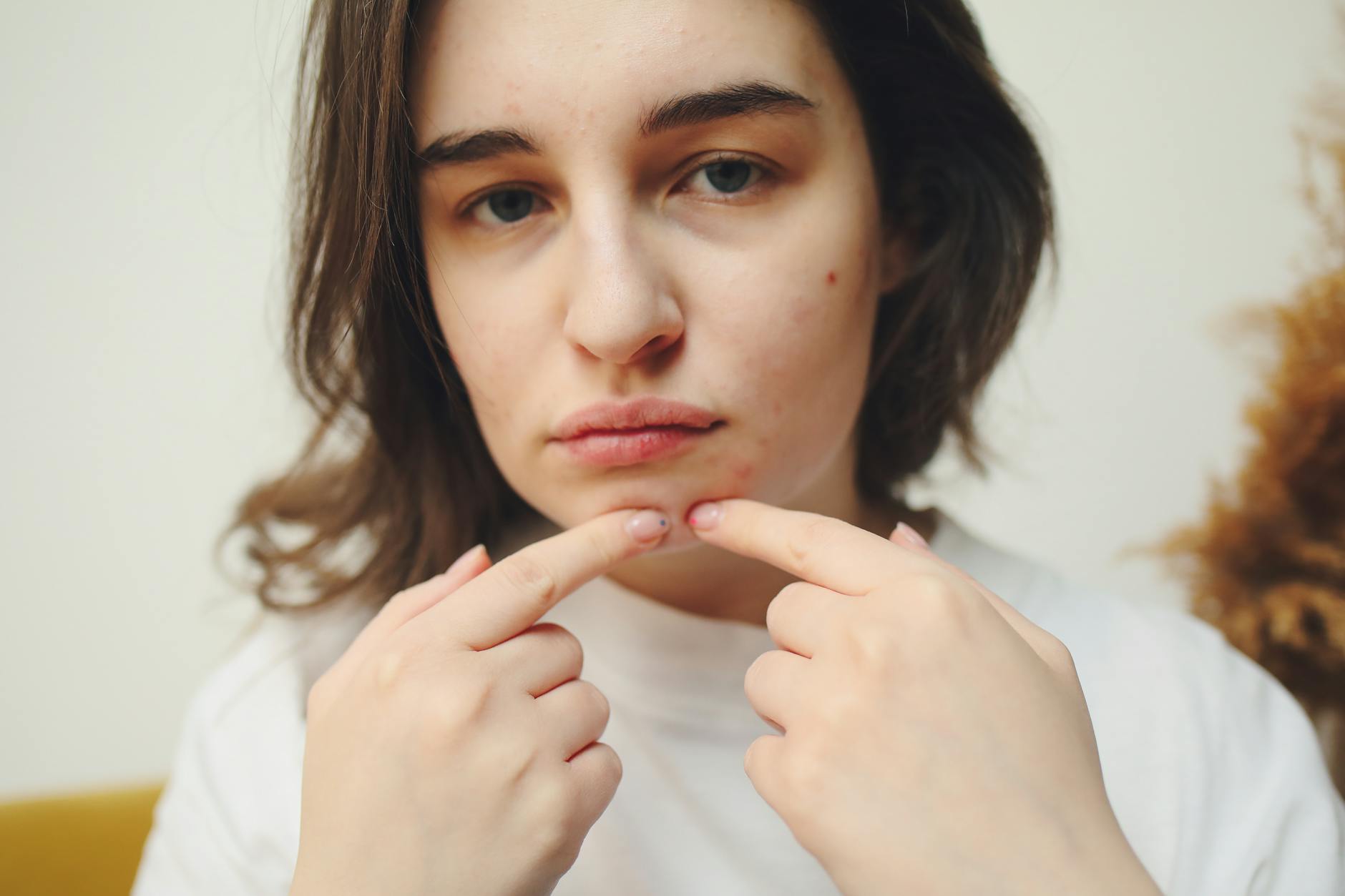
Physical scrubs cause real harm to inflamed acne-prone skin, and the damage happens in ways many people don’t realize. When you apply mechanical pressure and abrasive particles to active breakouts, you’re creating tiny tears in already-compromised skin, allowing bacteria like *Cutibacterium acnes* to penetrate deeper and spread across your face. This isn’t theoretical—dermatologists have documented that aggressive scrubbing actively worsens acne, increases infection risk, and sets the stage for permanent scarring. If you have sensitive, acne-prone skin and you’re using a physical scrub on inflamed areas, you’re likely making your condition worse with every use.
The issue is that physical scrubs feel like they’re “doing something” because of the immediate smoothness they provide. That sensation is misleading. Beneath the surface, you’re creating microtrauma—repeated small injuries that your skin wasn’t prepared to handle. For people with active acne, this means fresh inflammation, more breakouts, and a higher likelihood of the kind of deep scarring that doesn’t fade on its own.
Table of Contents
- How Do Physical Scrubs Actually Damage Acne-Prone Skin?
- Understanding the Bacterial Spread and Microtrauma Mechanism
- The Scarring Risk You Need to Know About
- Why Gentle Exfoliation Is the Better Choice for Acne-Prone Skin
- The Hidden Dangers of Aggressive Scrubbing and Picking
- Real-World Impact: What Happens When People Switch Away From Physical Scrubs
- Moving Forward With Acne-Safe Skincare Practices
- Conclusion
- Frequently Asked Questions
How Do Physical Scrubs Actually Damage Acne-Prone Skin?
Physical scrubs cause damage through a mechanism called microtrauma. When facial scrubs use uneven particles—whether crushed walnut shells, salt, sugar, or microbeads—they create small tears in the skin barrier. Under a microscope, these aren’t smooth scratches; they’re jagged wounds. On healthy skin, this might be manageable. On acne-prone skin with existing inflammation and open lesions, these micro-tears become infection highways for the bacteria already colonizing your face. Repetitive mechanical trauma from scrubbing affected skin is a documented factor that worsens acne, according to clinical literature on acne vulgaris.
Think of it this way: if you have a cut on your hand and you scrub it repeatedly with an abrasive material, it gets worse, not better. Your face with active breakouts is similar. Each scrubbing session doesn’t exfoliate dead skin—it disrupts the skin barrier, triggers more inflammation, and gives bacteria fresh access to deeper skin layers where they can multiply and create new lesions. The timing matters too. Scrubbing over inflamed acne means you’re not just exfoliating; you’re actively spreading bacteria across your face. A single acne-causing bacterium can transfer to multiple pores with one scrubbing motion, turning a localized breakout into a widespread problem.

Understanding the Bacterial Spread and Microtrauma Mechanism
When you scrub acne-prone skin, you’re not removing bacteria—you’re distributing it. *Cutibacterium acnes* thrives in sebum-rich environments and inflammatory conditions. Scrubbing creates the perfect scenario: it increases sebum production as a healing response, triggers inflammation, and physically transfers bacteria from one pore to surrounding areas. A dermatologist survey of 106 skin experts found that 88.7% identified oily and acne-prone skin as requiring special care—and notably, none of the dermatologists recommended physical scrubbing as that special care. The microtrauma created by physical scrubs also disrupts your skin’s natural barrier function.
This barrier is what keeps bacteria out and moisture in. Once it’s compromised, your skin becomes more susceptible to secondary infections and takes longer to heal from existing breakouts. The inflammation response that follows—redness, swelling, increased oil production—creates an environment where acne bacteria thrive even more aggressively. A critical limitation of physical exfoliation for acne-prone skin is that it’s non-selective. You can’t target only the dead skin cells; the scrub particles damage healthy skin cells, inflamed areas, and active lesions equally. This indiscriminate trauma is why dermatologists consistently recommend against physical scrubs for anyone with active acne, regardless of skin type.
The Scarring Risk You Need to Know About
Aggressive scrubbing and picking should be actively discouraged if you want to avoid permanent scarring. When you repeatedly damage inflamed acne with physical scrubs, you’re setting off a chain reaction: more inflammation, deeper bacterial penetration, more severe lesions, and ultimately, the kind of scarring that doesn’t resolve on its own. Dermatologists specifically warn that aggressive scrubbing promotes the development of new acne lesions and increases scarring risk. Scarring from acne happens in layers. Surface damage heals quickly. But when you create microtrauma over existing inflammation, you can trigger scarring at the dermal level—the deeper layer of skin responsible for firmness and texture.
Once scarring occurs at this depth, laser treatments, microneedling, and other expensive corrective procedures become necessary. A person with moderate acne who uses physical scrubs might end up with severe scarring that could have been prevented with gentler exfoliation methods. The window for prevention is narrow. Once you have significant scarring, it’s permanent without professional intervention. This is why the emphasis from dermatologists is so strong: avoid aggressive mechanical trauma during the acne phase, and you won’t need scar revision later. The cost of prevention—switching to a gentler exfoliant—is infinitesimal compared to the cost of treating deep atrophic or hypertrophic scars months or years later.

Why Gentle Exfoliation Is the Better Choice for Acne-Prone Skin
If you have acne-prone skin, the answer isn’t “stop exfoliating”—it’s “stop using physical scrubs.” Dermatologists recommend gentle chemical exfoliants instead, particularly salicylic acid and alpha hydroxy acids (AHAs). These work differently than physical scrubs: they dissolve the bonds between dead skin cells rather than physically tearing them away. For acne-prone skin, this distinction is everything. Salicylic acid, a beta hydroxy acid, is oil-soluble, which means it can penetrate sebum-filled pores and reduce bacterial colonization without creating microtrauma. A 2% salicylic acid cleanser used twice daily has clinical evidence supporting its effectiveness for acne-prone skin.
AHAs like glycolic acid work on the skin surface, gently encouraging cell turnover without the aggressive abrasion of physical scrubs. The tradeoff is that chemical exfoliants take a few weeks to show results, while physical scrubs feel immediately effective—but that immediate smoothness comes at the cost of delayed damage. The dermatologist survey found that 63.2% of experts endorsed gentle exfoliation for sensitive, acne-prone skin. This consensus exists because chemical exfoliants actually work without causing additional harm. You get clearer skin without the inflammation, bacteria spreading, and scarring risk that physical scrubs introduce.
The Hidden Dangers of Aggressive Scrubbing and Picking
Beyond the direct damage from scrubs themselves, physical exfoliation creates a psychological problem: it normalizes aggressive touching and manipulation of acne lesions. Once you’re comfortable scrubbing your face hard, it becomes easier to justify picking at breakouts, squeezing comedones, or using overly aggressive tools. This cascade of behaviors—all rooted in the belief that “aggressive = effective”—is how minor breakouts become severe scarring situations. Aggressive scrubbing also strips the skin barrier repeatedly, leading to reactive inflammation and increased sebum production. Your skin interprets the damage as a signal to produce more oil as a protective measure.
For acne-prone skin, more oil means more food for bacteria and more blocked pores. You end up in a cycle where scrubbing causes the very conditions that make acne worse, so you scrub more, and the cycle deepens. A warning that dermatologists emphasize: this damage is cumulative. One aggressive scrubbing session might not cause visible scarring, but repeated trauma over months or years absolutely will. People often don’t realize the connection between their current scarring and the exfoliation habits they had years earlier. By the time scarring becomes obvious, the damage is permanent.
Real-World Impact: What Happens When People Switch Away From Physical Scrubs
When people with acne-prone skin stop using physical scrubs and switch to gentle chemical exfoliants, the improvements are often dramatic. Within two to three weeks, inflammation typically decreases because the skin barrier is no longer being repeatedly damaged. New breakouts often slow down because bacteria isn’t being redistributed across the face with every cleansing.
Within two months, many people report smoother skin texture and fewer active lesions than they ever achieved with physical scrubs. A person with persistent body acne on their back and chest might use a physical scrub for years, thinking they’re preventing clogged pores. But if they switch to a salicylic acid body wash instead, they often see clearer skin within weeks—without any of the irritation, spreading, or scarring risk. This real-world outcome is why dermatologists are so consistent in their recommendation: physical scrubs are simply not the right tool for acne-prone skin.
Moving Forward With Acne-Safe Skincare Practices
If you have sensitive, acne-prone skin, your exfoliation strategy should prioritize barrier protection over aggressive cleansing. This means chemical exfoliants used 2-3 times weekly, never on inflamed active lesions, and always followed by hydration and sun protection. It means accepting that effective acne care isn’t dramatic or aggressive—it’s consistent and gentle.
The future of acne skincare is moving away from physical abrasion and toward targeted, evidence-based approaches. Research continues on the most effective chemical exfoliants, prescription retinoids, and combination therapies that address bacterial growth and inflammation without damaging the skin barrier. The path forward doesn’t involve scrubbing harder; it involves working smarter with your skin’s actual biology.
Conclusion
Physical scrubs on inflamed acne spread bacteria, create microtrauma, and promote scarring. This isn’t a matter of opinion—it’s documented clinical evidence supported by dermatologists worldwide. If you have acne-prone skin, the single most impactful change you can make is eliminating physical scrubs and replacing them with gentle chemical exfoliants like salicylic acid or AHAs.
The immediate sensation of smoothness that scrubs provide is misleading; the long-term cost in terms of worsened acne and permanent scarring is far too high. Your next step should be identifying a gentle exfoliant suited to your skin type, using it consistently, and giving it at least 4-6 weeks to show results. You’ll likely find that your skin improves faster without the trauma of physical scrubbing, and more importantly, you’ll protect yourself from the scarring that can last a lifetime.
Frequently Asked Questions
Is all physical exfoliation bad for acne-prone skin?
Yes. Any physical scrub—whether made from walnut shells, salt, sugar, or synthetic microbeads—creates microtrauma and spreads bacteria on acne-prone skin. Chemical exfoliants are the evidence-based alternative.
How often should I use a chemical exfoliant if I have acne?
For most people with acne-prone skin, 2-3 times per week is ideal. Start with lower frequency and increase gradually as your skin adjusts. Never use chemical exfoliants on actively inflamed or open lesions.
Can physical scrubs cause permanent scarring?
Yes. Repeated aggressive scrubbing over inflamed acne can cause dermal-level scarring, which doesn’t resolve without professional treatment like laser therapy or microneedling.
What’s the best chemical exfoliant for acne?
Salicylic acid (2%) is oil-soluble and specifically targets acne-prone skin. AHAs like glycolic acid are also effective but better suited for surface exfoliation. A dermatologist can recommend the best option for your specific skin condition.
Why do physical scrubs feel better if they’re worse for acne?
The immediate smoothness from physical scrubs comes from removing the outer layer of skin, but this triggers inflammation, barrier damage, and bacterial spread beneath the surface. The short-term benefit masks long-term harm.
If I’ve been using physical scrubs on acne, is the scarring permanent?
Existing scars may be permanent, but stopping physical scrub use now will prevent additional scarring. Professional treatments can improve the appearance of existing scars.
You Might Also Like
- At Least 72% of People With Sensitive Acne-Prone Skin Would Benefit From Knowing That Physical Scrubs on Inflamed Acne Spread Bacteria and Cause Scarring
- At Least 84% of Athletes With Acne Would Benefit From Knowing That Oral Antibiotics Should Never Be Used for More Than 3 Months
- At Least 57% of Night Shift Workers With Acne Would Benefit From Knowing That Their Diet May Be Contributing to 20-30% of Their Breakouts