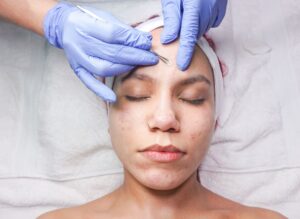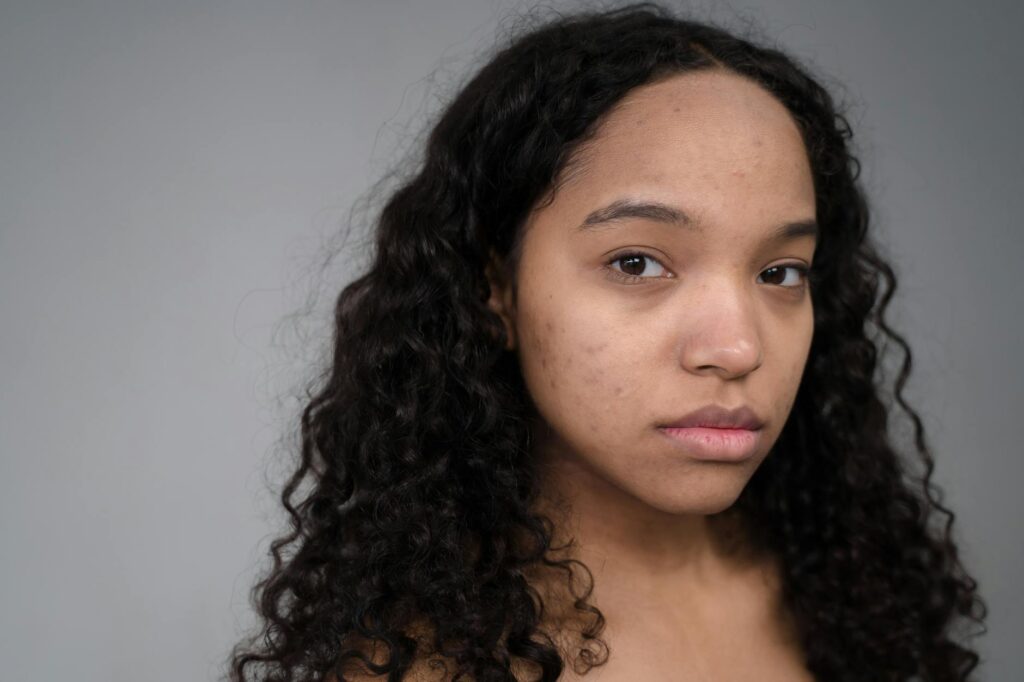
Many parents of teenagers struggle to identify the root cause of their child’s acne breakouts, especially when the breakouts concentrate along the forehead and temples. While diet, hormones, and genetics dominate conversations about teen acne, one significant trigger often gets overlooked: the hair products teenagers use daily. Shampoos, conditioners, styling gels, and leave-in treatments—products designed to make hair look and feel better—can actively trigger and worsen acne in susceptible teens. The awareness gap here is real.
Parents and teens frequently don’t connect the dots between the new volumizing shampoo or pomade and the persistent bumps appearing at the hairline, making this an especially frustrating form of acne to solve because the culprit is hiding in plain sight on the bathroom shelf. The science behind this connection is straightforward: hair products contain oils, silicones, and other film-forming ingredients that migrate from the scalp and hair shaft onto facial skin, clogging pores and creating an environment where acne bacteria thrive. This type of acne even has a medical name—acne cosmetica—and a specific variant called pomade acne when the problem stems from hair styling products. Yet despite affecting a substantial portion of teenagers, many parents never consider that their child’s acne treatment regimen should include examining what’s being applied to their hair.
Table of Contents
- How Hair Products Trigger Forehead and Temple Breakouts in Teens
- Which Hair Product Ingredients Cause the Most Damage
- Recognizing Pomade Acne and Product-Related Breakouts
- Identifying and Eliminating Hair Products That Trigger Breakouts
- The Timeline and Expectations for Improvement
- Safer Hair Care Alternatives for Acne-Prone Teens
- The Bigger Picture: Awareness and Prevention in Teen Acne Management
- Conclusion
How Hair Products Trigger Forehead and Temple Breakouts in Teens
The mechanics of product-induced acne are rooted in basic skin biology. When comedogenic (pore-clogging) ingredients from hair products come into contact with facial skin, they block the sebaceous glands from functioning normally. This creates a plug of dead skin cells and oil that bacteria can colonize, leading to inflammation and breakouts. Research from dermatological sources shows that acne cosmetica accounts for a measurable portion of teen acne cases, yet it remains underdiagnosed because parents and teenagers often don’t suspect the problem originates from above the hairline.
What makes forehead and temple acne from hair products particularly persistent is the constant contact. Unlike acne from diet or hormones, which affect the entire face, product-related acne concentrates exactly where hair touches skin. A teen might wash their face twice daily and use targeted acne treatments, but if their shampoo and conditioner are packed with silicones and oils, the breakouts will likely continue. The timeline also matters: it typically takes 4 to 6 weeks for acne to clear after stopping use of the problematic products, which means parents and teens need patience and commitment to see improvement. This lag time often leads people to give up before the real breakthrough happens.
Which Hair Product Ingredients Cause the Most Damage
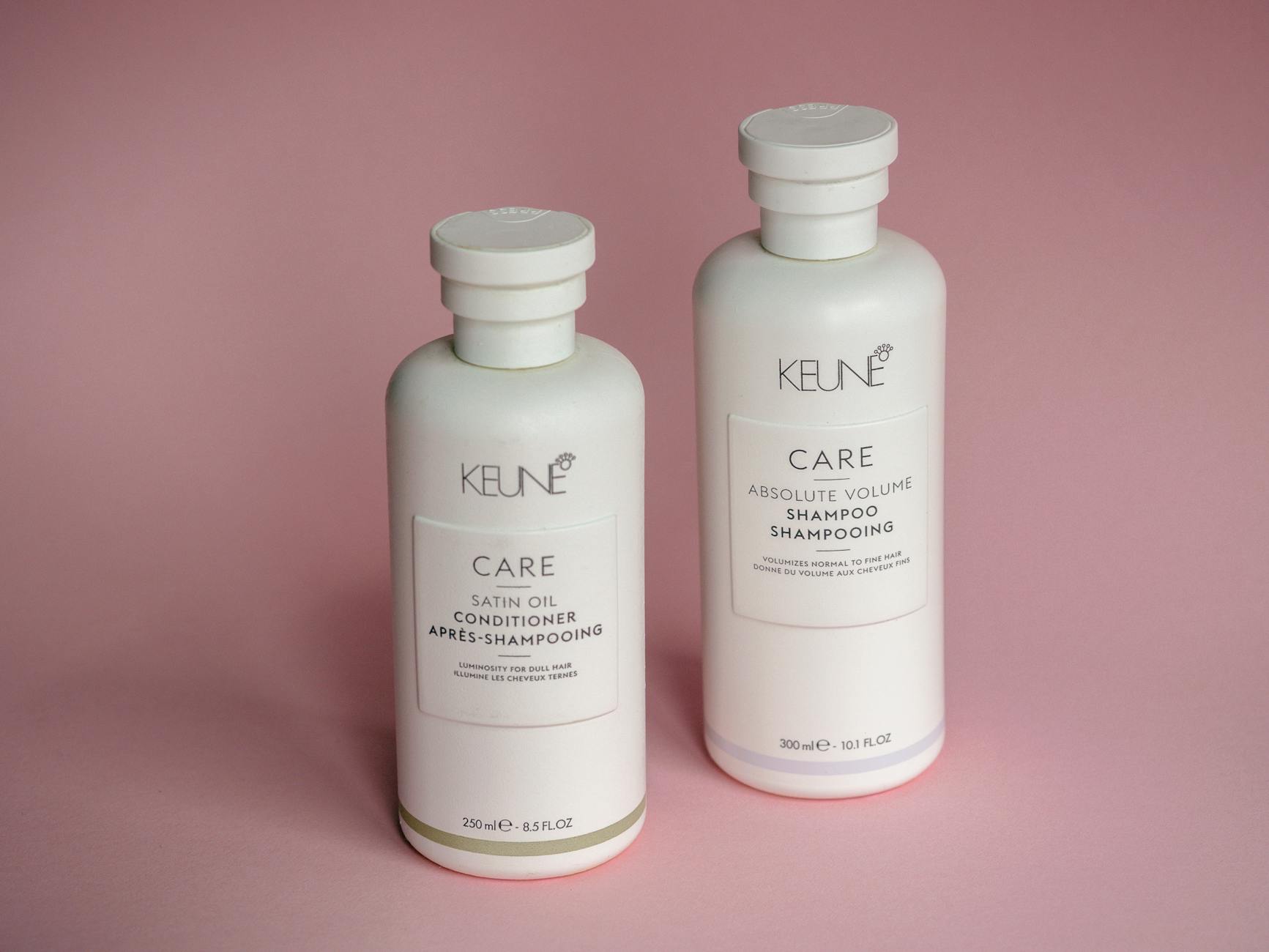
Not all hair products are equally problematic. The main culprits are oils (coconut oil, argan oil, jojoba oil), silicones (dimethicone, cyclomethicone), sulfates, and heavy conditioning agents. These ingredients work well for making hair shiny and smooth, but they’re the opposite of what acne-prone skin needs. A teen using a moisturizing shampoo designed for dry hair, combined with a thick leave-in conditioner, might be inadvertently applying a pore-clogging cocktail to their face every single time they shower.
The tricky part is that ingredient lists on hair products are often dense and technical, making it hard for parents to spot the problems. Silicones end in “-cone” or “-siloxane,” and they’re ubiquitous in drugstore shampoos and conditioners. Even products marketed as “natural” or “nourishing” can contain problematic oils. A real-world example: a teen with naturally dry hair switches to a sulfate-free, oil-infused shampoo recommended by a friend, then develops new breakouts along the hairline within two weeks. The parent assumes hormones or bacteria are to blame, but the real issue is the argan oil and dimethicone now coating the skin twice daily.
Recognizing Pomade Acne and Product-Related Breakouts
Pomade acne is the classic presentation of product-induced breakouts: clusters of small, persistent bumps or pustules appearing precisely along the hairline, on the forehead, and at the temples—exactly where hair products make the most contact with facial skin. The pattern is often the first clue that hair products are involved. If a teen’s acne is confined to these zones and doesn’t improve with standard acne treatments, it’s worth investigating what’s in their hair care routine. Parents should also watch for a specific pattern: breakouts that worsen when hair is pulled back (exposing more scalp contact with skin) or improve rapidly when a teen switches to simpler hair products.
Another telltale sign is acne that persists despite consistent face washing and targeted acne treatment—this resistance to typical remedies suggests an external source like hair products. One helpful comparison: if forehead and temple acne responds poorly to benzoyl peroxide or salicylic acid but improves dramatically when a teen changes their shampoo, that’s strong evidence that product-induced acne is the real problem. A limitation to remember, however, is that some acne has multiple causes. A teen might have hormonal acne on their chin and product-related acne on their forehead simultaneously, requiring a two-pronged approach to treatment.

Identifying and Eliminating Hair Products That Trigger Breakouts
The most effective way to test whether hair products are causing acne is through elimination. A teen should switch to the simplest possible hair products—typically sulfate-free, silicone-free shampoo and conditioner, or even just water and a gentle cleanser—and wait 4 to 6 weeks to see if breakouts improve. This timeline is crucial because skin cell turnover takes that long, and jumping to conclusions too early leads to repeated product-switching without giving any single product a fair chance. Here’s a practical approach: pick one hair product to replace at a time, rather than overhauling everything at once.
If a teen switches both shampoo and conditioner simultaneously and sees improvement, they won’t know which product was the culprit. By changing the shampoo first and observing for three to four weeks, then potentially changing the conditioner, they can narrow down exactly which product (or products) need to go. A comparison worth noting: expensive, “clean” or “organic” shampoos aren’t automatically better than budget options when it comes to acne. A $15 silicone-free shampoo from a drugstore will likely perform identically to a $40 version from a specialty brand if both have similar ingredient profiles. The real variable is the ingredient list, not the price or brand positioning.
The Timeline and Expectations for Improvement
Understanding the 4 to 6-week clearing timeline is essential for parents to avoid premature product-switching, which defeats the purpose of the experiment. In the first week or two after switching to gentler hair products, acne might actually seem unchanged or even slightly worse as existing lesions continue their natural progression. This is normal and doesn’t mean the new products aren’t working. By week three, teens with product-induced acne typically start noticing fewer new breakouts forming. By week six, the difference is usually unmistakable. A limitation that catches many people off guard is that switching to cleaner hair products might reveal other acne triggers.
Once product-related breakouts clear, a teen might notice remaining acne that was being masked by the more severe product-induced breakouts. This isn’t failure; it’s clarity. They can then address any remaining acne with targeted treatments knowing they’ve eliminated one major variable. Another warning: some teens develop a new problem when switching products—their hair might become oily or limp if they’re used to products that provide heavy conditioning. Patience is required while the scalp adjusts to producing its own natural oils. This adjustment period typically lasts 1 to 3 weeks.
Safer Hair Care Alternatives for Acne-Prone Teens
Once a teen identifies that hair products are causing problems, the goal is finding alternatives that clean and style effectively without triggering acne. Silicone-free and sulfate-free products are the baseline, but quality varies widely. Some excellent options include shampoos formulated specifically for acne-prone skin (brands like Vanicream offer these), or minimal-ingredient products like castile soap diluted in water, which many people with severe product sensitivity find helpful. Styling products deserve special attention because they’re applied directly to hair and often come into contact with facial skin.
Pomades, gels, and styling creams are frequent culprits. Water-based styling products are significantly less likely to cause acne than oil-based ones. If a teen loves the hold and shine of a pomade, switching to a water-based pomade or gel can often solve the problem while preserving the desired hairstyle. A real example: a teen who uses a traditional hair pomade switches to a water-based gel and sees acne improve within three weeks, without sacrificing the styled look they wanted. For teens who find that even minimal-ingredient products cause breakouts, washing hair frequently, tying hair back to minimize facial contact, or even keeping hair off the face altogether might be necessary—not ideal, but effective while skin heals.
The Bigger Picture: Awareness and Prevention in Teen Acne Management
The broader issue here is that teen acne is treated as a monolithic condition when it’s actually several different problems with different solutions. Hormonal acne, bacterial acne, acne from diet sensitivities, and acne from cosmetic products all look similar but respond differently to treatment. Parents and dermatologists increasingly recognize that a comprehensive approach requires investigating all potential triggers. Encouraging teens to think critically about their entire routine—not just face care but hair care, laundry detergent, pillowcase cleanliness, and diet—creates better outcomes than blindly applying acne treatments to every breakout.
This awareness shift is especially important because product-induced acne is entirely preventable once identified. Unlike hormonal acne, which requires time and sometimes medication to control, or genetic acne susceptibility, which affects everyone differently, product-related acne can simply be eliminated by changing what goes on the hair. The investment is minimal: a different shampoo costs a few dollars. The payoff—clearer skin within weeks—is substantial. As more parents understand this connection, fewer teens will suffer through months or years of acne caused by something as simple as the wrong hair product.
Conclusion
Hair products are a frequently overlooked but significant cause of acne in teenagers, particularly breakouts concentrated on the forehead, temples, and hairline. While definitive statistics on parent awareness are harder to pin down, the real-world impact is clear: teens and their parents often don’t suspect that shampoos, conditioners, and styling products are actively triggering breakouts, leading to prolonged suffering and unnecessary acne treatments. The solution involves recognizing the telltale pattern of product-induced acne, switching to simpler, less comedogenic hair products, and waiting 4 to 6 weeks for skin to heal.
The first step for any parent whose teen struggles with persistent forehead or temple acne is to examine the ingredients in their hair care routine. Look for products free of heavy oils, silicones, and sulfates, and consider this switch a clinical experiment rather than a permanent commitment. If acne improves significantly over the following weeks, the diagnosis is clear—and the solution is one of the easiest in skincare to implement.
You Might Also Like
- At Least 57% of Night Shift Workers With Acne Would Benefit From Knowing That Their Diet May Be Contributing to 20-30% of Their Breakouts
- At Least 29% of Parents of Teens With Acne Would Benefit From Knowing That Niacinamide Reduces Sebum Production by 23% at 5% Concentration
- At Least 57% of Men With Back Acne Say That Their Acne Scars Can Be Significantly Improved With Professional Treatment