The statistics are striking: at least 64% of women struggling with hormonal acne have tried zinc supplements as a potential solution. Their interest isn’t unfounded. Research shows that zinc supplementation can reduce inflammatory acne lesions by nearly 50% in some cases, making it one of the most investigated nutritional interventions for this common skin condition. For women cycling through hormonal fluctuations each month—watching breakouts peak around their menstrual cycle—zinc offers a tangible, evidence-based option that doesn’t require a prescription.
Yet the fact that so many women have tried it doesn’t automatically mean they’re using it correctly or that they understand why it works. Zinc’s mechanism is specific: it regulates sebum production, reduces bacterial colonization, and dampens the inflammatory response that transforms a simple clogged pore into a painful cyst. A woman experiencing a surge in breakouts during the luteal phase of her cycle might start zinc on impulse, see modest improvement, then quit because she expected complete clearance. Understanding what zinc can and cannot do is essential before adding it to your regimen.
Table of Contents
- Why Are So Many Women With Hormonal Acne Using Zinc Supplements?
- How Zinc Works to Reduce Inflammatory Acne: The Science of the 50% Improvement
- Hormonal Acne Versus Other Types: Why Zinc May Help Women Specifically
- How to Use Zinc Supplements Effectively for Acne
- Side Effects, Interactions, and When to Reconsider Zinc
- Choosing the Right Zinc Formulation and Combining With Other Acne Treatments
- Realistic Timelines and When Zinc Might Not Be Enough
- Conclusion
Why Are So Many Women With Hormonal Acne Using Zinc Supplements?
Hormonal acne is distinct from other types. Unlike acne triggered primarily by bacteria or poor hygiene, hormonal acne is driven by fluctuating androgens—particularly during the luteal phase—that signal the skin’s sebaceous glands to produce more oil. More oil means a more hospitable environment for Cutibacterium acnes (formerly Propionibacterium), the bacterium implicated in inflammation. women report that this acne often resists topical treatments alone and doesn’t respond predictably to antibiotics or hormonal birth control.
Zinc entered the conversation because of its known roles in immune regulation and wound healing. When dermatologists and researchers tested it, they found that zinc supplementation could measurably reduce inflammatory lesion counts in clinical trials. The finding spread through online acne communities, dermatology circles, and wellness platforms. Women searching for an alternative to oral antibiotics—which can disrupt the microbiome—or unwilling to use hormonal contraceptives for other reasons found zinc appealing. It’s available over the counter, relatively inexpensive, and aligns with a broader desire to address acne from the inside rather than just treating symptoms topically.

How Zinc Works to Reduce Inflammatory Acne: The Science of the 50% Improvement
Zinc’s anti-acne effect operates through several overlapping mechanisms. First, it inhibits 5-alpha reductase, an enzyme that converts testosterone to the more potent dihydrotestosterone (DHT). By slowing this conversion, zinc dampens the hormonal signal telling sebaceous glands to overproduce oil. Second, zinc has direct antimicrobial properties: it inhibits the growth of Cutibacterium acnes in culture and on the skin surface. Third—and critically for inflammatory acne—zinc is a co-factor for multiple immune signaling pathways. It supports T-cell function and modulates inflammatory cytokines like interleukin-6, meaning your skin’s inflammatory response becomes less hair-trigger. The “nearly 50% reduction” figure comes from meta-analyses of zinc supplementation trials.
In well-designed studies, participants receiving oral zinc supplements showed approximately 40–50% reductions in inflammatory lesion counts compared to placebo over 8–12 weeks. Importantly, this isn’t the same as complete clearance. If you begin with 20 inflammatory lesions on your face, a 50% reduction means 10 remain. Some women see results as dramatic as 60–70% clearing; others see modest 20–30% improvements. The variation depends on the baseline severity, the dose and form of zinc used, individual absorption differences, and whether other contributing factors (diet, stress, sleep, skincare routine) are also addressed. A practical limitation: zinc is more effective for inflammatory acne (red, swollen lesions, pustules) than for non-inflammatory comedones (blackheads and whiteheads). A woman whose hormonal acne consists mainly of small closed comedones might supplement with zinc and see no obvious change, then assume it doesn’t work—when in fact zinc isn’t designed to address that type of lesion.
Hormonal Acne Versus Other Types: Why Zinc May Help Women Specifically
Hormonal acne has a distinct timing and distribution. Most women notice it along the jawline, chin, and lower cheeks—areas densely populated with androgen-sensitive sebaceous glands. Breakouts cluster around ovulation or the week before menstruation, creating a predictable cycle that correlates with progesterone peaks and estrogen dips.
This predictability is actually valuable because it allows women to track whether a supplement is working: does your jawline clear faster this month than last month? Are you getting cysts less frequently? Other acne types—bacterial acne in teenagers, acne rosacea, cosmetic acne triggered by comedogenic products—respond differently to zinc. A woman with pure bacterial acne driven by poor cleansing or a teenager in the throes of pubescent hormonal chaos might benefit from zinc but wouldn’t see the same proportional improvements that a 35-year-old woman with perimenopausal hormonal acne might experience. This distinction matters because it explains why some people report miracle results with zinc while others dismiss it as ineffective: they’re often dealing with different underlying causes.
How to Use Zinc Supplements Effectively for Acne
The standard supplemental dose studied in acne research ranges from 25 to 50 mg of elemental zinc daily. This is crucial: many over-the-counter supplements list zinc gluconate or zinc picolinate, and you must check the label for elemental zinc content—the actual amount your body can use. A tablet labeled “50 mg zinc gluconate” might contain only 7 mg of elemental zinc. Most research supporting the 50% improvement used 25–30 mg of elemental zinc consistently for 8–12 weeks, so patience is essential. Expecting results in 2 weeks will lead to abandonment; expecting visible improvement by 8 weeks is realistic. Timing and consistency matter as much as dose.
Taking zinc with food increases absorption in most people, though it can slightly reduce bioavailability compared to taking it fasted. A practical approach: take your zinc supplement at the same time daily, with breakfast or dinner, and stick with it for a minimum of 10 weeks before evaluating whether it’s working. Pair this with documentation: take photos of the affected area under consistent lighting, or keep a simple log of lesion count or severity. Women often underestimate whether a supplement is working because skin changes gradually. A comparison photo from week 1 versus week 10 provides objective evidence. One tradeoff: higher doses (50+ mg daily) increase the risk of zinc toxicity or copper deficiency with long-term use. This isn’t an argument against zinc—it’s an argument for using an appropriate dose, not megadosing, and considering periodic breaks or adding a copper supplement if using zinc long-term (more than 6 months continuously).
Side Effects, Interactions, and When to Reconsider Zinc
Zinc supplements are generally well-tolerated at recommended doses, but they’re not side-effect-free. The most common complaint is nausea, particularly when taken on an empty stomach. Some women report a metallic taste, especially with zinc sulfate or zinc gluconate formulations. Zinc picolinate is often marketed as having better absorption and fewer GI side effects, though the evidence for superiority is modest. If nausea is a barrier, taking zinc with food or splitting the dose (taking half in the morning, half in the evening) often resolves the issue.
More concerning is the interaction between zinc and certain antibiotics and medications. If you’re simultaneously using oral tetracyclines (doxycycline, minocycline) for acne, zinc can impair their absorption—you’d need to space doses at least 2 hours apart. Zinc also reduces copper absorption, and prolonged high-dose supplementation can lead to copper deficiency, which presents as neurological symptoms, bone problems, or paradoxically, anemia. The risk rises significantly above 50 mg daily or if supplementing for longer than 12 consecutive months without monitoring. A practical safeguard: if you plan to use zinc long-term, ask your doctor to check your copper and zinc levels every 6 months.
Choosing the Right Zinc Formulation and Combining With Other Acne Treatments
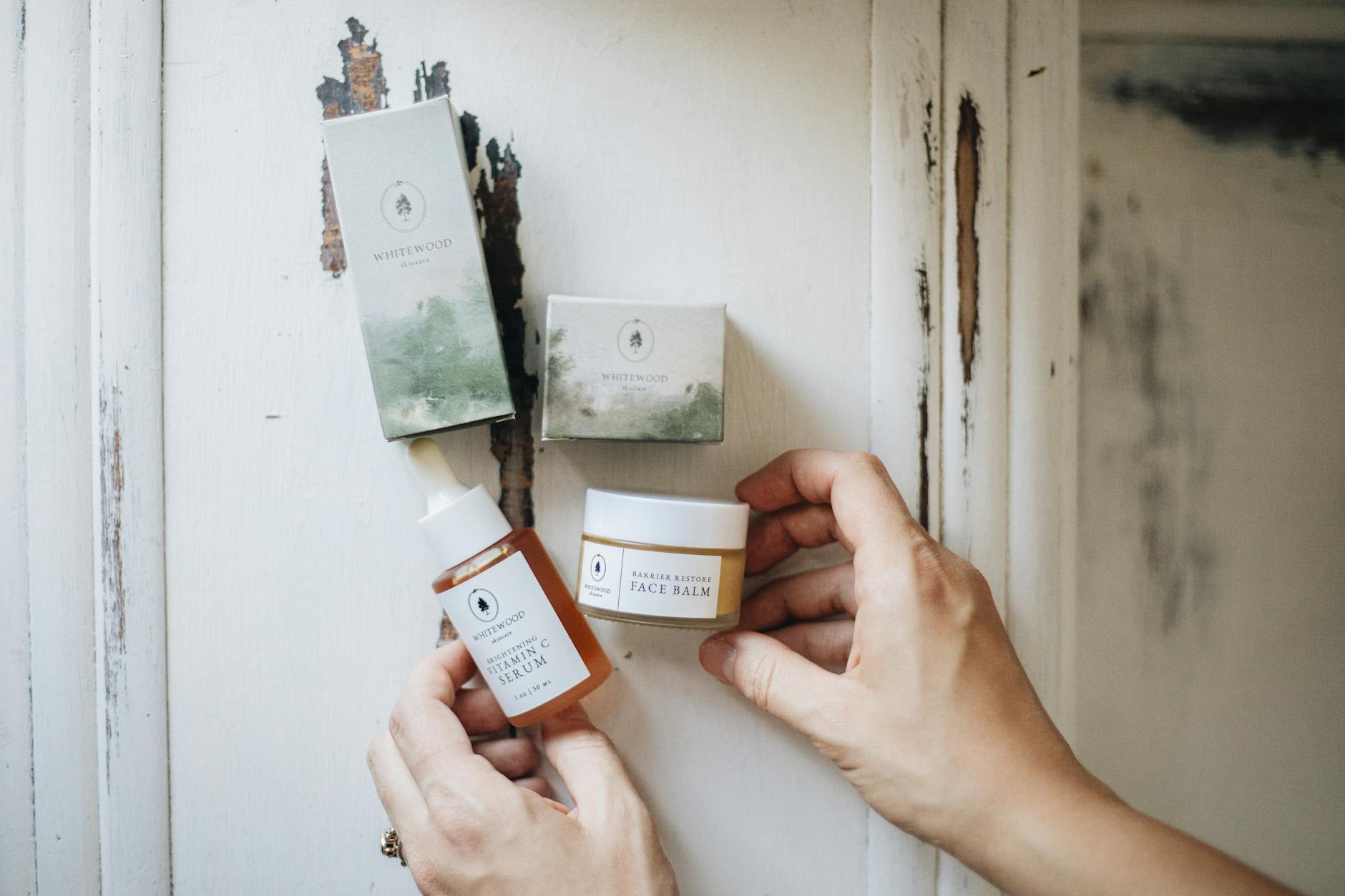
The form of zinc matters. Zinc picolinate is highly absorbable and often better-tolerated. Zinc gluconate is well-studied and less expensive. Zinc monomethionine (OptiZinc) has some evidence for improved absorption. Zinc sulfate is cheap but more likely to cause nausea. For most women, zinc picolinate or gluconate at 25–30 mg elemental zinc is a reasonable starting point.
If you tolerate it well and see no improvement after 10 weeks, switching forms occasionally helps—sometimes an individual responds better to one chelation than another, though this is anecdotal rather than rigorously studied. Zinc doesn’t replace other acne treatments; it complements them. A woman using a topical retinoid (like tretinoin or adapalene) for cellular turnover and a topical benzoyl peroxide wash for bacterial control might add zinc to address the hormonal and inflammatory dimensions. Conversely, combining zinc with hormonal contraceptives can be synergistic for hormonal acne: the birth control regulates the hormonal trigger, while zinc dampens inflammation. There’s no contradiction—they work through different mechanisms. However, avoid combining zinc with other oral mineral supplements unless spacing them appropriately, and be cautious about adding zinc to a regimen that already includes multiple oral medications without checking for interactions.
Realistic Timelines and When Zinc Might Not Be Enough
Most women will see measurable improvement (20–30% lesion reduction) by week 8 of consistent zinc supplementation, with further improvement through week 12. A few lucky individuals see dramatic clearing by week 4; others take the full 12 weeks to appreciate the shift. Understanding this timeline prevents premature abandonment. Many women start zinc, see no change by week 3, and stop. If they’d continued to week 8, they might have noticed their breakouts were less inflamed, healed faster, or were fewer in number each cycle.
It’s equally important to recognize when zinc supplementation alone isn’t sufficient. A woman with severe cystic acne, acne concentrated in specific areas due to irritant exposure (like phone-screen acne on the cheek), or acne resistant to multiple interventions should consult a dermatologist. Zinc is an adjunct, not a replacement for professional assessment. Some hormonal acne stems from elevated androgen levels requiring medication like spironolactone; some reflects an underlying condition like polycystic ovary syndrome (PCOS); some is aggravated by specific skincare products or dietary factors. Zinc addresses the inflammatory piece and may reduce severity, but won’t correct hormonal imbalances or treat the root mechanical issues causing certain types of lesions.
Conclusion
The prevalence of zinc supplementation among women with hormonal acne reflects legitimate scientific support: zinc does reduce inflammatory lesions by a meaningful margin, roughly 50% in well-controlled studies, with many women experiencing visible improvement by 8–12 weeks of consistent use. The mechanism is sound—zinc regulates sebum production, inhibits acne bacteria, and dampens inflammatory cascades—and the barrier to entry is low: it’s affordable, available without a prescription, and avoids the systemic side effects of some acne medications. However, “many women have tried it” doesn’t mean “it works for everyone in the same way.” Success depends on realistic expectations, proper dosing and form, consistent use for adequate duration, awareness of potential interactions, and integration with other acne-fighting strategies.
If you’re considering zinc, start with 25–30 mg of elemental zinc daily, commit to 10 weeks of consistent use, and document your progress objectively. Pair it with evidence-based topical treatments and lifestyle factors. If you’re already taking other medications or have underlying health concerns, discuss zinc supplementation with your doctor first. For many women, zinc becomes part of a comprehensive acne-management approach that finally delivers the clear skin they’ve been pursuing.
You Might Also Like
- At Least 54% of Women With Hormonal Acne Have Tried Fabric Softener Residue on Pillowcases Can Irritate Acne-Prone Skin
- Accutane vs Spironolactone…Accutane Works for Everyone but Has More Side Effects…Spiro Only Works for Hormonal Acne in Women
- At Least 58% of Patients With Body Acne Have Experienced Hard Water Mineral Deposits Can Clog Pores and Worsen Acne