
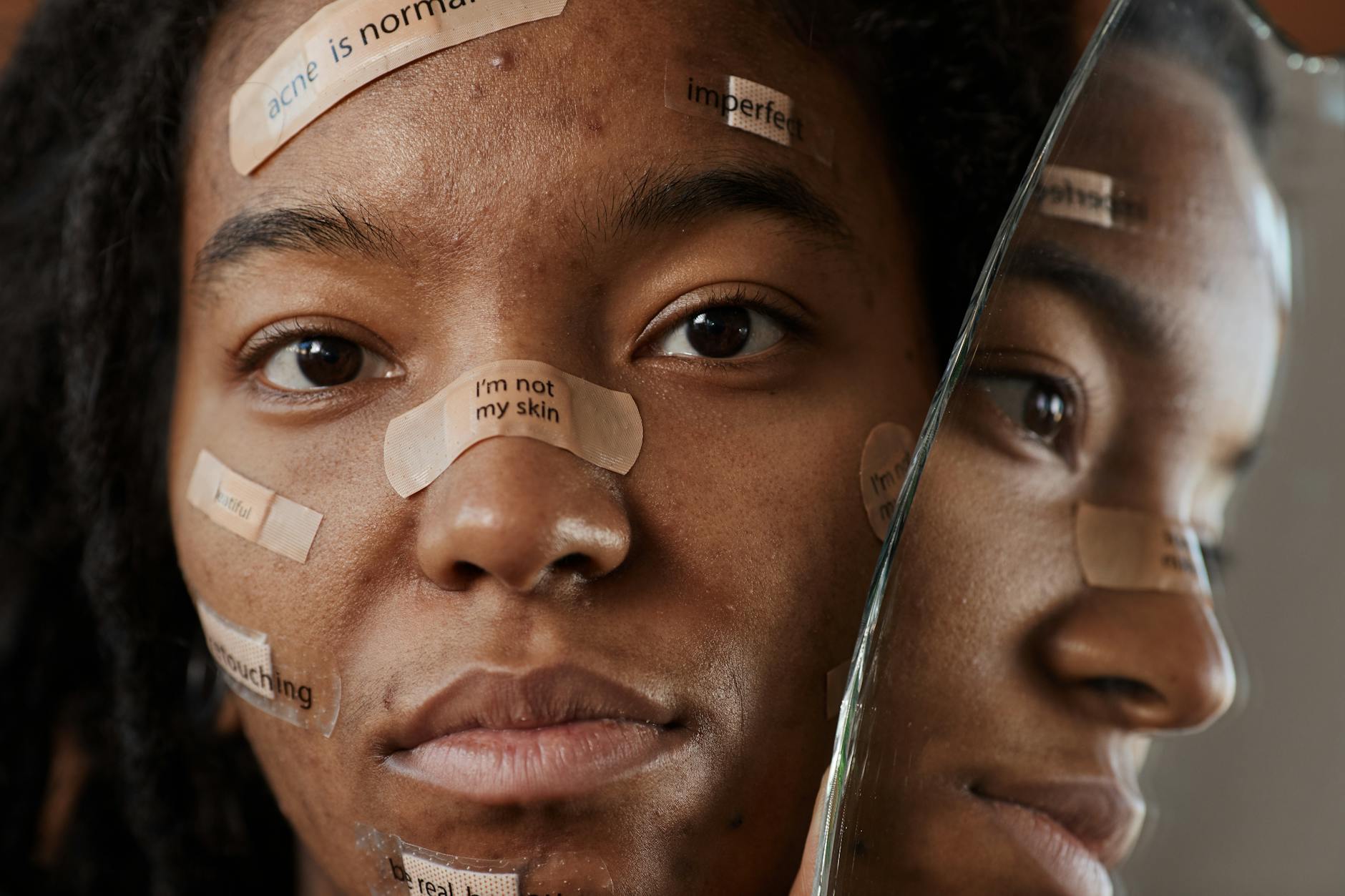
Yes, it’s entirely possible for a child to develop acne at nine years old, before puberty even begins. What used to be rare—seeing a fourth-grader struggling with breakouts—is becoming increasingly common in dermatology clinics across the country. Precocious acne, the medical term for acne that appears earlier than the typical teenage years, is affecting more children in elementary and early middle school than ever before.
A nine-year-old boy we’ll call Marcus started noticing small red bumps and occasional whiteheads on his cheeks and forehead months before his voice changed or any other signs of puberty appeared, confusing both his parents and his pediatrician who initially dismissed it as temporary irritation. The shift toward earlier acne onset in children is a genuine phenomenon that pediatric dermatologists are documenting with increasing frequency. While traditional acne is hormonally driven by puberty-related changes in sebum production, precocious acne in young children typically stems from different causes: genetic predisposition, early hormonal fluctuations, environmental factors, dietary influences, or even skin barrier issues. Understanding why this is happening and how to manage it early is crucial for preventing long-term skin damage and the emotional toll that acne can take on a sensitive-age child.
Table of Contents
- Why Are Younger Children Developing Acne Before Their Teenage Years?
- The Role of Hormonal Changes and Early Endocrine Development
- Dietary and Environmental Triggers in Young Children with Acne
- Age-Appropriate Acne Treatment Strategies for Pre-Pubescent Children
- When Professional Intervention Becomes Necessary and Advanced Treatment Options
- The Psychological and Social Impact of Acne on Elementary and Middle School Children
- Understanding the Trend and Future Outlook for Early-Onset Acne
- Conclusion
- Frequently Asked Questions
Why Are Younger Children Developing Acne Before Their Teenage Years?
The reasons behind precocious acne are multifactorial, and not all cases have the same root cause. Some children have a strong genetic predisposition—if both parents dealt with severe acne at a young age, their child is statistically more likely to as well. Others may experience early hormonal fluctuations due to conditions like adrenal hyperplasia or, more commonly, simply individual variation in when their endocrine system begins to shift.
Still others develop acne from non-hormonal triggers that have nothing to do with approaching puberty. Environmental and lifestyle factors play a surprisingly large role in early-onset acne. A child who wears a tight sports helmet daily, keeps their hair against their face, or uses heavy moisturizers and products not designed for young skin may develop acne purely from occlusion and irritation. Additionally, dietary shifts—increased sugar consumption, processed foods, or dairy intake—can trigger breakouts in susceptible children long before hormones become the driving force. One study found that children consuming high amounts of sugary snacks and drinks showed earlier acne onset compared to peers with more balanced diets, suggesting that lifestyle modifications might prevent or delay the condition in some cases.
The Role of Hormonal Changes and Early Endocrine Development
While we often think of puberty as an on-off switch, hormonal changes actually begin gradually years before visible pubertal development. Adrenarche, the maturation of the adrenal glands, typically begins between ages 6 and 8 and is independent of gonadal puberty. This process increases androgen production, which can stimulate oil glands in the skin even before a child reaches traditional puberty. This is one reason why precocious acne can appear in children who show no other signs of puberty—their adrenal system is ramping up even though their reproductive system hasn’t started.
However, it’s important to note that not every child who experiences adrenarche develops acne. Genetics determines whether a child’s skin will be sensitive to these hormonal shifts, and family history is one of the strongest predictors of early acne. The limitation here is that parents cannot predict or prevent early hormonal maturation; it’s a normal biological process. What they can do is be proactive about skin care, avoid triggering factors, and seek professional help early if acne appears, before it potentially worsens or leaves lasting marks.
Dietary and Environmental Triggers in Young Children with Acne
Diet appears to be a stronger factor in childhood acne than many parents realize. Foods with high glycemic loads—white bread, sugary cereals, sodas, and processed snacks—can trigger inflammatory responses in the body that manifest as skin breakouts. A ten-year-old girl with precocious acne might see significant improvement simply by reducing her intake of sugary drinks and increasing whole grains, fruits, and vegetables. Dairy is another consideration; while the evidence is less definitive than for high-glycemic foods, some research suggests that milk consumption correlates with increased acne prevalence in children.
Environmental irritants also deserve attention. Children who play sports may develop acne in areas covered by equipment—a soccer goalie with acne under their helmet, or a young swimmer with breakouts on their chest from chlorine exposure and wet clothing. Humidity, sweat retention, and friction from tight clothing or backpack straps can all trigger or worsen acne in susceptible children. The practical takeaway is that parents should help their children identify which activities or habits correlate with their breakouts, then work to minimize exposure when possible—changing out of sweaty clothes promptly, rinsing off chlorine, or adjusting how tightly a helmet fits.

Age-Appropriate Acne Treatment Strategies for Pre-Pubescent Children
Treating acne in young children requires a gentler approach than treating teenage or adult acne. Harsh treatments can damage a child’s still-developing skin barrier and create lifelong sensitivity issues. The standard starting point is a gentle cleanser twice daily with lukewarm water—nothing medicated or heavily fragranced—followed by a lightweight, non-comedogenic moisturizer. For mild cases, this basic routine plus dietary adjustments may be sufficient.
If topical treatment becomes necessary, dermatologists typically recommend starting with benzoyl peroxide or azelaic acid rather than stronger retinoids or prescription medications. Benzoyl peroxide is effective against acne-causing bacteria and is available in low concentrations (2.5 to 5 percent) suitable for children. The tradeoff is that it can cause dryness and irritation if used too frequently, so starting with once-daily application and gradually increasing is wise. Retinoids like tretinoin, while highly effective, are generally reserved for older children or teens because they require careful instruction about sun protection and can cause significant dryness and peeling, which children may find frustrating. A dermatologist consultation is often worthwhile before starting any medicated treatment, especially in young children.
When Professional Intervention Becomes Necessary and Advanced Treatment Options
Parents should consider seeing a pediatric dermatologist if their child’s acne is severe (nodules or cysts rather than just comedones), rapidly worsening, causing emotional distress, or not improving after two to three months of basic skincare. Severe or cystic acne in young children can indicate underlying hormonal issues that warrant investigation, and early professional treatment can prevent permanent scarring.
For moderate acne that hasn’t responded to topical treatments, a dermatologist might recommend oral antibiotics—typically an antibiotic like doxycycline (though not for children under eight) or azithromycin—combined with topical benzoyl peroxide to prevent antibiotic resistance. A critical warning: oral antibiotics should never be the sole treatment because bacteria will inevitably develop resistance, rendering the medication ineffective. Some pediatric dermatologists also use low-dose oral retinoids like isotretinoin for severe, scarring acne in younger children, but this is rare and reserved for cases where acne is severely impacting quality of life or causing permanent skin damage, given the serious potential side effects that require careful monitoring.

The Psychological and Social Impact of Acne on Elementary and Middle School Children
Acne’s impact on a young child goes beyond the skin. A nine-year-old or twelve-year-old is at a developmentally sensitive time when peer acceptance and self-image are forming, and acne can be a source of significant emotional distress. Children may become self-conscious about their appearance, withdraw from social activities, or experience anxiety and depression related to their skin condition. One middle schooler reported avoiding sports and social events because she felt embarrassed about breakouts on her shoulders and back, a common complaint in young children with acne.
The psychological toll of early acne should not be minimized. Research shows that children with acne have higher rates of anxiety and depression compared to clear-skinned peers, and early intervention—both dermatological and emotional support—can make a substantial difference. Parents should validate their child’s feelings, avoid dismissing acne as “something they’ll grow out of,” and help them understand that effective treatments exist. Sometimes simply knowing that a professional is helping address the issue provides psychological relief, even before skin improvements become visible.
Understanding the Trend and Future Outlook for Early-Onset Acne
The increasing prevalence of precocious acne likely reflects a combination of factors: earlier average onset of puberty in general populations (a trend documented over decades), increased dietary consumption of processed and high-glycemic foods in developed countries, greater stress and sleep disruption in young children, and possibly environmental toxins or endocrine disruptors. Some researchers also point to increased awareness and earlier medical intervention—what used to go undiagnosed in elementary school children is now being recognized and treated.
Looking ahead, as childhood obesity rates remain elevated and ultra-processed food consumption continues, experts predict that precocious acne will likely remain common and potentially become more common in younger age groups. However, this also presents an opportunity: early intervention with lifestyle modifications, appropriate skincare, and professional treatment can prevent the progression to severe acne and the lasting physical and emotional scars it leaves. Awareness among parents and pediatricians about this trend is the first step toward addressing it proactively.
Conclusion
Acne in a nine-year-old is no longer an anomaly—it’s a real and increasingly common condition that deserves to be taken seriously by parents and healthcare providers. The causes are varied, ranging from genetic predisposition and early hormonal maturation to diet, environmental irritants, and skin care habits. The good news is that precocious acne is highly treatable when addressed early with appropriate strategies tailored to a young child’s developmental stage.
If your child is experiencing acne before puberty, don’t dismiss it as temporary or wait for it to resolve on its own. Start with gentle skincare basics and dietary awareness, and consult a pediatric dermatologist if acne persists or worsens. Early intervention not only prevents lasting skin damage but also spares your child the emotional toll of untreated acne during these formative years.
Frequently Asked Questions
At what age is acne considered precocious?
Acne that appears before age 11 to 12 is generally considered precocious, though the exact threshold varies. Traditional puberty-related acne typically begins around ages 12 to 14, so acne in younger children warrants attention.
Is precocious acne always caused by early puberty?
No. While early hormonal development can trigger acne, many cases result from non-hormonal causes like genetics, diet, environmental irritants, or skin barrier issues unrelated to puberty.
Can diet really cause acne in young children?
Yes, research supports a connection between high-glycemic foods, dairy, and acne in some children. Reducing sugar and processed foods often helps, though results vary by individual.
What’s the safest acne treatment for a nine-year-old?
Start with a gentle cleanser and non-comedogenic moisturizer. For medicated treatment, benzoyl peroxide or azelaic acid are typically the first choices. Consult a dermatologist before starting any treatment.
Will my child outgrow acne?
Some children do experience improvement as they move through puberty, but precocious acne doesn’t always resolve on its own. Professional treatment often prevents worsening and scarring.
Should I be concerned about scarring?
Untreated acne, especially nodular or cystic types, can leave permanent scars. Early professional intervention significantly reduces scarring risk.
You Might Also Like
- Online Acne Kit Subscription Costs $180/Month…In-Person Dermatology Visit Plus Rx Costs $80 Copay Plus $20 Medication
- New Photoacoustic Therapy Device in Clinical Trials…Uses Sound Waves Combined With Light to Destroy Acne Bacteria
- New JAK Inhibitor Cream in Clinical Trials…Originally for Eczema Now Being Tested for Severe Inflammatory Acne