
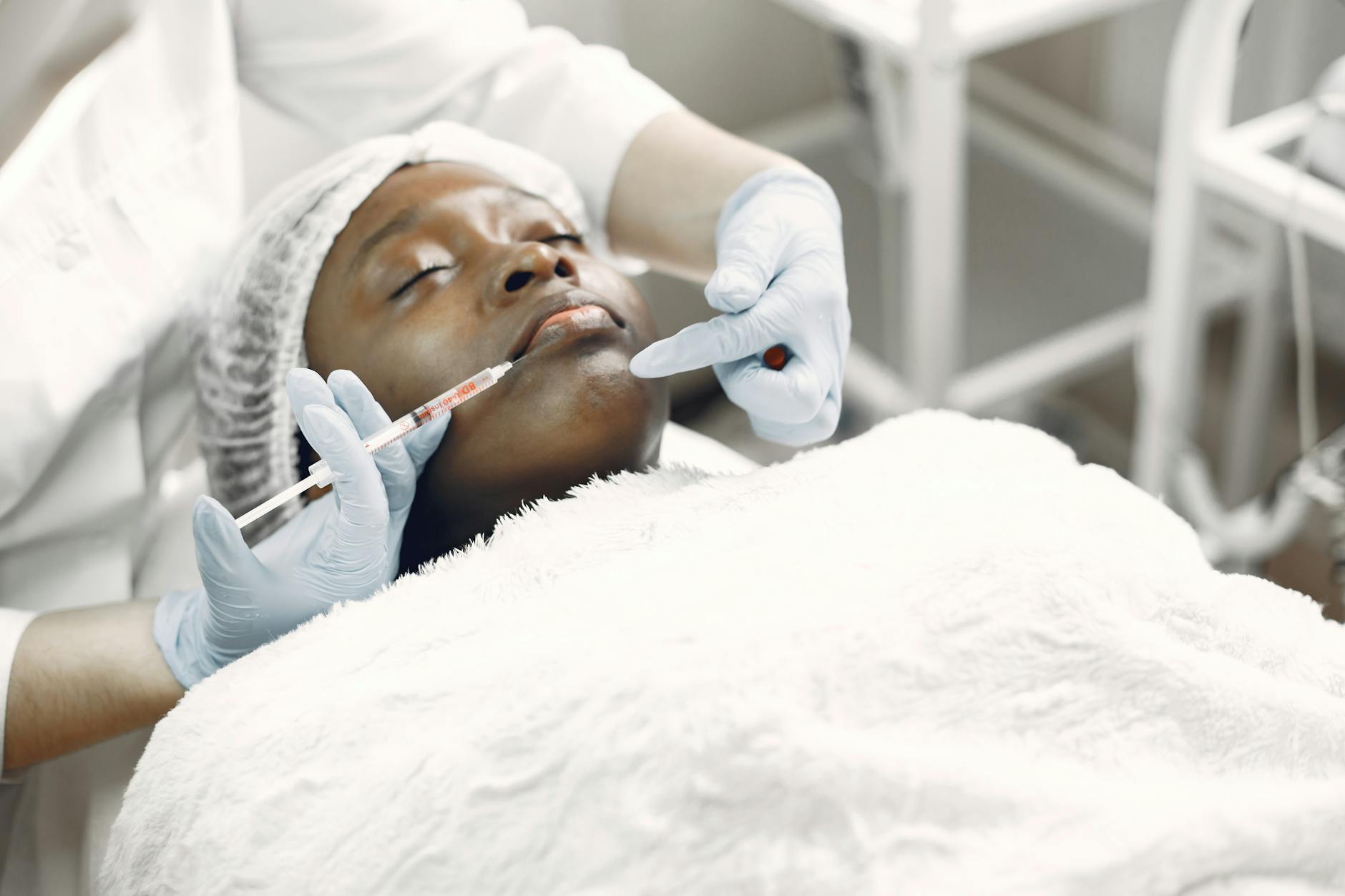
Insurance routinely denies RF microneedling coverage by classifying it as a cosmetic procedure rather than a medically necessary treatment. When you’re quoted $4,500 per session for a three-session series totaling $13,500, insurance companies will almost always reject the claim before you even schedule your first appointment.
This happens regardless of the medical justification you present, because RF microneedling falls into a category that most insurers treat as elective enhancement rather than therapeutic intervention. Here’s what matters: A patient pursuing RF microneedling for post-acne scarring would receive a standard denial letter citing “cosmetic procedure” within weeks of submitting their claim, even if the treatment directly addresses scarring from cystic acne or previous dermatologic conditions. The insurance company’s decision process isn’t complicated—if the procedure isn’t on their approved medically necessary list, it gets denied regardless of price or medical circumstances.
Table of Contents
- Why Insurance Classifies RF Microneedling as Cosmetic, Not Medical
- The True Cost Structure and What Insurance Typically Covers
- Insurance Denial Reasons and How They’re Communicated
- Appeal Options and Realistic Success Rates
- The Medical Necessity Argument and Its Limitations
- Alternative Treatments That May Be Partially Covered
- Future Outlook and Changing Insurance Policies
- Conclusion
Why Insurance Classifies RF Microneedling as Cosmetic, Not Medical
RF microneedling exists in a gray zone for insurance purposes. While dermatologists may use it to address acne scars, hyperpigmentation, or skin texture issues stemming from medical conditions, insurers treat it as cosmetic because the primary outcome is aesthetic improvement. The distinction matters enormously: a procedure can be medically sound while still being classified as cosmetic by insurance companies who make coverage decisions based on rigid category definitions rather than individual clinical need. The insurance denial process is systematic. When you submit a claim for RF microneedling at $4,500 per session, the insurer’s system matches the procedure code to their coverage matrix. RF microneedling typically falls under codes classified as “cosmetic services” or “experimental/investigational” depending on the insurer.
Both categories trigger automatic denials. Unlike surgical scar revision (which some insurers cover when scarring causes functional impairment), RF microneedling lacks the medical necessity classification that would trigger consideration. A real-world example: A patient with severe post-acne textural scarring submits their RF microneedling treatment plan with documentation showing how the scarring affects their skin health and psychological wellbeing. The claim is denied within 2 weeks with a standard letter stating “RF microneedling is not a covered benefit; this procedure is cosmetic in nature.” No appeals process. No consideration of the medical context. The insurer’s position is fixed.

The True Cost Structure and What Insurance Typically Covers
At $4,500 per month for three sessions, you’re looking at premium pricing—though this reflects current market rates. Most RF microneedling practices charge between $600 and $2,400 per session depending on the device technology, treatment area size, and provider expertise. A three-session package commonly ranges from $1,800 to $4,500 total, which aligns with the monthly cost you mentioned when spread across multiple appointments. Insurance doesn’t reimburse RF microneedling treatments under standard medical plans. They simply won’t pay because it’s not on their approved medical procedure list.
Some patients with high-deductible plans or flexible spending accounts ask if they can use FSA funds—the answer is no for RF microneedling, since the IRS classifies cosmetic procedures as ineligible FSA expenses. The exception to absolute non-coverage is extremely narrow: if RF microneedling could demonstrably treat scarring from traumatic injury (severe car accident, burn, surgical complication) with robust medical documentation, some insurers might consider an appeal, though approval remains unlikely. The practical limitation here is that you’re paying entirely out-of-pocket at current market rates. No negotiation with insurance, no prior authorization process that might reduce the cost, no appeal strategy that will overturn the cosmetic classification. The $13,500 total for a three-session series is your responsibility.
Insurance Denial Reasons and How They’re Communicated
When insurance denies RF microneedling claims, they cite two primary reasons: “cosmetic procedure, not medically necessary” or “investigational/experimental procedure with insufficient clinical evidence.” Both result in the same outcome—denial—but the language matters if you decide to appeal. The “insufficient evidence” denial is particularly frustrating because peer-reviewed dermatologic literature supports RF microneedling’s effectiveness for acne scarring and skin texture. However, insurers maintain a conservative approval list for dermatologic procedures, and RF microneedling hasn’t reached the threshold of standard-of-care coverage that would justify routine reimbursement. This differs from, say, chemical peels for precancerous skin lesions, which some insurers cover under specific circumstances.
When you receive a denial letter, it typically arrives 10-14 days after your claim submission. The letter will state something like “RF microneedling was reviewed and determined not to be a covered benefit under your plan because it is classified as a cosmetic service.” That’s often the entire explanation. The insurer won’t engage with the clinical rationale, your dermatologist’s recommendations, or your specific scarring severity. The decision is categorical, not individualized.

Appeal Options and Realistic Success Rates
If you receive a denial, you can appeal—and this is where the numbers improve slightly. Studies on insurance appeals show that approximately 82% of successful appeals involved persistent resubmission with additional clinical documentation. However, the baseline approval rate for RF microneedling appeals remains extremely low, likely under 5%, because the fundamental issue is categorical classification, not missing documentation. The appeal process typically takes 8 to 12 weeks. You would need your dermatologist to provide additional documentation explaining why RF microneedling constitutes medically necessary treatment for your specific condition—for example, if scarring is causing skin breakdown, infection risk, or significant functional impairment.
Even with strong documentation, insurers often issue a “final denial” letter maintaining their position that the procedure is cosmetic. Here’s the tradeoff: The appeal takes considerable time and effort from you and your provider’s office for a low probability of success. Some patients choose to submit one appeal with comprehensive documentation, then move forward with self-pay if it’s denied again. Others skip the appeal entirely, recognizing that their insurer’s policy is absolute. If your out-of-pocket cost is feasible, the appeal may not be worth the 3-month delay in treatment.
The Medical Necessity Argument and Its Limitations
Some patients and dermatologists argue that RF microneedling should be covered when used to treat acne scarring that affects quality of life or contributes to skin health issues. The medical necessity argument is rational: severe post-acne scarring can trap bacteria, complicate skincare routines, and contribute to ongoing dermatologic problems. Shouldn’t insurance recognize that as medically necessary? The answer, from insurance companies’ perspective, is no—and their reasoning is consistent. They distinguish between procedures that treat active disease (like acne) and procedures that treat scarring or cosmetic consequences of past disease.
Once the acne is resolved, any remaining scarring falls into the aesthetic category, regardless of its medical context. This policy applies even to patients with severe, disfiguring scarring that significantly impacts their wellbeing. The limitation of the medical necessity argument is that it requires approval from your insurer’s medical director, and most insurers have pre-established policies against covering RF microneedling. No amount of individual documentation changes this because the policy is categorical, not case-by-case. A narrow exception exists if you can prove scarring from traumatic injury (surgery, severe burn, car accident) rather than acne—in those cases, some insurers may review, though approval remains uncommon.
Alternative Treatments That May Be Partially Covered
If insurance coverage matters for your treatment decision, you should know which alternatives have better coverage prospects. Laser resurfacing for acne scars is sometimes covered under similar circumstances as RF microneedling (essentially, rarely). Chemical peels are almost never covered. Dermal fillers are never covered.
Topical treatments and oral medications for ongoing acne are covered by most insurance plans. The reality is that if acne scarring is your concern and you’re hoping for insurance coverage, you’re facing the same cosmetic classification problem across most advanced treatment modalities. Insurance will cover treating active acne itself (isotretinoin, oral antibiotics, tretinoin). They won’t cover the majority of scar treatment options. This limitation pushes most patients toward out-of-pocket spending if they want to address scarring with modern technology.
Future Outlook and Changing Insurance Policies
Insurance coverage for advanced dermatologic procedures is slowly expanding, but RF microneedling remains in the cosmetic category across most major plans as of 2026. There’s no indication that coverage is changing imminently.
However, if clinical evidence continues accumulating around RF microneedling’s efficacy for medical conditions beyond cosmetic improvement—for example, treatment of severe atrophic scars from trauma with documented functional impairment—some insurers may eventually revise their policies. Until then, expect RF microneedling to remain entirely out-of-pocket. The $4,500 per session cost, multiplied across three sessions, represents a direct expense you’ll need to budget for independently, without any insurance offset or appeal pathway that’s likely to succeed.
Conclusion
Insurance denies RF microneedling coverage as standard practice because the procedure is classified as cosmetic rather than medically necessary. Your insurer will reject the claim with a categorical denial, and appeals—though technically possible—have minimal success rates for this specific procedure.
The entire cost of your three-session series, totaling approximately $13,500 at typical 2026 pricing, falls to you. Before committing to RF microneedling, confirm your dermatologist’s pricing, understand that insurance won’t contribute, and consider whether the out-of-pocket expense fits your budget. If coverage is essential to your decision, discuss alternative acne treatments with your dermatologist, though you should expect similar insurance limitations across advanced cosmetic dermatology procedures.
You Might Also Like
- Insurance Denied Coverage for Accutane Costing $600 Per Month…Liver Damage Risk Requires Monthly Blood Tests That Cost $150 Each
- Insurance Denied Coverage for Winlevi Cream Costing $600 Per Month…No Generic Available Until Patent Expires
- Insurance Denied Coverage for Photodynamic Therapy Costing $700 Per Month…FDA-Approved for Acne but Insurance Rarely Covers It