
NovaPulse CO2 fractional laser resurfacing works by delivering concentrated beams of carbon dioxide laser energy to create microscopic channels in the skin, triggering natural healing and collagen remodeling that fills in and smooths acne scars over time. The treatment doesn’t simply sand down the surface—it penetrates deeper into the dermis where scar tissue has formed, stimulating the body to rebuild damaged skin with fresh, healthy collagen.
For someone with rolling or atrophic acne scars (the most common types), a single NovaPulse session can reduce scar depth by 40-60% in mild to moderate cases, with results improving over 3-6 months as collagen continues to rebuild. This article covers how NovaPulse CO2 resurfacing actually works at the cellular level, what types of acne scars respond best to treatment, what realistic results look like compared to other laser options, the recovery timeline and side effects you’ll experience, and how to determine if you’re a good candidate. We’ll also explore the limitations—why some severe scars need combination treatments and why results vary between individuals.
Table of Contents
- How Does NovaPulse CO2 Fractional Laser Actually Treat Acne Scars?
- What Results Can You Actually Expect From NovaPulse CO2 Treatment?
- Which Types of Acne Scars Respond Best to NovaPulse CO2 Resurfacing?
- What’s the Recovery Process Like, and How Does It Compare to Other Treatments?
- What Are the Real Risks and Limitations of NovaPulse CO2 for Acne Scars?
- How Many Sessions Do You Realistically Need, and What’s the Timeline?
- What Long-Term Results Look Like and Whether Results Improve Over Time
- Conclusion
How Does NovaPulse CO2 Fractional Laser Actually Treat Acne Scars?
NovaPulse uses a fractionated approach, meaning the laser doesn’t treat the entire skin surface at once. Instead, it creates a grid pattern of tiny laser-ablated channels separated by untreated skin. This fractional design allows healthy surrounding tissue to accelerate healing, which is why fractional co2 causes less downtime than older full-surface CO2 lasers from the 1990s. When the laser penetrates damaged scar tissue, the heat causes immediate ablation (removal) of scarred collagen while simultaneously triggering the body’s wound-healing response in the deeper dermis, which floods the area with new collagen over the following months.
The mechanism is particularly effective for acne scars because these scars form from loss of dermal collagen and structural support. Rolling scars—the wavy, undulating kind—respond especially well because the fractional laser can lift and resurface multiple depth levels within the scar simultaneously. Boxcar scars (with steep, defined edges) also improve, though they sometimes need combination treatments with subcision or filler for maximum results. Icepick scars (deep, narrow pits) are the most resistant to laser alone, as the laser beam diameter may not reach the scar’s depth without excessive surface damage.
What Results Can You Actually Expect From NovaPulse CO2 Treatment?
Most patients see noticeable improvement in scar texture and depth within 2-3 weeks, but the most dramatic results appear 3-6 months after treatment as collagen remodeling reaches its peak. However, complete scar elimination is rare—the realistic expectation is 40-70% improvement in scar visibility depending on scar type, depth, and skin type. For mild acne scarring, many people achieve results that make scars nearly invisible in normal lighting. For moderate to severe scarring, NovaPulse provides meaningful improvement but may leave some residual texture or slight shadowing that becomes noticeable only under direct, harsh light.
Skin type matters significantly: individuals with darker skin tones (Fitzpatrick types IV-VI) see slower results and carry higher risk of post-inflammatory hyperpigmentation (darkening), which can sometimes last 6-12 months. Deeper, wider scars require multiple treatment sessions—typically 3-4 sessions spaced 6-8 weeks apart to maximize results without excessive downtime risk. The treated area will appear red and swollen immediately after treatment, resembling moderate sunburn. This redness can last 3-7 days with proper care, though residual pinkness may persist for 2-4 weeks.
Which Types of Acne Scars Respond Best to NovaPulse CO2 Resurfacing?
Rolling scars—characterized by a wavy, undulating surface caused by tethered scar tissue beneath the skin—respond best to NovaPulse because the fractional laser can simultaneously target multiple depth levels and encourage broad collagen remodeling. A patient with rolling scars across their cheeks typically sees 50-70% improvement after 2-3 sessions. Boxcar scars, which have steep, cliff-like edges and a flat bottom, also respond well but sometimes need combination therapy: laser resurfacing alone might improve the scarred area by 40-50%, but if you combine laser with subcision (releasing the tethered tissue underneath), improvement can reach 70-80%.
Icepick scars—narrow, deep punctures that look like the skin was poked with a sharp tool—are the most treatment-resistant. Because these scars are so narrow, the laser beam may not fully penetrate the scar depth without creating excessive surface damage. Many dermatologists recommend treating icepick scars with subcision or punch excision first, then following with NovaPulse CO2 to smooth and resurface the remaining depression. A patient with a mix of rolling and icepick scars might see dramatic improvement in rolling areas (60% improvement) but only modest improvement in icepick areas (20-30%) with laser alone.

What’s the Recovery Process Like, and How Does It Compare to Other Treatments?
NovaPulse CO2 recovery is more intensive than gentler treatments like microneedling or fractionated erbium lasers, but significantly faster than old-generation full-surface CO2 lasers. Immediately after treatment, you’ll experience redness, swelling, and possible seeping (not true bleeding, but clear lymphatic fluid). Days 1-3 are the most uncomfortable—redness peaks and itching may be intense. By day 5-7, the redness fades to pink, and most people can return to normal activities.
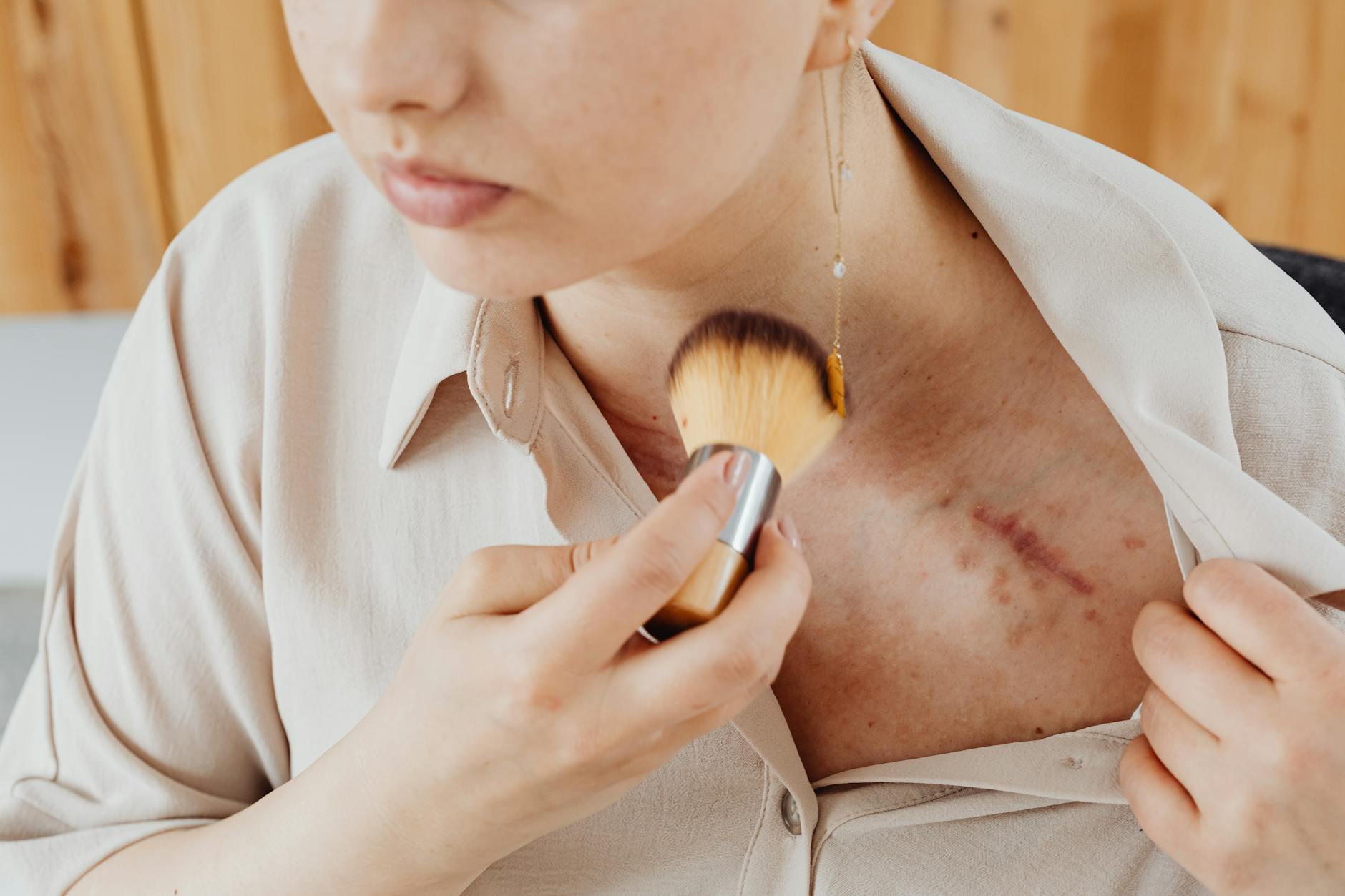
Makeup can usually cover residual redness after day 5-7, though some pink tone lingers for 2-4 weeks. Compared to alternatives: microneedling requires 6-8 sessions to match one NovaPulse session in effectiveness, but involves minimal downtime (just 24-48 hours of mild redness). Subcision combined with filler addresses deeper scars but doesn’t improve skin texture and requires filler replacement every 6-12 months. Erbium:YAG laser offers faster recovery than CO2 but is less effective for deep scars. For someone wanting maximum results in minimum sessions, NovaPulse CO2 is superior—but if downtime is absolutely impossible, microneedling is the tradeoff you’d make.
What Are the Real Risks and Limitations of NovaPulse CO2 for Acne Scars?
Infection is rare but possible—the ablated skin is an open wound during healing, making infection risk higher than with non-invasive treatments. This is why post-treatment care matters: proper cleansing and avoiding contaminated environments (pools, hot tubs, very dusty places) is essential for 7-10 days. Scarring from the treatment itself is uncommon when performed by experienced providers, but overly aggressive settings or poor healing can cause new scar formation. Hypopigmentation (white spots) and hyperpigmentation (dark spots) are the most common lasting side effects. Hypopigmentation affects roughly 5-15% of patients and may improve slowly over months but can be permanent in darker-skinned individuals.
Herpes simplex virus reactivation can occur if you have a history of cold sores—the skin trauma triggers dormant virus, causing painful blistering. This is preventable with prophylactic antiviral medication (acyclovir) started before treatment. Prolonged erythema (redness lasting 6+ months) affects a small percentage of patients, particularly those with rosacea or sensitive skin. Additionally, CO2 laser isn’t effective on active acne—you need clear skin to treat scars safely, so active breakouts must be controlled first. Someone still struggling with frequent breakouts will see new scars form while treating old ones, making the investment less worthwhile.

How Many Sessions Do You Realistically Need, and What’s the Timeline?
Most patients need 2-4 sessions for meaningful results, spaced 6-8 weeks apart. After one session, you might see 30-40% improvement; the second session often delivers 50-65% total improvement. A third session targets remaining texture irregularities and deeper residual scars. Someone with severe acne scarring might need 4 sessions, though diminishing returns start to appear after the third—each additional session provides less noticeable benefit than the previous one.
The total treatment timeline spans 4-6 months from first to final session, then another 3 months for full collagen remodeling to complete, meaning realistic expectations for “final results” are 7-9 months from your first appointment. Cost typically ranges from $1,500-$3,500 per session, so a full treatment course (3 sessions) runs $4,500-$10,500 depending on treatment area size and provider location. Most insurance doesn’t cover cosmetic laser treatments, though occasional exceptions exist if scarring is severe enough to be considered reconstructive. A patient in New York City will pay more than the same treatment in a smaller city, and board-certified dermatologists charge more than non-dermatologist providers, though expertise correlates with better results and lower complications.
What Long-Term Results Look Like and Whether Results Improve Over Time
Results continue improving for 6-12 months after your final laser session as collagen remodeling progresses. Many patients report their best results at the 6-month mark, with gradual stabilization thereafter. The collagen rebuilding doesn’t continue indefinitely—eventually your skin reaches a plateau where scars remain improved but don’t improve further.
The good news is that improvement appears to be long-lasting: studies show stable or improved results at 2-3 year follow-up, meaning you’re not paying for temporary improvement that fades away. As you age, your skin naturally loses collagen and elastin, which can cause previously improved scars to become slightly more visible over 5-10 years—not because the laser treatment failed, but because of normal aging. Some patients elect repeat sessions every 3-5 years to maintain results, though this is optional rather than necessary. The framework you’ve rebuilt with NovaPulse CO2 treatment provides lasting structural improvement that aging affects much more slowly than your original scarring would have changed.
Conclusion
NovaPulse CO2 fractional laser resurfacing is one of the most effective non-surgical treatments for acne scarring, particularly for rolling and boxcar scars, delivering 40-70% visible improvement over a 3-6 month period with 2-4 treatment sessions. The fractional delivery system balances powerful results with manageable downtime—red, swollen skin for 3-7 days followed by 2-4 weeks of residual pinkness is the standard recovery. Understanding what you’re realistically getting (significant improvement, not complete erasure) and being prepared for the 7-9 month timeline from first session to final results helps set accurate expectations.
Before committing to NovaPulse CO2, ensure your acne is controlled, discuss your specific scar types and skin tone with your provider to understand realistic outcomes, and confirm your provider has substantial experience with CO2 laser treatment. If your scars are severe or mixed types, ask whether combination treatment (subcision plus laser, or filler plus laser) might deliver better results than laser alone. The investment in treatment is substantial, but for moderate to severe scarring that hasn’t responded to gentler treatments, NovaPulse CO2 offers results that justify the time and cost.