
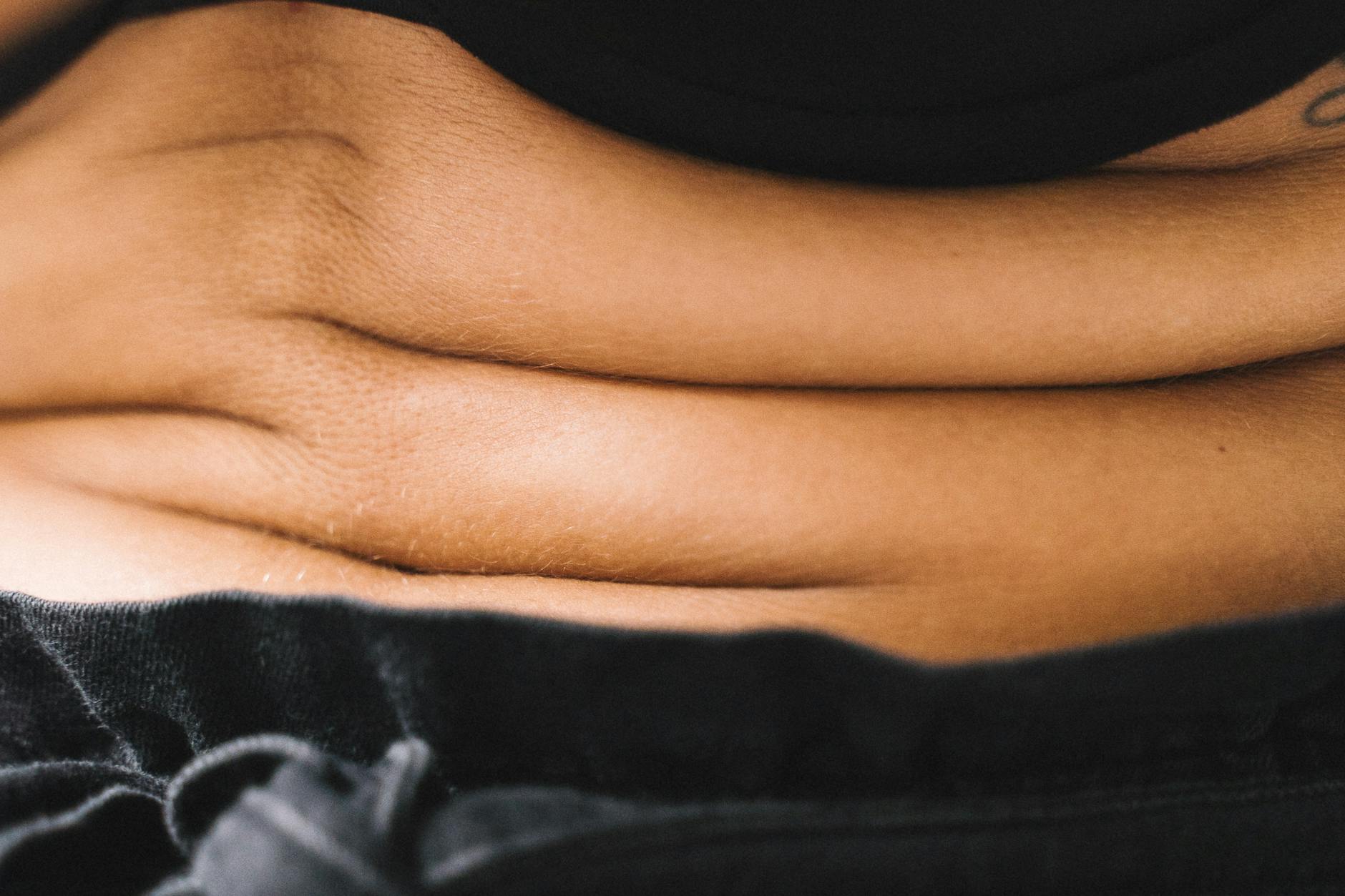
BodyTite is not actually used for severe back acne scarring—and this is an important distinction many people misunderstand. While BodyTite is a sophisticated radiofrequency technology, it’s specifically designed for body contouring and skin tightening through fat removal, not for treating acne scars. The confusion often arises because BodyTite does involve radiofrequency energy and works on skin tightness, so some assume it could address scarring.
However, the acne scar treatment that actually employs radiofrequency technology is fractional radiofrequency microneedling (FRM), a completely different treatment modality. Understanding the distinction between these technologies is crucial for anyone considering treatment for back acne scars, as choosing the wrong procedure could waste time and money on an unsuitable solution. This article clarifies why BodyTite isn’t used for acne scarring, explains what BodyTite actually does, and covers the radiofrequency technology that is proven effective for acne scars. We’ll also explore why this confusion exists and what your actual options are for treating severe back acne scarring.
Table of Contents
- What Is BodyTite and How Does It Actually Work?
- The Key Difference Between BodyTite and Fractional Radiofrequency Microneedling
- Why People Confuse BodyTite with Acne Scar Treatments
- What Actually Works for Severe Back Acne Scarring
- BodyTite Costs and Why It’s Not Worth It for Acne Scars
- When Skin Tightening Might Be Relevant to Back Acne Scars
- Moving Forward—Getting the Right Treatment for Back Acne Scarring
- Conclusion
What Is BodyTite and How Does It Actually Work?
BodyTite is a minimally invasive radiofrequency-assisted lipolysis device primarily designed for fat removal and skin tightening in areas like the abdomen, flanks, arms, and thighs. The procedure works by inserting a thin cannula beneath the skin that emits radiofrequency energy at an optimal temperature of 69°C, simultaneously breaking down fat cells while contracting the surrounding tissue. This dual action creates skin tightening and reshaping without the extensive downtime of traditional surgical liposuction. The tissue contraction effect—typically ranging from 25 to 45% at 6 to 12 months—is where people sometimes mistakenly think BodyTite could help with scarring.
However, skin tightening is fundamentally different from scar remodeling. While BodyTite contracts and tightens skin, it doesn’t address the underlying structural damage of acne scars—the depressed or pitted areas left behind by severe inflammation. Acne scars involve collagen loss and abnormal healing patterns in the dermis; tightening the skin surface doesn’t restore lost dermal structure or smooth out these indentations. This is why dermatologists don’t recommend BodyTite for scar treatment, even though it does work with radiofrequency energy.

The Key Difference Between BodyTite and Fractional Radiofrequency Microneedling
The radiofrequency technology actually used for acne scarring is fractional radiofrequency microneedling (FRM), and it operates on a completely different principle than BodyTite. FRM combines radiofrequency energy with microneedling—tiny needles create controlled micro-injuries in the skin, triggering the body’s natural healing response and collagen remodeling. This process targets the scar tissue directly, stimulating new collagen production to fill in depressed scars and improve overall skin texture. According to 2025 dermatological research, fractional radiofrequency microneedling is now “considered the new standard for treating acne scarring, particularly in individuals with darker skin types” and shows high efficacy as a monotherapy for scar management.
The critical distinction is that BodyTite removes fat and tightens skin, while FRM remodels scar tissue through controlled injury and healing. Someone with back acne scarring needs the tissue remodeling that FRM provides, not the fat removal that BodyTite does. If a patient were to undergo BodyTite thinking it would improve acne scars, they would be paying thousands of dollars for a procedure that addresses a problem they don’t have. This is a cautionary example of why terminology matters in aesthetic medicine—”radiofrequency” devices aren’t interchangeable just because they share the same energy source.
Why People Confuse BodyTite with Acne Scar Treatments
The confusion between BodyTite and acne scar treatments likely stems from several sources. First, BodyTite is a radiofrequency technology, and radiofrequency devices are used in dermatology for various skin concerns—so consumers reasonably assume RF might treat multiple issues. Second, BodyTite does improve skin appearance through tightening, which might seem relevant to scars. Third, marketing and online forums sometimes blur the lines between different radiofrequency treatments, and misinformation can spread if someone confuses BodyTite with FRM without understanding the technical differences. Additionally, BodyTite can be used on the back for body contouring (fat reduction), so a patient with severe back acne scarring might wonder if the same tool addresses both concerns.
However, checking the clinical evidence quickly clarifies the distinction. BodyTite is marketed and studied for body contouring and skin tightening, with published data on efficacy for fat removal and tissue contraction. Acne scar treatment using radiofrequency refers specifically to fractional RF microneedling, which has its own robust clinical evidence base. The two treatments address different anatomical problems and produce different results. Understanding this difference is the first step in getting appropriate care for back acne scarring.

What Actually Works for Severe Back Acne Scarring
For severe back acne scarring, fractional radiofrequency microneedling has emerged as the gold standard treatment. This technology combines the collagen-remodeling benefits of microneedling with radiofrequency energy, creating a more powerful effect than microneedling alone. The procedure triggers the body’s healing response specifically in scar tissue, promoting new collagen deposition and gradually filling in depressed or atrophic scars.
FRM is effective for various scar types and shows particular advantage in darker skin types, where more traditional laser treatments may pose increased risk of hyperpigmentation or hypopigmentation. Other radiofrequency microneedling devices and fractional laser treatments may also be suitable depending on scar type and depth, but FRM represents the current standard of care according to dermatological literature. For someone with severe back acne scars, the starting point should be a consultation with a dermatologist who can assess the specific scar pattern, depth, and skin type, then recommend FRM or a comparable scar-specific treatment. This is categorically different from BodyTite, which would not address the scars at all and would be an inappropriate use of resources.
BodyTite Costs and Why It’s Not Worth It for Acne Scars
BodyTite procedures average $7,384, with a typical range of $3,000 to $15,249 depending on the treatment area and surgeon expertise. On RealSelf, the procedure has an 83% “Worth It” rating from patients seeking body contouring—which is excellent for that specific use case. However, this cost and rating mean nothing for acne scar treatment because BodyTite simply doesn’t treat acne scars. A patient paying thousands of dollars for BodyTite hoping to improve back acne scarring would be wasting money on a body contouring procedure when their actual concern requires scar-specific treatment.
This is a critical limitation to understand: BodyTite is cost-effective and well-regarded for fat removal and skin tightening in specific body areas. But using it off-label for acne scars would be inappropriate and ineffective. The investment would not produce results for the intended concern. Instead, consulting with a dermatologist about FRM or comparable scar treatments, which are designed specifically for acne scar remodeling, ensures that money spent actually addresses the problem. Results from appropriate scar treatments can be significant and lasting, whereas BodyTite would produce zero scar improvement.

When Skin Tightening Might Be Relevant to Back Acne Scars
While BodyTite doesn’t treat acne scars, skin tightening does occasionally complement scar treatments in certain scenarios. For example, if someone has both significant back acne scarring and loose or sagging skin from weight loss or aging, a comprehensive treatment plan might include fractional RF microneedling to address scars plus additional skin-tightening treatments to improve overall contour. However, these would still be separate procedures addressing separate concerns, and BodyTite would not be the preferred choice for scar treatment even in this context.
In the back area specifically, if a patient has loose skin from major weight loss plus acne scarring, a dermatologist or plastic surgeon might recommend FRM for the scars and possibly other radiofrequency tightening or skin resurfacing modalities. But the scar treatment remains the priority, and FRM is more effective for that specific concern than BodyTite. Combining treatments makes sense when addressing multiple issues, but each treatment should be selected based on its evidence for that specific problem.
Moving Forward—Getting the Right Treatment for Back Acne Scarring
The path forward for severe back acne scarring begins with a clear-eyed assessment of what treatment actually addresses the problem. BodyTite is not that treatment. Fractional radiofrequency microneedling, supported by recent clinical evidence as the new standard of care for acne scars, is the appropriate place to start.
A consultation with a dermatologist who specializes in scar treatment will include evaluation of scar depth, type, and distribution, plus assessment of skin type to determine if FRM is ideal or if alternative technologies might be preferable. As scar treatment technology continues to evolve, fractional RF microneedling is likely to remain central to acne scar management, particularly because it performs well across skin tones and addresses multiple scar morphologies. For anyone researching back acne scar options and encountering mentions of BodyTite, remember that it is not a scar treatment. Redirect that research toward FRM and dermatological assessment, and you’ll be on the correct path toward meaningful improvement.
Conclusion
BodyTite is sometimes mentioned in conversations about back acne scarring due to the general confusion around radiofrequency treatments and what they can address. However, BodyTite is a body contouring and fat removal device, not a scar treatment, and it will not improve acne scars. The radiofrequency technology actually proven effective for acne scar remodeling is fractional radiofrequency microneedling (FRM), which operates on completely different principles—using controlled micro-injuries and radiofrequency energy to stimulate collagen remodeling in scar tissue.
Understanding this distinction is essential for directing time and resources toward treatments that actually work. If you have severe back acne scarring, the appropriate next step is a consultation with a board-certified dermatologist who can assess your scar pattern and recommend fractional RF microneedling or other scar-specific treatments. Avoid the common pitfall of assuming that any radiofrequency procedure treats all skin concerns—each device is designed for specific problems, and scar treatment requires scar-specific technology.