
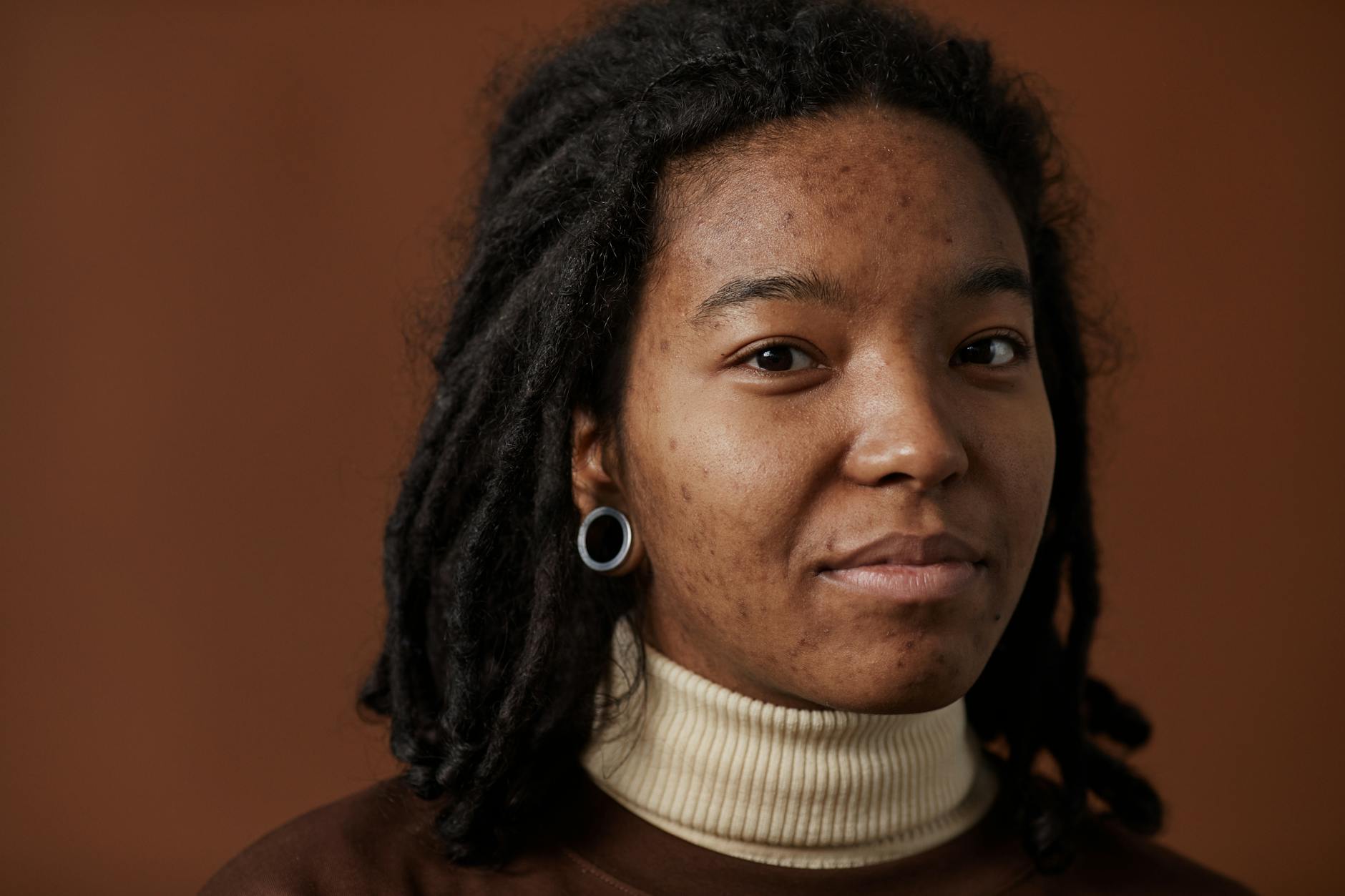
Recent research has confirmed what many acne sufferers have long suspected: anxiety and acne are directly connected. A comprehensive meta-analytic review examining 42 studies found a significant association between acne vulgaris and anxiety disorders (r = 0.25, 95% CI: 0.19-0.31), providing the first large-scale evidence that this relationship is not coincidental but measurable and consistent across diverse patient populations. If you’ve experienced the spiral of developing acne, feeling anxious about your appearance, and then watching that anxiety potentially worsen your skin, you’re observing a real physiological and psychological phenomenon that dermatologists and mental health researchers are now taking seriously.
The scope of this problem extends beyond isolated cases. A global analysis spanning 1961 to 2023 found that among acne patients, anxiety rates reach 29%, depression affects 22%, and suicidal thoughts occur in 12% of cases. These aren’t minor side effects or cosmetic concerns—they represent genuine mental health comorbidities that require clinical attention. This article explores the emerging research on the acne-anxiety connection, examines the biological mechanisms at play, and discusses what these findings mean for treatment approaches and patient care.
Table of Contents
- How Strong Is the Acne-Anxiety Relationship?
- The Prevalence of Anxiety in Acne Patients: What the Numbers Tell Us
- The Brain-Skin Connection: How Anxiety and Acne Influence Each Other
- Quality of Life Impact: Beyond Just Physical Symptoms
- Gender, Stigma, and Psychological Vulnerability
- Treatment Implications: Why Aggressive Management Matters
- The Future of Integrated Acne and Mental Health Care
- Conclusion
How Strong Is the Acne-Anxiety Relationship?
The evidence demonstrating a link between acne severity and anxiety symptoms is substantial and consistent. In clinical studies, stress showed the strongest correlation with acne severity (r = 0.758), followed closely by anxiety (r = 0.661) and depression (r = 0.630). These aren’t weak statistical associations—they indicate moderate to strong relationships where increases in anxiety genuinely correspond with worsening acne symptoms. For example, a patient experiencing moderate anxiety symptoms would be statistically more likely to report moderate acne severity, and this pattern holds across multiple independent research cohorts.
What makes these findings particularly important is that anxiety doesn’t just correlate with having acne; it correlates with how severe the acne is. The meta-analytic data shows this isn’t about acne causing everyone some baseline level of worry. Instead, patients with more pronounced anxiety disorders show higher rates of acne, and patients with more visible acne report higher anxiety. The relationship appears bidirectional—acne worsens anxiety, and anxiety worsens acne. One limitation worth noting: correlation studies can’t definitively establish which comes first or how much each factor contributes relative to other variables like genetics, diet, or hormonal fluctuations.

The Prevalence of Anxiety in Acne Patients: What the Numbers Tell Us
When researchers systematically assess anxiety symptoms in people diagnosed with acne, the prevalence data is striking. Approximately 26.2% of people with acne meet diagnostic criteria for anxiety symptoms, which is substantially higher than the general population baseline. Even more concerning, a 2024 study found that 70.20% of acne patients experienced occasional anxiety specifically about their appearance—a rate far higher than those without acne. This distinction is important: not everyone with acne develops a clinical anxiety disorder, but the vast majority experience appearance-related anxiety at some point.
Gender differences also emerge in the data. Female acne patients showed significantly higher anxiety levels compared to males (p < 0.001), suggesting that the psychosocial burden of acne may be distributed unequally. This could reflect various factors including different social pressures around appearance, differences in how acne manifests on visible areas (females more likely to have facial acne in some studies), or biological sex differences in stress hormone responsiveness. However, one important caveat: anxiety levels in acne patients are still modifiable through intervention, meaning higher baseline anxiety doesn’t predict unchangeable outcomes. Effective acne treatment, particularly aggressive early intervention, can help reduce both skin symptoms and associated anxiety.
The Brain-Skin Connection: How Anxiety and Acne Influence Each Other
Recent research confirms what dermatologists have long theorized: stress-induced hormonal fluctuations disrupt skin physiology while simultaneously affecting mental health. This “brain-skin connection” operates through multiple pathways. When you experience anxiety, your body increases cortisol and adrenaline production, which can trigger increased sebum (oil) production, promote inflammatory responses in the skin, and even alter the composition of your skin microbiome. A 2025 frontier study examining the skin microbiome found that adolescent acne correlates with altered facial skin bacteria communities, suggesting the connection extends to the microbial level. The mechanism works in reverse as well. Visible acne lesions trigger self-consciousness and social withdrawal, which amplify anxiety and stress.
This creates a reinforcing loop: stress worsens acne, visible acne increases anxiety, and increased anxiety worsens acne further. A clinical example: a teenager develops moderate acne before an important social event. The prospect of attending with visible lesions creates anxiety. That anxiety spikes cortisol levels, potentially triggering more breakouts before the event. The visible worsening then intensifies anxiety. Breaking this cycle requires intervention at multiple points—treating the acne itself, managing stress and anxiety, and addressing the psychological impact of visible skin changes.
Quality of Life Impact: Beyond Just Physical Symptoms
The burden of acne-related anxiety extends to overall quality of life and daily functioning. Research found that quality of life was negatively correlated with anxiety levels in acne patients (p = 0.014), meaning higher anxiety directly corresponded with reduced quality of life ratings. Additionally, higher stigmatization scores in acne patients were associated with increased anxiety (r = 0.336, p < 0.001), demonstrating that perceived social judgment compounds the anxiety burden. This isn't about vanity—it's about functional limitations.
Acne sufferers with higher anxiety often report avoiding social situations, school activities, or workplace events where they might be visible to others. They experience sleep disruption from anxious rumination, difficulty concentrating due to preoccupation with their appearance, and reduced engagement in activities they previously enjoyed. A 2026 university study documented that acne causes psychosocial consequences in young adults that extend far beyond the physical skin condition itself. When comparing treatment approaches, this quality-of-life impact argues strongly for aggressive early acne treatment rather than a “wait and see” approach, since leaving acne untreated allows both the physical condition and associated anxiety to worsen simultaneously.
Gender, Stigma, and Psychological Vulnerability
The gender differences in anxiety levels among acne patients warrant specific attention in clinical practice. Female acne patients experience significantly higher anxiety compared to males, which likely reflects both biological factors (hormonal fluctuations, different patterns of acne distribution) and social factors (potentially greater appearance-based social pressure). This doesn’t mean male acne patients escape psychological burden—it means the burden may manifest differently or through different triggers. However, clinicians should be aware that female patients presenting with acne may require more careful assessment for anxiety comorbidities.
Stigmatization emerges as another critical vulnerability factor. Patients who perceive high social stigma around their acne experience substantially higher anxiety. This is particularly important because stigma perception isn’t always proportional to objective acne severity—some patients with mild acne feel highly stigmatized while others with severe acne maintain better psychological resilience. A limitation in current practice: dermatologists don’t always screen for anxiety or assess perceived stigma, yet these psychological factors significantly influence outcomes and quality of life. Clinical guidelines increasingly recommend that dermatologists pursuing aggressive acne treatment should simultaneously consider psychiatric screening or mental health referrals, particularly for patients showing signs of depression, anxiety, or body dysmorphic symptoms.
Treatment Implications: Why Aggressive Management Matters
Given the documented link between acne severity and anxiety, clinical recommendations have evolved. Rather than adopting a conservative “treat only severe cases” approach, current evidence suggests that aggressive early acne treatment serves dual purposes: clearing the skin and reducing anxiety burden. Patients who receive prompt, effective acne treatment often report not only improved skin but also measurable reductions in anxiety symptoms and improved quality of life metrics.
This has practical implications for treatment selection. A patient presenting with moderate acne and notable anxiety symptoms should not be counseled to “wait and see if it improves on its own.” Instead, early intervention with effective treatments—whether topical retinoids, oral medications, or other evidence-based options—helps prevent the anxiety burden from intensifying while the acne remains visible. The research supports this approach: treating the acne itself becomes a form of anxiety management, not just a cosmetic intervention.
The Future of Integrated Acne and Mental Health Care
As research continues to document the acne-anxiety connection, dermatology practice is shifting toward a more integrated model. Rather than treating acne as purely a skin condition and anxiety as purely a mental health issue, forward-thinking clinics are addressing both simultaneously.
This might involve dermatologists screening for anxiety, maintaining relationships with mental health providers for patient referrals, and educating patients about the bidirectional nature of the acne-anxiety relationship. The 2025-2026 research wave has strengthened the evidence base considerably, moving the acne-anxiety connection from “suspected but not proven” to “documented and clinically significant.” As this evidence filters into practice guidelines and clinical training, we should expect to see more comprehensive acne treatment protocols that address both skin and psychological health. Patients presenting with acne now have stronger justification for requesting mental health assessment and support as part of their dermatological care.
Conclusion
The acne-anxiety connection is no longer speculative—it’s supported by meta-analyses, prevalence studies, and mechanistic research demonstrating consistent, measurable relationships. Approximately one in four acne patients meets criteria for anxiety disorders, over two-thirds experience appearance-related anxiety, and anxiety levels directly correlate with acne severity and reduced quality of life. The connection appears bidirectional, with stress worsening acne through hormonal and inflammatory pathways while visible acne increases anxiety through social and psychological mechanisms.
If you’re struggling with acne and anxiety, understanding this connection validates your experience and points toward more comprehensive treatment approaches. Work with dermatologists who take the psychological burden seriously, consider mental health support alongside skin treatment, and recognize that aggressive early acne treatment serves your psychological wellbeing as well as your skin health. The emerging research suggests that addressing acne promptly can reduce anxiety burden, while managing anxiety can help prevent stress-induced acne worsening—making integrated treatment your most effective path forward.