
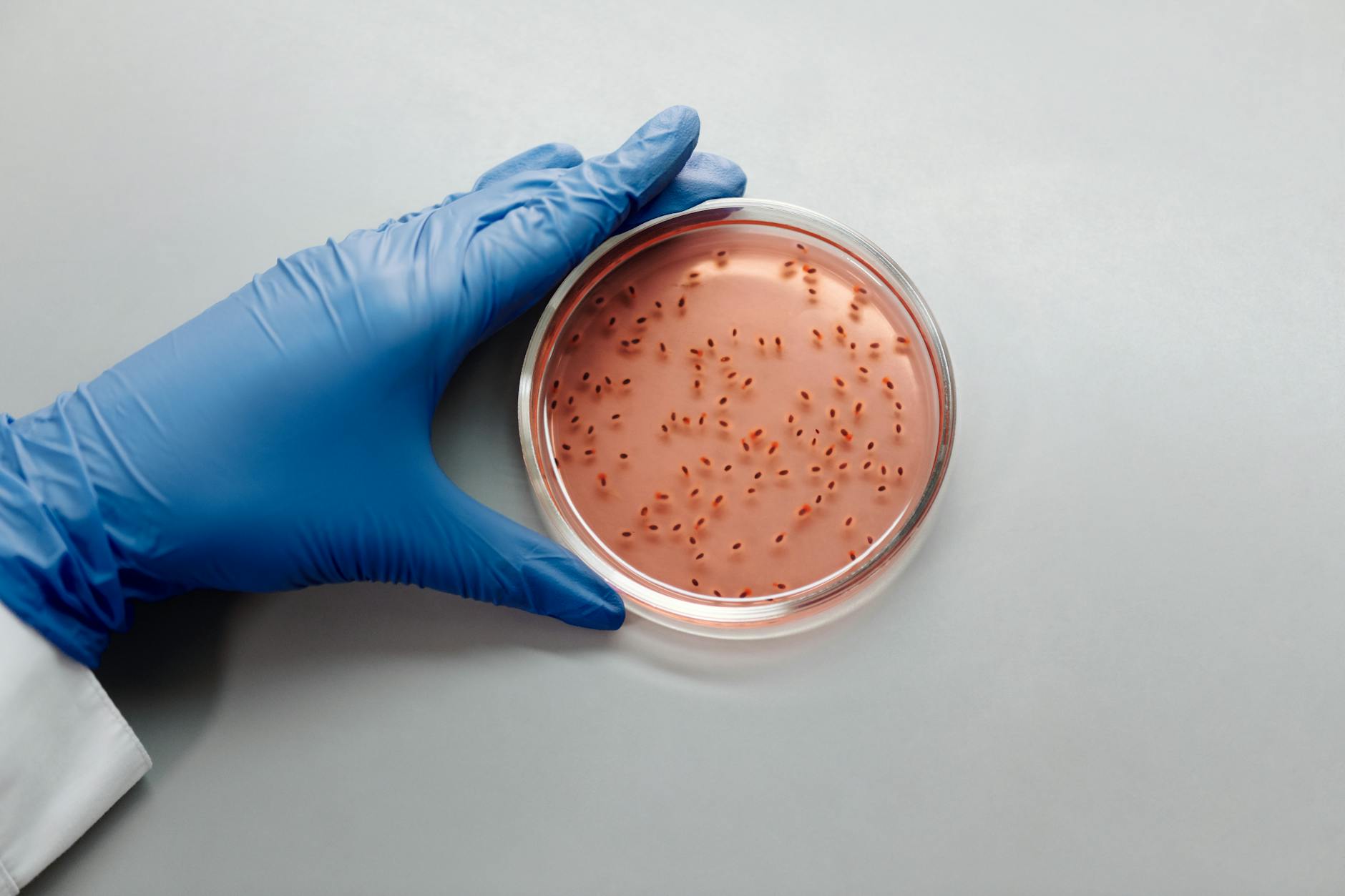
Recent research from MIT has revealed what makes acne persistent in some people: specific strains of *Cutibacterium acnes* bacteria establish themselves during the teenage years and create an inflammatory environment that standard treatments often fail to fully resolve. The study, published in May 2025, shows that acne-prone skin contains different bacterial strains than clear skin—not just more bacteria, but fundamentally different types that produce higher levels of toxins and inflammatory compounds. This discovery is shifting how dermatologists think about acne treatment, moving away from the broad-spectrum antibiotic approach that has dominated for decades toward targeted, strain-specific therapies that could work far more effectively. This article covers how scientists identified these problematic strains, why they persist, what makes them different from beneficial bacteria on the skin, and what new treatment approaches this research is opening up.
Table of Contents
- What Exactly Is the New Bacteria Strain Scientists Discovered?
- How and When Do People Acquire These Problem Strains?
- Why Is Acne-Prone Skin Fundamentally Different at the Bacterial Level?
- What Do These Findings Mean for How Acne Should Be Treated?
- Are All Cutibacterium Acnes Strains Actually Problematic?
- The Bigger Picture—Understanding the Microbiome Shift from Broad-Spectrum to Precision Medicine
- What’s Next—When Will These New Treatments Become Available?
- Conclusion
What Exactly Is the New Bacteria Strain Scientists Discovered?
The bacterium in question isn’t entirely new to science—it’s *Cutibacterium acnes* (previously called *Propionibacterium acnes*), which researchers have known about for years. What’s new is the understanding that within this single species, there are distinct strains that behave very differently. MIT researchers identified that acne-prone skin is dominated by specific “acnegenic” phylotypes, particularly the IA1 strain, which produces significantly higher levels of bacterial toxins and genes associated with inflammation compared to the strains found on clear skin. Think of it like comparing different varieties of yeast—they’re all yeast, but some make bread rise while others ferment beer, and their characteristics are fundamentally different at the genetic level. The critical finding is that not all *C.
acnes* strains cause problems. Clear skin also hosts *C. acnes* bacteria, but in different proportions and with different genetic profiles. This means the bacteria itself isn’t the enemy—specific variants are the issue. This distinction is crucial because it explains why some people can have high bacterial counts but clear skin, while others develop persistent acne despite using antibiotics that should kill the bacteria.
How and When Do People Acquire These Problem Strains?
The timing of strain acquisition is what makes this research particularly important: new strains of *C. acnes* are primarily acquired during early teenage years, typically during puberty when hormonal changes are driving increased oil production. After the teenage years pass, the bacterial population on your skin becomes remarkably stable—even if you’re exposed to different strains from other people, your skin’s microbial ecosystem resists colonization by new bacteria. This means that if you establish a problematic bacterial population during adolescence, that population tends to persist into adulthood unless actively addressed.
However, there’s an important limitation to this finding: the research shows the bacterial population becomes stable, not unchangeable. This doesn’t mean treatment is impossible in adulthood; it means that simple exposure to other bacteria won’t naturally cure acne acquired during the teenage years. Someone who had clear skin during their teen years but develops acne in their 20s or 30s likely has a different underlying cause—possibly hormonal fluctuations, dietary changes, or stress-related factors—rather than new strain acquisition. This distinction matters because it changes how dermatologists should approach acne that appears suddenly in adults.
Why Is Acne-Prone Skin Fundamentally Different at the Bacterial Level?
Acne-prone skin exhibits three interconnected bacterial characteristics that distinguish it from clear skin. First, it shows predominant proliferation of specific acnegenic phylotypes like IA1, meaning these problematic strains have essentially won the competition for resources on the skin surface. Second, acne-prone skin displays reduced overall phylotypic diversity—fewer different bacterial species and strains occupy the skin. Third, and most importantly, the bacteria on acne-prone skin produce higher levels of genes encoding bacterial toxins and pro-inflammatory compounds that trigger the immune system response we experience as acne.
To understand this concretely, imagine a healthy skin microbiome as a balanced garden with many plant species—some feed the soil, some prevent pests, some create shade. Acne-prone skin is like a garden where one aggressive weed has taken over, crowding out beneficial plants and releasing compounds that irritate the soil. The bacterial ecosystem has shifted toward dominance by strains that actively harm skin health rather than coexisting peacefully. This is why acne is fundamentally different from other skin bacteria problems—it’s not just an infection, it’s an ecological imbalance where the wrong strains have won the competitive battle.

What Do These Findings Mean for How Acne Should Be Treated?
The MIT research directly points toward three new treatment strategies that represent a major departure from current acne medicine. The first is targeted probiotic formulations—rather than killing all bacteria with antibiotics, dermatologists could introduce beneficial *C. acnes* strains that occupy skin space and prevent the pathogenic variants from thriving. The second is strain-specific vaccines, which would train the immune system to specifically target the IA1 and other problematic strains while leaving beneficial bacteria untouched. The third is precision antimicrobial strategies that can eliminate pathogenic strains while preserving the beneficial commensal strains that support healthy skin.
These approaches contrast sharply with the current standard of broad-spectrum oral and topical antibiotics, which kill *all* bacteria indiscriminately. The problem with this approach is that it creates a temporary opening for new bacterial colonization and may contribute to antibiotic resistance over time. A strain-specific approach would be like hiring a security guard trained to recognize one specific criminal rather than hiring someone to arrest anyone who looks suspicious—far more effective and far fewer unintended consequences. However, it’s important to note that these new therapies are still in research phases and not yet available in standard dermatology practice. Most people with acne today will still rely on conventional treatments like retinoids, benzoyl peroxide, and antibiotics while researchers work to translate these findings into clinical applications.
Are All Cutibacterium Acnes Strains Actually Problematic?
No—and this is a critical point that changes how we should think about acne prevention and treatment. The MIT research explicitly distinguishes between pathogenic strains that cause acne and beneficial commensal strains that coexist peacefully on human skin. This means that having *C. acnes* on your skin is normal and expected; what matters is which specific strains you’re hosting. Someone with clear skin and someone with severe acne might have similar total bacterial counts, but completely different strain compositions.
One person’s bacterial population is composed primarily of non-inflammatory strains, while the other’s is dominated by the acnegenic IA1 variant. The limitation of current acne treatments is that many of them don’t distinguish between helpful and harmful bacteria. A broad-spectrum antibiotic wipes out both types equally, which is why acne sometimes recurs after antibiotic courses—the microbiome hasn’t been rebalanced toward beneficial strains, just temporarily cleared of all strains. Additionally, for people with clear skin, introducing acne-prone individuals’ bacteria won’t necessarily cause them to develop acne if their skin microbiome is dominated by non-pathogenic strains that maintain the ecological balance. This explains why acne isn’t simply contagious despite involving bacteria—the specific strain composition matters more than the total bacterial load.

The Bigger Picture—Understanding the Microbiome Shift from Broad-Spectrum to Precision Medicine
The MIT findings represent a broader shift in how medicine approaches bacterial infections: moving from “kill everything and hope the good stuff regrows” toward “understand the ecosystem and restore balance.” This philosophy has already transformed treatment approaches in other areas. For example, in gastrointestinal health, doctors have moved away from broad-spectrum antibiotics for many conditions toward targeted approaches that preserve beneficial gut bacteria. Acne research is following the same trajectory—recognizing that bacterial imbalance, not bacterial presence alone, drives disease.
This shift has real implications for how acne is managed going forward. Rather than prescribing a standard antibiotic course, dermatologists may eventually test a patient’s specific bacterial strains to determine whether they have the acnegenic variants, what non-pathogenic strains they host, and which targeted intervention would be most appropriate. A teenager with early signs of IA1 colonization might receive preventive probiotics years before acne becomes visible, while someone with acne caused primarily by hormonal factors rather than bacterial load would benefit from different treatments entirely. The research essentially gives dermatology a pathway to personalized medicine rather than one-size-fits-all protocols.
What’s Next—When Will These New Treatments Become Available?
The translation of this research into clinical practice will likely happen in stages. Probiotic formulations targeting *C. acnes* could potentially be developed relatively quickly since probiotics already have regulatory pathways established, though demonstrating safety and efficacy specifically for acne will require clinical trials. Strain-specific vaccines would take longer—likely several years for development and testing—but represent the most potentially transformative approach since they could prevent the bacterial colonization entirely if administered during adolescence.
Precision antimicrobial strategies are somewhere in the middle in terms of development timeline. The shift in treatment philosophy is already beginning to influence current practice. Dermatologists are increasingly cautious about long-term broad-spectrum antibiotic prescriptions and more likely to incorporate skin-friendly approaches like targeted retinoids and antimicrobial agents that have higher specificity. For people currently dealing with acne, this research validates that persistent acne isn’t a character flaw or hygiene issue—it’s a specific bacterial ecology problem that may one day be solvable through precision approaches rather than the blunt instrument of antibiotics.
Conclusion
Scientists have identified that persistent acne isn’t caused by *Cutibacterium acnes* bacteria alone, but by specific inflammatory strains of this bacterium that become established during the teenage years and then remain stable throughout life. This discovery changes how dermatologists should think about acne prevention and treatment—from killing all bacteria indiscriminately toward identifying which strains are present and selectively targeting the pathogenic ones while preserving beneficial bacteria. The research points toward three emerging treatment approaches: targeted probiotics, strain-specific vaccines, and precision antimicrobial strategies that could offer far more effective and side-effect-conscious options than current broad-spectrum antibiotic protocols.
For people currently experiencing acne, this research means that future treatment options will likely become more sophisticated and personalized, though these new approaches are still in development. In the near term, understanding that your acne is driven by specific bacterial strains helps explain why standard treatments sometimes work and sometimes don’t—the issue isn’t your skin or your hygiene, but the particular bacterial ecosystem on your skin. As this research advances into clinical practice over the coming years, dermatology will shift from a one-size-fits-all approach to precision medicine tailored to your individual bacterial profile, which should ultimately mean better outcomes and fewer side effects.