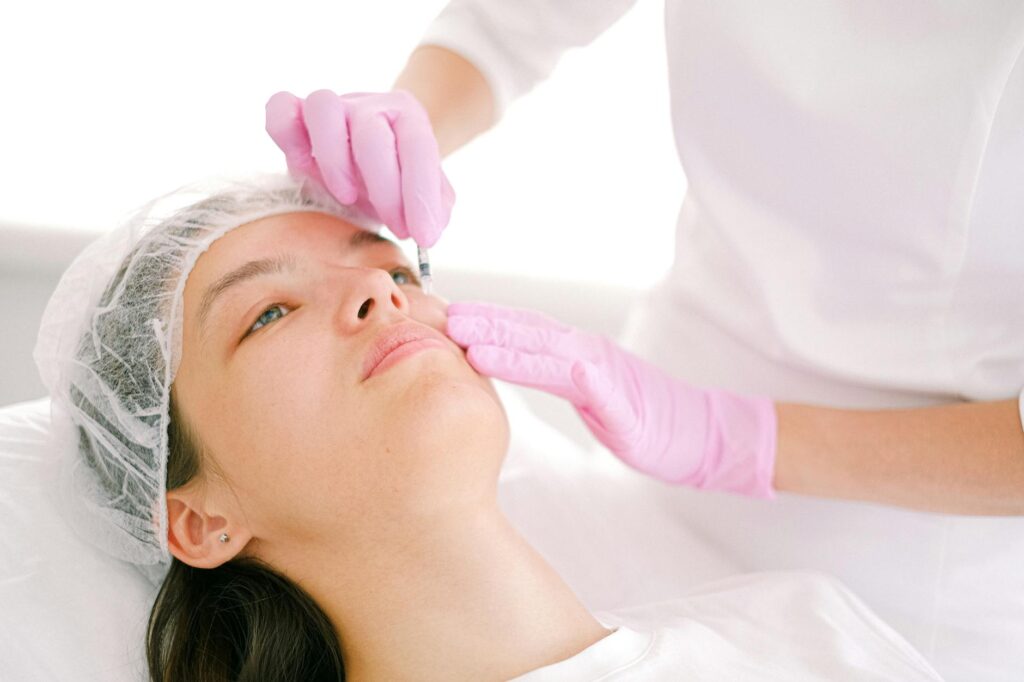
Dermatologists are reporting a significant and alarming trend: adult acne cases are rising globally, with a 66.6% increase in incidence recorded between 1990 and 2021. This isn’t a minor uptick—it reflects a fundamental shift in who is struggling with acne and when. What was once considered primarily a teenage problem has become increasingly common in people well into their twenties, thirties, and forties. The average age of acne onset has climbed from 20.5 years to 26.5 years over the past decade, meaning more adults are experiencing their first breakouts or prolonged battle with active acne than ever before.
This rising trend is particularly pronounced among women, who experience acne at rates of 23.6% compared to 17.5% for men. Women in their twenties see acne prevalence at 50%, dropping to 33% in their thirties and 25% in their forties. In the United States alone, nearly 50 million Americans are diagnosed with acne annually, with more than 3.5 million receiving a new diagnosis each year. This article explores why dermatologists are sounding the alarm, what’s driving this surge, and what adults dealing with acne need to know about their options.
Table of Contents
- Why Are Dermatologists Warning About Rising Adult Acne in 2026?
- The Gender Gap: Why Women Are Hit Harder by Adult Acne
- The Psychological Burden of Adult Acne
- The Modern Lifestyle Factors Driving the Surge
- Geographic Variation: Where Adult Acne Is Most Prevalent
- What Dermatologists Are Now Recommending for Adult Acne Treatment
- The Future of Adult Acne: Emerging Research and Prevention
- Conclusion
Why Are Dermatologists Warning About Rising Adult Acne in 2026?
The 66.6% increase in adult acne cases over three decades isn’t random—it represents a convergence of modern lifestyle factors that dermatologists are actively studying and discussing. The global prevalence of acne stands at 20.5%, with the highest concentrations among young adults aged 16 to 24 (28.3%) and those aged 25 to 39 (19.3%). What’s striking is that acne is no longer concentrated in adolescence.
The shift toward older age groups suggests that factors sustaining acne into adulthood are more prevalent now than in previous generations. The 2026 American Academy of Dermatology Annual Meeting featured increased clinical attention to this trend, reflecting how seriously the medical community views this shift. Dermatologists are emphasizing that adult acne demands different treatment approaches than teenage acne, since the underlying causes often differ. While teenage acne is typically driven by hormonal surges during puberty, adult acne often stems from persistent stress, hormonal imbalances unrelated to puberty, and environmental factors that weren’t present in previous decades.
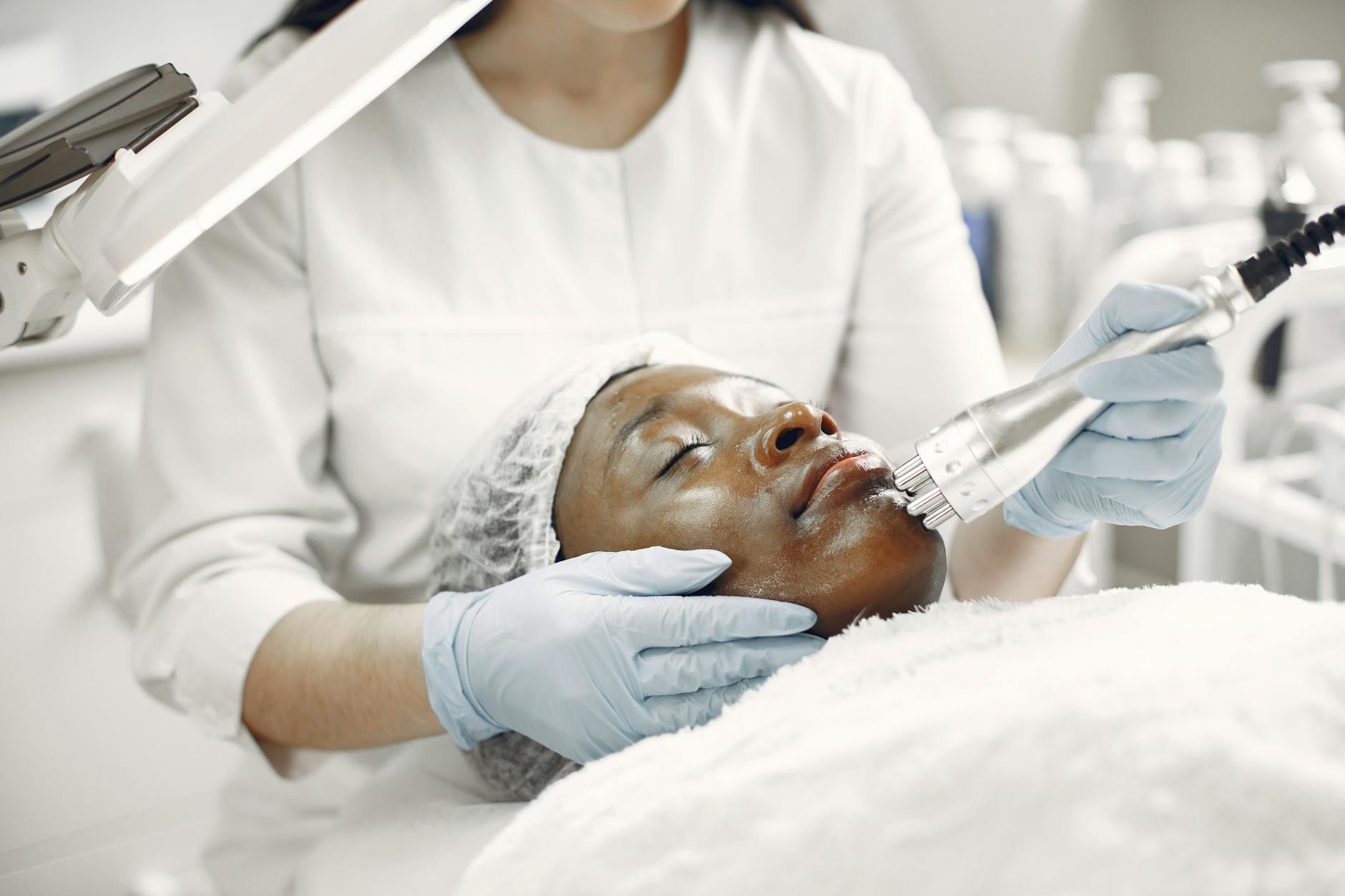
The Gender Gap: Why Women Are Hit Harder by Adult Acne
Women are disproportionately affected by adult acne, comprising 23.6% of acne cases globally compared to 17.5% for men. This disparity becomes even more pronounced when looking at specific age groups. Among women in their twenties, 50% experience acne. The rate decreases to 33% in their thirties, but even at 40 years old, one in four women still deals with active acne. Men, by contrast, typically see acne resolve more completely by their twenties, with significantly lower rates in subsequent decades.
The gender difference is largely attributable to hormonal factors. Women experience cyclical hormonal fluctuations throughout their menstrual cycle, and conditions like polycystic ovary syndrome (PCOS) or other endocrine disorders can trigger or worsen acne well into adulthood. However, hormones aren’t the only driver. Women are also more likely to use cosmetic products, skincare treatments, and sunscreens that may trigger or exacerbate acne in susceptible individuals. Additionally, hormonal contraceptives—while helpful for some women—can paradoxically trigger or worsen acne in others, creating a complex treatment landscape where finding the right solution requires careful medical guidance.
The Psychological Burden of Adult Acne
Beyond the physical breakouts, acne carries a significant psychological weight that dermatologists are increasingly recognizing as central to patient care. In studies examining the mental health impact of acne, 96% of acne sufferers reported experiencing depression related to their condition. Forty-six percent reported self-esteem issues, and 31% actively avoided social situations due to their skin. Among those with severe acne, 11% experienced depression serious enough to warrant clinical concern.
These psychological effects are particularly pronounced in adults because acne contradicts social expectations. While teenage acne is normalized and often temporary, adult acne is frequently perceived as a personal failure or sign of poor hygiene, even though neither assumption is accurate. A 25-year-old woman with cystic acne experiences not just physical discomfort but potential damage to professional relationships, dating confidence, and overall quality of life. Dermatologists stress that treatment decisions should factor in not just skin clearance but also mental health outcomes, meaning that even moderate acne may warrant aggressive treatment if it’s affecting psychological wellbeing.
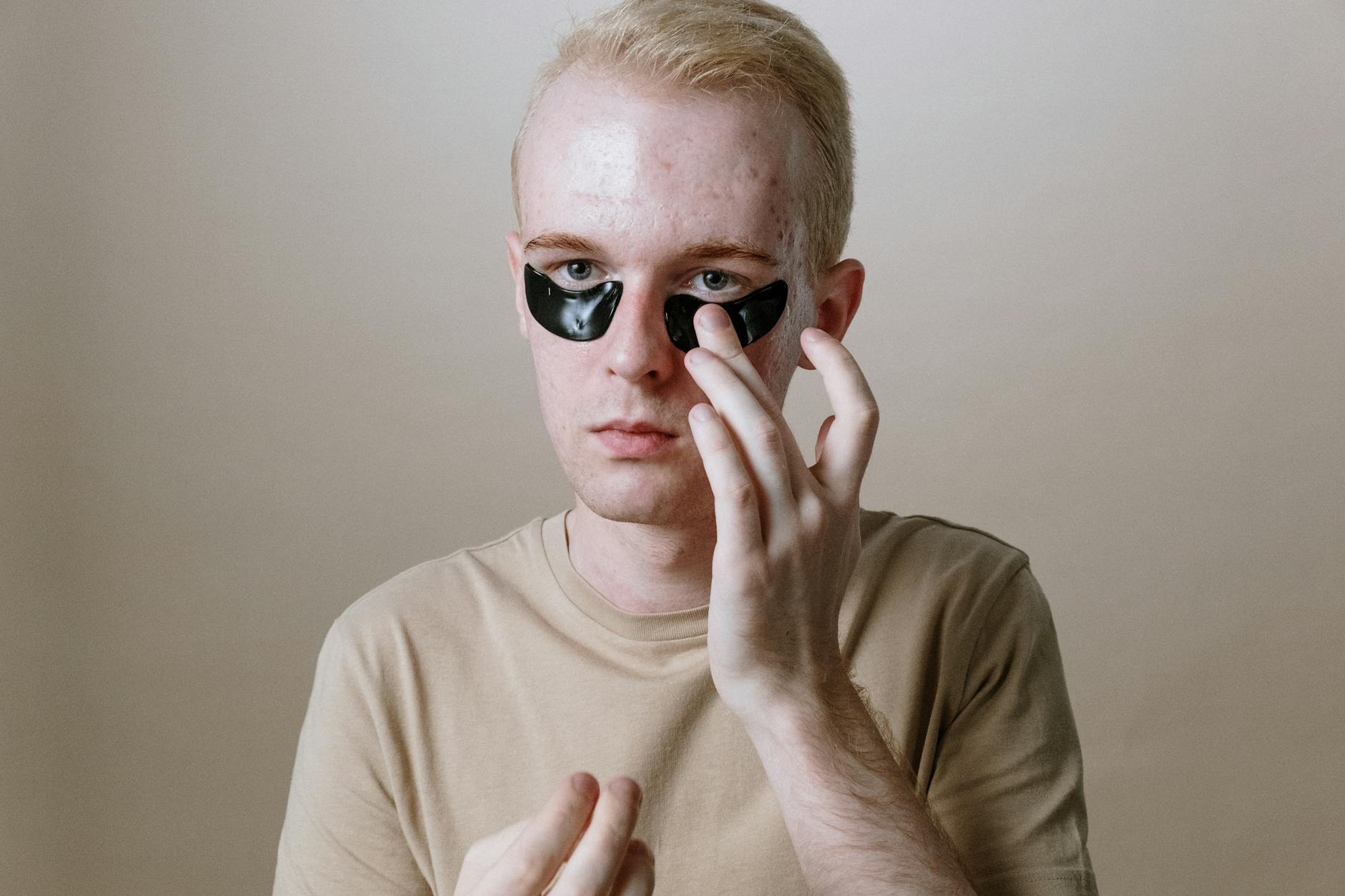
The Modern Lifestyle Factors Driving the Surge
Dermatologists have identified several interconnected factors contributing to the rise in adult acne cases. Hormonal imbalances top the list—but these aren’t always the natural hormonal shifts of puberty. Chronic stress elevates cortisol levels, which can trigger sebaceous glands to produce excess oil. Sleep deprivation compounds this effect by disrupting hormone regulation. Meanwhile, dietary patterns have shifted dramatically toward ultra-processed foods high in refined carbohydrates and low in micronutrients, both of which have been linked to increased acne severity in susceptible individuals.
Environmental contamination represents another underappreciated factor. Endocrine-disrupting chemicals found in plastics, pesticides, and certain personal care products can interfere with hormone regulation at the cellular level. These chemicals accumulate in the body over time, potentially worsening existing acne or triggering new breakouts in previously clear-skinned individuals. Unlike teenage acne, which resolves when puberty ends, adult acne driven by these modern lifestyle factors may persist indefinitely unless the underlying causes are addressed. This distinction is critical: topical treatments alone often fail to resolve adult acne completely because they don’t address hormonal imbalances, stress responses, or dietary deficiencies.
Geographic Variation: Where Adult Acne Is Most Prevalent
Acne prevalence varies dramatically by region, offering clues about environmental and lifestyle factors at play. Latin America has the highest acne prevalence at 23.9%, followed by East Asia at 20.2%, Africa at 18.5%, and the Middle East at 16.1%. Europe shows much lower prevalence at 9.7%, and Australia at 10.8%. These differences likely reflect combinations of genetics, climate (humidity and heat increase sebum production), dietary patterns, and access to dermatological care.
The high prevalence in Latin America and East Asia is noteworthy because these regions also have high rates of ultraviolet exposure and humidity, both of which exacerbate acne. Additionally, dietary patterns in these regions often include more processed foods and greater consumption of dairy products, both of which have been associated with increased acne risk. However, geography alone doesn’t determine acne risk—an individual’s genetics, stress levels, hormonal status, and personal skincare practices play equally important roles. Someone living in low-prevalence Europe could still develop severe adult acne if other risk factors are present.
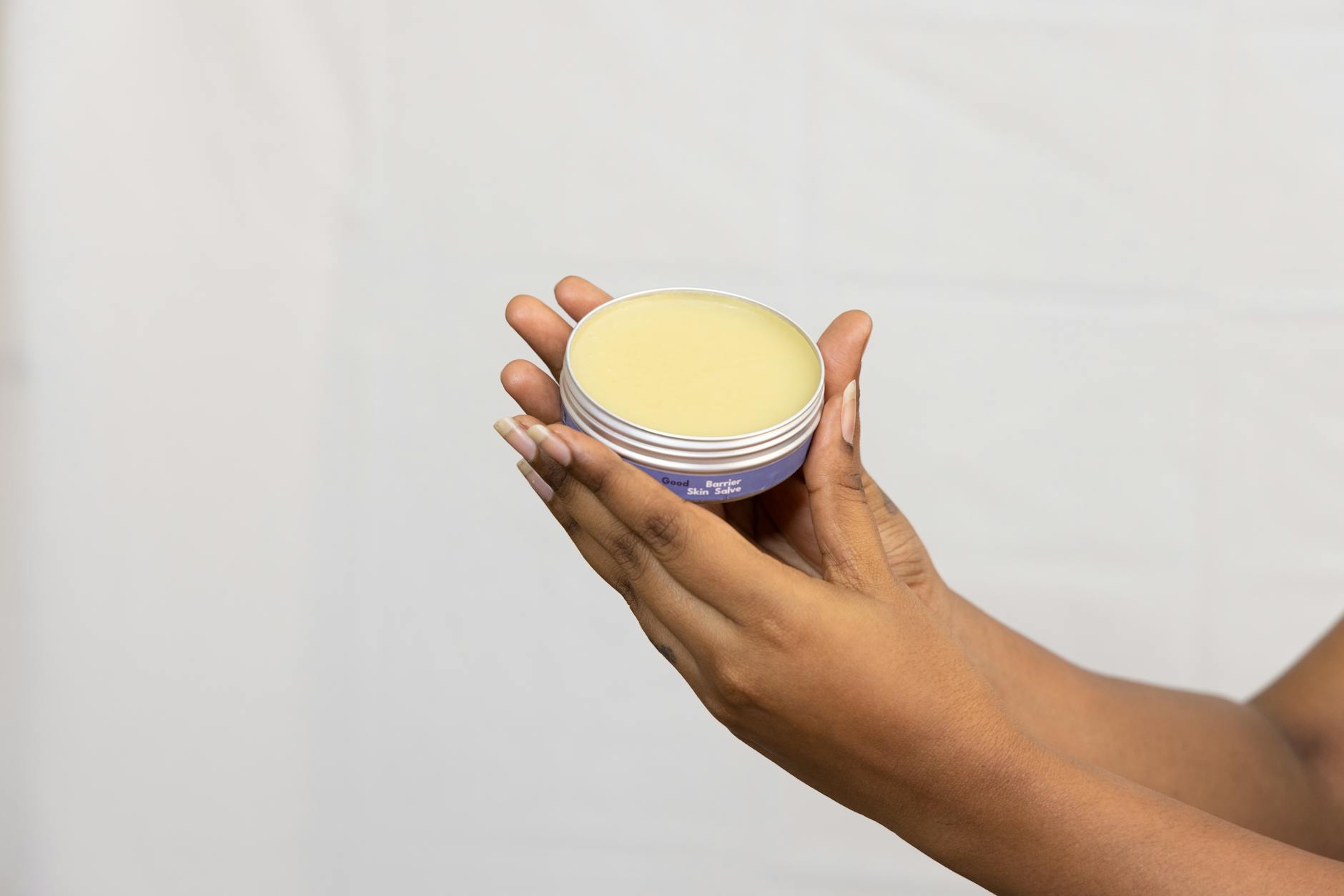
What Dermatologists Are Now Recommending for Adult Acne Treatment
Recognizing that adult acne differs fundamentally from teenage acne, dermatologists have shifted their treatment approaches. Rather than relying solely on topical retinoids and benzoyl peroxide—the traditional teenage acne toolkit—dermatologists now routinely assess hormonal status, particularly in women. Hormonal contraceptives that suppress androgens, such as those containing spironolactone or certain progestin types, have become first-line recommendations for many women with persistent acne.
For both men and women, dermatologists emphasize lifestyle modifications alongside pharmacological treatment. This includes stress management, improved sleep hygiene, dietary changes (reducing refined carbohydrates and increasing antioxidant-rich foods), and careful product selection to avoid pore-clogging ingredients. In cases where topical treatments and hormonal adjustments fail, oral antibiotics or isotretinoin (Accutane) remain options, though these carry their own considerations and potential side effects. The key shift is treating adult acne as a systemic issue rather than a skin-surface problem.
The Future of Adult Acne: Emerging Research and Prevention
As acne cases continue to rise, dermatologists are investing in research to better understand and prevent adult acne before it starts. Emerging evidence suggests that modifying diet, reducing exposure to endocrine-disrupting chemicals, and implementing stress-reduction practices during the teenage years might prevent or delay acne onset into adulthood.
Some dermatologists are also exploring targeted interventions for women with hormonal acne, including more precise androgen-blocking approaches and personalized medicine based on individual genetic and hormonal profiles. The recognition of adult acne as a rising public health issue is also prompting policy discussions around environmental regulation of endocrine-disrupting chemicals and greater insurance coverage for dermatological treatment. As awareness spreads that adult acne is increasingly common and driven by modern lifestyle factors rather than personal failings, stigma around seeking treatment should decrease, making it easier for millions of adults to access the care they need.
Conclusion
Dermatologists are warning of rising adult acne cases for good reason: the data is clear, the trend is accelerating, and the impact on millions of adults is significant. With a 66.6% increase in incidence over three decades, acne is no longer primarily a teenage concern. Women are especially affected, with nearly half of women in their twenties experiencing acne, and even a quarter experiencing it in their forties. The psychological burden is substantial, with depression, self-esteem issues, and social avoidance reported by the vast majority of those affected.
If you’re an adult experiencing acne, know that you’re far from alone—nearly 50 million Americans are diagnosed with it annually. The causes are multifactorial: hormonal imbalances, chronic stress, poor sleep, dietary patterns, and environmental toxins all play roles. Most importantly, adult acne is treatable, and treatment approaches are evolving. Consult with a dermatologist who understands that adult acne requires a different strategy than teenage acne, one that addresses underlying hormonal and lifestyle factors alongside topical or systemic medications. The rising awareness of this issue among medical professionals means better treatment protocols and greater recognition that adult acne is a legitimate health concern deserving of proper care.