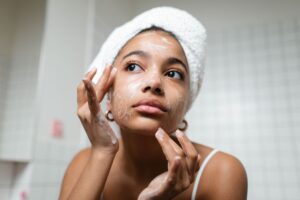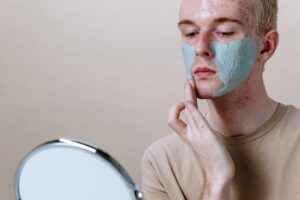
Your acne is resistant because bacteria on your skin have adapted to the medications you’ve been using, especially antibiotics. This happens when a single antibiotic is used long-term without combination therapy—bacteria develop genetic mutations that let them survive the treatment. Poor medication compliance (skipped doses, inconsistent application) is actually the most common reason for apparent treatment failure, but true resistance is also widespread: more than 50% of acne-causing bacteria strains are now resistant to topical macrolides like erythromycin. The same treatment that worked flawlessly for years can suddenly become ineffective because the bacterial population has shifted.
Hormonal changes add another layer of complexity. If you’ve experienced acne resistance in your 30s or 40s, or alongside irregular periods or weight changes, hormonal factors like PCOS or shifts in estrogen and progesterone may be the real culprit, not bacterial resistance at all. Many people blame their old treatment when they should be investigating whether their hormonal environment has changed. This article covers why treatments fail, how bacterial resistance develops, the role of hormones and compliance, and what actually works against resistant acne.
Table of Contents
- Why Antibiotic-Based Acne Treatments Become Ineffective
- How Your Microbiome Gets Disrupted
- Hormonal Acne Resistance Is Not Bacterial Resistance
- The Compliance Factor—Often Mistaken for Resistance
- Antibiotic Resistance Patterns and When Alternative Treatments Are Essential
- Retinoids as a Resistance-Proof Alternative
- The Three-Month Rule and Prevention of Future Resistance
- Conclusion
Why Antibiotic-Based Acne Treatments Become Ineffective
Antibiotic resistance in acne is now a documented epidemic. In the UK, resistance rates to erythromycin and clindamycin reach approximately 65%, while tetracycline resistance sits around 20%. These numbers reflect decades of widespread, often inappropriate antibiotic use for acne. When you take the same antibiotic for months or years—whether topical clindamycin or oral doxycycline—bacteria with natural resistance mutations survive and multiply, outcompeting the susceptible population. Each new generation is slightly more resistant, until eventually the antibiotic stops working entirely.
The mechanism is straightforward: bacteria that happen to carry genes for antibiotic resistance survive treatment and pass those genes to their offspring. The more you use an antibiotic, the faster this selection pressure works. Critically, antibiotic monotherapy (using only a single antibiotic without other treatments) drives resistance dramatically faster than combination therapy. A person using clindamycin alone for six months will almost certainly develop resistant strains. Someone using clindamycin combined with benzoyl peroxide for six months will not, because benzoyl peroxide works through a completely different mechanism that bacteria cannot build resistance against.
How Your Microbiome Gets Disrupted
Long-term antibiotic use damages more than just acne bacteria—it disrupts your entire skin and gut microbiota. Broad-spectrum antibiotics (especially oral tetracyclines like doxycycline) kill beneficial bacteria that normally keep your skin barrier healthy and your immune system functioning. This dysbiosis creates a cascade of problems: opportunistic infections can flourish, your skin’s natural defense mechanisms weaken, and ironically, acne itself sometimes worsens during or after prolonged antibiotic courses.
The gut dysbiosis is equally troubling. Your gut bacteria influence hormones, immunity, and inflammation throughout your body—factors that directly affect acne severity. Some people report that after months of oral antibiotics for acne, their acne paradoxically worsens until their microbiome recovers, a process that can take weeks or months even after stopping the medication. This is why dermatologists increasingly recommend limiting oral antibiotics to three months maximum and always combining them with topical retinoids or benzoyl peroxide, rather than using antibiotics as a standalone treatment.
Hormonal Acne Resistance Is Not Bacterial Resistance
Many people experience a sudden loss of treatment effectiveness during hormonal transitions. If your acne suddenly flared or became resistant to your usual treatment in your late 20s, during perimenopause, or after starting or stopping birth control, hormones are likely the driver, not bacterial resistance. Polycystic ovary syndrome (PCOS), thyroid dysfunction, and fluctuations in estrogen and androgens can override the effects of any topical or oral antibacterial treatment.
The telltale sign is location and pattern: hormonally driven acne clusters along the jawline and lower face and tends to worsen predictably with your menstrual cycle. This type of acne responds poorly to antibiotics because bacteria are not the primary problem—excess androgen sensitivity in sebaceous glands is. These cases require hormonal intervention (birth control, spironolactone, or other hormonal regulators) alongside or instead of antibiotics. A treatment that worked perfectly before hormones shifted may fail not because bacteria evolved resistance, but because you’re fighting the wrong target.

The Compliance Factor—Often Mistaken for Resistance
Before assuming your acne-causing bacteria are now resistant, consider whether you’re actually using the treatment as prescribed. Poor compliance is the primary reason for perceived treatment failure, not true resistance. This includes skipped doses, inconsistent application (using a topical treatment only three days a week instead of daily), not waiting long enough before adding additional treatments, or switching treatments too frequently.
Acne medications like benzoyl peroxide and retinoids take 6-12 weeks to show full results, yet many people abandon them after two or three weeks. Oral antibiotics similarly require consistent dosing to maintain bacterial suppression. Even a small lapse—forgetting doses or applying topical treatments sporadically—can allow bacterial populations to rebound and create the illusion of resistance. If you’re genuinely uncertain whether resistance is the issue, work with a dermatologist to review your actual medication use, because the fix for compliance is free and immediate, whereas managing true resistance requires medication changes.
Antibiotic Resistance Patterns and When Alternative Treatments Are Essential
When true antibiotic resistance is confirmed (through culture testing or clinical failure after proven compliance), your options shift dramatically. Benzoyl peroxide becomes critical because bacteria cannot develop resistance to it. Unlike antibiotics, which bacteria can neutralize through genetic mutations, benzoyl peroxide works by generating free oxygen radicals and benzoic acid—a mechanism of action bacteria have no biological mechanism to counteract, no matter how long they’re exposed. The most effective strategy is combination therapy combining benzoyl peroxide with your existing or new antibiotic.
When clindamycin is used alone, resistance readily develops. When clindamycin is combined with benzoyl peroxide, resistant strains do not develop, and studies show benzoyl peroxide 6% reduces resistant acne bacteria by approximately 1 log (10-fold) after one week, 1.5 log after two weeks, and 2 log after three weeks. This is why dermatologists now discourage antibiotic monotherapy entirely and instead prescribe fixed combinations like clindamycin-benzoyl peroxide or doxycycline paired with benzoyl peroxide. However, if you have sensitive skin or rosacea-prone skin, benzoyl peroxide can be irritating and drying, requiring careful titration and moisturizing support.
Retinoids as a Resistance-Proof Alternative
Retinoids (like tretinoin, adapalene, or retinol) represent another resistance-proof approach to acne that becomes increasingly important when bacterial treatments fail. Retinoids work by normalizing skin cell turnover, reducing sebum production, and modulating inflammation—none of which bacteria can evolve resistance against. They’re fundamentally different from antibiotics and benzoyl peroxide, making them ideal for resistant acne, especially when combined with benzoyl peroxide.
The drawback is that retinoids have a slow ramp-up period (often 8-12 weeks for full benefit) and can cause irritation, dryness, and photosensitivity, particularly at higher strengths. Many people abandon retinoids before they’ve had time to work or without proper moisturization support. When combined with benzoyl peroxide (morning) and a retinoid (evening), resistant acne often clears dramatically, but this combination requires careful sequencing and a solid skincare routine.
The Three-Month Rule and Prevention of Future Resistance
Current dermatological consensus is clear: oral antibiotics should never be used continuously beyond three months and should never be used without concurrent topical treatment. When oral antibiotics like doxycycline are prescribed alone for longer periods, resistance develops predictably. The three-month limit, combined with mandatory pairing with benzoyl peroxide and/or retinoids, sharply reduces the development of antibiotic-resistant strains.
This guidance reflects two decades of resistance data showing that combination therapy and time limits work. Looking forward, as antibiotic resistance in acne continues to spread globally, benzoyl peroxide and retinoid-based regimens will become the standard of care, with antibiotics relegated to short-term use only. If you’re starting a new acne treatment now, expect your dermatologist to recommend benzoyl peroxide or a retinoid as the foundation, with oral antibiotics added only briefly if needed.
Conclusion
When your acne suddenly becomes resistant to treatments that used to work, the cause is almost always one of three factors: bacterial resistance to antibiotics (especially from long-term antibiotic monotherapy), hormonal changes that have shifted your acne’s underlying driver, or poor medication compliance. True antibiotic resistance is real and widespread, but it’s preventable and treatable through combination therapy with benzoyl peroxide, which bacteria cannot develop resistance against. Your next step is to consult a dermatologist to determine which factor is at play.
If it’s bacterial resistance, switching to benzoyl peroxide combinations or retinoid-based treatments will likely restore your results. If it’s hormonal, treating the underlying hormone imbalance is essential. If it’s compliance, the fix is simpler—consistency matters more than the product itself. Acne resistance is frustrating, but it’s no longer a dead end.