
For acne beginners, 0.025 percent is the ideal starting strength for both prescription tretinoin and over-the-counter retinol products. This concentration offers a balance between therapeutic effectiveness and tolerability, allowing your skin to adjust to the active ingredient without overwhelming irritation. Clinical evidence supports this approach: a meta-analysis of 900 patients from five studies showed that tretinoin 0.025% gel demonstrated equivalent efficacy to adapalene 0.1% gel in reducing total lesion count, while research comparing 0.025% and 0.1% tretinoin found no significant difference in clinical improvement””but significantly greater adverse effects in the higher concentration group.
Here’s a practical example of why starting low matters: someone beginning with 0.1% tretinoin might experience severe peeling, redness, and burning within the first week, leading them to abandon treatment entirely. In contrast, a person starting with 0.025% may experience only mild flaking during the two-to-four-week retinization phase, allowing them to build consistency and see results over time. As dermatologists often emphasize, the most effective tretinoin strength is the one your skin can comfortably tolerate long-term””better to use 0.025% consistently for twelve months than abandon 0.1% after two weeks of irritation. This article covers the critical distinction between prescription tretinoin and OTC retinol at the same percentage, proper application techniques for beginners, what to expect during the adjustment period, and how to know when you’re ready to increase strength.
Table of Contents
- Is 0.025% Retinol Strong Enough for Acne Treatment?
- The Critical Difference Between Tretinoin 0.025% and Retinol 0.025%
- What to Expect During the Retinization Period
- Protecting Your Skin While Using Retinoids
- Building a Complete Beginner Routine Around Your Retinoid
- Conclusion
Is 0.025% Retinol Strong Enough for Acne Treatment?
Yes, 0.025% is therapeutically effective for acne with a reasonable safety profile. Topical retinoids at this concentration work by normalizing skin cell turnover (desquamation) and blocking inflammatory pathways, including Toll-like receptors, leukocyte migration, and the AP-1 pathway. This means they don’t just treat visible pimples””they inhibit the development of microcomedones, the precursors to acne lesions that form deep within pores before any blemish becomes visible. The effectiveness question often stems from confusion about what “strength” actually means in retinoid treatment. A common misconception is that higher concentration automatically means better results.
However, research consistently shows that skin can only utilize a certain amount of retinoic acid at once, and exceeding your tolerance threshold leads to irritation without additional benefit. For someone new to retinoids, their skin receptors are not yet adapted to the ingredient, making lower concentrations fully effective while minimizing barrier damage. Where 0.025% may fall short is in treating severe cystic acne or heavily congested skin with deep-seated comedones. In these cases, a dermatologist might recommend a higher concentration from the start, paired with additional treatments like oral antibiotics or benzoyl peroxide. However, for mild to moderate acne””the most common presentation in people seeking retinoid treatment””0.025% provides an appropriate starting point with room to titrate upward if needed.
The Critical Difference Between Tretinoin 0.025% and Retinol 0.025%
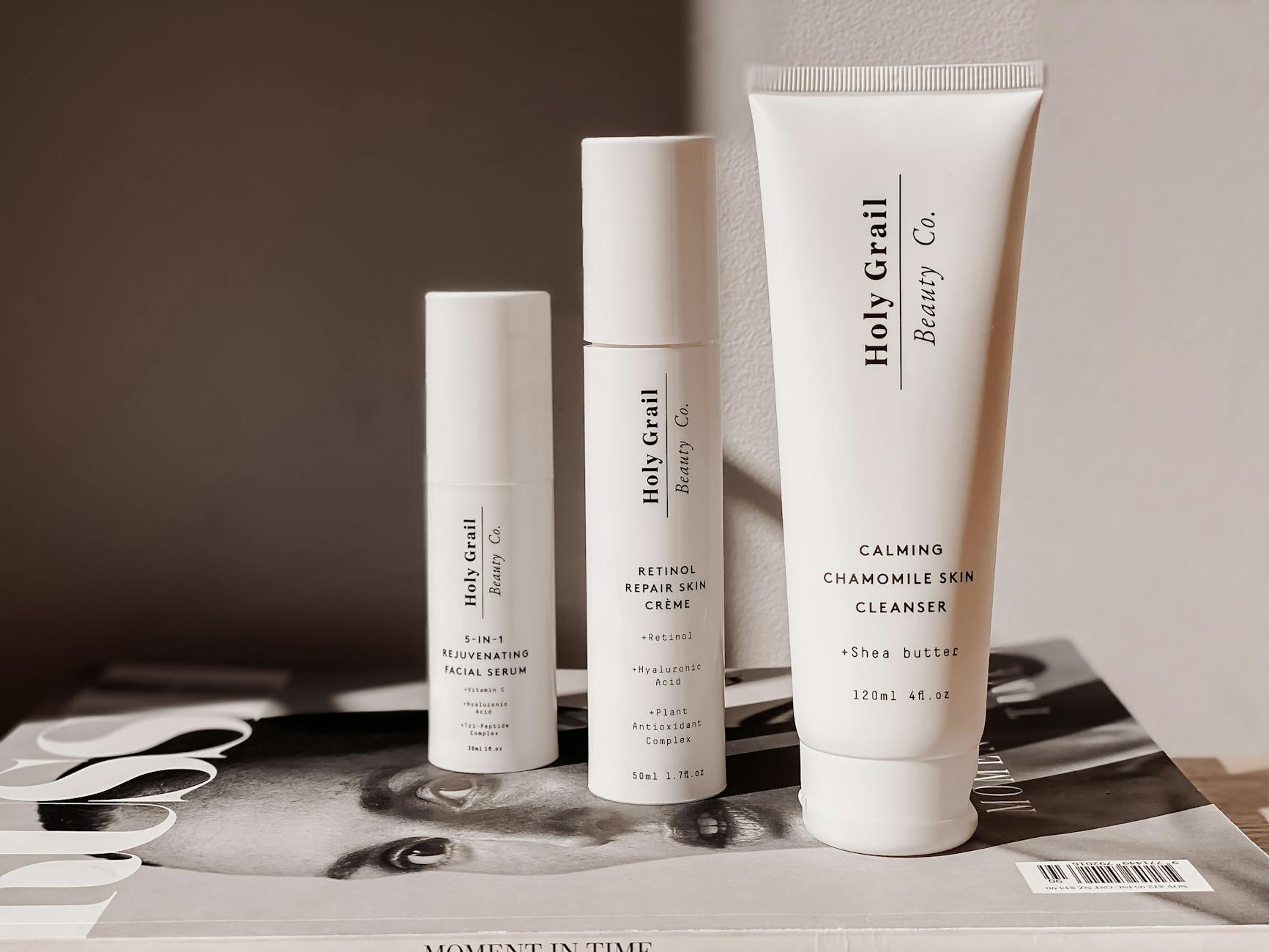
One of the most important distinctions for beginners to understand is that tretinoin 0.025% is significantly stronger than OTC retinol at the same percentage. Tretinoin is pure retinoic acid that binds directly to skin receptors upon application. Retinol, by contrast, must undergo a multi-step conversion process within the skin: retinol converts to retinaldehyde, which then converts to retinoic acid. Each conversion step results in substantial potency loss.
To put this in perspective, even tretinoin at 0.01%””the lowest prescription concentration””is stronger than over-the-counter retinol at 0.1%. This means when shopping for OTC products, a 0.025% to 0.03% retinol is considered a beginner-appropriate strength, while prescription tretinoin at that same number requires careful introduction and monitoring. Someone who has successfully used a 0.5% OTC retinol for months may still experience significant irritation when switching to prescription 0.025% tretinoin. However, if you have particularly resilient skin with no history of sensitivity, the conversion inefficiency of OTC retinol might mean you need higher percentages (0.5% to 1%) to see meaningful acne improvement. This is where the tradeoff lies: OTC products are gentler and more accessible but may require months longer to show results, while prescription tretinoin works faster but demands more careful skin management.
What to Expect During the Retinization Period
The retinization phase””when your skin adjusts to retinoid use””typically lasts two to four weeks and involves mild flaking, redness, and occasionally increased breakouts. This is not an allergic reaction or a sign the product isn’t working; it’s the normal adaptation process as skin cell turnover accelerates. During this period, you may notice what’s often called “purging”: existing clogged pores coming to the surface faster than usual, temporarily making acne appear worse. True purging differs from a negative reaction in important ways. Purging occurs in areas where you normally break out, consists of lesions that cycle through quickly (appearing and resolving within a week or two), and gradually improves. A genuine adverse reaction, conversely, appears in unusual areas, consists of itchy or painful bumps that don’t resolve normally, and worsens over time. If irritation becomes severe””deep cracking, persistent burning, or raw skin””this indicates you’re using the product too frequently or your skin cannot tolerate even this low concentration. Reduce frequency to once weekly, ensure you’re applying to completely dry skin, and consider buffering with moisturizer. Sensitive skin history is the most reliable predictor of retinoid irritation, more so than the specific retinoid, concentration, or formulation chosen.
## When and How to Increase Your Retinoid Strength After successfully using 0.025% nightly for three to four months without significant irritation, you may consider increasing strength””but this decision should involve medical guidance. Never jump from 0.025% to 0.1% without consulting a dermatologist, as this large leap dramatically increases irritation risk. The comparison between gradual progression and aggressive increases reveals clear tradeoffs. Moving from 0.025% to 0.05% allows your skin to continue adapting incrementally, typically with only minor temporary irritation. Jumping directly to 0.1% may theoretically deliver faster results, but the severe irritation often forces treatment breaks that negate any time savings. Many dermatologists find that patients who slowly titrate upward over twelve to eighteen months achieve better long-term outcomes than those who push for maximum strength immediately. Prescription combination products offer another pathway forward. Tretinoin 0.025% combined with clindamycin phosphate 1.2% provides both retinoid and antibiotic action, which can be particularly effective for acne accompanied by post-inflammatory hyperpigmentation. This approach adds bacterial-fighting power without increasing retinoid concentration.
Protecting Your Skin While Using Retinoids
Daily SPF 30 or higher is non-negotiable when using any retinoid, regardless of concentration. Tretinoin increases photosensitivity by thinning the stratum corneum and accelerating cell turnover, leaving newer, more vulnerable skin cells exposed to UV damage.
This doesn’t mean retinoids make your skin “allergic” to sun””it means the protective barrier is temporarily reduced. A practical example: using tretinoin without adequate sun protection during summer months can result in irregular hyperpigmentation that’s far more difficult to treat than the original acne. This is particularly relevant for individuals with darker skin tones, who are more prone to post-inflammatory hyperpigmentation and may be using retinoids specifically to address existing dark spots.
Building a Complete Beginner Routine Around Your Retinoid
Your 0.025% retinoid works best within a simplified routine that doesn’t overwhelm already-adapting skin. During the first two months, avoid layering other active ingredients like vitamin C, AHAs, BHAs, or benzoyl peroxide on the same nights you use your retinoid. These combinations increase irritation risk substantially without providing proportional benefit for beginners. Looking forward, once your skin has fully adjusted””typically after the three-month mark””you can begin strategically adding complementary products.
Niacinamide pairs well with retinoids and can be used the same evening. Exfoliating acids should be reserved for non-retinoid nights. Benzoyl peroxide can be used in the morning or on alternate nights for bacterial-targeted treatment. This layered approach becomes possible only after your skin has completed the retinization process with your foundational retinoid.

Conclusion
Starting with 0.025% retinoid concentration””whether prescription tretinoin or OTC retinol””gives acne beginners the best chance of long-term success. Clinical evidence confirms this strength is therapeutically effective, and the gentler introduction allows you to build the consistent routine that actually clears skin over time. Remember that prescription tretinoin at this percentage is significantly more potent than OTC retinol at the same number, so adjust your expectations and introduction schedule accordingly.
The key principles for success are patience and consistency: begin with two to three applications weekly, use only a pea-sized amount on dry skin, expect mild flaking during the first month, and always pair with daily SPF. Resist the urge to increase strength prematurely, and consult a dermatologist before making concentration jumps. With this measured approach, most beginners find that 0.025% is not just a starting point but a sustainable, effective long-term acne treatment.