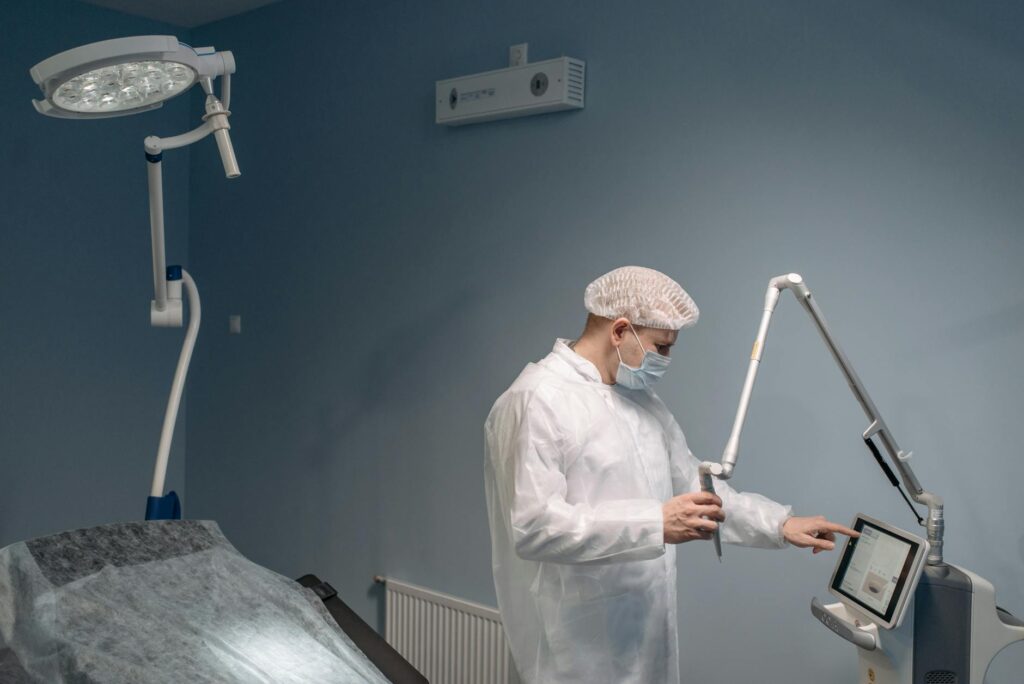
SmartXide Touch CO2 laser has become the gold standard treatment for acne scars across Europe because it combines proven clinical efficacy with significantly faster recovery than traditional ablative CO2 lasers. The device’s fractional technology—which creates thin columns of controlled thermal damage while leaving surrounding tissue intact—stimulates collagen remodeling that measurably reduces both shallow boxcar scars and rolling scars, particularly in lighter skin tones. European dermatology clinics, including established centers like Eve Clinics in the UK, have adopted SmartXide Touch specifically because clinical studies document visible improvement in all treated patients within three weeks after the third treatment session, making it one of the most reliable options available for acne scar revision today. This article explains the technology, the clinical evidence supporting its use, the realistic timeline for results, and important considerations for determining whether SmartXide Touch is right for your skin type.
Table of Contents
- How Does the SmartXide Touch CO2 Laser Actually Treat Acne Scars?
- What Does the Clinical Evidence Actually Show?
- How Many Treatments Does It Actually Take to See Results?
- Why Is Recovery So Much Faster Than Traditional CO2 Laser Resurfacing?
- Which Skin Types Can Safely Use SmartXide Touch CO2?
- Why Are European Clinics Specifically Adopting SmartXide Touch?
- How Does SmartXide Touch Compare to Other Modern Acne Scar Treatments?
- Conclusion
How Does the SmartXide Touch CO2 Laser Actually Treat Acne Scars?
The SmartXide Touch CO2 laser works through fractional resurfacing, a technique that deliberately creates microscopic columns of thermal injury deep into the dermis while preserving untreated skin between these columns. This approach allows the laser to trigger the skin’s natural wound-healing response—specifically, collagen remodeling and neocollagenesis—without the extensive downtime and complications associated with traditional full-surface ablative CO2 lasers. The fractional pattern means that undamaged tissue surrounding each treated column accelerates healing, while the thermal injury itself stimulates fibroblasts to produce new collagen that gradually fills in the depressed scars. Unlike non-ablative fractional lasers, which only heat the dermis, the SmartXide Touch’s ablative nature actually removes damaged tissue and creates a more robust collagen-building stimulus.
This mechanism is particularly effective for shallow depressed scars where the problem is a loss of dermal support. The specific parameters used in European clinical practice reflect years of optimization: practitioners typically use 40-60 W power output with dwell times of 1000-1500 microseconds and spacing of 300-700 micrometers, which translates to 20-30% surface density. These settings balance efficacy against recovery time—higher energy and spacing would cause more aggressive collagen response but also require longer healing. The fractional approach also means that practitioners can adjust intensity based on scar depth and skin type, avoiding the one-size-fits-all limitation of older ablative technologies.

What Does the Clinical Evidence Actually Show?
The strongest evidence for SmartXide Touch effectiveness comes from a 2024 clinical study combining subdermal laser-assisted scar subcision with fractional CO2 laser treatment. In that study, 100% of patients treated with the SmartXide DOT parameters (10 W output, 600 micrometer dot spacing, 800 microsecond pulse width) showed measurable clinical improvement of atrophic acne scars by week three after the third irradiation session. The consistency of improvement—rather than variable results—distinguishes SmartXide Touch from many alternative treatments that work well for some patients but not others. The mechanism driving this response is well understood: the fractional CO2 laser penetrates into the dermis, triggering organized wound healing that rebuilds the structural support beneath depressed scars.
However, it’s important to note that “clinical improvement” visible by week three is different from complete scar resolution; full aesthetic results require additional time as collagen continues to remodel over months. Comparative research also confirms that fractional ablative CO2 laser resurfacing is considered the gold standard specifically for treating shallow boxcar scars and rolling scars in patients with lighter skin tones. This designation matters because it means that when dermatologists in Europe evaluate acne scar treatment options, SmartXide Touch occupies the top tier of recommendations for this patient population. The clinical literature supporting this position spans multiple studies conducted over the past decade, giving practitioners and patients substantial evidence that the treatment works as claimed. The European adoption of SmartXide Touch reflects this evidence-based confidence.
How Many Treatments Does It Actually Take to See Results?
Effective SmartXide Touch treatment requires a commitment to multiple sessions: patients need a minimum of two treatments spaced at least four weeks apart, with deeper or more extensive scarring often requiring additional sessions. This multi-session requirement differs from marketing claims sometimes made about laser treatments and reflects the biological reality that collagen remodeling takes time. After each treatment, the skin enters a healing phase where new collagen gradually deposits, but a single session leaves many scars inadequately improved. The four-week spacing between treatments allows each round of collagen remodeling to largely complete while giving the skin sufficient healing time before the next laser injury.
This means patients should plan for a treatment course spanning two to three months minimum, with potentially longer intervals for those requiring more than two sessions. The timeline to visible aesthetic results follows a specific pattern: initial improvement appears around four to six months after beginning treatment, but the full results—the maximum collagen remodeling response—aren’t visible until three to six months after the final treatment session. This extended timeline often surprises patients who expect immediate dramatic changes, but it reflects the actual physiology of dermal healing. During the first few weeks after treatment, the skin appears red and may be slightly swollen; as healing progresses, collagen gradually fills in scarred tissue. Patience through this timeline is part of successful SmartXide Touch treatment, and practitioners must manage expectations carefully to prevent dissatisfaction based on unrealistic timelines.
Why Is Recovery So Much Faster Than Traditional CO2 Laser Resurfacing?
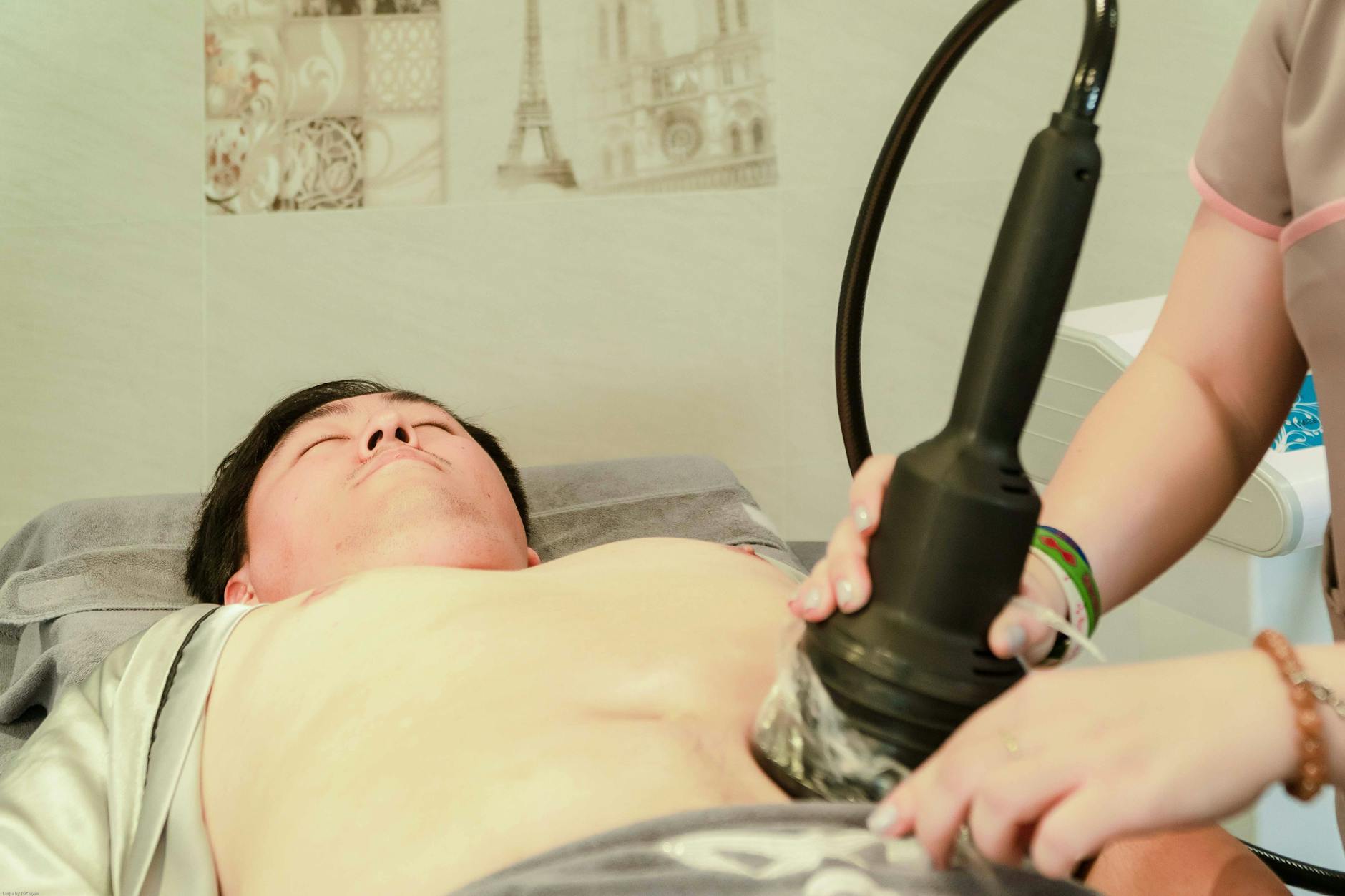
One major reason European practitioners favor SmartXide Touch is the dramatically reduced downtime compared to traditional ablative CO2 lasers: SmartXide Touch recovery takes approximately four to five days before patients can resume normal activities, whereas full-surface ablative CO2 lasers historically required two to three weeks of downtime. This difference stems directly from the fractional technology—because the laser treats only 20-30% of the skin surface, leaving 70-80% untouched, healing happens far more efficiently. The undamaged skin between fractional columns provides a reservoir of healthy cells that migrate into treated areas, rapidly re-epithelialize the micro-injuries, and accelerate overall healing. This recovery speed advantage makes SmartXide Touch practical for working adults and patients who cannot take extended time away from professional obligations.
However, “four to five days” is the timeline before returning to normal activities, not before skin looks normal. During those four to five days, patients typically experience visible redness, some swelling, and a sensation of wind-burn across treated areas. The fractional channels remain visible initially and gradually fill in over the first week. By day four or five, most patients can conceal residual redness with makeup and function normally, but fully normal skin appearance takes longer—usually one to two weeks. Additionally, treated skin is more sun-sensitive during recovery, requiring strict sunscreen use to prevent post-inflammatory hyperpigmentation, particularly in patients with darker or more pigmented skin tones.
Which Skin Types Can Safely Use SmartXide Touch CO2?
SmartXide Touch CO2 laser safety profiles differ meaningfully by skin type, which is critical information that European practitioners emphasize during consultation. For patients with lighter skin tones, SmartXide Touch is an excellent choice because the risk of post-inflammatory hyperpigmentation (PIH)—darkening that can occur after laser treatment—is minimal. These patients can proceed with SmartXide Touch with confidence that healing will follow the expected timeline without unexpected pigmentation complications. However, for patients with darker or more pigmented skin tones, the same laser parameters carry a higher risk of post-inflammatory hyperpigmentation that can last for months, creating a new cosmetic problem while treating the original scars.
This isn’t a reason to avoid laser treatment entirely, but it does affect which laser technology is appropriate. For darker skin types, fractional Erbium laser resurfacing is often the preferred alternative because Erbium lasers work at a different wavelength that carries substantially lower PIH risk while still effectively treating acne scars. Some European clinics offer both SmartXide Touch and fractional Erbium options, allowing practitioners to match treatment to skin type rather than using a single laser for all patients. This differentiation is important: SmartXide Touch is genuinely the gold standard for lighter skin, but recommending it universally without considering skin type represents inadequate clinical practice. Patients with darker skin should discuss fractional Erbium options with their practitioner rather than accepting dismissive statements that CO2 lasers cannot be used safely on darker skin—it’s more accurate to say that SmartXide Touch requires more careful selection and potentially adjusted parameters for darker skin types.

Why Are European Clinics Specifically Adopting SmartXide Touch?
European dermatology clinics have systematically adopted SmartXide Touch technology because the device delivers on the fundamental promises that acne scar patients need: measurable improvement, predictable outcomes, and practical downtime that fits modern life. Eve Clinics in the UK, for example, offers SmartXide Touch CO2 laser specifically for acne scar treatment, reflecting the broader European recognition that this technology represents best-in-class fractional ablative resurfacing. The adoption pattern across European clinics isn’t driven by marketing but by clinical experience—practitioners see consistent improvement in their patients and choose to invest in SmartXide Touch equipment because it performs reliably.
This pragmatic clinical adoption is meaningful because European practitioners operate within regulated healthcare systems that emphasize evidence-based selection of expensive medical devices. The specific advantages that drive this adoption are straightforward: fractional CO2 lasers like SmartXide Touch produce more aggressive collagen-remodeling stimulus than non-ablative alternatives (meaning faster, more visible improvement), while the fractional pattern minimizes the complications that made older full-surface ablative CO2 lasers problematic. This combination—maximum efficacy balanced against acceptable risk and recovery—makes SmartXide Touch a rational choice for practitioners committed to delivering effective acne scar treatment.
How Does SmartXide Touch Compare to Other Modern Acne Scar Treatments?
The treatment landscape for acne scars has expanded considerably beyond CO2 laser options, and understanding how SmartXide Touch fits into this broader context helps patients make informed decisions. Microneedling, for instance, stimulates collagen through mechanical injury rather than thermal injury and requires substantially longer treatment courses (often 6-12 sessions) to achieve results comparable to SmartXide Touch’s results from three sessions.
Subcision—where a practitioner physically separates scar tissue from underlying fascia—works well for specific scar types but often requires combination with other treatments to maximize results. The evidence supporting SmartXide Touch’s gold standard status specifically reflects its effectiveness at generating visible scar improvement in a reasonable timeframe with manageable downtime. However, “best for lighter skin with specific scar types” doesn’t mean best for every patient or every situation—individual scar morphology, skin type, and patient circumstances should all inform treatment selection.
Conclusion
SmartXide Touch CO2 laser has earned its position as the gold standard treatment for acne scars across Europe because clinical evidence consistently documents improvement in 100% of treated patients, the fractional technology delivers collagen-remodeling stimulus superior to non-ablative alternatives, and recovery time is practical for working adults and patients with normal life obligations. The minimum two-session treatment course (spaced four weeks apart) with expected visible results by four to six months represents a realistic timeline that many patients find acceptable compared to years of microneedling or other protracted approaches. However, careful patient selection—particularly ensuring appropriate use in lighter skin tones where PIH risk is minimal—remains essential for achieving optimal outcomes.
If acne scars affect your confidence and you have lighter skin, discussing SmartXide Touch CO2 laser with a qualified dermatologist is a reasonable next step; the clinical evidence supporting its effectiveness is substantial, and the practical downtime makes it accessible. Patients with darker skin should specifically ask about fractional Erbium alternatives rather than assuming traditional CO2 laser technology cannot be used safely. Begin with a consultation that addresses your specific scar types, skin tone, and lifestyle to ensure the selected treatment actually matches your individual circumstances—effective acne scar treatment requires this personalization rather than one-size-fits-all recommendations.