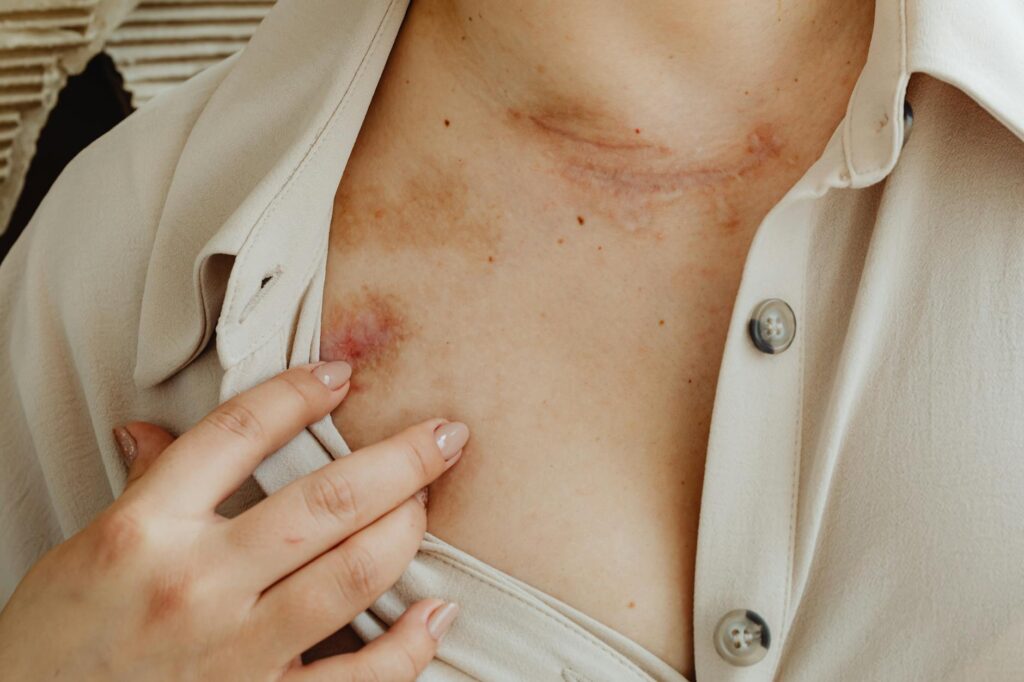
Scar improvement plateaus after several treatments because your skin has a biological ceiling for collagen remodeling and cellular recovery. After multiple sessions of microneedling, laser therapy, or other scar treatments, your body produces progressively less new collagen and healing response per treatment, meaning the fifth session won’t deliver the same results as the first.
This isn’t failure—it’s normal physiology. Dermatological literature shows that a therapeutic plateau is often observed after a few laser treatment sessions, with progressively reduced benefits, particularly with single-treatment modalities. If you’ve completed four rounds of microneedling and notice your improvements have stalled, this article explains why that happens and what options exist to push past the plateau and achieve better results.
Table of Contents
- What Is the Therapeutic Plateau in Scar Treatment?
- Diminishing Returns From Repeated Microneedling and Laser Sessions
- Realistic Expectations for Total Scar Improvement
- Breaking Through the Plateau With Combined Treatment Approaches
- Biological Limits and Individual Healing Factors
- Timeline and Treatment Spacing Strategy
- Planning Your Long-Term Scar Treatment Strategy
- Conclusion
- Frequently Asked Questions
What Is the Therapeutic Plateau in Scar Treatment?
The therapeutic plateau is the point at which additional treatments produce diminishing or negligible improvements. Research shows that treatment should be repeated every 1–2 months until response plateaus or therapeutic aims are attained. This isn’t a sudden wall but a gradual decline in treatment effectiveness.
after each session, your body’s ability to generate new collagen peaks around months 3–4, then gradually plateaus, meaning your skin has less capacity to respond to the next stimulus. For most patients using a single treatment modality—like microneedling alone or laser therapy alone—this plateau typically arrives faster than combination approaches. A patient undergoing monthly microneedling sessions might see dramatic improvements after treatment one and two, noticeable improvements after treatment three and four, and minimal changes by treatment six. Understanding this progression helps manage expectations and prevents the frustration of paying for treatments that deliver progressively smaller gains.

Diminishing Returns From Repeated Microneedling and Laser Sessions
microneedling demonstrates particularly clear diminishing returns. Research shows that diminishing returns occur after 6–8 treatments for most people, with additional sessions producing progressively smaller improvements. Typical treatment protocols of 3–5 sessions every 2–4 weeks achieve 50–70% improvement in acne scars. Beyond this range, the cost-to-benefit ratio worsens dramatically.
However, if a patient has severe, pitted scars with significant depth and surface area, reaching even 50% improvement may require all 6–8 sessions. The plateau point depends on starting severity and individual healing capacity. laser treatments follow a similar pattern: CO₂ laser achieved a 45.3% reduction in scar volume over 4–6 sessions in recent clinical data. Adding more sessions beyond this range typically yields minimal additional scar flattening because the underlying skin has approached its remodeling limit.
Realistic Expectations for Total Scar Improvement
Most patients achieve 50–90% scar improvement depending on treatment type, scar severity, and individual healing response. The key word is improvement, not elimination. Treatment cannot completely remove atrophic scars; complete scar elimination is not possible. A pitted scar that was 3mm deep may become 1mm deep after multiple treatments, making it far less noticeable but not invisible.
All scars improved at least 50% after an average of 2.5 microneedling treatments, with over 80% of patients achieving 50–75% improvement in clinical studies. This means most people see meaningful aesthetic benefits—scars become visibly shallower and blend better with surrounding skin. But the remaining 25–50% of scar depth often resists further improvement, especially if you’ve exhausted single-modality approaches. Understanding this ceiling prevents the trap of endless treatment seeking for results that biology cannot deliver.
Breaking Through the Plateau With Combined Treatment Approaches
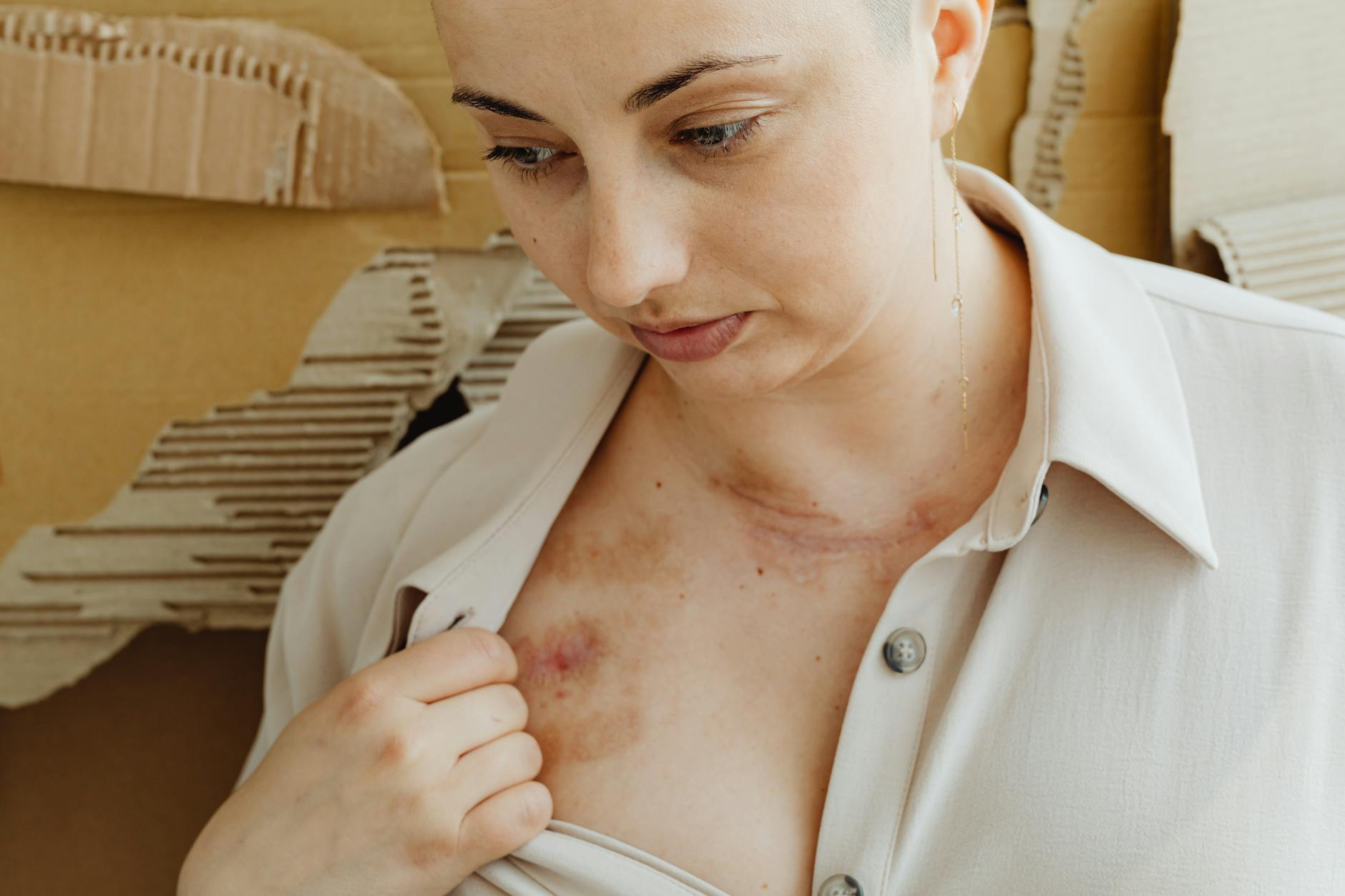
Once you hit a plateau with a single treatment, combining different laser sources can reignite progress. Sequential combination of pulsed dye laser (PDL) and CO₂ ablative fractional laser (AFL) shows additive effects that surpass efficacy of either treatment alone. The PDL targets red/purple discoloration and superficial scar tissue, while the CO₂ laser ablates deeper dermal tissue and stimulates collagen remodeling—two different mechanisms working synergistically.
Combining multiple laser sources also allows for more conservative parameters while maintaining efficacy and reducing adverse events. Rather than blasting the skin with maximum-power single laser sessions, clinicians can use gentler settings with each laser, reducing downtime and side effects while still achieving superior results. This approach is particularly valuable for patients who’ve plateaued after 4–5 single-modality sessions and want to push toward that 70–90% improvement range without enduring excessive trauma to the skin.
Biological Limits and Individual Healing Factors
Collagen production and remodeling have physiological limits that vary by individual. Some people’s skin simply has lower collagen synthesis capacity due to genetics, age, or systemic factors like autoimmune conditions or poor circulation. A 60-year-old patient with diabetes may plateau earlier than a 30-year-old with optimal skin biology, even with identical treatment protocols. The plateau also depends on scar morphology.
Rolling scars—those with sloped edges—respond better to repeated treatments than boxcar scars with sharp vertical walls. Deep, wide boxcar scars may reach their improvement ceiling at 40–50% reduction, while shallower rolling scars might continue improving toward 80–90%. Some fibrotic scars contain dense collagen bundles resistant to remodeling, inherently setting a lower ceiling for improvement. Recognizing these limitations upfront, rather than pursuing endless treatments, preserves both finances and skin health.
Timeline and Treatment Spacing Strategy
The spacing between treatments affects plateau timing. Monthly sessions accelerate the plateau because the skin doesn’t fully complete its remodeling cycle before the next stimulus arrives.
Spreading treatments 6–8 weeks apart allows peak collagen production (months 3–4) to occur before re-stimulation, potentially extending the improvement window. A patient might structure treatments as: first 3 sessions monthly for rapid initial improvement, then spacing to every 6 weeks for sessions 4–6 to maximize collagen response between treatments. This staggered approach sometimes delays the plateau’s arrival and can yield slightly better cumulative results than rigid monthly spacing.
Planning Your Long-Term Scar Treatment Strategy
If you’ve plateaued, switching modalities—from microneedling to laser, or vice versa—may unlock additional improvement by recruiting different healing pathways. The 1550-nm laser demonstrates efficacy across all skin types without statistically significant differences in outcomes, making it a viable option if you’ve plateaued on CO₂ treatments. Alternating between different technologies over 12–18 months sometimes achieves cumulative improvements that single modalities cannot.
Planning for plateau from the outset prevents disappointment. Rather than signing up for unlimited treatments, discuss realistic endpoints with your dermatologist: “We’re aiming for 60–70% improvement over 5 sessions. If you plateau before that, we’ll reassess with a different tool.” This shifts focus from endless treatment to strategic improvement and informed decision-making.
Conclusion
The therapeutic plateau in scar treatment is a predictable biological phenomenon, not a treatment failure. Most patients achieve meaningful improvement—50–90% depending on scar type and treatment choice—but complete scar elimination remains impossible. Single-modality approaches typically plateau after 6–8 sessions, with microneedling and laser therapy showing clear diminishing returns beyond this point.
The path forward involves combining treatments (PDL plus CO₂ laser), extending spacing between sessions to maximize collagen remodeling, or switching to different modalities to recruit fresh healing pathways. Before pursuing additional treatments after reaching a plateau, consult with a dermatologist to set realistic expectations and explore combination approaches. Your skin has a genuine biological ceiling, and recognizing it prevents wasted time, money, and unnecessary treatment trauma. Many patients find that 70% improvement with clear skin and minimal side effects beats indefinite pursuit of the last 20% of scar depth.
Frequently Asked Questions
How do I know when I’ve truly reached a plateau versus just needing one more session?
If treatments 3–5 produced visible improvement but treatment 6 shows no noticeable change within 8 weeks of healing, you’ve likely plateaued. Discuss images from before and after your last session with your dermatologist to objectively compare results.
Can taking a long break from treatment, then restarting, bypass the plateau?
Possibly, but only if you switch treatment modalities. Restarting the same laser or microneedling after a 6-month break may trigger initial improvement, but you’ll reach the same ceiling because the biology hasn’t fundamentally changed. Combining treatments is more effective than spacing identical ones.
Is it worth pursuing a seventh or eighth microneedling session if I’m already at 70% improvement?
Rarely. The cost, time commitment, and risk of adverse effects (post-inflammatory hyperpigmentation, persistent redness) typically outweigh the 1–3% additional improvement possible. Discuss switching to laser or combination therapy instead with your clinician.
Does diet, supplements, or collagen powder help me improve beyond the plateau?
Oral collagen or vitamin supplements may support skin health but cannot overcome the collagen remodeling ceiling that treatments create. Optimizing sleep, hydration, sun protection, and wound care between treatments matters more than supplements for maximizing results.
Why do some people need only 3 sessions while others need 6–8?
Scar depth, scar type (rolling vs. boxcar), baseline skin quality, age, and individual collagen synthesis capacity all vary. Shallow rolling scars plateau sooner with visible improvement; deep boxcar scars may need 6–8 sessions to reach their ceiling. Dermatologists assess your specific scar morphology to predict realistic treatment numbers.
If I combination-treat with PDL and CO₂ laser, do I still plateau?
Yes, but typically at a higher improvement level (potentially 75–85% vs. 50–70% with single modalities). Combination treatments delay and raise the plateau rather than eliminating it entirely.