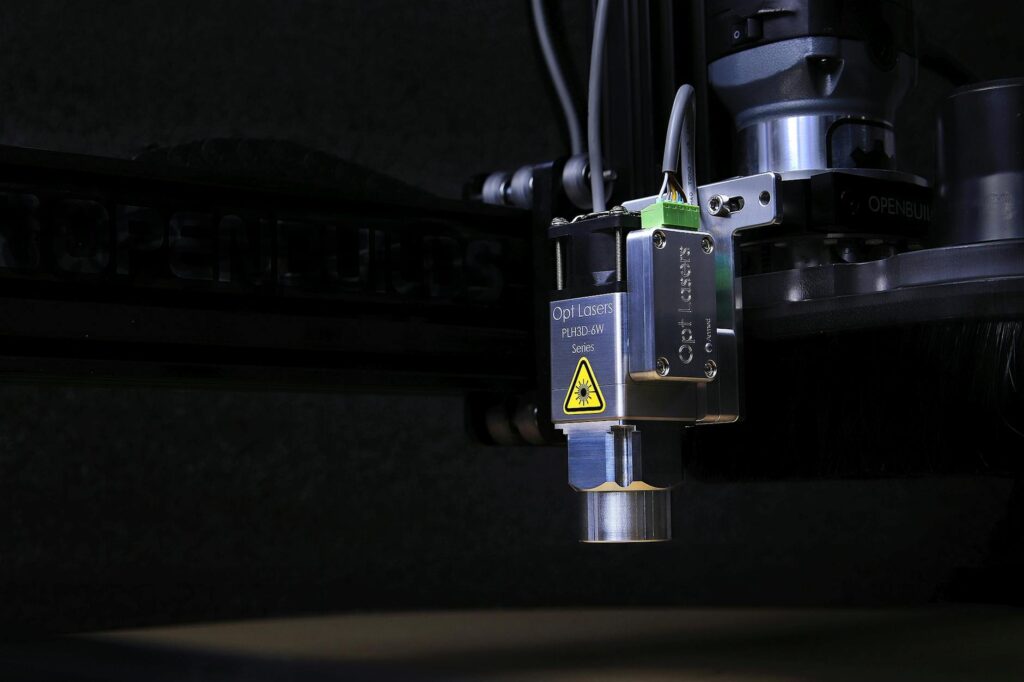
Pulse duration is one of the most critical factors determining whether a laser will effectively treat acne scars or cause unnecessary damage to surrounding tissue. In practical terms, shorter pulse durations—measured in picoseconds and nanoseconds—allow lasers to target scar tissue with photomechanical shock waves instead of primarily heating the skin, which means better results with fewer side effects. This distinction matters because a picosecond laser (one trillionth of a second) operates roughly 10 times faster than traditional Q-switched nanosecond devices, enabling clinicians to fragment scar collagen and pigmentation with minimal thermal diffusion into healthy skin.
The difference in how quickly energy is delivered fundamentally changes the mechanism of healing, the safety profile for darker skin types, and the overall efficacy of treatment. Understanding pulse duration helps you evaluate why one laser might be recommended over another for your specific scar type and skin tone. A dermatologist treating rolling acne scars with a 755-nm picosecond laser at 750 picoseconds pulse width will achieve different outcomes than one using a longer-pulse device on the same patient. This article explains what pulse duration is, how it affects treatment mechanisms, the clinical evidence for different devices, safety considerations, and what to expect from modern laser protocols.
Table of Contents
- What Is Pulse Duration and Why Does It Matter in Acne Scar Treatment?
- Photomechanical Effects Versus Thermal Damage—How Pulse Duration Changes the Healing Process
- Clinical Results—What the Latest Research Shows About Picosecond and Pulsed Dye Lasers
- Why Pulse Duration Affects Safety in Different Skin Types
- How Many Sessions Do You Need, and Why Pulse Duration Affects Treatment Planning
- Emerging Research and Current Treatment Trends in Acne Scar Lasers
- Choosing the Right Laser for Your Acne Scars—Moving Beyond Pulse Duration Alone
- Conclusion
- Frequently Asked Questions
What Is Pulse Duration and Why Does It Matter in Acne Scar Treatment?
Pulse duration is simply how long the laser delivers energy in each pulse, measured in seconds. A picosecond is one trillionth of a second—so fast that light travels only about 0.3 millimeters in that time. To understand the scale: a nanosecond is one billionth of a second, making picosecond pulses roughly 1,000 times shorter. When a dermatologist selects a picosecond laser over a nanosecond device, they’re choosing a tool that compresses the same amount of energy into a time window 10 times shorter, which changes everything about how the laser interacts with scar tissue.
This matters for acne scars because the speed of energy delivery determines whether the laser works primarily through thermal (heat-based) damage or photomechanical (shock-wave-based) fragmentation. Longer pulse durations allow more heat to diffuse into surrounding tissue, which can help with some problems but can also cause collateral damage, particularly in darker skin. Shorter pulses create acoustic shockwaves that fragment target structures with precision, then dissipate quickly without heating the epidermis excessively. For someone with Fitzpatrick skin type IV-VI (darker skin), this distinction is crucial because thermal damage increases the risk of post-inflammatory hyperpigmentation—a darkening of the skin that can persist for months.
Photomechanical Effects Versus Thermal Damage—How Pulse Duration Changes the Healing Process
The mechanism of action differs significantly depending on pulse duration, and understanding this difference helps explain why clinical outcomes vary between laser types. Picosecond lasers produce photomechanical shock and acoustic shockwaves that fragment scar collagen and pigment particles into micro-sized pieces, which the body’s immune system then clears away naturally. This process happens so quickly that the surrounding dermis experiences minimal heat accumulation. In contrast, longer pulse durations (nanoseconds and milliseconds) rely more heavily on photothermal energy—essentially controlled heating—which can effectively treat certain scars but also risks thermal diffusion into nearby tissue.
However, if a patient has very deep or severe atrophic scars, a longer pulse duration might sometimes be preferred because the thermal effect can stimulate collagen remodeling over time. The tradeoff is increased side effects and longer recovery. For most acne scar patients, particularly those with moderate rolling or boxcar scars and darker skin, picosecond technology’s lower thermal load is advantageous. Studies show that picosecond pulses produce less heat in epidermal and dermal layers compared to longer pulse durations, which translates to faster healing, less redness, and lower risk of pigmentation changes. The acoustic shockwave effect also works on scar collagen differently—rather than simply heating it, the shockwaves disrupt the collagen’s lattice structure, prompting the body to remodel and regenerate healthier tissue.
Clinical Results—What the Latest Research Shows About Picosecond and Pulsed Dye Lasers
The most recent clinical studies quantify what these mechanical differences mean in practice. A 755-nanometer picosecond laser with a diffractive lens array achieved a mean scar volume reduction of 27 percent after six treatment sessions in a 2024-2025 study, representing substantial improvement in scar depth and appearance. Another 755-nm picosecond laser study, using a 750-picosecond pulse width, demonstrated 24.3 percent improvement in scar volume, with results maintained at both one and three months post-treatment—showing that the improvement wasn’t temporary. These numbers matter because they demonstrate measurable, durable changes in scar geometry, not just cosmetic camouflaging.
For different scar types, results can vary. A split-face study using a 585-nanometer pulsed dye laser with a 0.45-millisecond pulse duration showed a 68 percent decrease in erythema (redness) and scarring compared to untreated skin at six weeks. This is particularly relevant if your acne scars are accompanied by redness or vascular changes, because pulsed dye lasers target hemoglobin in blood vessels within the scar. However, this longer pulse duration (0.45 milliseconds) generates more heat than picosecond devices, which is why it’s less frequently recommended as a first-line treatment for patients with darker skin. The takeaway is that different wavelengths and pulse durations excel at different scar presentations—atrophic rolling scars, boxcar scars, and hypertrophic scars may all benefit from different laser parameters, and your dermatologist should tailor the selection to your specific scar morphology.

Why Pulse Duration Affects Safety in Different Skin Types
One of the most important reasons dermatologists now prefer picosecond lasers is safety, particularly for patients with darker skin tones. Picosecond technology has high specificity for targets like scar collagen and melanin, with significantly less collateral thermal damage to surrounding tissue. For darker Fitzpatrick skin types (V-VI), this specificity is crucial because longer pulse durations increase the risk of post-inflammatory hyperpigmentation—a darkening of the treated area that can last for months and sometimes longer. The acoustic shockwave mechanism of picosecond lasers largely avoids this problem because the energy is delivered so rapidly that melanin in healthy skin doesn’t have time to absorb excessive heat before the pulse ends. Clinical evidence supports this safety advantage.
Studies of 755-nm picosecond lasers in darker Fitzpatrick skin types show significantly reduced risk of post-inflammatory hyperpigmentation compared to nanosecond pulse durations. Side effects are generally minimal and temporary: mild redness or temporary darkening typically resolves within days to a few weeks. This safety profile is not trivial—for someone with brown or Black skin who has struggled with acne and scarring, the ability to treat scars without risking new pigmentation problems is transformative. The historical concern with earlier laser technologies was that they could create new pigmentation issues while treating old scars, effectively trading one problem for another. Modern picosecond technology largely eliminates that tradeoff.
How Many Sessions Do You Need, and Why Pulse Duration Affects Treatment Planning
Most acne scar patients require 3-4 laser sessions for visible improvement, though studies have used up to 6 sessions to achieve maximum results. This multi-session requirement exists partly because scar tissue is dense and resilient—one pass of a laser doesn’t completely remodel it. Pulse duration affects how aggressively each session can be and how quickly the tissue responds. Shorter pulse durations allow clinicians to use higher energy densities with less risk of thermal side effects, meaning more scar tissue can be treated in each session. This efficiency is especially valuable for extensive scarring, where multiple sessions are inevitable anyway.
The spacing between sessions also matters. Typically, sessions are scheduled 4-6 weeks apart to allow tissue healing and collagen remodeling between treatments. If a patient chooses a longer-pulse laser that generates more thermal injury, the healing period might need to be longer, stretching the overall treatment timeline. With picosecond lasers, faster healing means some patients can complete their treatment series in less total calendar time. However, “faster” doesn’t mean shortcuts—rushing sessions too close together risks compounding thermal damage and extending recovery time. The key point is that pulse duration influences not just efficacy per session but also the practical timeline and side effects of the entire treatment course.
Emerging Research and Current Treatment Trends in Acne Scar Lasers
A 2024 bibliometric analysis identified picosecond laser technology and platelet-rich plasma as emerging hot topics in acne scar treatment research, reflecting a clear shift in the field toward faster, more precise devices. This analysis covered literature from 2014-2024, showing that over the past decade, picosecond technology has moved from experimental to mainstream. Treatment efficacy is the primary research focus in current laser studies, meaning researchers are now focused on optimizing results and defining which scars respond best to which wavelengths and pulse durations, rather than debating whether laser treatment works at all.
This research trend matters because it means the devices and protocols available today are significantly more refined than those from even five years ago. Dermatologists now have well-documented evidence for specific laser types on specific scar morphologies, allowing more personalized treatment planning. If you’re considering acne scar treatment in 2025 or 2026, you’re benefiting from a decade of refinement that has made the treatments safer, more effective, and more targeted than ever before.
Choosing the Right Laser for Your Acne Scars—Moving Beyond Pulse Duration Alone
While pulse duration is critically important, the full picture includes wavelength, spot size, energy density, and the specific scar type you’re treating. A 755-nanometer picosecond laser works differently than a 532-nanometer or 1,064-nanometer picosecond laser, even though they all have the same ultra-short pulse duration. The 755-nm wavelength, for example, penetrates to mid-dermal depths and works well on rolling and boxcar scars, while 1,064-nm penetrates deeper for more severe scarring.
The key is that pulse duration is the foundation—it determines whether the mechanism is primarily photomechanical or thermal—but wavelength, energy, and beam profile fine-tune the outcome for your specific scars. Looking forward, the trend in dermatology is toward combination approaches: using a picosecond laser as the primary scar treatment while sometimes adding radiofrequency, microneedling, or other modalities to address different scar layers simultaneously. The shortest pulse durations enable these combinations because they minimize skin disruption, leaving the tissue in a better state to tolerate additional treatments. As technology continues advancing, expect even more precise targeting and potentially shorter treatment timelines, but the fundamental principle—that shorter pulses mean better precision and safety—will remain central to laser selection.
Conclusion
Pulse duration matters in laser selection for acne scars because it fundamentally determines how the laser interacts with scar tissue: shorter pulses create photomechanical fragmentation with minimal thermal damage, while longer pulses rely more on heat diffusion. For most patients, particularly those with darker skin, picosecond lasers (one trillionth of a second pulse width) offer superior results with fewer side effects compared to nanosecond devices. Clinical evidence shows 24-27 percent scar volume reduction after multiple sessions, with results sustained over months, alongside a low side-effect profile and dramatically reduced risk of post-inflammatory hyperpigmentation.
If you’re considering acne scar treatment, understanding pulse duration helps you ask informed questions about why your dermatologist recommends a particular laser and what to expect from the treatment protocol. Expect 3-4 sessions minimum for visible improvement, with full results emerging over several months as collagen remodels. Schedule a consultation with a dermatologist experienced in laser scar treatment to determine which wavelength and pulse duration best suits your specific scar morphology and skin tone.
Frequently Asked Questions
Is picosecond laser treatment safe for darker skin?
Yes. Picosecond lasers have significantly lower risk of post-inflammatory hyperpigmentation compared to longer-pulse devices because the energy is delivered so rapidly that healthy melanin has minimal time to absorb excessive heat. Studies specifically in Fitzpatrick skin types V-VI show excellent safety profiles with minimal side effects.
How many sessions will I need to see results?
Most patients see visible improvement after 3-4 sessions spaced 4-6 weeks apart. Clinical studies have used up to 6 sessions for maximum scar volume reduction. Your dermatologist can estimate the number needed based on your scar severity and depth.
What’s the difference between picosecond and nanosecond lasers?
Picosecond lasers deliver pulses roughly 10 times shorter than nanosecond devices, creating acoustic shockwaves that fragment scar tissue with less thermal diffusion into healthy skin. This translates to faster healing, fewer side effects, and lower risk of pigmentation changes.
Can laser treatment completely erase acne scars?
Laser treatment significantly reduces scar appearance and depth—clinical studies show 24-27 percent improvement in scar volume—but “erasing” completely depends on scar severity. Mild to moderate scars often show dramatic improvement, while severe or very deep scars may show substantial but not complete resolution.
How long does it take to see final results?
Initial improvements appear within weeks, but full results emerge over 2-3 months as collagen remodels and regenerates. Improvements typically remain stable at one and three months post-treatment and beyond.
Are there side effects with picosecond laser treatment?
Mild redness and temporary darkening are common and typically resolve within days to a few weeks. Post-inflammatory hyperpigmentation risk is significantly lower with picosecond compared to longer-pulse devices, especially in darker skin.