
The Excel V laser has fundamentally changed how dermatologists treat vascular acne and facial redness because it’s the first FDA-cleared energy device specifically designed for acne treatment, with dual wavelengths that target both the bacteria and inflammatory blood vessels driving breakouts. Unlike the pulsed dye lasers and IPL systems that dominated dermatology offices for two decades, Excel V uses 532nm and 1064nm wavelengths in a single tunable system—allowing doctors to customize treatment for each patient’s skin type and severity while avoiding the purpura (bruising) that made older technologies impractical for many people. This article explores why dermatologists have shifted away from those older devices and what makes Excel V the standard treatment now.
The shift happened because older vascular treatments had real downsides that Excel V eliminated. Pulsed dye lasers, once the gold standard for rosacea and vascular lesions, frequently caused visible bruising that lasted 1-2 weeks—making them inconvenient for working professionals. IPL and BBL systems, while broader-spectrum, lacked the precision and consistency that serious acne treatment demands. Excel V changed the equation by delivering targeted results without those trade-offs, which is why major dermatology practices have made it their first-line recommendation for acne-prone skin.
Table of Contents
- What Makes Excel V Superior to Older Pulsed Dye and IPL Technologies?
- The Consumable-Free Advantage and Long-Term Practice Economics
- Skin Type Compatibility and the End of the “IPL Limitation”
- Treatment Timeline and What Patients Actually See
- Bruising, Downtime, and Why Older Devices Are Now Considered Impractical
- Acne-Specific FDA Clearance and What That Actually Means
- The Future of Vascular Acne Treatment and Why Older Devices Are Obsolete
- Conclusion
What Makes Excel V Superior to Older Pulsed Dye and IPL Technologies?
The core innovation behind Excel V is wavelength selection combined with FDA clearance specifically for acne. While pulsed dye lasers operated at 585-595nm and relied on bruising as a side effect, Excel V’s 532nm green wavelength has 5x higher affinity to red (hemoglobin in blood vessels), meaning it targets the vascular component of acne more efficiently. The 1064nm infrared wavelength penetrates deeper, treating both superficial rosacea and the persistent redness embedded in deeper skin layers that older single-wavelength devices couldn’t reach consistently.
Practically, this matters because a patient with moderate acne and facial redness can get effective treatment in 1-2 sessions instead of the 3-5 sessions older IPL systems required. Someone with deeper vascular lesions or stubborn telangiectasia (small broken capillaries) that previously needed pulsed dye laser treatment—and the resulting week of bruising—can now achieve the same result with no visible downtime. They walk out of the clinic and go straight back to work. That convenience has driven the adoption rate faster than the technology’s efficacy alone would predict.

The Consumable-Free Advantage and Long-Term Practice Economics
One factor that rarely gets mentioned but drives clinical adoption is that Excel V requires no consumables. Older IPL and pulsed dye systems needed replacement handpieces, crystals, or lamps every 500,000 to 1 million pulses, creating ongoing supply costs and inventory management headaches. Excel V’s solid-state laser design means the operating cost per treatment is substantially lower over a device’s 5-10 year lifespan. For a busy dermatology practice treating 10-15 acne patients weekly, that difference compounds into tens of thousands of dollars in saved consumables annually.
However, this economic advantage matters less to patients than clinical results, and it’s worth noting that Excel V does require proper calibration and maintenance by trained technicians. If a practice doesn’t invest in staff training or relies on underqualified operators, outcomes suffer. The technology is more sophisticated than older IPL systems, so the skill of the person performing treatment directly impacts whether a patient sees results in 4 weeks or takes 2-3 months to notice improvement. This is why seeking treatment at established dermatology centers—rather than aesthetic spas with newly purchased equipment—significantly affects success rates.
Skin Type Compatibility and the End of the “IPL Limitation”
IPL systems worked poorly on darker skin tones because the broad light spectrum was absorbed by melanin before reaching the target blood vessels, and practitioners were cautious about treating tanned skin due to burn risk. Pulsed dye lasers worked on all skin types but caused unpredictable purpura, especially on darker skin. Excel V’s tunable dual-wavelength design works effectively on dark, light, and tanned skin with minimal side effects, which expanded treatment access significantly. A person with deep skin tone and rosacea could previously expect either mediocre results from IPL or weeks of bruising from pulsed dye laser.
Excel V offers a third option: effective treatment with no color-dependent limitations. This technology shift explains why Excel V adoption accelerated in dermatology practices serving diverse patient populations. In urban areas with mixed-race patient bases, older devices created an inequitable situation where some patients got better results than others based purely on their melanin levels. Excel V largely eliminated that disparity, which is both a medical and ethical advancement. The trade-off is that treatment settings still require fine-tuning by experienced technicians who understand how to adjust power and wavelength for individual skin tones—one-size-fits-all treatment protocols don’t work well.

Treatment Timeline and What Patients Actually See
Most patients notice effects within 4 weeks, with significant improvements in facial redness and acne lesions visible within 2-6 weeks of their first treatment. This is substantially faster than the 8-12 week timeline patients typically experienced with older IPL systems, where results accumulated gradually and inconsistently. For small brown spots or thin varicose veins measuring 1-3mm in diameter, Excel V can often eliminate them in 1-2 visits. Deeper lesions up to 5mm in diameter may require multiple sessions spaced 4-6 weeks apart, allowing the skin to heal fully between treatments.
The practical implication is that a patient with moderate acne vulgaris could reasonably complete effective treatment in 6-8 weeks (2-3 sessions) compared to 3-4 months with older systems. That compressed timeline reduces the likelihood of treatment abandonment and keeps momentum building as patients see visible improvement. Someone with severe rosacea or numerous vascular lesions will still need 4-6 sessions, but even that represents a meaningful speedup compared to historical protocols. The downside is that results aren’t permanent—maintenance sessions every 6-12 months are typical, which differs from some cosmetic outcomes that are more durable.
Bruising, Downtime, and Why Older Devices Are Now Considered Impractical
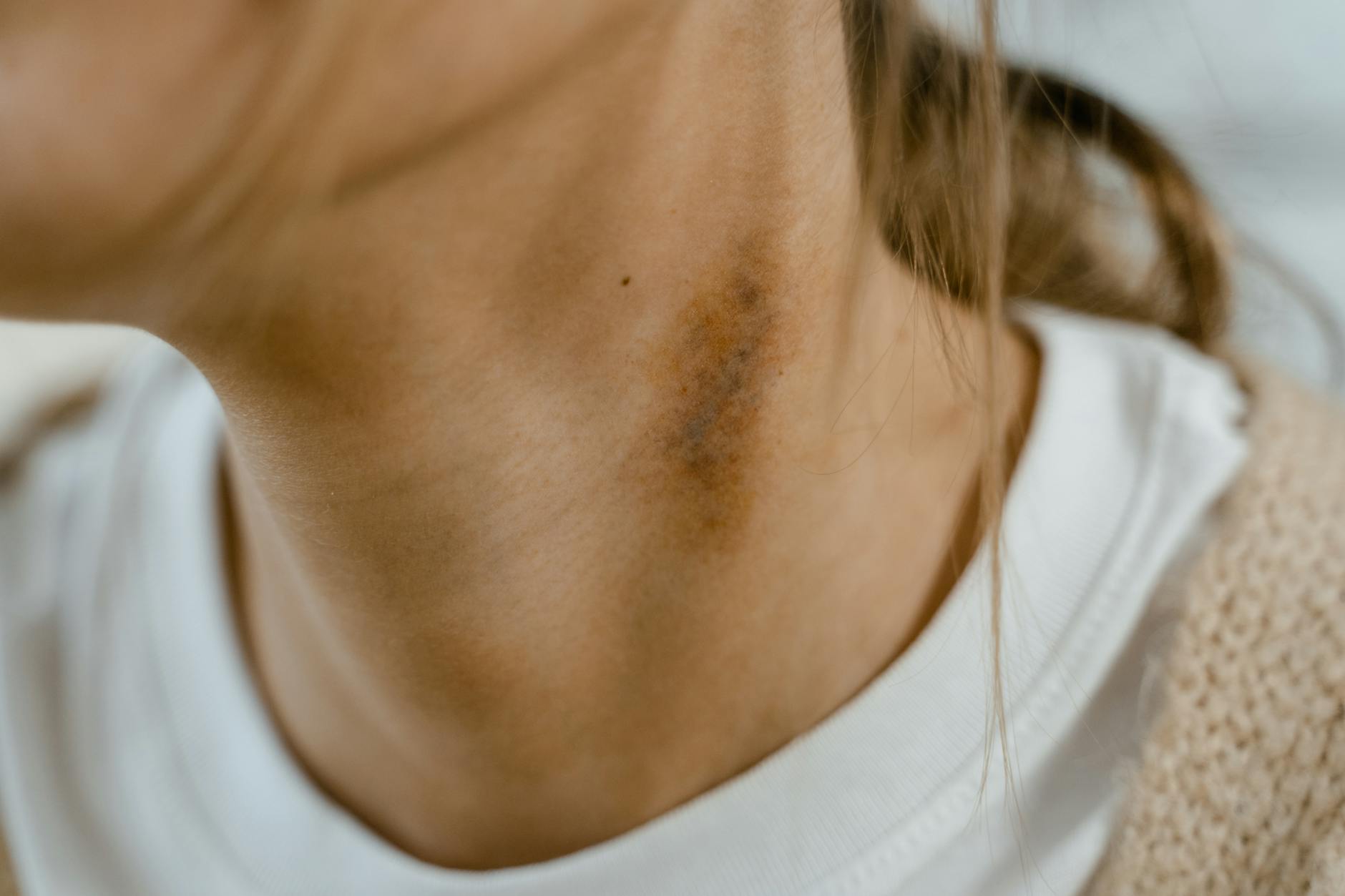
Pulsed dye lasers caused purpura in almost every patient—dark purple bruising that persisted 7-14 days. This was sold as “proof the treatment is working,” but it made the technology incompatible with anyone who couldn’t spend two weeks with visible bruising. Excel V operates without necessarily causing purpura, meaning most patients have zero downtime. They may experience mild redness for 1-2 hours post-treatment, but that’s cosmetically acceptable and fades quickly. This single difference—eliminating predictable bruising—made Excel V the default choice for working professionals and patients with social commitments.
That said, Excel V is not entirely risk-free. Patients can develop temporary hyperpigmentation (especially on darker skin tones) if settings are too aggressive, or rarely, hypopigmentation patches if undertreated areas heal irregularly. These side effects are uncommon with proper technique and usually resolve within weeks, but they’re possible. The key distinction is that Excel V introduced choice—most patients get no downtime, while pulsed dye laser patients had zero choice about bruising. This reduction in mandatory downtime is why dermatology offices could expand their acne treatment capacity; they could safely treat patients on Friday who needed to present professionally on Monday.
Acne-Specific FDA Clearance and What That Actually Means
Excel V is the first FDA-cleared energy device specifically cleared for the treatment of mild to severe acne, which is a meaningful regulatory distinction. Older pulsed dye lasers and IPL systems were typically cleared for “vascular lesions” or “rosacea,” and dermatologists used them off-label for acne because they reduced facial redness and some inflammatory lesions. Excel V’s acne-specific clearance means clinical trials demonstrated its efficacy against the condition itself, not just its appearance.
That distinction matters for insurance coverage in some cases and carries implicit quality assurance that the technology was tested specifically for this indication. In practical terms, this means dermatologists can prescribe Excel V for acne with confidence backed by FDA validation, whereas using older systems for acne was technically off-label despite being common practice. This regulatory clarity also meant manufacturers invested in acne-specific education and treatment protocols, rather than adapting protocols designed for rosacea or general vascular lesions. The result is that dermatologists using Excel V benefit from evidence-based acne treatment guidelines rather than trial-and-error modifications of rosacea protocols.
The Future of Vascular Acne Treatment and Why Older Devices Are Obsolete
As dermatology practices have upgraded to Excel V over the past 5-7 years, older pulsed dye and IPL systems have been either retired or relegated to secondary uses like hair removal or pigmented lesions. There’s little reason to maintain an older vascular laser when Excel V provides superior results, broader skin type compatibility, and no downtime. This technology shift follows the typical adoption curve for medical devices—once a demonstrably better option exists, the previous standard becomes obsolete within a generation of clinicians.
Looking forward, Excel V technology continues to improve with newer versions like Excel V+ offering even greater precision, though the core advantage remains the same: dual wavelengths, FDA acne clearance, and no purpura. It’s unlikely that an entirely new device category will displace Excel V soon because the clinical formula it represents—tunable wavelengths, consumable-free operation, minimal downtime, all skin types—addresses every major limitation practitioners faced with older systems. For patients, this stability means the treatment you receive today is based on years of refined technique and evidence, not a halfway technology waiting to be replaced.
Conclusion
Excel V laser has replaced older vascular acne devices because it solved every major problem those systems created: it eliminated mandatory bruising, reduced treatment duration, improved results on darker skin tones, and eliminated consumable costs that made treatments economically unsustainable. The FDA acne-specific clearance gave dermatologists regulatory confidence, while the dual-wavelength design gave them clinical flexibility. These advantages compounded to make older technologies functionally obsolete within dermatology offices serving serious acne patients.
If you’re considering treatment for acne, facial redness, or vascular lesions, Excel V is now the standard first-line recommendation because it’s faster, safer, and more effective than what dermatologists were using 10 years ago. The key is ensuring you’re treated by an experienced provider who’s comfortable with the technology, since outcomes depend directly on proper technique and patient-specific parameter adjustment. Most patients see noticeable improvement within 4 weeks and significant results within 2-6 weeks, making it a practical choice for anyone who can’t commit to months of recovery or uncertainty.