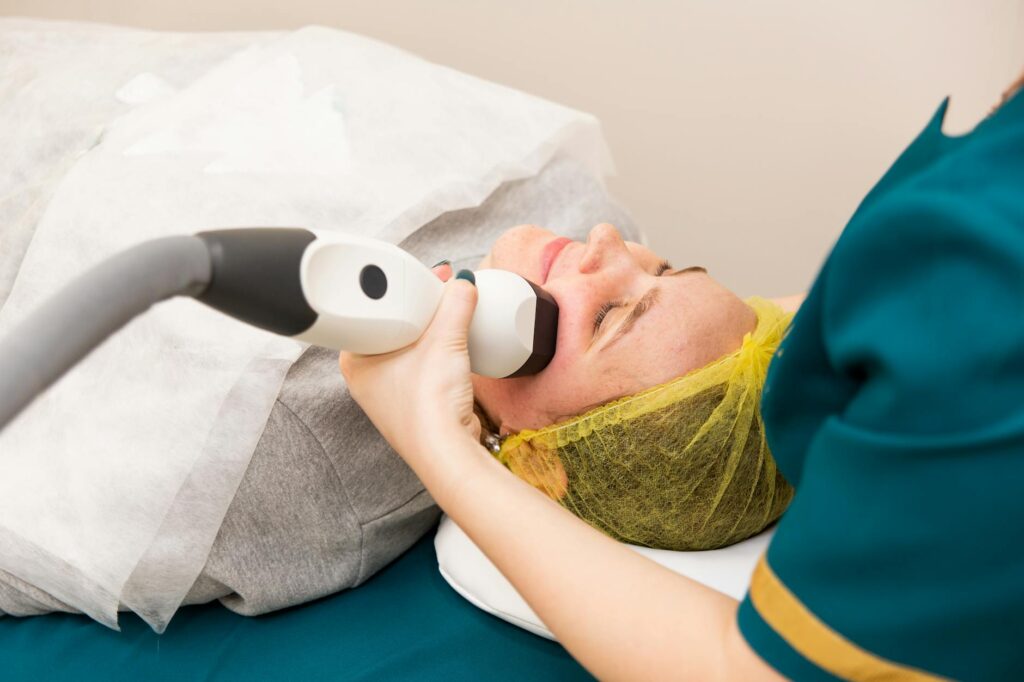
RF microneedling creates erythema that lasts significantly longer than traditional microneedling because the radiofrequency energy generates heat deep in the dermis, triggering an intense inflammatory response that can persist for 2-4 weeks instead of the typical 3-7 days seen with mechanical needling alone. When you combine the physical trauma of needle penetration with the thermal injury from RF waves, you’re essentially asking your skin’s immune system to address two types of damage simultaneously—the puncture wounds from the needles and the coagulation zones created by the heat. For example, a patient undergoing three passes of RF microneedling on the cheeks might see significant redness fade by day 10, while someone who had the same area treated with regular microneedling could return to normal appearance in under a week. This article explains the biological mechanisms driving prolonged erythema after RF treatment, the factors that influence how long it lasts, and practical strategies for managing the recovery period.
Table of Contents
- How RF Microneedling Differs From Regular Microneedling in Creating Inflammation
- The Molecular Mechanisms Behind Extended Erythema
- Expected Erythema Timeline After RF Microneedling Versus Regular Microneedling
- Factors That Extend or Shorten Post-RF Erythema Duration
- Complications That Can Extend Visible Redness Beyond Normal Timelines
- Managing Erythema and Minimizing Visual Downtime After RF Microneedling
- Long-Term Skin Outcomes and Why the Extended Erythema Phase Is Worth It
- Conclusion
How RF Microneedling Differs From Regular Microneedling in Creating Inflammation
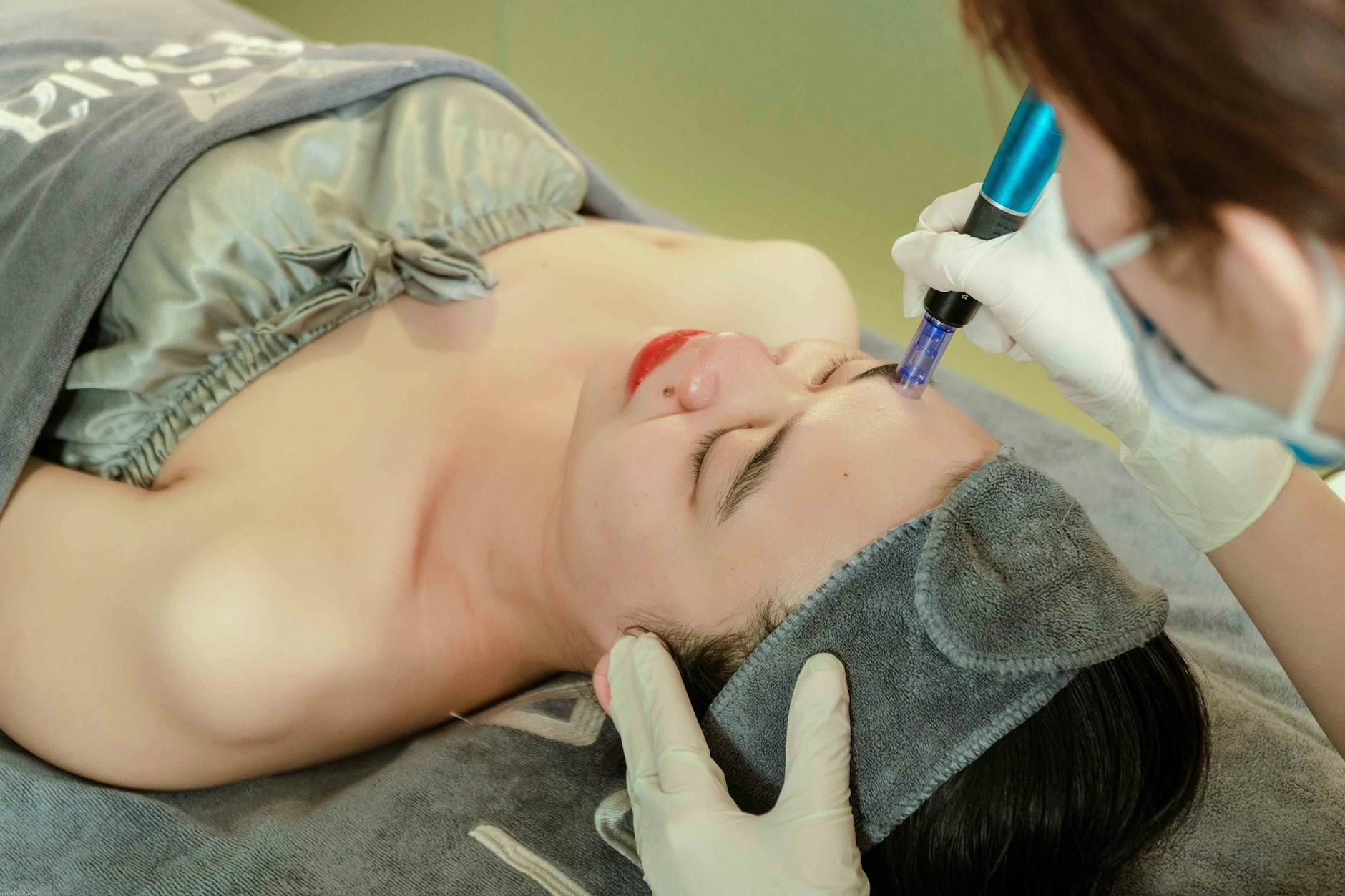
The fundamental difference lies in the energy source and depth of tissue injury. Traditional microneedling creates controlled micro-injuries through mechanical puncture alone, triggering the skin’s natural healing cascade with minimal thermal effect. RF microneedling adds radiofrequency energy that heats the tissue around each needle track, typically to temperatures between 60-75°C in the dermis, creating zones of thermal coagulation alongside the mechanical trauma.
This dual-mechanism injury is substantially more inflammatory because it activates both the foreign body response (from the needle tracks) and the thermal burn response (from the RF energy). The result is a longer-lasting inflammatory phase where your skin must simultaneously repair collagen structures, clear away thermally damaged tissue, and rebuild the dermal matrix. A patient treated with 1500 needles at 1.5mm depth will experience notably more persistent redness if those needles delivered RF energy versus mechanical puncture alone, sometimes extending the erythema phase by 10-14 additional days.
The Molecular Mechanisms Behind Extended Erythema
Erythema—the medical term for skin redness—occurs when blood vessels dilate to bring immune cells and nutrients to injured tissue. RF microneedling triggers this response more intensely because the thermal component activates heat shock proteins, initiates the complement cascade, and releases inflammatory cytokines like TNF-alpha and IL-6 from damaged cells. These molecules signal the body that deeper tissue needs repair, prompting sustained vascular dilation.
However, if your skin has a history of reactive or sensitive behavior, the inflammatory phase can extend beyond the typical 3-4 week window. The depth of RF energy penetration also matters significantly—devices that deliver energy to 3.5mm or deeper will create longer-lasting inflammation than those capping out at 2mm. Additionally, patients with certain genetic predispositions toward inflammation (such as those with rosacea or post-inflammatory hyperpigmentation tendencies) may experience erythema that lasts 6-8 weeks post-treatment, whereas others with resilient skin might clear redness in 2-3 weeks.
Expected Erythema Timeline After RF Microneedling Versus Regular Microneedling
Standard RF microneedling typically produces visible erythema that peaks within 24-48 hours post-treatment, remains significant (often 70-80% of peak intensity) through day 7, and doesn’t substantially fade until days 10-14. By week 3-4, most of the erythema resolves, though residual mild pinkness may persist for 6-8 weeks in some individuals. In contrast, regular microneedling creates redness that peaks at roughly 4-8 hours, significantly improves by day 3, and is largely resolved by day 7.
The longer timeline with RF is directly attributable to the deeper thermal damage requiring more time for tissue remodeling and vascular remodeling. A practical example: a woman receiving RF microneedling on a Friday for acne scars would likely struggle with noticeably red skin through her work week, whereas a patient with regular microneedling might be presentable for professional settings by Wednesday. This difference is substantial enough that treatment timing should be intentional—scheduling RF treatments before planned downtime or events is more realistic than booking regular microneedling on a Friday and expecting to be camera-ready by Monday.

Factors That Extend or Shorten Post-RF Erythema Duration
Several variables directly influence how long you’ll experience visible redness after RF microneedling. Needle density and number of passes are primary drivers—single-pass treatment with 1000-1500 needles produces shorter erythema than the increasingly common two or three-pass protocols that penetrate deeper or re-treat the same area. RF power settings matter as well; lower energy (30-40W) creates milder inflammation that clears faster, while aggressive settings (50W+) intensify the thermal component and extend redness.
Your baseline skin tone plays a role too—darker skin types tend to experience erythema for longer periods because hyperpigmentation often accompanies the inflammation, creating overlapping issues that take time to resolve. Age is another factor; younger skin with robust circulation tends to clear erythema faster than mature skin with compromised vascular response. A 28-year-old with fair skin receiving conservative RF settings might see most erythema gone in 10 days, while a 55-year-old with darker skin receiving the same settings might still see visible redness at day 14. Environmental factors also matter—sun exposure during the inflammatory phase prolongs erythema and increases risk of post-inflammatory hyperpigmentation, while strict sun protection accelerates the visual improvement.
Complications That Can Extend Visible Redness Beyond Normal Timelines
While normal erythema is expected, certain complications can dramatically lengthen recovery. Post-inflammatory hyperpigmentation (PIH) is the most common extension—it creates a darker, redder appearance that persists long after the acute inflammatory erythema should have resolved, sometimes lasting 3-6 months. This is more likely if you have medium-to-dark skin, don’t use strict sun protection, or receive multiple aggressive passes.
Delayed hypertrophic response is another complication where the skin produces excess collagen in response to the RF injury, keeping the treatment area elevated and visibly erythematous for weeks longer than expected. Secondly, post-RF infections are rare but possible if the treatment area isn’t properly cared for; any bacterial contamination extends inflammation and erythema significantly. A warning worth noting: if your erythema isn’t improving by week 4 post-treatment, or if it’s accompanied by persistent heat, purulent drainage, or expanding redness, contact your provider rather than assuming this is normal healing. Additionally, concurrent use of retinoids or vitamin C during the first week post-treatment can paradoxically intensify and extend erythema, so these should be avoided until day 7-10.
Managing Erythema and Minimizing Visual Downtime After RF Microneedling
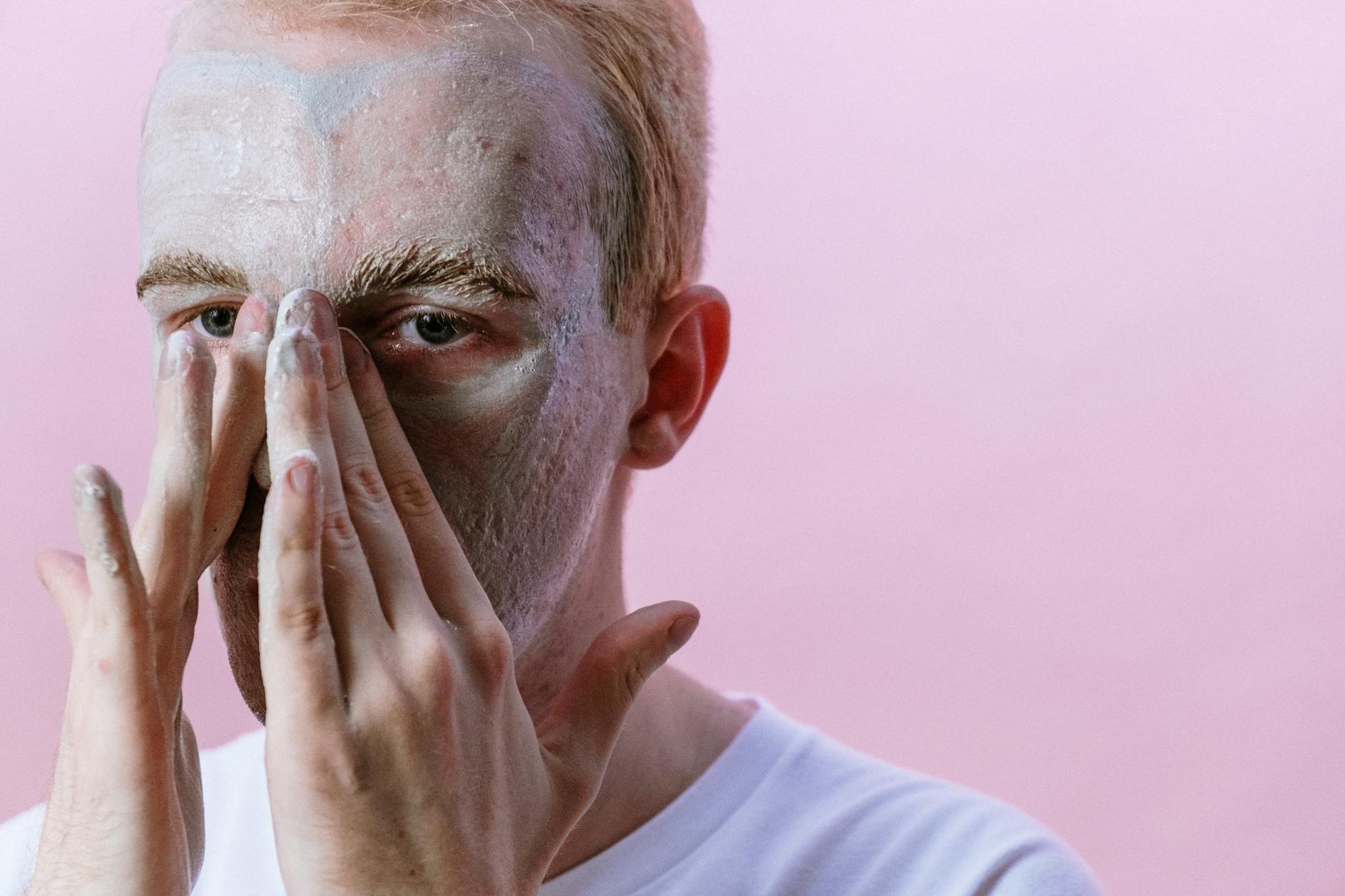
Effective management starts immediately post-treatment with ice application (20 minutes on, 20 minutes off) for the first 24 hours to reduce vascular response. Immediately post-treatment through day 3, stick to gentle hydration with ceramide-rich moisturizers and avoid actives entirely—your skin barrier is compromised and doesn’t need additional irritation. From day 3 onward, appropriate topical support can accelerate clearance: niacinamide (2-5% concentration) helps reduce inflammatory cytokines, while green tea extract and centella asiatica provide anti-inflammatory benefits.
For those needing to reduce appearance before returning to social situations, mineral sunscreen with a high iron oxide content (zinc-based) can provide significant camouflage starting day 2-3 post-treatment. Systemic approaches matter too—oral anti-inflammatory support like arnica or curcumin, while evidence-limited, is commonly used by practitioners. Importantly, avoid aggressive physical exfoliation, saunas, intense exercise (which raises body temperature and increases vascular dilation), and alcohol for at least 5-7 days post-treatment, all of which can prolong visible erythema. Some practitioners prescribe short-term low-dose oral antibiotics (like doxycycline) to reduce bacterial-driven inflammation, which can moderately shorten the erythema phase, though this requires medical oversight.
Long-Term Skin Outcomes and Why the Extended Erythema Phase Is Worth It
The extended inflammatory response after RF microneedling, while inconvenient, is actually a marker of the deeper skin remodeling that produces superior results compared to regular microneedling. The thermal injury triggers more robust collagen deposition and remodeling over the 8-12 weeks following treatment, which is why RF treatments are significantly more effective for deep acne scars, skin laxity, and texture irregularities.
By month 3 post-treatment, most patients see 40-60% improvement in scars and skin quality, whereas regular microneedling typically produces 20-35% improvement for the same concerns. The extended erythema phase also indicates that your skin’s fibroblasts are actively engaged in collagen synthesis—it’s not just redness for redness’s sake. Looking forward, combination approaches are becoming more common: some practitioners combine conservative RF microneedling with calming modalities like LED therapy or low-level laser in the same session to theoretically speed erythema resolution without sacrificing results, though long-term data on this approach is still limited.
Conclusion
RF microneedling causes longer-lasting erythema than regular microneedling because the radiofrequency energy creates thermal injury alongside mechanical trauma, triggering a more intense and prolonged inflammatory response that typically lasts 2-4 weeks rather than 3-7 days. The duration varies based on needle density, RF power settings, your baseline skin characteristics, sun protection compliance, and whether any secondary complications like post-inflammatory hyperpigmentation develop.
Managing this redness effectively requires immediate post-treatment cooling, barrier-supportive skincare, strict sun protection, and patience—attempting aggressive treatments or exposures during the erythema phase typically backfires and extends recovery. If you’re considering RF microneedling, schedule treatment strategically around your calendar and set realistic expectations about visibility; the extended downtime is an investment in substantially better long-term results. For anyone currently recovering from RF microneedling, focus on the fundamentals—hydration, sun protection, and gentle support—and contact your provider if erythema shows no improvement by week 4 or is accompanied by signs of infection or unusual symptoms.