# Why Acne Needs Better Treatment Options
Acne affects millions of people worldwide, but the current treatment landscape leaves many patients frustrated and searching for better solutions. Understanding why improved options are so important requires looking at both the scale of the problem and the limitations of what exists today.
The prevalence of acne is staggering. Approximately 85 percent of people aged 12 to 24 experience acne, with increasing cases now reported in adult populations, particularly among women. This means acne is not just a teenage problem – it affects people across different life stages and demographics. Despite being so common, many patients struggle to find treatments that work effectively for their specific situation.
Current treatment options have real limitations. While isotretinoin remains highly effective, with 93.9 percent of participants in recent studies reporting overall improvement in their skin condition, it requires careful medical supervision and monitoring. Patients who obtain treatment through dermatologists show higher adherence rates than those relying on internet sources or non-medical options, highlighting how access to proper medical guidance affects outcomes. This creates a barrier for people who cannot easily reach dermatologists or afford professional supervision.
Over-the-counter treatments present another challenge. Research shows that 47 percent of users report dissatisfaction with OTC acne solutions, leading to frequent brand switching as people search for something that actually works. The market has introduced ingredients like salicylic acid, niacinamide, and retinoids as industry standards, yet many consumers still find these options inadequate for their needs.
Mental health complications add another layer of urgency to finding better treatments. A Syrian study found that 56.3 percent of isotretinoin users reported psychological symptoms including anxiety and depression, highlighting the need for mental health monitoring alongside physical treatment. This means effective acne treatment must address not just the skin condition but also its psychological impact on patients.
The pharmaceutical industry is responding to these gaps. Novel formulations like IDP-126, which combines adapalene, retinol, and antimicrobial benzoyl peroxide, represent breakthroughs in treating both inflammatory and non-inflammatory lesions while minimizing side effects. Winlevi, a first-in-class topical therapy for acne vulgaris, demonstrates how new approaches can address previously unmet needs. Triple combination gels have shown impressive results, with one study documenting a 68 percent reduction in inflammatory lesions and an 88 percent reduction in non-inflammatory lesions by week 24.
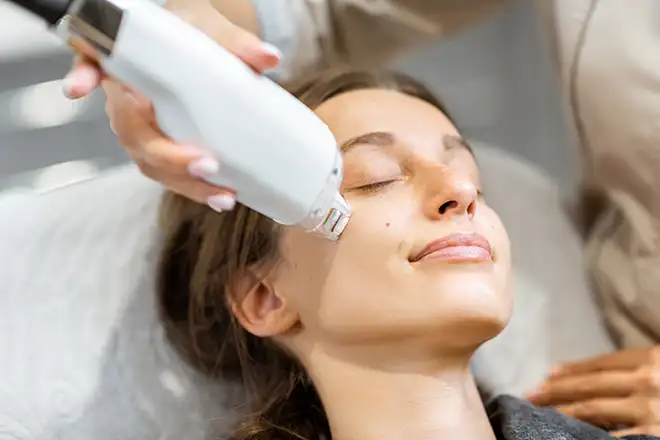
Minimally invasive procedures are also gaining attention. Treatments including steroid injections, lasers, and chemical peels are projected to exhibit the highest growth rate in the acne treatment market, driven by increasing preference for immediate results and procedures that require less downtime than traditional systemic medications.
Consumer preferences are shifting toward safer, more sustainable options. Sixty-two percent of consumers now factor sustainability into their acne product purchases, and there is growing interest in plant-based actives like tea tree oil and willow bark extract. This demand for cleaner formulations with transparent ingredient lists pushes the industry toward innovation that balances efficacy with safety.
The regulatory environment also creates barriers to better treatments. Stringent FDA and EU regulations require extensive clinical validation for acne-treatment claims, and many brands struggle to balance efficacy with safety standards for sensitive skin formulations. These requirements, while important for consumer protection, can slow the introduction of new solutions to market.
The global acne treatment market is projected to reach 8.95 billion dollars by 2027, with skincare products accounting for over 42 percent of that share. This investment reflects recognition that current options are insufficient and that better treatments represent both a medical need and a significant market opportunity. The market’s growth at a compound annual growth rate of 4.89 percent indicates sustained demand for improved solutions.
Hybrid formulations that combine acne-fighting actives with anti-aging benefits or skin-barrier repair properties are emerging to address the growing segment of adult acne sufferers. These products recognize that many people need to manage acne while also preventing premature aging caused by aggressive treatments – a need that traditional acne medications often fail to address.
The gap between what patients need and what currently exists drives the push for better treatment options. Whether through novel pharmaceutical formulations, minimally invasive procedures, or plant-based alternatives, the acne treatment landscape is evolving. However, the continued high rates of patient dissatisfaction and the psychological burden of acne demonstrate that significant room for improvement remains.
Sources
https://www.intelmarketresearch.com/skincare-s-for-acne-prone-skin-market-22968
https://www.intelmarketresearch.com/acne-improving-skincare-s-market-22970
https://www.mordorintelligence.com/industry-reports/acne-therapeutics-market