What New Acne Research Means for Patients
Acne affects millions of people worldwide, and recent studies show its burden is growing, especially among young women. New research points to more effective treatments, smarter skincare products, and even natural options backed by science, giving patients better ways to fight breakouts.[1][3]
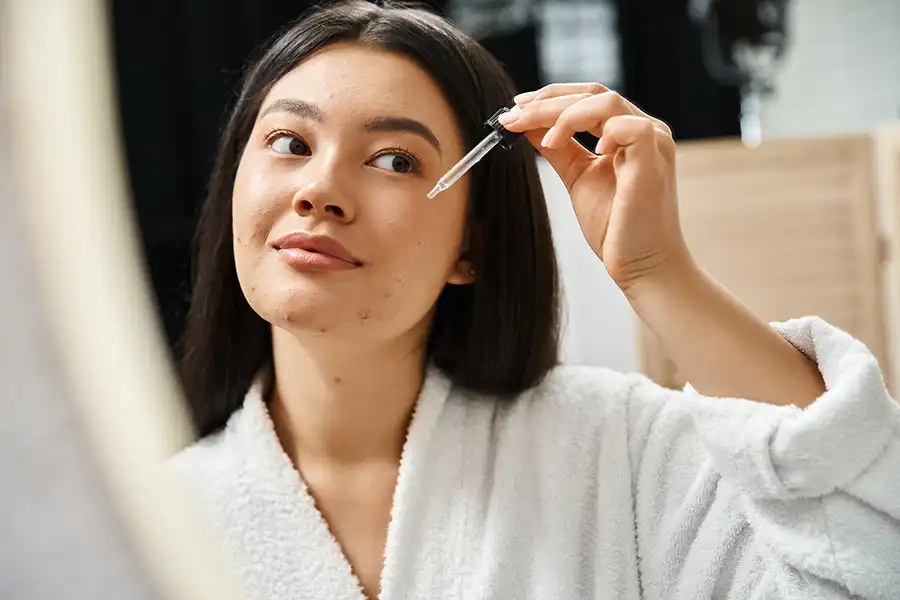
One big change is the rise in adult acne, driven by stress, pollution, and busy lifestyles. The market for acne-improving skincare hit 4.1 billion dollars in 2024 and is set to grow to over 5.5 billion by 2032. People now want products from trusted brands like La Roche-Posay and CeraVe that are gentle on sensitive skin and support the skin’s natural microbiome. These include ingredients such as salicylic acid, niacinamide, and retinoids in clean, non-comedogenic formulas that do not clog pores. About 68 percent of buyers check for clear ingredient lists.[1]
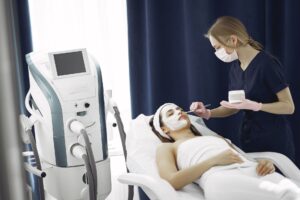
Drug research brings fresh hope too. The acne therapeutics market will reach 9 billion dollars in 2025 and climb to 11.5 billion by 2030. Breakthroughs like IDP-126 from Bausch Health mix adapalene, retinol, and benzoyl peroxide to tackle both red, inflamed pimples and blackheads with fewer side effects. Winlevi, a new cream called clascoterone, is the first of its kind for acne vulgaris. Doctors also see promise in AviClear, a laser treatment approved in 2022 that works for mild to severe cases. Other options like steroid shots, lasers, and peels are growing fastest at 5 percent a year, as patients seek quick results without big downtime.[2]
Personalization is key in new findings. Online sales jumped 23 percent in 2023, with direct-to-consumer brands using AI tools to scan skin and suggest custom routines for issues like hormonal acne or cystic spots. Hybrid products now blend acne fighters with anti-aging benefits, helping adults avoid wrinkles from harsh treatments.[1]
Natural remedies are getting a closer look. A 2025 review found 13 medicinal plants with solid clinical trial proof for acne, either alone or with standard care. These are promoted on social media but now have real evidence behind them.[5][6]
For young women, global data from 1990 to 2021 shows rising acne rates across all ages, expected to continue to 2040. This calls for tailored care that considers emotional impacts too.[3]
While 2025 saw FDA nods for other skin drugs, acne research focuses on better delivery systems and combos that improve results and sticking to treatment.[2][4]
Patients can expect more choices soon, from gentler topicals to tech-driven plans that fit their lives.
Sources
https://www.intelmarketresearch.com/acne-improving-skincare-s-market-22970
https://www.mordorintelligence.com/industry-reports/acne-therapeutics-market
https://www.dermatologytimes.com/view/top-10-articles-of-the-year-2025
https://www.medcentral.com/dermatology/8-dermatology-drugs-fda-approved-in-2025
https://pmc.ncbi.nlm.nih.gov/articles/PMC12729506/
https://onlinelibrary.wiley.com/toc/14732165/2026/25/1