Acne comes in different forms, and understanding the main types helps with treatment. The key difference between inflammatory and non-inflammatory acne is the level of redness, swelling, and immune response in your skin.
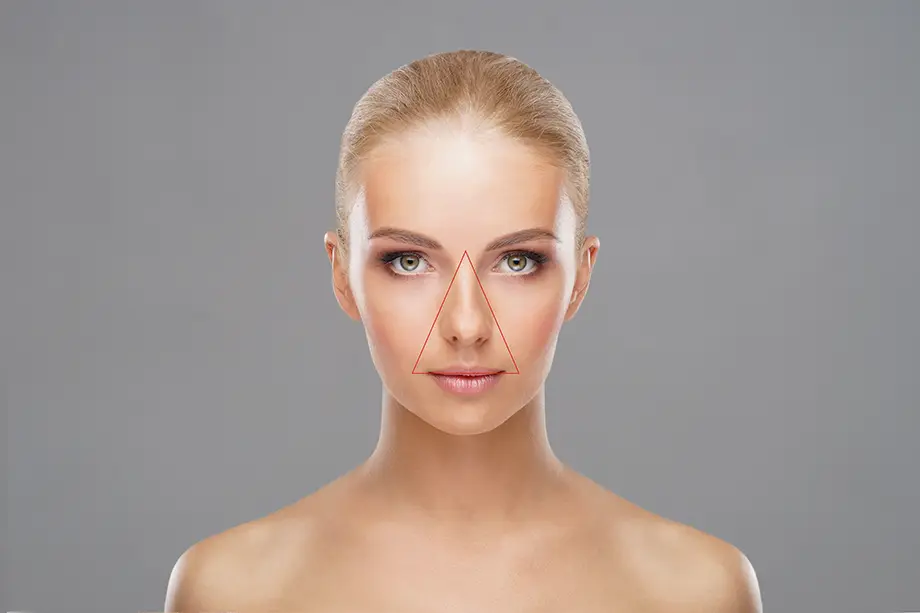
Non-inflammatory acne happens when pores get clogged with oil and dead skin cells, but your body’s defenses do not react strongly. This leads to mild bumps that stay under the skin’s surface. Common examples are blackheads and whiteheads. Blackheads form when the clogged pore stays open and the material inside turns dark from exposure to air. Whiteheads occur when the pore stays closed, trapping everything inside as a small, flesh-colored bump. These spots are usually not red, painful, or pus-filled. They often show up on the face, especially the T-zone like forehead, nose, and chin, due to extra oil from hormones or oily skin. Teens and young adults see them most from puberty changes, but anyone can get them from using pore-clogging products or poor skincare habits.[1][2][3]
Inflammatory acne starts the same way with clogged pores, but bacteria like Propionibacterium acnes get involved, triggering your immune system. This causes redness, swelling, and sometimes pus as your body fights back. Papules are small, red, tender bumps without pus. Pustules look like papules but have a white pus center with a red ring around it. These can appear on the face, chest, or back and affect about half of people with acne. Things like stress, high-sugar or dairy diets, and hormone shifts from periods make them worse. They last a few days to two weeks and hurt more than non-inflammatory types.[1][6][3]
The big split matters because treatments differ. For non-inflammatory acne, gentle exfoliants like salicylic acid clear clogs without irritation. Inflammatory acne needs anti-bacterial options such as benzoyl peroxide or antibiotics to calm the swelling first.[1][2] Picking at either type risks scars, so hands off is best. A dermatologist can check your skin to confirm the type and guide you.
Sources
https://drebruokyay.com/7-key-types-of-acne/
https://pimplepatches.au/blog/understanding-acne-types.html
https://www.drbatras.com/skin-diseases/acne/types
https://glimmergoddess.com/pages/types-of-acne-explained-hormonal-vs-bacterial-vs-fungal-vs-sensitive-skin-acne
https://www.ortho-dermatologics.com/conditions/featured-conditions/acne-vulgaris/
https://www.felixforyou.ca/blog-posts/what-is-acne