
Overusing exfoliating acids damages your skin’s protective barrier, leaving it compromised, inflamed, and more vulnerable to irritation and infection. While exfoliating acids like AHAs (glycolic, lactic) and BHAs (salicylic) are powerful tools for treating acne and improving texture, daily use or excessive concentrations strip away the lipids that hold your skin’s outer layer together, resulting in redness, sensitivity, burning sensations, and a damaged moisture barrier that can take weeks to recover. This article covers what happens at the cellular level when you overuse these products, how to recognize the signs of overexfoliation, the long-term consequences for your skin barrier, safe usage guidelines, and how to rebuild skin health after damage has occurred.
Over-exfoliation isn’t just uncomfortable—it actively reverses the benefits you’re trying to achieve. Many people use exfoliating acids too frequently or at too-high concentrations, believing more exfoliation equals better results for acne and aging concerns. Instead, damaged skin becomes reactive, breaks out more, develops sensitivity to almost everything you apply, and becomes paradoxically oily or dehydrated simultaneously as your skin tries to compensate for barrier dysfunction.
Table of Contents
- What Damage Do Exfoliating Acids Actually Cause to Your Skin?
- How Does Barrier Damage Manifest on Your Face?
- The Connection Between Overexfoliation and Increased Breakouts
- Safe Exfoliation Frequency and Concentration Guidelines
- Photosensitivity and Sun Damage Risk After Overexfoliation
- How Long Does It Take for a Damaged Barrier to Recover?
- When Should You Reintroduce Exfoliating Acids Safely?
- Conclusion
- Frequently Asked Questions
What Damage Do Exfoliating Acids Actually Cause to Your Skin?
Exfoliating acids work by dissolving the bonds between skin cells, which is why they’re effective at removing dead skin and unclogging pores. However, they don’t discriminate between dead cells you want to remove and living, healthy cells you need to keep. When used excessively, acids penetrate deeper than intended and damage the stratum corneum—the outermost protective layer—along with the ceramides, cholesterol, and fatty acids that form the skin barrier’s lipid matrix. This destruction isn’t immediately visible, but at the cellular level, your skin has lost its ability to retain water and keep out irritants and bacteria.
The damage accumulates gradually with repeated overuse. Your skin might feel smooth and look slightly flushed for the first few weeks, which many people interpret as the acid working. What’s actually happening is chronic inflammation and micro-injury. By the time most people recognize they’ve overdone it—red, burning, extremely sensitive skin that stings even when water touches it—the barrier has been significantly compromised. Recovery typically requires 2-4 weeks of barrier repair, during which you must stop all exfoliation and focus on hydration and occlusion.
How Does Barrier Damage Manifest on Your Face?
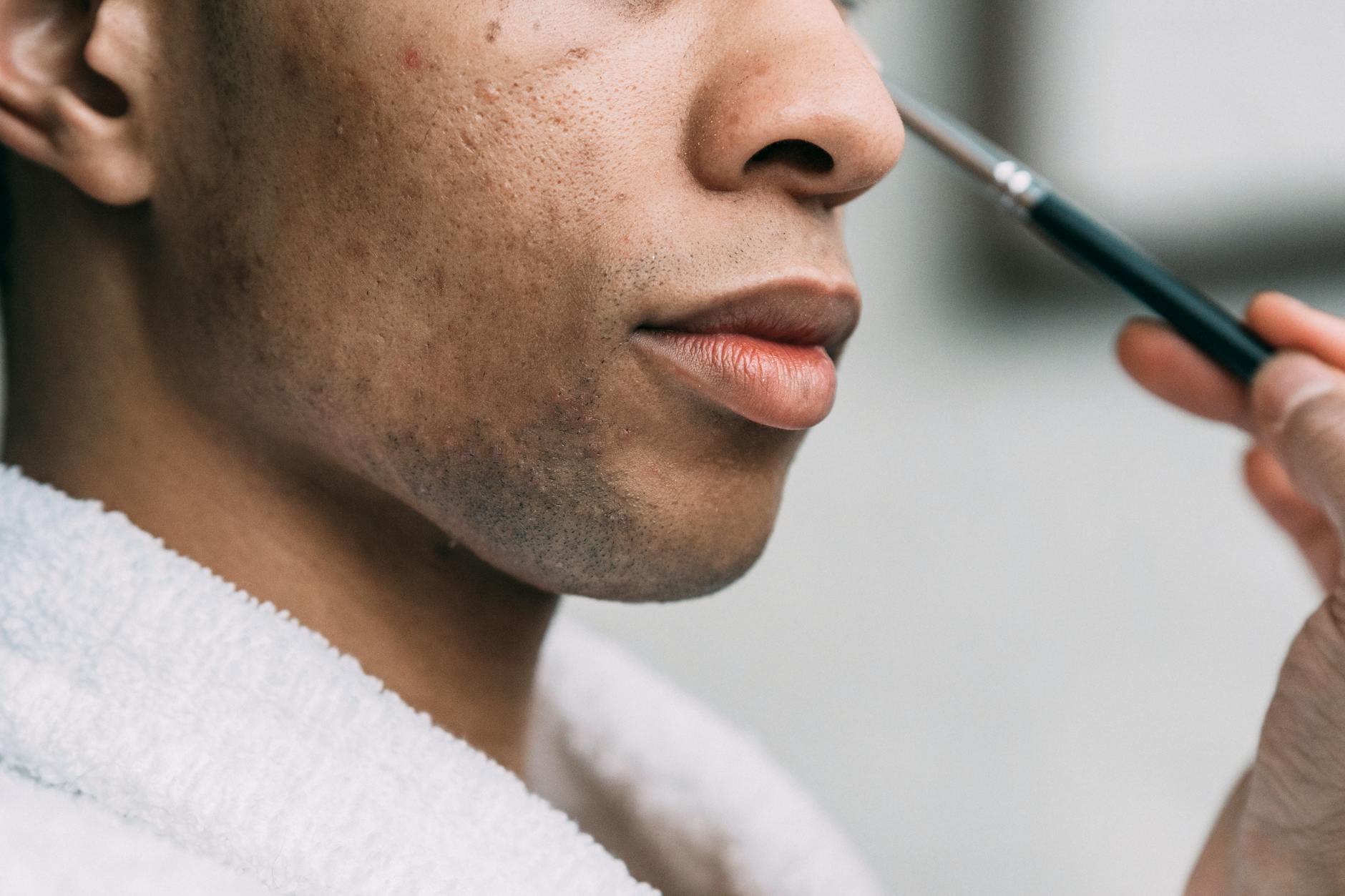
A damaged skin barrier shows up as persistent redness, especially around the mouth, cheeks, and between the eyebrows. your skin may feel tight and uncomfortable, even right after moisturizing. You might experience burning or stinging when applying any product—even gentle cleansers or your regular moisturizer. Some people develop a sandpapery texture or notice that their skin becomes unable to tolerate any actives whatsoever, including the very acids that got them into this situation.
However, barrier damage doesn’t always look red and inflamed. Some people experience the opposite reaction: their skin becomes extremely oily or develops a slick, shiny appearance as it overproduces sebum to compensate for compromised moisture retention. Others become so sensitized that they develop perioral dermatitis (a rash around the mouth) or rosacea-like flushing. The key differentiator is that these symptoms didn’t exist before you started frequent exfoliation, and they persist even when you’re being gentle. If your skin reacts poorly to everything—including products it tolerated before—you’ve likely crossed into overexfoliation territory.
The Connection Between Overexfoliation and Increased Breakouts
One of the cruelest ironies of overusing exfoliating acids is that it often makes acne worse, not better. When your barrier is compromised, it becomes more permeable to bacteria, including Cutibacterium acnes (formerly Propionibacterium acnes), the bacteria responsible for inflammatory acne. Your skin’s natural antimicrobial defenses are weakened because the barrier isn’t intact, and the tight junction proteins that normally prevent bacterial penetration are damaged. Additionally, a compromised barrier triggers increased sebum production as your skin tries to seal itself, which feeds acne-causing bacteria and clogs recently-unclogged pores. People often respond to increased breakouts by exfoliating even more, believing they simply haven’t exfoliated enough yet.
This accelerates the cycle. For example, someone using a 10% glycolic acid daily who develops pustules after two weeks might increase to using it twice daily, thinking they need stronger or more frequent treatment. Instead, they’re deepening the damage. The acne worsens because the skin barrier cannot protect itself, not because the pores need more exfoliation. Stopping exfoliation entirely, even temporarily, is often the only way to break this cycle.
Safe Exfoliation Frequency and Concentration Guidelines
Dermatologists generally recommend that most people with acne-prone or sensitive skin start with exfoliating acids no more than 1-2 times per week, using a concentration of 5-8% for AHAs and 0.5-2% for BHAs. These guidelines exist because they’re the threshold where you see benefits without significant barrier damage. If you’re new to chemical exfoliation, beginning with once weekly at the lower end of the concentration range and observing your skin for 4-6 weeks is the safest approach.
This recommendation is much lower than what many skincare brands suggest on their product labels, and much lower than what social media skincare influencers typically promote. The discrepancy exists because brands want you to use products frequently, and influencers often have acclimated, robust skin or don’t discuss the months they spent recovering from overexfoliation in earlier videos. For someone with a compromised barrier or very sensitive skin, even 1% BHA once weekly might be the appropriate starting point. Frequency and concentration must be individualized based on your skin’s current state, not based on what worked for someone else online.
Photosensitivity and Sun Damage Risk After Overexfoliation
Overused exfoliating acids—particularly AHAs, which increase photosensitivity significantly—leave your skin vulnerable to UV damage even when you think you’re protecting it. The damaged barrier provides less protection against UVA and UVB rays, and the increased skin cell turnover from exfoliation means that new, more delicate skin cells are exposed to the sun. People who overexfoliate often experience sudden, severe sunburn or hyperpigmentation from sun exposure that wouldn’t normally affect them as badly.
This is especially concerning because people using exfoliating acids are usually trying to address pigmentation issues like post-inflammatory hyperpigmentation from acne. Overexfoliation creates the opposite result: your skin becomes more prone to developing dark spots and uneven tone when exposed to sun, even with SPF protection. The damaged barrier is less able to resist UV penetration, and the inflammation triggered by overexfoliation can itself lead to increased melanin production. Anyone using chemical exfoliants must use daily SPF 30 or higher, but this becomes critical after overexfoliation when compliance is non-negotiable.

How Long Does It Take for a Damaged Barrier to Recover?
Recovery from overexfoliation typically takes 2-4 weeks if the damage is moderate, and up to 8-12 weeks if the barrier is severely compromised. During this recovery window, you should eliminate all exfoliating actives, reduce your routine to the essentials (gentle cleanser, hydrating toner if desired, moisturizer with ceramides or hyaluronic acid, SPF), and consider adding barrier-repair ingredients like niacinamide, centella asiatica, or a good-quality occlusive like petrolatum or dimethicone. Some dermatologists recommend using a barrier repair cream specifically formulated with lipids, not just moisturizers meant for general hydration. The timeline varies based on how badly the barrier was damaged and how diligent you are with recovery care.
Someone who used 10% glycolic daily for three months will have a longer recovery than someone who did the same for two weeks. Your skin’s age, genetics, and baseline sensitivity also matter—older skin generally repairs more slowly than younger skin. The good news is that skin barriers are remarkably resilient once you stop the damaging behavior and provide the right conditions for repair. Trying to speed up recovery by reintroducing exfoliation early will only restart the damage cycle.
When Should You Reintroduce Exfoliating Acids Safely?
After your skin barrier has recovered—when redness is gone, stinging sensations have stopped, and your skin feels comfortable with a basic routine—you can slowly reintroduce exfoliating acids at much lower frequency and concentration. Start with just once per week, using a product with 2-3% BHA or 5% AHA, and wait another 2-4 weeks before assessing whether you can increase frequency. Many people find that they actually get better results from their acne treatment at lower exfoliation frequencies because their skin barrier is healthy enough to tolerate other acne-fighting ingredients like benzoyl peroxide or retinoids simultaneously.
This re-introduction phase is also an opportunity to question whether you need exfoliating acids at all, or whether other methods might serve you better. Gentler physical exfoliation (a soft washcloth), enzymatic exfoliants derived from fruit, or simply using a retinoid (which provides exfoliation as a side effect) might be sufficient for your skin without the risk of barrier damage. Many people discover that their acne actually improves when they stop exfoliating frequently and focus instead on barrier health, moisture, and sun protection. The goal isn’t to use the strongest, most frequent treatments possible—it’s to achieve clear, healthy skin in a way that’s sustainable long-term.
Conclusion
Overusing exfoliating acids is one of the most common self-inflicted skincare mistakes because the damage takes a few weeks to become noticeable, and the initial results can feel encouraging. By the time most people realize they’ve overdone it, their skin barrier is significantly compromised, leading to increased sensitivity, more breakouts, and redness that can persist for months if not addressed properly. Prevention is far easier than recovery: stick to once or twice weekly exfoliation at moderate concentrations, pay attention to your skin’s signals (especially redness, burning, or unexpected breakouts), and remember that less frequent exfoliation almost always produces better long-term results than the aggressive approaches promoted online.
If you’ve already damaged your barrier through overexfoliation, the path forward is straightforward: stop exfoliating immediately, simplify your routine to barrier-repair essentials, and give your skin 4-8 weeks to recover before reintroducing any actives. Your acne might actually get worse during the first 1-2 weeks of recovery as your skin purges bacteria and adjusts to the absence of constant disruption, but this temporary flare is part of the healing process. Once your barrier is intact and your skin is calm, you’ll be in a much better position to treat acne effectively without creating new damage.
Frequently Asked Questions
Can overexfoliation cause permanent damage to my skin?
No, skin barrier damage from overexfoliation is not permanent if you stop the behavior and provide proper recovery care. The barrier is constantly regenerating, and with 4-8 weeks of dedicated barrier repair, most people see significant improvement. However, repeated cycles of overexfoliation and recovery can accelerate skin aging and may make your skin more prone to sensitivity long-term.
Is burning or stinging after exfoliation normal?
Some mild warmth is normal immediately after applying exfoliating acids, but burning or stinging that lasts more than a few minutes is a sign that the concentration is too high or you’re using it too frequently. If stinging persists after 15 minutes, your skin is telling you the product is irritating rather than benefiting it. Immediate stinging is especially concerning and suggests you should rinse the product off and reassess your approach.
How do I know if I’m exfoliating too much?
The most reliable indicator is skin that looks and feels reactive to everything: redness that doesn’t fade, burning with basic products like moisturizer, unexpected breakouts after previously having good skin, or a tight, uncomfortable feeling even with hydrating products. If your skin was fine before you started exfoliating and isn’t fine now, exfoliation is likely the culprit.
Can I use retinoids if my barrier is damaged?
No. Retinoids are exfoliating and can further damage an already-compromised barrier. Wait until your barrier has fully recovered before introducing retinoids, which should also be introduced slowly and infrequently to avoid causing the same overexfoliation damage that exfoliating acids caused.
Is it better to exfoliate daily at very low concentration or weekly at higher concentration?
Weekly at moderate concentration is better. Daily exfoliation, even at low concentrations, accumulates damage and prevents your skin from ever fully recovering. Your barrier needs days of rest between exfoliation sessions. Weekly exfoliation at a concentration that actually addresses your skin concerns is more effective and safer than constant low-dose exfoliation.