
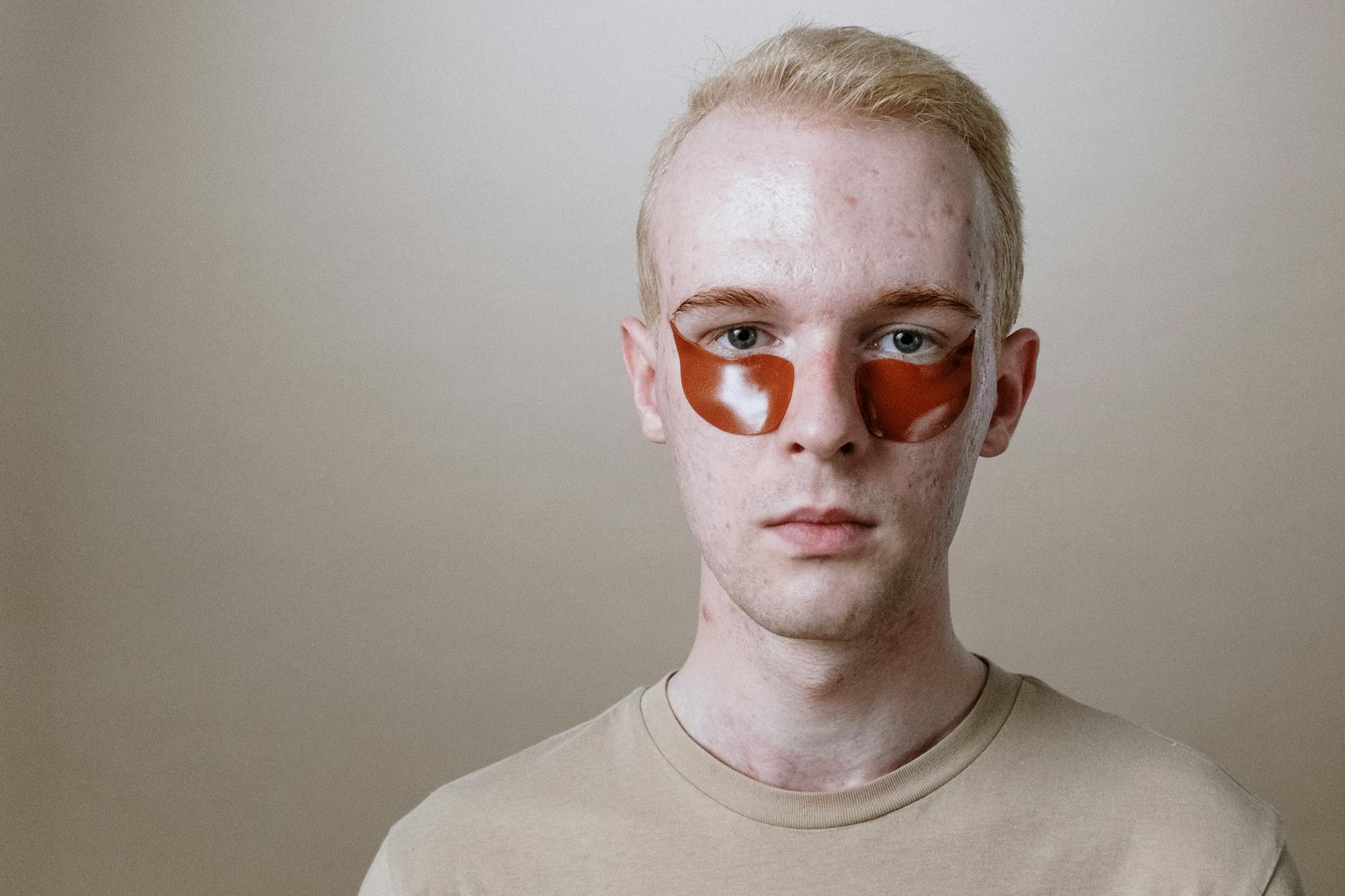
Resistant acne scars typically require a combination of multiple treatment modalities working together rather than relying on a single laser, filler, or surgical technique. A comprehensive combination protocol might look like dermal rolling followed by fractional laser resurfacing, then targeted filler placement in deeper scars, combined with radiofrequency microneedling in subsequent sessions—all sequenced strategically over several months. The reason combination protocols exist is that acne scars exist in different depths, widths, and types (atrophic, hypertrophic, or mixed), and each requires different mechanisms of action to improve. This article explores what actual combination protocols look like in clinical practice, why resistant scars need multiple approaches, how treatments are sequenced for maximum results, and what realistic timelines and expectations look like for patients pursuing comprehensive scar revision.
Table of Contents
- Why Resistant Acne Scars Don’t Respond to Single Treatments
- The Multimodal Approach—How Different Treatments Complement Each Other
- What a Real Combination Protocol Schedule Looks Like in Practice
- Tailoring the Protocol to Your Scar Type and Depth
- Timeline Expectations and the Reality of Collagen Remodeling
- Potential Complications and Advanced Considerations in Combination Therapy
- Evolving Approaches and Future Directions in Combination Scar Treatment
- Conclusion
- Frequently Asked Questions
Why Resistant Acne Scars Don’t Respond to Single Treatments
Resistant acne scars are defined as those that show minimal improvement after at least one round of a standard treatment like laser resurfacing, subcision, or dermal fillers. The resistance happens because acne scars are heterogeneous—a single deeper boxcar scar may sit next to rolling scars of different depths, sometimes with underlying collagen deficiency that a laser alone cannot address. A fractional laser can remodel collagen and improve surface irregularities, but it cannot fill the void underneath a deep scar or address the scarred tissue’s fibrous quality in all cases.
Consider a patient with severe cystic acne scarring: their scars include deep ice-pick depressions (which may be tethered with fibrous bands), wider boxcar indentations, and rolling waves of skin. A single fractional laser session might improve the overall texture and some shallow scars, but the deepest pits remain untouched because laser energy doesn’t create bulk tissue. This is why dermatologists found that combining modalities—adding subcision to break the fibrous tethering, adding filler to restore volume, and then resurfacing with laser—produces better results than any single approach.
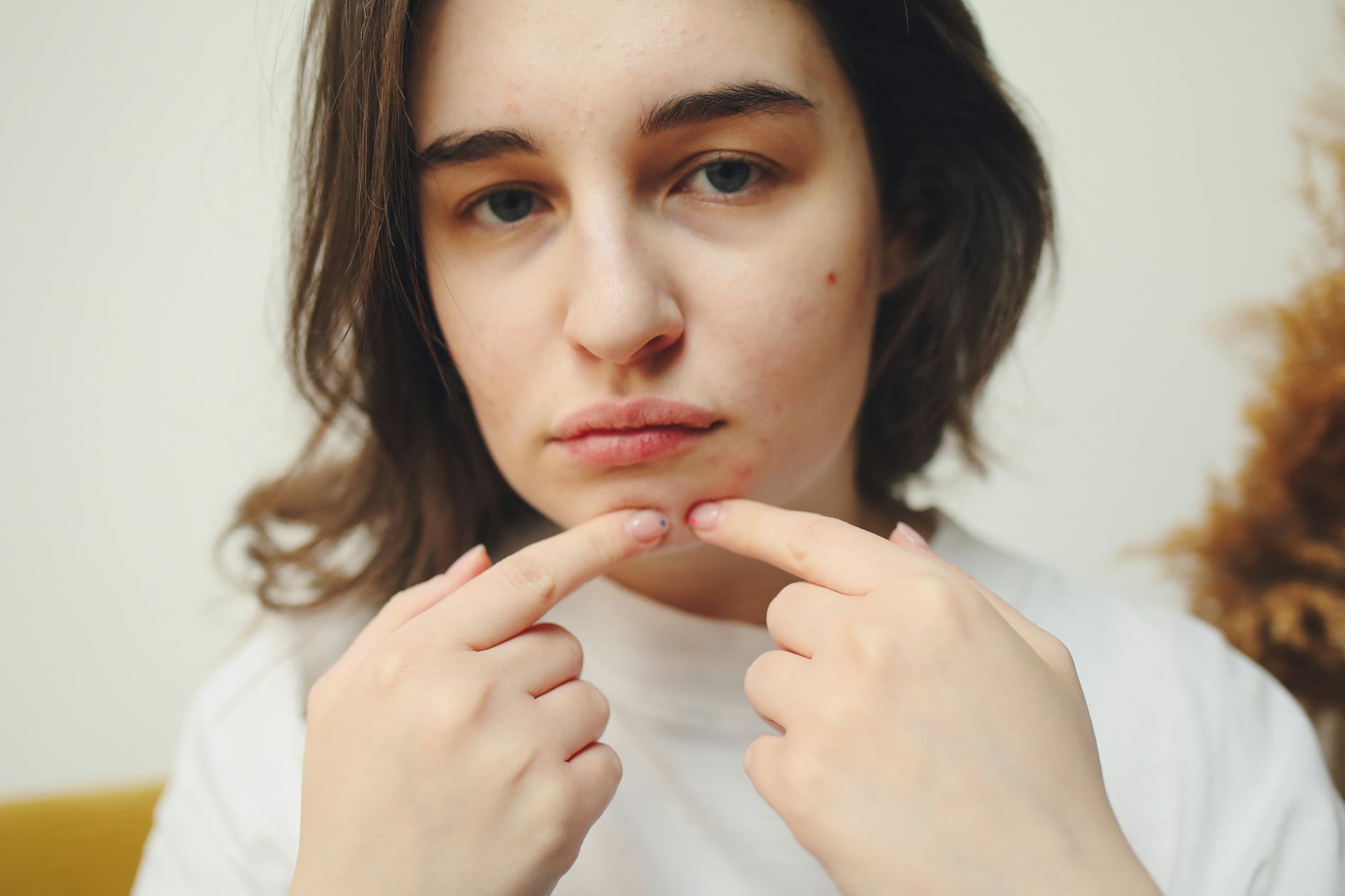
The Multimodal Approach—How Different Treatments Complement Each Other
Combination protocols work by addressing the three core problems in resistant scarring: (1) loss of volume or depth, (2) collagen deficiency and fibrous adhesions, and (3) surface texture irregularities. Each modality targets one or more of these. subcision (the surgical undercutting of scar tissue) breaks the tethering bands that hold deep scars down, allowing the skin to rise. Dermal fillers restore the volume that was lost, filling the void left by acne. Fractional laser stimulates new collagen deposition and ablates damaged surface tissue.
Radiofrequency microneedling combines the mechanical injury of needling with heat to drive collagen remodeling without the downtime of ablative lasers. However, the sequence matters critically. If you use filler before subcision, the filler may be displaced or compressed when the scar is released underneath. If you use aggressive laser resurfacing before the skin has healed from subcision, you risk delayed healing or widened scars. A properly designed protocol staggers treatments so that collagen remodeling from earlier sessions has time to establish before applying new trauma. This typically means waiting 6–8 weeks between subcision and laser, and another 4–6 weeks before adding radiofrequency treatments in later phases.
What a Real Combination Protocol Schedule Looks Like in Practice
A typical three-phase combination protocol for moderate-to-severe resistant scars might unfold as follows: Phase 1 (weeks 0–8) includes subcision of the deepest, most tethered scars, followed by immediate or same-session filler injection to restore volume. The patient experiences downtime of 5–7 days with bruising and swelling. Phase 2 (weeks 6–10) involves fractional laser resurfacing, usually CO2 or erbium-doped laser, which creates controlled injury to stimulate collagen and improve surface texture. Downtime is 7–10 days with erythema and peeling.
Phase 3 (weeks 12–20) may include radiofrequency microneedling sessions (which require less downtime than ablative laser, typically 2–4 days) spaced 4 weeks apart. A patient undergoing this full protocol might have two RF sessions in the third phase. Between phases, the skin heals and collagen matures. The entire process typically spans 5–6 months. A real example: a 28-year-old with deep boxcar and ice-pick scars across both cheeks underwent subcision and filler in January, laser resurfacing in March, and two RF microneedling sessions in May and June, with noticeable scar improvement by late summer.

Tailoring the Protocol to Your Scar Type and Depth
Not all resistant scars warrant the same protocol. Deep, narrow ice-pick scars may benefit more from subcision plus TCA cross (a chemical peeling technique) than from laser, because laser cannot easily reach the narrowness. Wider boxcar scars respond well to the full combination of subcision, filler, and laser. Rolling scars—which are broader and shallower—may be treated effectively with just laser and radiofrequency without needing subcision.
A dermatologist should assess scar depth using tactile examination and sometimes ultrasound or optical imaging to determine which scars truly need subcision versus which will respond to resurfacing alone. This customization matters because unnecessary subcision adds cost and downtime without benefit. Conversely, skipping subcision on a deeply tethered scar leaves volume loss unfixed, and filler alone may not provide lasting results if the fibrous bands continue pulling the skin down. The key limitation: most combination protocols require 4–6 months and multiple office visits, which not all patients can commit to or afford. Some practitioners offer accelerated protocols with treatments closer together, but this increases risk of compromised healing and suboptimal results.
Timeline Expectations and the Reality of Collagen Remodeling
One of the most common frustrations with combination protocols is the delayed gratification—patients don’t see major improvements for 3–4 months. This is because collagen remodeling is a biological process that takes time. Laser and radiofrequency create controlled thermal injury, which triggers the body’s healing cascade and new collagen synthesis. This synthesis peaks around 8–12 weeks post-treatment and continues for up to a year. So a patient who completes laser resurfacing in March may not see the full benefit until June or July.
This timeline also means that photographs taken immediately after treatment are misleading. Erythema (redness) and swelling in the first 2 weeks make scars look worse temporarily. By week 4–6, the redness fades and the skin begins looking smoother, but the final remodeling is still underway. It’s not uncommon for dermatologists to recommend holding off on additional treatments or final assessment until at least 3 months post-laser to see true results. A warning: if a patient becomes impatient and adds aggressive treatments too early, they risk complications like persistent erythema, delayed healing, or worsening of scars.

Potential Complications and Advanced Considerations in Combination Therapy
Combining multiple resurfacing treatments increases the risk of adverse effects compared to single-modality treatment. Hypertrophic (thickened) or keloid scar formation is rare but possible if the skin is treated too aggressively or if the patient has a predisposition. Paradoxical worsening—where scars appear deeper or more prominent in the weeks following treatment—can occur if swelling and erythema are misinterpreted as scar progression rather than normal post-treatment inflammation.
Post-inflammatory hyperpigmentation (darkening of the skin) is more common in darker skin types and can last months. Advanced protocols sometimes include adjunctive treatments like autologous fat transfer (using the patient’s own fat as filler) instead of hyaluronic acid, which lasts longer but requires a small surgical harvest procedure. Some practices add chemical peels (like salicylic acid) between laser sessions to maintain improvement momentum, though this must be done carefully to avoid overtreatment. Another emerging approach is combining laser with topical treatments like vitamin A and vitamin C to enhance collagen synthesis between sessions.
Evolving Approaches and Future Directions in Combination Scar Treatment
The field of acne scar treatment is shifting toward more precision and less downtime. Newer fractional lasers offer adjustable depth and coverage settings, allowing for gentler, more customizable treatments that can be stacked in shorter intervals. Non-ablative radiofrequency systems are becoming more popular because they offer collagen remodeling with significantly less downtime than CO2 laser, making them suitable for patients who cannot take a week off work.
Emerging combination protocols are also incorporating biological agents like platelet-rich plasma (PRP) or exosomes, which are injected after microneedling to enhance the inflammatory cascade and collagen production. The evidence for these adjuncts is still building, but early data suggests they may improve results and reduce required session numbers. As a forward-looking insight: the future of combination scar protocols likely involves AI-assisted imaging to predict treatment response before starting, allowing dermatologists to personalize protocols even more precisely based on scar morphology and patient skin type.
Conclusion
A comprehensive combination protocol for resistant acne scars integrates multiple modalities—typically subcision, fillers, fractional laser, and radiofrequency microneedling—sequenced carefully over 4–6 months to address the layered problems of scar depth, volume loss, and surface irregularities. Success depends on matching the protocol to the individual’s scar type, maintaining proper intervals between treatments to allow healing and collagen remodeling, and realistic patient expectations about timelines.
If you have resistant acne scars, the first step is a detailed consultation with a dermatologist who can assess your scars’ depth and morphology, explain which combination of modalities is likely to help, and outline the realistic timeline and costs. Single treatments rarely succeed for truly resistant scars, but a well-designed combination protocol offers substantially better outcomes than any single approach.
Frequently Asked Questions
How many treatments are in a typical combination protocol?
Most comprehensive combination protocols involve 4–6 treatment sessions spread over 4–6 months. This includes one or two subcision sessions, one to two laser resurfacing sessions, and two to three radiofrequency microneedling sessions. Some patients need additional sessions depending on improvement and new scarring concerns.
Can I space treatments closer together to finish faster?
While some practitioners offer accelerated protocols, spacing treatments too closely (less than 4 weeks apart) increases the risk of poor healing, persistent inflammation, and compromised results. The biological remodeling of collagen requires time, and overlapping treatment trauma can be counterproductive.
Will fillers used in my protocol be permanent?
Most fillers used in combination scar protocols are hyaluronic acid-based and last 12–18 months. The benefit is that they’re reversible and allow time to assess if additional filler is needed after collagen remodeling from laser and radiofrequency. Some patients choose longer-lasting fillers or fat transfer for deeper scars, which requires surgery but lasts years.
How much downtime should I expect overall?
The total downtime across a full protocol is typically 3–4 weeks spread over 5–6 months (not consecutive). Subcision causes 5–7 days of bruising. Laser causes 7–10 days of erythema and peeling. Radiofrequency microneedling causes 2–4 days of redness. Between treatments, you can usually return to normal activities within a few days.
Can combination protocols work for all skin types?
Combination protocols can be tailored for all skin types, but darker skin requires more caution with ablative laser and aggressive resurfacing due to higher risk of post-inflammatory hyperpigmentation. Non-ablative radiofrequency and subcision with filler are safer and effective options for darker skin types.
What’s the success rate for resistant scars with combination protocols?
Published data shows 50–80% improvement (not complete resolution) in moderate-to-severe resistant scars treated with combination protocols. “Improvement” typically means scars are much less noticeable to the naked eye, though some pitting may remain. Full scar erasure is not realistic; the goal is significant cosmetic improvement.