
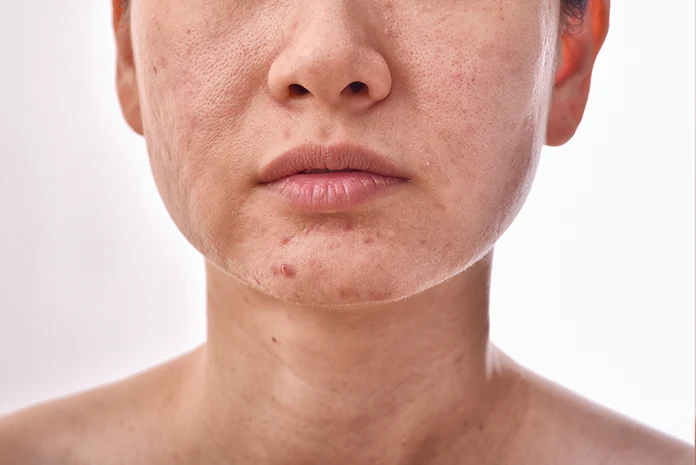
What Causes Acne That Looks Like a Rash
Sometimes people get breakouts on their skin that look like acne but spread out more like a rash. These are not always regular pimples from clogged pores. Instead, they can come from infections, allergies, or other skin issues that make small red bumps cluster together. Understanding the real cause helps pick the right way to treat it.
One common type is fungal acne, also called pityrosporum folliculitis. This happens when a yeast called Malassezia grows too much in hair follicles. It leads to small, uniform red or skin-colored bumps that itch a lot and group up, often on the chest, back, shoulders, or face. Unlike bacterial acne, it feels itchy more than painful and can leave dark spots or scars if scratched.
Bacterial infections like MRSA can also cause this. Staph bacteria, which live harmlessly on many people’s skin, enter through cuts or bug bites. They create swollen, painful red bumps that look like pimples or spider bites. These can fill with pus, feel warm, and turn into boils if not treated. It spreads easily through skin contact, especially in crowded places.
Perioral dermatitis shows up as a red, bumpy rash around the mouth, nose, chin, or eyes. People describe it as irritated, sore, and rashy. The bumps stay red and papular without heads like true acne pimples. Triggers include stress, heavy makeup, strong skincare like retinol, or stopping steroid creams. It is not hormonal like acne but can link to birth control or pregnancy changes in some cases.
Rosacea brings flushed skin and a rash on the nose and cheeks. It causes chronic redness with bumps that mimic acne. Inflammatory skin conditions like eczema or psoriasis add to the mix. Eczema makes dry, itchy patches that flare up, while psoriasis speeds up skin cell growth for scaly plaques.
Allergic reactions or contact dermatitis play a role too. Soaps, fragrances, metals like nickel, or plants like poison ivy irritate the skin. This leads to redness, itching, raised bumps, or blisters that look rash-like.
Other factors include irritants from detergents, medications, infections like fungal or viral ones, autoimmune issues, or even stress. Environmental exposures and illness weaken the skin barrier, letting problems start.
Proper diagnosis matters because treatments differ. Fungal acne needs antifungal care, not acne creams. Bacterial spots may require antibiotics. Seeing a doctor rules out look-alikes and avoids wrong fixes like squeezing bumps.
Sources
https://cosmeticdermatologystlouis.com/skin-rashes/
https://syraaesthetics.com/blog/fungal-acne-treatment/
https://www.mayoclinic.org/diseases-conditions/mrsa/symptoms-causes/syc-20375336
https://www.skindepth.com.au/blogs/news/dr-alice-rudd-explains-perioral-dermatitis
https://www.agelockskinclinics.com/blog/all-you-need-to-know-about-rosacea-symptoms-causes-and-treatment/
https://familydoctor.org/symptoms/skin-rashes-other-skin-problems-2/