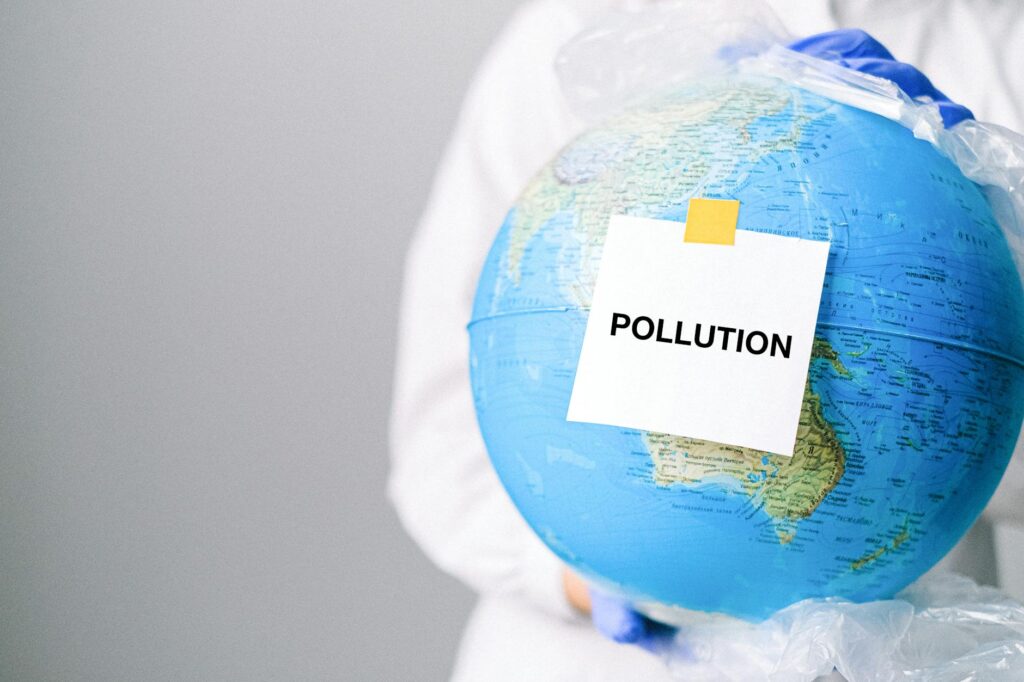
Yes—pollution is directly linked to increased acne in urban areas. A comprehensive systematic review published in *Skin Health and Disease* (Oxford Academic) in February 2026 confirms that environmental pollution acts as a trigger for acne development and worsening through multiple pathways including oxidative stress, inflammation, and skin barrier disruption. This connection isn’t theoretical; in dense urban centers like Beijing and Shanghai, where air quality monitoring is rigorous, researchers have documented measurable spikes in acne clinic visits that correlate with rises in specific pollutants.
If you live in a city with heavy traffic or industrial activity and your acne seems to worsen on smoggy days, the relationship between the air you breathe and the breakouts on your skin is backed by peer-reviewed clinical evidence. This article explores what we now know about how pollution damages skin and triggers acne, which specific pollutants matter most, and what dermatologists recommend for managing acne in urban environments. Understanding this connection helps you distinguish between acne caused by pollution and acne from other sources—a critical difference if you’re trying to treat it effectively.
Table of Contents
- Which Pollutants Actually Trigger Acne in Urban Areas?
- How Pollution Actually Damages Your Skin and Causes Acne
- The Evidence from Hospital Data and Urban Acne Studies
- How to Tell If Pollution Is Making Your Acne Worse
- Protecting Your Skin from Pollution-Induced Acne
- What Dermatologists Say About Pollution and Acne
- Latest Research and the Future of Understanding Pollution-Acne Links
- Conclusion
Which Pollutants Actually Trigger Acne in Urban Areas?
Not all air pollution affects skin equally. Research has identified specific culprits: PM2.5 (fine particulate matter smaller than 2.5 micrometers), PM10 (larger particulates), nitrogen dioxide (NO₂), and sulfur dioxide (SO₂). A major epidemiological study tracking 59,530 acne patients in Beijing over two years found significant associations between outpatient visits for acne and increased ambient concentrations of traffic- and industry-related pollutants.
The link wasn’t subtle—when pollution levels spiked, acne clinic visits rose in measurable patterns. A hospital-based analysis examined 71,625 outpatient acne visits over a three-year period (2010-2013) and found that increases in SO₂ and NO₂ concentrations corresponded directly to significant rises in acne clinic visits. This matters because it demonstrates causation isn’t just correlation; these specific pollutants have documented effects on acne development. The distinction is important: you could reduce fine particulate matter through an air filter but still face acne triggers from NO₂ if you live near a highway with heavy traffic.
How Pollution Actually Damages Your Skin and Causes Acne
At the cellular level, air pollutants trigger oxidative stress—a cascade of chemical damage that overwhelms your skin’s natural antioxidant defenses. Research has documented that particulate matter and chemical pollutants reduce vitamin E and squalene levels (natural protective compounds in skin), while simultaneously increasing lipid peroxidation (damage to the fats that form your skin barrier). This dual effect weakens the skin barrier while ramping up inflammation, creating ideal conditions for acne formation.
An 8-week clinical study of acne patients exposed to pollution found correlations between pollutant exposure and increased sebum secretion—the oily substance that feeds acne bacteria. Participants showed measurable increases in both inflammatory lesions (red, painful breakouts) and comedonal lesions (blackheads and whiteheads). However, if you live in a polluted city, this doesn’t mean everyone develops acne equally; individual factors like genetics, skin type, and existing acne severity determine whether you’ll experience worsening. Two people breathing the same air can have very different responses.
The Evidence from Hospital Data and Urban Acne Studies
The Beijing research provides the strongest population-level evidence we have. By tracking nearly 60,000 acne patients and correlating their clinic visits with air quality data, researchers established that the link between pollution and acne isn’t isolated to one city or one population. Similar patterns emerged in hospital data from other dense urban centers, where SO₂ and NO₂ spikes reliably preceded increases in acne-related dermatology visits.
This evidence comes from real clinic data, not laboratory studies—meaning dermatologists were actually seeing more acne patients on high-pollution days. Consider the difference between cities: Mexico City and Shanghai, both with significant air quality challenges, show measurable pollution-acne correlations in their public health data. In contrast, areas with stringent air quality standards show less pronounced seasonal variation in acne clinic visits. This geographical variation suggests that if you relocate from a heavily polluted city to an area with cleaner air, your acne may improve—though other factors like water quality, stress, and diet also shift.

How to Tell If Pollution Is Making Your Acne Worse
If your acne flares during smoggy periods or consistently worsens in certain seasons, pollution exposure may be a significant factor. One practical indicator: track whether your breakouts cluster on high air quality index (AQI) days. If you notice a pattern where acne worsens when the AQI exceeds 100-150, or when you spend extended time outdoors in polluted conditions, pollution is likely contributing to your breakouts. Pay attention to where breakouts appear and their character.
Pollution-triggered acne tends to appear on exposed skin (face, neck, upper chest) rather than solely in areas prone to bacterial or hormonal acne. The inflammation tends to be more diffuse and widespread rather than concentrated in your T-zone or along your jawline. However, pollution rarely causes acne entirely on its own—it typically exacerbates existing acne or combines with other triggers. If your acne completely disappeared during a month-long vacation in a rural area with clean air, then returned within days of coming back to the city, pollution exposure is almost certainly playing a role.
Protecting Your Skin from Pollution-Induced Acne
The most direct approach is barrier support and antioxidant protection. Since pollution reduces skin vitamin E and increases lipid peroxidation, using a skincare routine with antioxidant serums (vitamin C, niacinamide) and ceramide-rich moisturizers can help offset some of the damage. A study examining how to counteract pollution’s effects found that strengthening the skin barrier reduces acne incidence in polluted environments. However, there’s a limitation worth acknowledging: topical skincare can mitigate some pollution damage but cannot fully prevent it.
You cannot barrier-repair your way out of breathing heavily polluted air. While daily cleansing with a gentle cleanser (not harsh scrubbing) removes particulate matter from your skin, the pollutants you inhale directly into your lungs and absorbed through skin still trigger systemic inflammation. Comparison: spending 30 minutes per day applying antioxidant products while spending 8 hours in a heavily polluted environment provides partial protection, not complete prevention. Your best defense combines skin protection with air quality management—using air filters at home, considering a high-quality mask on high-AQI days, and minimizing outdoor exercise during peak pollution hours.
What Dermatologists Say About Pollution and Acne
A professional survey found that 67% of dermatologists personally believe pollution exposure makes acne worse—a striking consensus in a field where treatment approaches vary widely. This means most dermatologists routinely factor pollution exposure into their acne management discussions with urban patients.
When dermatologists treat acne in major cities, they increasingly recommend combined approaches: standard acne treatments (retinoids, benzoyl peroxide, or oral medications for severe cases) plus pollution-specific preventive measures. The dermatological consensus suggests that in highly polluted areas, conventional acne treatments may need adjustment. For example, a patient experiencing pollution-exacerbated acne might benefit from adding an anti-inflammatory component (like niacinamide or sulfur-based treatments) rather than simply increasing retinoid strength, which could over-irritate already compromised barrier function.
Latest Research and the Future of Understanding Pollution-Acne Links
Recent publications in the *International Journal of Dermatology* (2025) have expanded our understanding beyond direct oxidative stress. New research documents air pollution’s impact through skin microbiome dysbiosis—meaning pollution disrupts the healthy bacterial balance on your skin, allowing acne-causing bacteria to proliferate more easily.
This represents a significant shift in how we understand the mechanism; it’s not just oxidative damage, but also disruption of your skin’s microbial ecosystem. These emerging findings suggest that future acne treatments for urban patients may include targeted probiotics or microbiome-balancing approaches alongside traditional acne therapies. As research continues to document these mechanisms, dermatologists will likely develop more sophisticated protocols specifically for pollution-induced acne, moving beyond one-size-fits-all acne treatment.
Conclusion
The evidence is clear: pollution exposure in urban areas triggers and worsens acne through oxidative stress, skin barrier disruption, increased sebum production, and microbiome dysbiosis. If you live in a city with moderate to poor air quality and struggle with acne, pollution is almost certainly a contributing factor. This doesn’t mean you’re powerless—understanding the mechanism allows you to take targeted action both through skincare (antioxidant protection, barrier strengthening) and environmental management (air filtration, strategic outdoor timing, masks on high-AQI days).
The next step is honest self-assessment: track your breakouts against local air quality data for 4-6 weeks to determine how significant pollution’s role is in your specific acne pattern. If a clear correlation emerges, discuss pollution-specific treatment modifications with a dermatologist. Standard acne treatments remain effective, but knowing that pollution is part of your acne story allows for more targeted, comprehensive management—and in some cases, moving to a less polluted area or spending extended time away from urban pollution has resolved stubborn acne entirely.