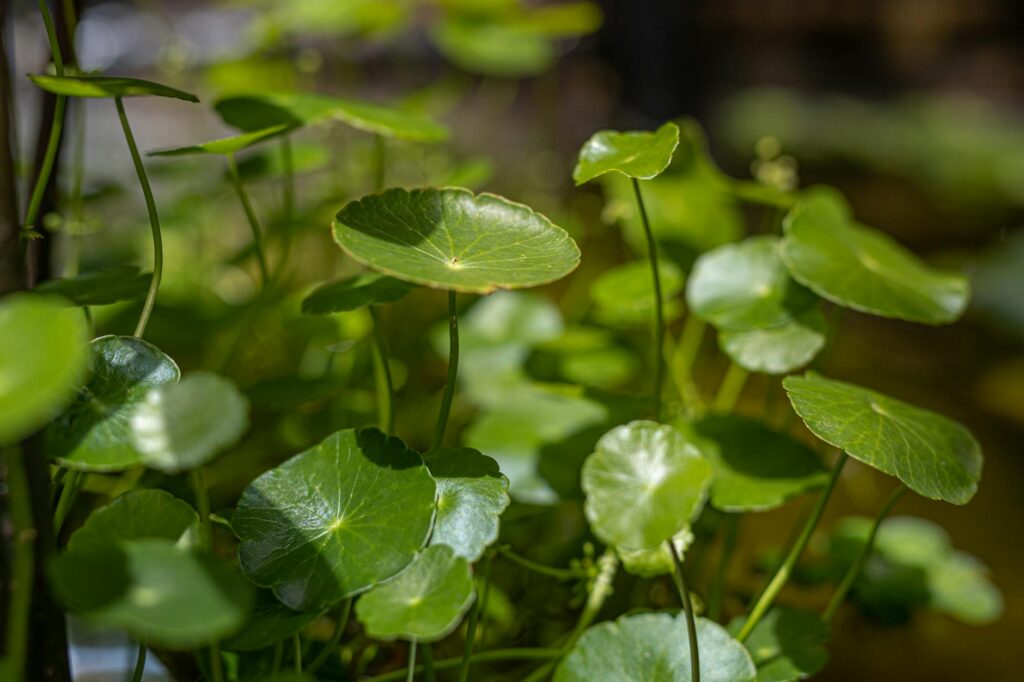
To use centella asiatica for acne healing, apply a serum or cream containing 1-5% centella extract or its derivatives (madecassoside, asiaticoside) to clean skin once or twice daily, focusing on active breakouts and post-acne marks. The most effective approach involves layering a centella-based toner or essence first, followed by a concentrated treatment product, then sealing with a moisturizer that won’t clog pores. For example, someone dealing with inflammatory cystic acne along the jawline might apply a madecassoside ampoule directly to lesions after cleansing, wait for absorption, then follow with a centella-infused gel moisturizer””this layered method delivers both immediate soothing and sustained healing support throughout the day.
Centella asiatica works on acne through multiple mechanisms: it reduces inflammation that causes redness and swelling, accelerates wound healing to prevent scarring, and strengthens the skin barrier that acne and harsh treatments often compromise. The plant’s active compounds””primarily asiaticoside, madecassoside, asiatic acid, and madecassic acid””stimulate collagen production and improve microcirculation, which explains why it’s particularly valuable during the healing phase after a breakout rather than as a primary acne-fighting ingredient. This distinction matters because centella won’t prevent new pimples the way salicylic acid or benzoyl peroxide will, but it excels at helping existing damage resolve faster and with less scarring. This article covers how centella’s specific compounds target different aspects of acne healing, which product formats work best for various acne types, how to layer centella with other active ingredients, realistic timelines for results, potential limitations, and how to identify quality formulations versus marketing gimmicks.
Table of Contents
- What Makes Centella Asiatica Effective for Healing Acne Lesions?
- How Centella Addresses Different Types of Acne Damage
- Choosing the Right Centella Product Format for Your Acne Type
- When Centella Alone Won’t Solve Your Acne Problem
- Identifying Quality Centella Formulations vs. Marketing Hype
- The Future of Centella Research and Formulation
- Conclusion
What Makes Centella Asiatica Effective for Healing Acne Lesions?
Centella asiatica’s acne-healing abilities stem from its four primary triterpene compounds, each contributing distinct therapeutic effects. Asiaticoside and madecassoside function as anti-inflammatory agents, reducing the redness, heat, and swelling that characterize inflamed pimples. Asiatic acid and madecassic acid stimulate fibroblast activity and collagen synthesis, which accelerates tissue repair and helps prevent the depressed or raised scars that form when healing goes awry. Research published in the Journal of Ethnopharmacology demonstrated that madecassoside specifically inhibits the inflammatory cascade triggered by Cutibacterium acnes bacteria, making it particularly relevant for bacterial acne rather than purely hormonal or fungal types. The comparison between centella and other soothing ingredients reveals important distinctions. Aloe vera provides surface hydration and mild anti-inflammatory effects but lacks centella’s collagen-stimulating properties.
Niacinamide reduces inflammation and regulates sebum but doesn’t directly promote wound healing. Centella occupies a unique position by addressing the recovery phase specifically””the days and weeks after a pimple forms when the skin must rebuild damaged tissue. A clinical study comparing wound healing rates found centella extract reduced healing time by approximately 30% compared to control groups, though this research examined general wounds rather than acne specifically. However, centella’s effectiveness varies significantly based on extraction methods and concentration. Whole plant extracts contain the full spectrum of compounds but at lower individual concentrations, while isolated derivatives like pure madecassoside deliver targeted effects at higher potency. Products listing “centella asiatica extract” without specifying the triterpene content may contain negligible active amounts””sometimes as low as 0.01%””included primarily for label appeal rather than therapeutic benefit.
How Centella Addresses Different Types of Acne Damage
Not all acne damage responds equally to centella treatment. Inflammatory acne””papules, pustules, and cysts characterized by redness and swelling””benefits most because centella directly counteracts the inflammatory response. When applied to an active inflamed lesion, centella can reduce visible redness within hours and may shorten the lesion’s lifespan by several days. Post-inflammatory erythema (PIE), the pink or red marks left after acne heals, also responds well because centella improves microcirculation and supports vascular health, helping these marks fade faster than they would naturally. Post-inflammatory hyperpigmentation (PIH)””the brown or dark marks more common in deeper skin tones””presents a different challenge. Centella doesn’t inhibit melanin production the way vitamin C, arbutin, or tranexamic acid do, so it won’t directly lighten these marks.
However, by accelerating overall skin healing and turnover, centella can indirectly support PIH resolution. Someone with both PIE and PIH would benefit from combining centella with a tyrosinase inhibitor rather than relying on centella alone for pigmentation concerns. Atrophic scarring””the pitted or depressed scars from severe acne””represents centella’s most limited application. While centella’s collagen-stimulating properties theoretically help, established atrophic scars involve significant dermal damage that topical products cannot fully reverse. Centella may provide modest improvement in scar texture and depth, particularly for newer scars still in the remodeling phase (first 6-12 months), but expectations should remain realistic. For deep ice pick or boxcar scars, professional treatments like microneedling, laser resurfacing, or subcision remain necessary, though centella can support recovery from these procedures.
Choosing the Right Centella Product Format for Your Acne Type
Product format significantly influences how centella reaches and affects acne-prone skin. Serums and ampoules typically contain higher concentrations of active ingredients in lightweight bases that penetrate effectively, making them ideal for oily or combination skin prone to congestion. The COSRX Centella Blemish Ampule, for instance, contains 80% centella leaf water plus added asiaticoside and madecassoside, delivering meaningful doses without heavy emollients that might trigger additional breakouts. Similarly, the Purito Centella Unscented Serum offers 49% centella extract in a minimal formula suitable for sensitive, acne-prone skin. Creams and moisturizers containing centella serve a different purpose, providing both healing support and hydration in a single step. These work well for those with dry or dehydrated acne-prone skin””a combination more common than many assume, especially among those who’ve damaged their barrier with aggressive acne treatments. The Dr. Jart+ Cicapair Tiger Grass Cream demonstrates this approach, though its richer texture may prove too heavy for very oily skin types. Sheet masks and sleeping packs offer intensive single-use treatments but shouldn’t replace daily application for consistent results. For someone dealing with severe inflammatory acne across multiple face zones, layering formats often proves most effective: a centella toner (like the Skin1004 Madagascar Centella Asiatica Toning Toner) applied across the entire face, followed by a concentrated serum on active lesions and healing marks, finished with an appropriate moisturizer. This tiered approach delivers centella at multiple penetration depths. However, if your skin is extremely sensitive or compromised, introducing all these products simultaneously risks irritation””start with one format, confirm tolerance over two weeks, then consider layering. ## How to Layer Centella with Other Acne-Fighting Ingredients Centella pairs well with most acne treatments but timing and layering order affect results.
With benzoyl peroxide””a powerful antibacterial that commonly causes dryness and irritation””centella functions as an ideal soothing partner. Apply benzoyl peroxide first (waiting until it fully absorbs or dries), then layer centella products over top. The centella won’t interfere with benzoyl peroxide’s antibacterial action but will mitigate some of the resulting inflammation and barrier disruption. Someone using a 5% benzoyl peroxide wash might follow their morning routine with a centella serum to counteract the drying effects throughout the day. Retinoids present a similar dynamic. Whether using prescription tretinoin or over-the-counter retinol, these vitamin A derivatives accelerate cell turnover and prevent clogged pores but frequently cause redness, peeling, and sensitivity””especially during the adjustment period. Centella applied before retinoids can provide a buffer (though this may slightly reduce retinoid penetration), while centella applied after helps calm the irritation response. Many dermatologists now recommend this combination specifically because centella allows patients to maintain retinoid use that they might otherwise abandon due to side effects. The tradeoff with combining multiple actives involves prioritizing which ingredient reaches skin first and at highest concentration. Acids like salicylic or glycolic require low pH to function and should go on clean skin before other products, including centella. Niacinamide layers well with centella at any point in a routine. Vitamin C serums, particularly L-ascorbic acid formulations, work best at low pH on bare skin, with centella following after. The general principle: treatments that require specific conditions or penetration depth go first, while centella’s benefits remain effective even when layered later in a routine.
When Centella Alone Won’t Solve Your Acne Problem
Understanding centella’s limitations prevents frustration and wasted effort. Centella does not kill acne-causing bacteria, regulate hormones, or unclog pores””the three primary mechanisms that prevent new acne formation. Someone experiencing continuous new breakouts needs ingredients that address root causes: salicylic acid for pore clearing, benzoyl peroxide for bacterial reduction, or prescription treatments like spironolactone or isotretinoin for hormonal or severe cases. Relying on centella alone for active acne is like focusing exclusively on wound care while ignoring the ongoing source of injury. Fungal acne (malassezia folliculitis) represents another scenario where centella offers limited help. This condition resembles bacterial acne visually but stems from yeast overgrowth rather than bacterial infection.
Centella’s anti-inflammatory properties might reduce some redness, but without antifungal treatment (like ketoconazole or zinc pyrithione), the underlying condition persists. If you’ve noticed that your acne doesn’t respond to typical bacterial-targeting treatments, or worsens with heavy moisturizers and oils, fungal involvement may explain centella’s apparent ineffectiveness. Hormonal acne””typically presenting as deep, painful cysts along the jawline and chin that follow menstrual cycles””also exceeds centella’s capabilities. These lesions originate from hormonal fluctuations affecting oil gland activity, and no topical ingredient addresses that internal trigger. Centella can still help these lesions heal faster once they’ve formed and may reduce the severity of scarring, but expecting centella to prevent hormonal breakouts leads to disappointment. For anyone with persistent hormonal patterns, consulting a dermatologist about systemic treatments yields better results than searching for the perfect topical.
Identifying Quality Centella Formulations vs. Marketing Hype
The skincare industry’s embrace of “cica” (shorthand for cicatricatrice, referring to centella’s scar-healing reputation) has produced countless products ranging from genuinely effective to essentially useless. Meaningful centella products specify their active compound content””look for labels listing madecassoside, asiaticoside, asiatic acid, or madecassic acid with percentages, or centella asiatica extract at concentrations above 40%. Standardized extracts like TECA (Titrated Extract of Centella Asiatica) indicate controlled ratios of the four main triterpenes, ensuring consistent potency batch to batch. Products listing centella asiatica at the end of lengthy ingredient lists, or those emphasizing “centella water” without additional concentrated extracts, typically contain minimal active amounts.
For example, a product might advertise “contains centella asiatica” while the actual concentration sits below 0.5%””enough for the marketing claim, insufficient for therapeutic effect. Compare this to formulations like La Roche-Posay Cicaplast Baume B5, which uses a proprietary madecassoside concentration that clinical studies have validated for wound healing, or the Isntree Spot Saver Mugwort Ampoule combining centella with other soothing compounds at effective levels. Price doesn’t reliably indicate quality in this category. Some Korean brands offer highly concentrated centella products at accessible price points through efficient production and lower marketing costs, while prestige Western brands may charge premium prices for basic formulations. Reading ingredient lists and researching specific products’ active percentages provides more reliable guidance than assuming expensive means effective.
The Future of Centella Research and Formulation
Emerging research continues expanding understanding of centella’s potential in dermatology beyond basic anti-inflammatory effects. Studies examining centella’s impact on the skin microbiome suggest it may support beneficial bacterial populations while creating unfavorable conditions for pathogenic strains””a more nuanced mechanism than simple anti-inflammatory action. This research could eventually lead to centella formulations specifically designed to rebalance acne-prone skin’s microbial ecosystem rather than just treating symptoms.
Delivery system innovations also promise improved centella efficacy. Liposomal and nanoparticle encapsulation technologies can enhance penetration depth and sustained release, potentially allowing lower total concentrations to achieve equal or superior results. Some newer formulations already employ these technologies, though meaningful clinical data comparing them to traditional formulations remains limited. For now, consistent application of well-formulated conventional products produces reliable results, while keeping aware of advancing technologies helps identify genuinely improved options as they emerge with supporting evidence.
Conclusion
Using centella asiatica for acne healing works best when you understand it as a recovery support ingredient rather than an acne prevention treatment. Apply formulations containing meaningful concentrations (look for 1-5% of active triterpenes or 40%+ whole extract) to clean skin daily, focusing on inflamed lesions and healing marks. Layer appropriately with other acne-fighting ingredients, using centella to buffer irritation from benzoyl peroxide, retinoids, and acids while these primary treatments address the root causes of breakouts.
The most successful approach combines centella with ingredients that actually prevent acne””salicylic acid for pore clearing, benzoyl peroxide for bacteria, retinoids for cell turnover””rather than relying on centella alone. Choose product formats appropriate for your skin type, remain skeptical of products with vague centella claims, and maintain realistic expectations about timelines and outcomes. For inflammatory acne and post-acne marks, centella genuinely accelerates healing; for prevention and severe scarring, additional interventions remain necessary.