
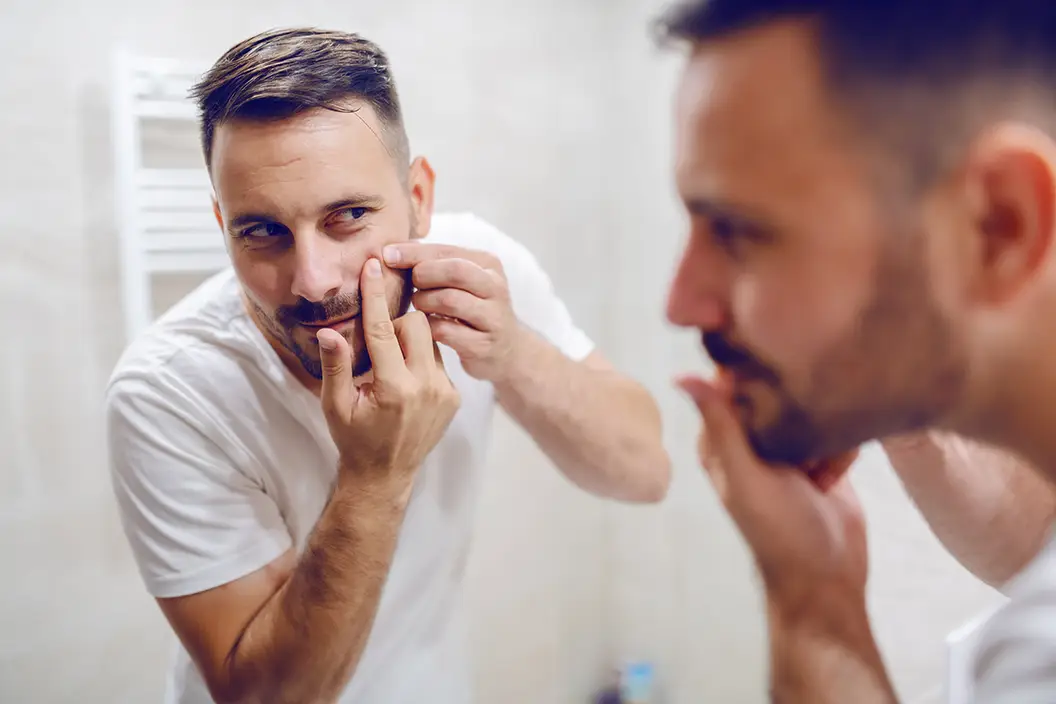
Acne is a common skin issue that happens when pores get clogged with oil, dead skin, and bacteria. Treating it safely over time means using gentle methods that work step by step without harming your skin. Start with simple changes and build up if needed.
The best way to begin is with over-the-counter topical treatments. These go right on your skin and target the problem areas. Benzoyl peroxide kills bacteria and clears pores. Use it at 2.5 to 5 percent strength to avoid dryness. Salicylic acid helps exfoliate and unclog pores, making it good for whiteheads and pimples. Retinoids like adapalene or tretinoin speed up skin cell turnover to prevent clogs. Apply these at night and always follow with a light moisturizer.[1][3][8]
Combine these for better results. A mix of topical retinoid and benzoyl peroxide is a strong starting point for mild to moderate acne. Wash your face twice a day with a gentle cleanser, then apply the treatments. Use non-comedogenic products, which means they won’t block pores. Sunscreen is key during the day since some treatments make skin sensitive to sun.[1][3]
Lifestyle habits support your routine. Eat a balanced diet low in processed sugars. Manage stress through exercise or sleep, as it can trigger breakouts. Drink plenty of water and avoid touching your face.[1][6]
If acne does not improve after four to six weeks, see a dermatologist. For moderate cases, they might add prescription topicals or oral antibiotics like doxycycline at 100 mg daily. Limit antibiotics to three or four months to avoid resistance. Always pair them with benzoyl peroxide and a retinoid.[3][7]
Women with hormonal acne can benefit from birth control pills or spironolactone. These balance hormones that boost oil production. Clascoterone cream is another option that reduces lesions quickly with few side effects.[2][4][7]
For severe acne with nodules or cysts, isotretinoin offers long-term clearance. It shrinks oil glands but needs close monitoring due to side effects. Intralesional corticosteroid shots can quickly shrink big painful spots.[2][3][4]
Professional procedures help stubborn acne or scars. Chemical peels exfoliate the top skin layer to smooth texture. Blue light therapy kills deep bacteria without downtime. Lasers like Erbium or Laser Genesis reduce inflammation and bacteria over sessions.[1][5][6][8]
Maintenance keeps acne away long-term. After clearing, stick with topical retinoid alone or with benzoyl peroxide. This stops new clogs from forming. Be patient, as skin improves over months with consistent care.[3]
Sources
https://www.advanceddermatologypc.com/conditions/acne/
https://pmc.ncbi.nlm.nih.gov/articles/PMC12691598/
https://www.droracle.ai/articles/606309/what-are-the-treatment-options-for-managing-acne-vulgaris
https://www.tuftsmedicine.org/about-us/news/acne-over-30
https://friederdermatology.com/blue-light-phototherapy-for-acne/
https://woodlandswellness.com/acne-treatment-9-ways-to-stop-acne-before-it-appears/
https://int.livhospital.com/how-to-get-rid-of-acne/
https://www.carecredit.com/well-u/health-wellness/acne-treatment-cost-and-dermatology-financing/
https://doralhw.org/acne-treatment-beyond-topicals-when-to-consider-professional-procedures-2/