
To get rid of whiteheads on your nose quickly, the most effective approach combines gentle exfoliation with targeted treatments containing salicylic acid or benzoyl peroxide. Start by cleansing the area with warm water to open pores, then apply a product with 2% salicylic acid, which penetrates oil and dissolves the debris clogging your pores. For particularly stubborn whiteheads, a thin layer of 2.5% benzoyl peroxide applied overnight can accelerate clearing. Most people see noticeable improvement within 24 to 72 hours using this method, though complete resolution typically takes a week or more depending on the severity. What you should not do matters as much as what you should.
Squeezing or picking at whiteheads on your nose””tempting as it is””often pushes bacteria deeper into the pore, causes inflammation, and can leave scars on an area of your face that’s difficult to conceal. A friend of mine spent three weeks dealing with an infected pore and eventual hyperpigmentation after attempting to extract a whitehead before a wedding. The original blemish would have resolved in days with proper treatment. This article covers why whiteheads favor the nose, the fastest evidence-based removal methods, ingredients to look for (and avoid), when professional extraction makes sense, and how to prevent whiteheads from returning. We’ll also address common mistakes people make when trying to clear their skin quickly.
Table of Contents
- What Causes Whiteheads to Form on the Nose So Frequently?
- The Fastest Whitehead Removal Methods That Actually Work
- Key Ingredients to Look for in Whitehead Treatments
- Step-by-Step Routine for Clearing Nose Whiteheads Within Days
- Common Mistakes That Make Nose Whiteheads Worse
- When to Consider Professional Extraction or Dermatologist Care
- The Role of Diet and Lifestyle in Preventing Nose Whiteheads
- Long-Term Strategies for Keeping the Nose Clear
- Conclusion
What Causes Whiteheads to Form on the Nose So Frequently?
The nose sits in the center of what dermatologists call the T-zone, an area with a higher concentration of sebaceous glands than almost anywhere else on the body. These glands produce sebum, the oily substance that keeps skin moisturized but also creates the perfect environment for clogged pores. When sebum mixes with dead skin cells and becomes trapped beneath a thin layer of skin, a whitehead forms. The nose is particularly vulnerable because its pores are larger and more active than those on cheeks or the forehead periphery. Several factors accelerate whitehead formation on the nose specifically. Touching your face transfers oils and bacteria directly to this prominent feature.
Glasses and sunglasses rest on the nose bridge, trapping sweat and creating friction. Certain cosmetic products, especially those formulated with comedogenic ingredients like coconut oil or certain silicones, can seal pores shut. hormonal fluctuations increase sebum production, which explains why whiteheads often appear before menstruation or during periods of stress. The nose also presents a structural challenge. Its contours, including the creases alongside the nostrils and the tip, create small valleys where product residue and dead skin accumulate. Compare this to the relatively flat surface of your cheek, where debris has fewer places to settle. Understanding this anatomy helps explain why a skincare routine adequate for the rest of your face might fall short for your nose.

The Fastest Whitehead Removal Methods That Actually Work
Salicylic acid remains the gold standard for rapid whitehead treatment because it’s oil-soluble, meaning it can penetrate through sebum to reach the clog itself. Products containing 0.5% to 2% salicylic acid, applied directly to whiteheads, begin breaking down the keratin and oil mixture within hours. Leave-on treatments work faster than cleansers because the active ingredient has prolonged contact time. For urgent situations””say, a whitehead appearing the morning of an important event””applying salicylic acid under a hydrocolloid patch can draw out contents while protecting the area from touching and bacteria. Benzoyl peroxide takes a different approach by killing acne-causing bacteria and promoting mild peeling of the pore lining.
It works faster than salicylic acid for inflammatory acne but can be equally effective for whiteheads when used at lower concentrations. The tradeoff: benzoyl peroxide bleaches fabric and can cause significant dryness and irritation, particularly on the sensitive nose area. Starting with 2.5% rather than the commonly available 10% formulations produces comparable results with far less irritation, according to comparative research. However, if your skin is sensitive or you’re already using retinoids, introducing additional exfoliating acids can cause more harm than good. In such cases, gentle physical extraction by a professional esthetician or applying warm compresses to soften the plug before using a comedone extractor tool may be safer routes. The “fastest” method is the one that clears the whitehead without creating a secondary problem like a chemical burn or infection.
Key Ingredients to Look for in Whitehead Treatments
Beyond salicylic acid and benzoyl peroxide, several other ingredients effectively address whiteheads on the nose. Retinoids, derivatives of vitamin A available in both prescription and over-the-counter forms, prevent the formation of new whiteheads by normalizing skin cell turnover so dead cells shed properly rather than accumulating in pores. Adapalene, once prescription-only, became available over the counter in several markets in recent years and represents one of the more effective options for ongoing whitehead prevention. Niacinamide, a form of vitamin B3, helps regulate sebum production and has anti-inflammatory properties that calm redness around blemishes. Unlike acids, it rarely causes irritation and pairs well with other active ingredients.
Alpha hydroxy acids like glycolic acid offer surface-level exfoliation that can prevent dead skin from trapping sebum, though they don’t penetrate as deeply as salicylic acid. Sulfur, an older ingredient experiencing renewed interest, absorbs excess oil and has mild antibacterial properties””it works particularly well for those who can’t tolerate benzoyl peroxide. A specific example illustrates ingredient selection: someone with oily skin and frequent whiteheads might layer niacinamide in the morning to control oil, then use a salicylic acid treatment at night. Someone with dry, sensitive skin prone to occasional whiteheads would likely do better with gentle adapalene use three times weekly, avoiding the drying effects of daily acids. The same whitehead can have different optimal treatments depending on the skin it’s attached to.
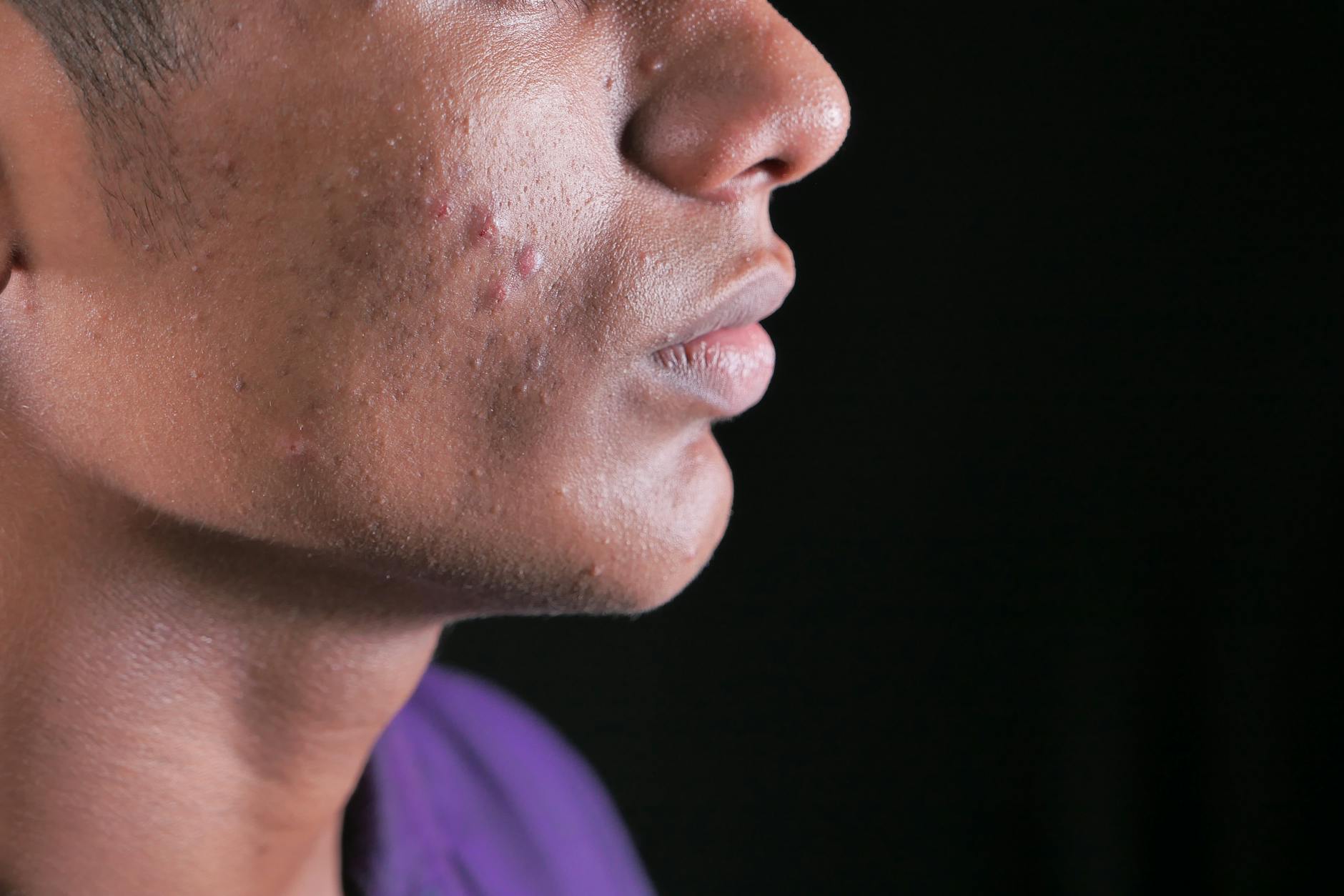
Step-by-Step Routine for Clearing Nose Whiteheads Within Days
A targeted routine accelerates whitehead resolution without compromising overall skin health. Morning begins with a gentle, non-comedogenic cleanser””not a harsh scrub, which can micro-tear skin and spread bacteria. After patting dry, apply a lightweight moisturizer containing niacinamide, followed by broad-spectrum sunscreen. Sun protection matters because many acne treatments increase photosensitivity, and post-inflammatory hyperpigmentation (the dark spots left after blemishes) worsens with sun exposure. Evening treatment is where the active work happens. Double cleanse if you wear makeup or sunscreen: first with an oil-based cleanser to dissolve products, then with your regular cleanser.
On damp skin, apply your salicylic acid treatment, focusing on the nose. Wait several minutes for absorption before applying moisturizer. If using benzoyl peroxide, apply it as the final step on completely dry skin, and only to the whitehead itself rather than broadly across the nose””this minimizes irritation while maximizing efficacy on the target. The tradeoff between aggressive and gentle approaches becomes apparent over days rather than hours. Aggressive treatment (higher concentrations, multiple actives, frequent application) may clear an individual whitehead faster but often triggers compensatory oil production, irritation, and ultimately more breakouts. A measured approach takes slightly longer for any single whitehead but creates conditions where fewer whiteheads form in the first place. Most dermatological guidance favors consistency over intensity for lasting results.
Common Mistakes That Make Nose Whiteheads Worse
The impulse to physically remove whiteheads causes more problems than perhaps any other skincare mistake. Unlike blackheads, which have an open surface, whiteheads are covered by a thin layer of skin. Squeezing ruptures this layer unpredictably, often driving contents sideways into surrounding tissue rather than upward and out. The result is a localized infection that was never present in the original whitehead, potentially leaving permanent scarring or weeks of hyperpigmentation. Over-treatment represents another significant pitfall. Applying multiple exfoliating products in hopes of faster results strips the skin’s protective barrier, leading to increased sensitivity, redness, and paradoxically, more oil production as skin attempts to compensate.
The nose, despite its oiliness, is still facial skin that requires moisture balance. Someone experiencing persistent dryness and peeling alongside continued whiteheads has likely compromised their barrier and needs to scale back treatment while focusing on repair. Using comedogenic products near the nose””even products marketed for acne-prone skin””can perpetuate the cycle. Some popular sunscreens and primers contain silicones or oils that benefit most skin types but clog pores in the T-zone. Similarly, nasal strips designed to remove blackheads can trauma the skin when overused, weakening it and making whitehead formation more likely. Reading ingredient lists and patch testing products on your nose specifically can reveal incompatibilities that weren’t apparent elsewhere on your face.
When to Consider Professional Extraction or Dermatologist Care
Professional extraction becomes worthwhile when whiteheads persist despite consistent at-home treatment or when they’re located in areas that self-extraction would likely damage””like the delicate skin beside the nostrils. Estheticians and dermatologists use sterile tools and proper technique to express whitehead contents with minimal trauma. They can also identify whether what you’re calling whiteheads might actually be milia (keratin cysts requiring different treatment) or closed comedones that need more aggressive intervention.
A dermatologist can prescribe stronger treatments unavailable over the counter. Topical retinoids like tretinoin, topical antibiotics for inflammatory components, or short courses of oral medication may be appropriate for persistent or widespread whiteheads. For someone dealing with chronic nose whiteheads that haven’t responded to drugstore treatments after two to three months of consistent use, a dermatology consultation often saves time and frustration compared to cycling through additional retail products.
The Role of Diet and Lifestyle in Preventing Nose Whiteheads
Research on diet and acne has evolved considerably, with growing evidence that high-glycemic foods and dairy may contribute to breakouts in susceptible individuals. The mechanism appears related to insulin spikes and their downstream effects on hormones that influence sebum production. This doesn’t mean everyone with nose whiteheads needs to eliminate bread and milk””rather, those who notice correlations between their eating patterns and breakouts might experiment with dietary modifications.
Stress management also plays a role, as cortisol increases oil production. One study participant I spoke with years ago noticed her nose whiteheads appeared predictably during exam periods, resolved during breaks, and returned with work deadlines. Identifying such patterns doesn’t eliminate stress but can prompt preemptive skincare adjustments during high-risk periods. Adequate sleep supports skin repair processes, while regular pillowcase changes prevent accumulated oils and bacteria from recontacting your face nightly.
Long-Term Strategies for Keeping the Nose Clear
Maintenance treatment after achieving clear skin prevents the cycle of clearing and re-emergence that frustrates many people. Rather than stopping salicylic acid entirely once whiteheads resolve, tapering to every other day or twice weekly maintains results with minimal product use. Some individuals do well with alternating active ingredients””salicylic acid for a few weeks, then niacinamide focus, then brief retinoid courses””to address different aspects of pore health without building tolerance or causing cumulative irritation.
The future of whitehead treatment may involve more personalized approaches based on skin microbiome analysis and genetic factors influencing sebum composition. Already, some practitioners recommend probiotic skincare or microbiome-friendly formulations to support beneficial bacteria that compete with acne-causing strains. While these approaches remain somewhat speculative, they suggest that our understanding of whitehead formation and treatment continues to evolve, and what we consider optimal care today may be refined in coming years.
Conclusion
Clearing whiteheads from your nose quickly requires matching the right active ingredient to your skin type, applying it correctly, and avoiding the common traps of over-extraction and over-treatment. Salicylic acid and benzoyl peroxide remain the fastest-acting options for most people, with results visible within days when used properly. The nose’s unique anatomy and oil production make it prone to whiteheads, but this same understanding points toward targeted solutions.
Prevention proves easier than repeated treatment. A consistent routine using non-comedogenic products, regular gentle exfoliation, and attention to lifestyle factors like diet and stress creates conditions where whiteheads rarely form. For persistent problems, professional help from an esthetician or dermatologist offers access to stronger treatments and proper extraction techniques. Your nose sits at the center of your face””keeping it clear is a reasonable goal, and with patience and the right approach, an achievable one.