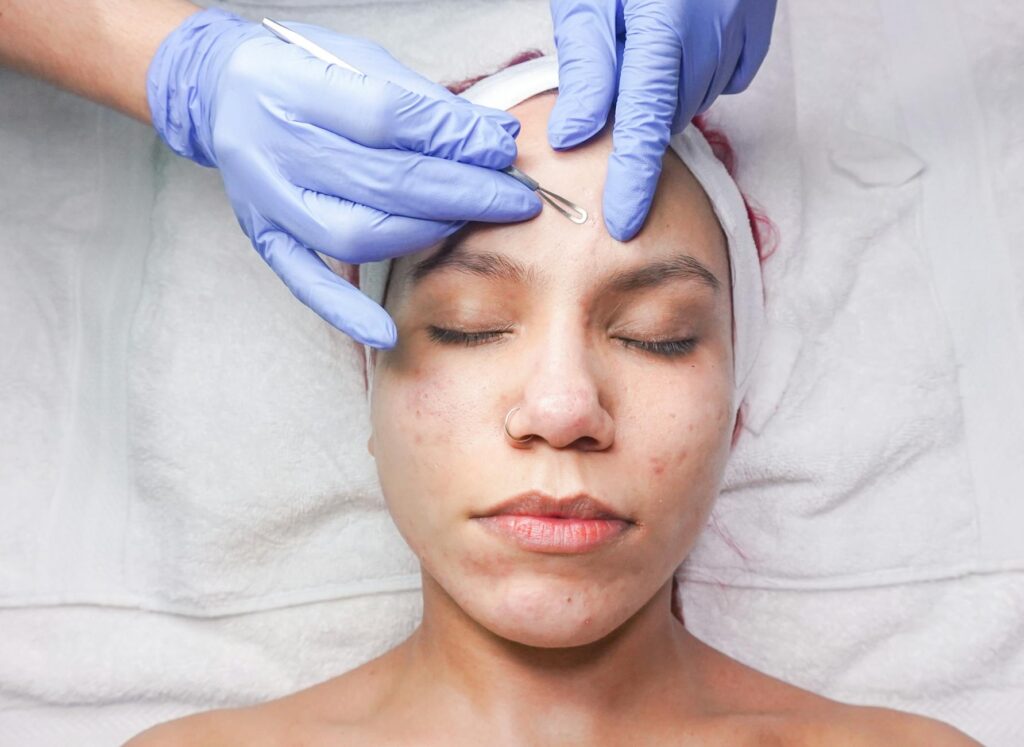
The fastest way to get rid of under skin pimples, also known as blind pimples or cystic acne, is to apply a warm compress for 10-15 minutes several times daily, followed by a spot treatment containing benzoyl peroxide or salicylic acid. Unlike surface pimples, these deep, painful bumps lack a visible head and sit within the dermis layer, which means they require different tactics than your standard whitehead. A combination of heat therapy to draw the pimple closer to the surface, targeted active ingredients to reduce inflammation, and hands-off patience typically resolves most blind pimples within 3-7 days. For example, someone who wakes up with a painful lump on their chin before an important event can significantly reduce swelling within 24-48 hours using this approach, though complete resolution rarely happens overnight despite what product marketing might promise.
These stubborn blemishes form when oil, dead skin cells, and bacteria become trapped deep beneath the skin’s surface, creating inflammation that presses against nerve endings””which explains why they hurt so much compared to regular pimples. The key difference between managing a blind pimple and a surface-level breakout lies in understanding that you cannot extract what hasn’t come to the surface. Attempting to squeeze or pop these lesions before they’re ready almost always makes things worse, often extending healing time by weeks and increasing the risk of permanent scarring. This article covers the science behind why under skin pimples form, specific treatment methods ranked by effectiveness, when home remedies work versus when you need professional intervention, and mistakes that commonly turn a minor blemish into a major problem.
Table of Contents
- What Causes Under Skin Pimples and Why Are They So Hard to Treat?
- The Most Effective Treatments for Blind Pimples
- When Home Treatments Fail: Medical Options for Persistent Cystic Acne
- Foods, Habits, and Products That Make Under Skin Pimples Worse
- Mistakes That Turn a Small Blind Pimple Into a Big Problem
- Natural Remedies: What Actually Works Versus Internet Hype
- When to See a Dermatologist for Under Skin Pimples
- Conclusion
What Causes Under Skin Pimples and Why Are They So Hard to Treat?
Under skin pimples develop when a pore becomes clogged deep within the hair follicle rather than at the surface. Sebum, the natural oil your skin produces, combines with dead skin cells and becomes trapped. When bacteria””specifically Cutibacterium acnes””colonize this clogged area, your immune system responds with inflammation, creating that characteristic painful lump with no visible opening. Hormonal fluctuations play a significant role, which is why many people experience these breakouts during puberty, menstruation, pregnancy, or periods of high stress when cortisol levels spike. The difficulty in treating blind pimples compared to surface acne comes down to depth and access. Surface pimples allow topical treatments to reach the affected area directly, and extraction is possible once a head forms.
With cystic or nodular acne beneath the skin, active ingredients must penetrate through multiple layers of epidermis to reach the inflammation site. This is why the same benzoyl peroxide that clears a whitehead overnight may take a week or more to impact a blind pimple. Additionally, the inflammatory response in deep acne tends to be more severe, involving a larger area of tissue and sometimes forming hard, fibrous capsules around the infected material. Genetics also determine susceptibility. If your parents dealt with cystic acne, you’re more likely to experience it regardless of your skincare routine. People with naturally oilier skin produce more sebum, increasing the odds of deep clogs. However, having dry skin doesn’t make you immune””anyone can develop blind pimples under the right conditions, such as wearing occlusive makeup, using heavy moisturizers, or experiencing sudden dietary or hormonal changes.
The Most Effective Treatments for Blind Pimples
Warm compresses remain the first-line home treatment because heat increases blood flow to the area, helping your body’s immune response work faster while softening the contents of the clogged pore. Soak a clean washcloth in water as warm as you can comfortably tolerate, apply it to the pimple for 10-15 minutes, and repeat 3-4 times daily. Many dermatologists recommend this approach before trying any other intervention. After each warm compress session, apply a spot treatment containing 2.5% benzoyl peroxide””higher concentrations aren’t necessarily more effective and cause significantly more irritation and dryness. Salicylic acid works differently than benzoyl peroxide and can be used in conjunction with it. As a beta hydroxy acid, salicylic acid is oil-soluble, allowing it to penetrate into pores and break down the sebum and dead cells causing the blockage.
Products containing 2% salicylic acid applied directly to the blind pimple help dissolve the clog from within. However, if you have sensitive skin or are prone to dryness, using both benzoyl peroxide and salicylic acid simultaneously may cause excessive irritation””in this case, alternate between them or choose one based on your skin’s tolerance. For particularly stubborn or painful blind pimples, hydrocolloid patches””originally designed for wound healing””have become a popular option. These adhesive patches create a moist environment that draws out fluid and pus while protecting the area from touching and picking. They work best once the pimple has started to come to a head, so combining warm compresses for a day or two before switching to patches often yields the fastest results. The limitation here is that hydrocolloid patches don’t actively fight bacteria or reduce inflammation at the source; they primarily accelerate drainage once the process has already begun.
When Home Treatments Fail: Medical Options for Persistent Cystic Acne
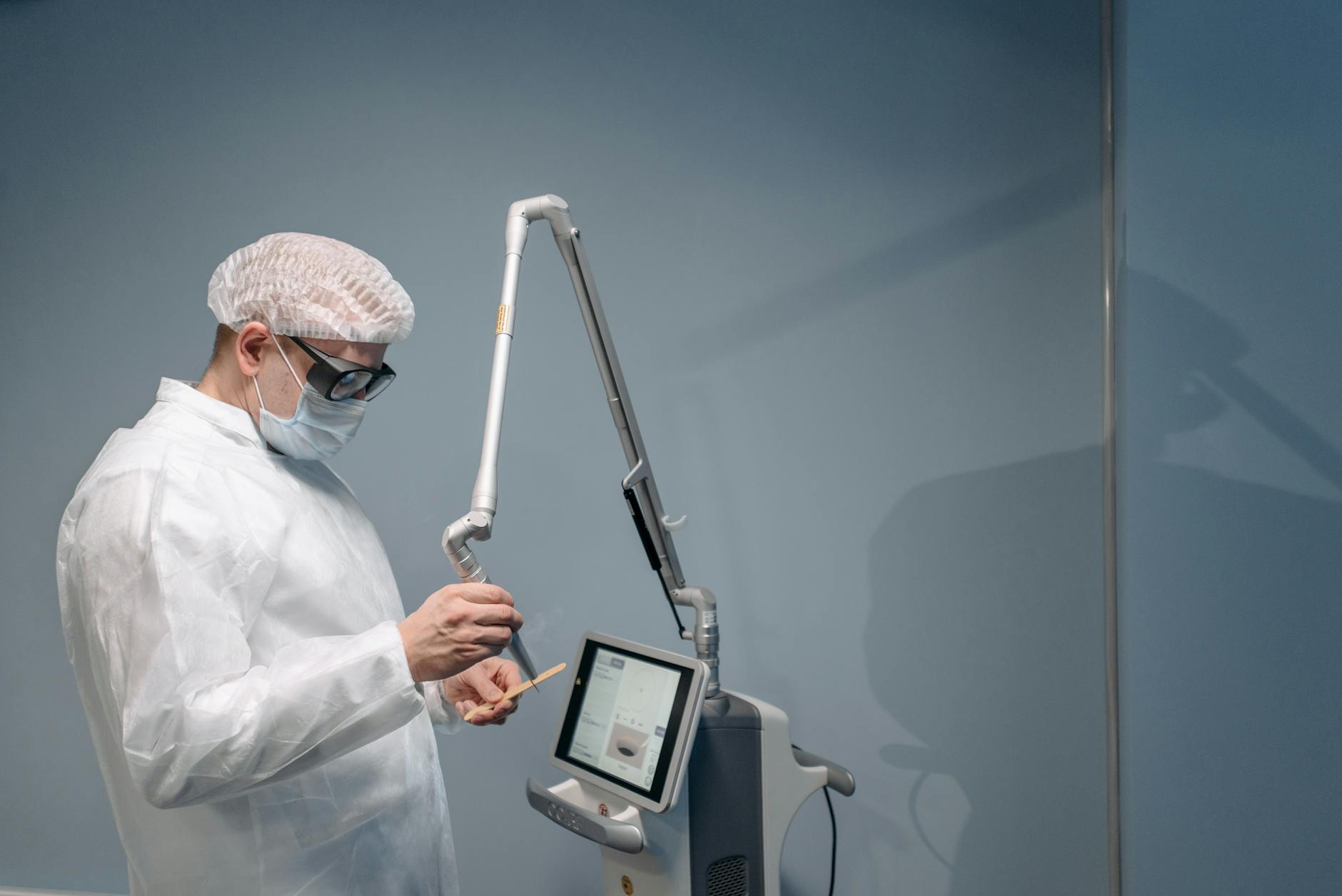
Cortisone injections offer the fastest medical intervention for under skin pimples, often reducing inflammation by 50% or more within 24 hours. Dermatologists inject a diluted corticosteroid directly into the cyst, which rapidly decreases swelling and pain. This option makes sense for isolated, severe blemishes””particularly when timing matters, such as before a wedding or job interview. Someone dealing with a painful cystic pimple that hasn’t responded to three days of home treatment might see dramatic improvement within hours of an injection. The typical cost ranges from $50-150 per injection depending on location and provider. However, cortisone shots aren’t without risks. Too high a concentration or repeated injections in the same area can cause skin atrophy, leaving a visible indentation that may be permanent.
This is why dermatologists reserve this treatment for occasional severe blemishes rather than routine use. If you’re experiencing frequent cystic breakouts requiring repeated injections, that signals a need for systemic treatment rather than spot interventions. For recurring blind pimples, oral medications become the more practical approach. Prescription retinoids like tretinoin increase cell turnover and prevent the clogs that lead to deep acne. Oral antibiotics such as doxycycline reduce acne-causing bacteria systemically. For hormonal acne, spironolactone or birth control pills may be appropriate for some patients. The most severe cases may warrant isotretinoin, a powerful vitamin A derivative that essentially resets the skin’s oil production. Each of these requires a dermatologist’s evaluation and comes with its own side effect profile that must be weighed against the severity of your acne.
Foods, Habits, and Products That Make Under Skin Pimples Worse
Certain dietary patterns correlate with increased acne severity, though the relationship is more nuanced than popular advice suggests. High-glycemic foods that spike blood sugar””white bread, sugary snacks, processed cereals””trigger insulin release, which in turn increases sebum production and skin cell growth. Dairy products, particularly skim milk, have shown associations with acne in multiple studies, possibly due to hormones present in milk or its effect on insulin-like growth factor. For example, someone who drinks multiple glasses of milk daily and suffers from persistent cystic acne might see improvement after eliminating dairy for 4-6 weeks, though results vary significantly between individuals. Physical habits contribute significantly to blind pimple formation. Touching your face transfers bacteria and oil from your hands to your skin. Resting your chin on your hand during work or class creates pressure and friction that can push debris deeper into pores.
Sleeping on unwashed pillowcases exposes your face to accumulated oil, dead skin, and bacteria for hours each night. Phone screens pressed against your cheek during calls are notoriously problematic””one study found cell phones harbor more bacteria than a toilet seat. The fix is straightforward but requires consistent behavior change: clean your phone daily, change pillowcases twice weekly, and keep hands away from your face. Skincare products themselves sometimes cause the problem they claim to solve. Heavy moisturizers, silicone-based primers, and occlusive sunscreens can clog pores in susceptible individuals. Products labeled “non-comedogenic” theoretically shouldn’t clog pores, but this term isn’t regulated and testing methods vary. The comparison worth noting: mineral oil, long blamed for clogged pores, actually has a low comedogenic rating, while coconut oil””often promoted as a natural skincare solution””ranks high on the comedogenic scale. Reading ingredient lists matters more than marketing claims.
Mistakes That Turn a Small Blind Pimple Into a Big Problem
The most damaging mistake is attempting to extract a blind pimple before it has developed a visible head. When you squeeze a deep pimple that lacks a clear exit point, you force infected material sideways and deeper into the surrounding tissue rather than out. This spreads bacteria, extends inflammation to a wider area, and can transform a single blemish into a cluster of breakouts. The pressure can also rupture the follicle wall beneath the skin, creating a much larger inflammatory response and significantly increasing the chance of permanent scarring or post-inflammatory hyperpigmentation that lasts months. Using too many active ingredients simultaneously is another common error. In the urgency to eliminate a painful blind pimple, people often layer benzoyl peroxide, salicylic acid, retinol, and perhaps some tea tree oil or sulfur treatment on the same spot. This cocktail approach damages the skin barrier, causes excessive dryness and peeling, and can actually slow healing.
Compromised skin barrier function allows bacteria easier entry and impairs your skin’s natural repair processes. A warning worth heeding: if the skin around your pimple becomes red, flaky, or painful from products rather than the pimple itself, stop all actives and focus on gentle moisturization until the barrier heals. Ice application divides opinion even among dermatologists. Some recommend ice to reduce inflammation and pain, and it can provide temporary relief. However, applying ice directly to skin””or for too long””risks cold damage to already compromised tissue. If you use ice, wrap it in a cloth and limit application to one-minute intervals. More importantly, ice constricts blood vessels, temporarily reducing swelling but also reducing blood flow that carries immune cells to fight the infection. Heat generally proves more beneficial for resolution, with ice reserved for pain management in particularly uncomfortable cases.
Natural Remedies: What Actually Works Versus Internet Hype
Tea tree oil has legitimate antimicrobial properties and some clinical evidence supporting its use for acne. A 5% tea tree oil gel has been shown in studies to reduce acne lesions comparably to 5% benzoyl peroxide, though it works more slowly. The key is proper concentration and application””undiluted tea tree oil causes skin irritation, while overly diluted preparations lack effectiveness. A practical example: someone might add 2-3 drops of tea tree oil to a tablespoon of carrier oil like jojoba, then apply this mixture to blind pimples after cleansing. Results typically take 4-6 weeks of consistent use to assess.
Many popular natural remedies lack evidence or may cause harm. Toothpaste, frequently suggested online, contains ingredients like sodium lauryl sulfate and menthol that irritate and dry skin without addressing acne’s underlying causes. Lemon juice’s citric acid can cause chemical burns and photosensitivity. Apple cider vinegar is too acidic for direct skin application in most cases. Raw honey has some antibacterial properties but won’t penetrate deeply enough to affect blind pimples. The distinction matters: just because something is natural doesn’t mean it’s effective or safe for skin application.
When to See a Dermatologist for Under Skin Pimples
Seek professional evaluation when blind pimples occur frequently””more than a few times monthly””or when they leave persistent marks or scarring. A single occasional blind pimple before your period or during a stressful week falls within normal experience for many people. Consistent cystic breakouts suggest an underlying issue that home treatment cannot adequately address.
Early intervention with a dermatologist can prevent years of scarring that’s much harder to treat than the acne itself. Additionally, any blind pimple that shows signs of serious infection””rapidly increasing size, spreading redness, fever, or warmth extending well beyond the pimple itself””requires medical attention. These signs may indicate a developing abscess or cellulitis that needs oral antibiotics or possibly drainage. The timeline also matters: a blind pimple that hasn’t improved at all after two weeks of appropriate home treatment, or one that continues growing rather than stabilizing, warrants professional assessment rather than continued waiting.
Conclusion
Getting rid of under skin pimples fast requires working with your skin’s natural processes rather than against them. The combination of warm compresses to bring the blemish toward the surface, appropriate topical treatments like benzoyl peroxide or salicylic acid to fight bacteria and dissolve clogs, and the discipline to avoid picking or over-treating gives most blind pimples the best chance of resolving within a week.
Understanding that depth makes these blemishes fundamentally different from surface acne explains why they require more patience and gentler handling. For those dealing with frequent cystic breakouts, addressing root causes””whether hormonal imbalances, dietary triggers, or genetic predisposition””through professional dermatological care provides more lasting solutions than repeatedly treating individual pimples as they appear. The goal shifts from crisis management of each blind pimple to prevention through systemic treatment, proper skincare routines, and lifestyle modifications that reduce overall acne occurrence.