Getting rid of hyperpigmentation from old acne requires a combination of topical treatments that inhibit melanin production, promote cell turnover, and protect skin from further darkening. The most effective approach involves using ingredients like vitamin C, niacinamide, retinoids, and alpha hydroxy acids consistently for three to six months, while wearing broad-spectrum sunscreen daily to prevent existing spots from worsening. For stubborn or deep discoloration, professional treatments such as chemical peels, microneedling, or laser therapy can accelerate results significantly. A person who developed dark spots after a breakout in their twenties, for instance, might see those marks fade within four months using a nightly retinol serum combined with a morning vitamin C treatment and diligent sun protection.
The frustrating reality of post-acne hyperpigmentation is that while the pimple itself may heal in days, the dark mark it leaves behind can persist for months or even years without intervention. This discoloration occurs because inflammation from acne triggers excess melanin production in the skin, leaving behind flat, discolored patches that range from pink and red to brown and purple depending on skin tone. Darker skin tones are particularly susceptible to this type of scarring, known medically as post-inflammatory hyperpigmentation or PIH. This article covers the science behind why these dark spots form, which over-the-counter ingredients actually work based on clinical evidence, how to build an effective treatment routine, when to consider professional interventions, and what common mistakes can sabotage your progress. Understanding the full picture will help you choose the right approach for your specific skin type and the severity of your discoloration.
Table of Contents
- Why Does Acne Leave Dark Spots on Your Skin?
- Which Ingredients Actually Fade Hyperpigmentation From Acne?
- Building an Effective Treatment Routine for Post-Acne Dark Spots
- When Should You See a Dermatologist for Stubborn Hyperpigmentation?
- Common Mistakes That Make Hyperpigmentation Worse
- How Skin Tone Affects Hyperpigmentation Treatment Choices
- The Future of Hyperpigmentation Treatment
- Conclusion
Why Does Acne Leave Dark Spots on Your Skin?
When acne forms, the skin launches an inflammatory response to fight bacteria and heal the damaged follicle. This inflammation activates melanocytes, the cells responsible for producing melanin, causing them to go into overdrive even after the pimple has healed. The excess pigment gets deposited into the surrounding skin tissue, creating those telltale dark marks that outline where breakouts once existed. Unlike true acne scars, which involve textural changes like pitting or raised tissue, hyperpigmentation is purely a color change and exists only in the upper layers of the skin. The depth and intensity of hyperpigmentation depend on several factors, including the severity of the original breakout, how long the inflammation lasted, whether the pimple was picked or squeezed, and your genetic predisposition to produce melanin.
Someone with fair skin might develop pink or reddish marks called post-inflammatory erythema, while someone with medium to dark skin typically sees brown or grayish-brown discoloration. A mild whitehead that resolves on its own might leave no mark at all, while a deep, inflamed cyst that lingered for weeks could leave a dark spot that takes a year to fade naturally. Comparing the two main types of post-acne discoloration helps clarify treatment approaches. Post-inflammatory erythema, the red or pink marks common in lighter skin, results from damaged blood vessels and typically fades faster, often within two to six months. Post-inflammatory hyperpigmentation, the brown marks more common in darker skin, results from excess melanin and can persist for six months to two years without treatment. Treatments targeting melanin production work well for PIH but have limited effect on PIE, which responds better to ingredients that support vascular healing like azelaic acid and certain laser treatments.

Which Ingredients Actually Fade Hyperpigmentation From Acne?
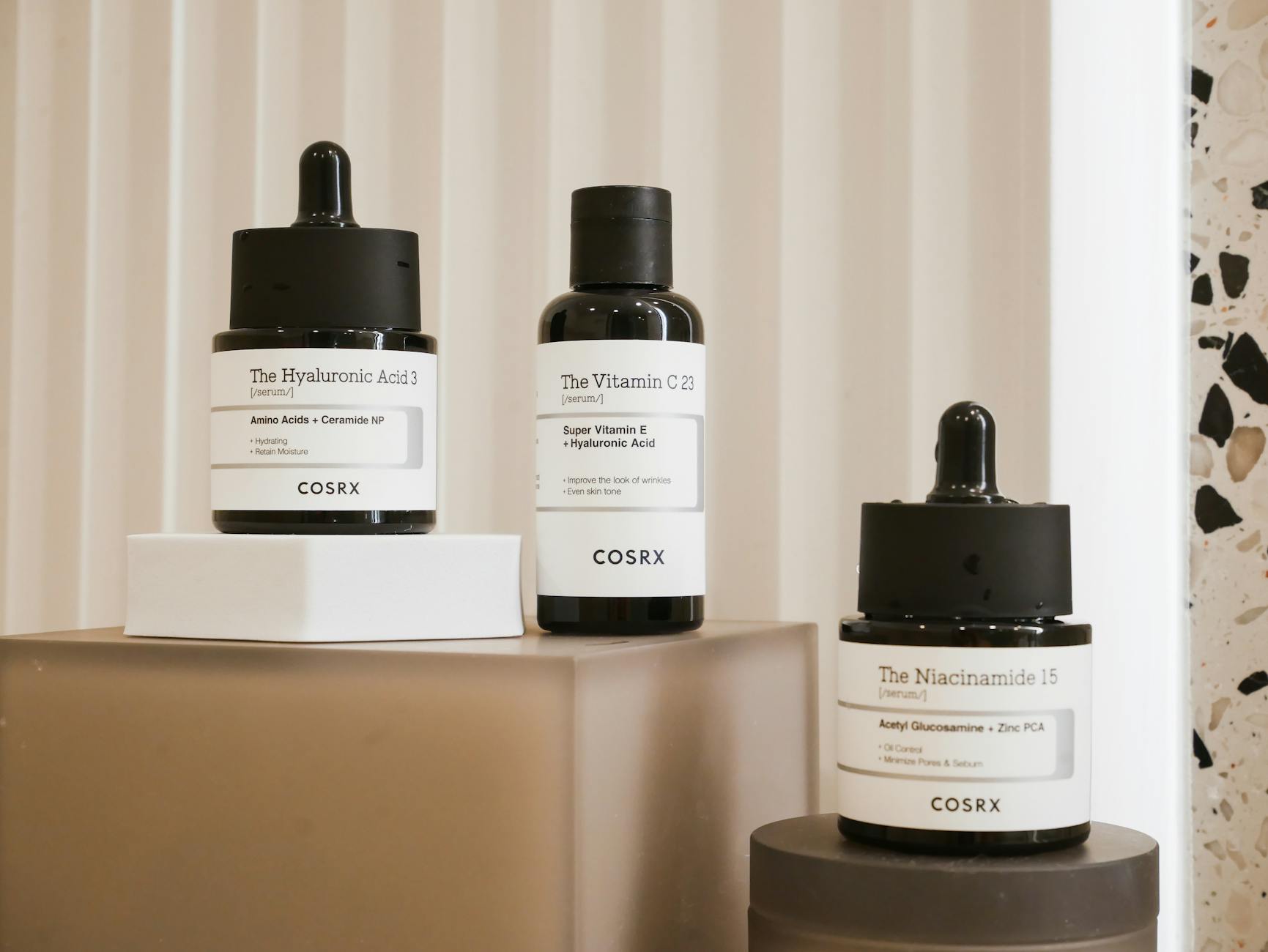
Not all brightening ingredients are created equal, and understanding which ones have solid clinical backing can save you money and frustration. vitamin C, specifically L-ascorbic acid at concentrations between 10 and 20 percent, inhibits tyrosinase, the enzyme responsible for melanin production, while also providing antioxidant protection against further sun damage. Niacinamide at 4 to 5 percent prevents melanin from being transferred to skin cells and has the added benefit of being well-tolerated by sensitive and acne-prone skin. Retinoids, including over-the-counter retinol and prescription tretinoin, accelerate cell turnover so that pigmented cells shed faster and are replaced by fresh, evenly toned skin. Alpha hydroxy acids like glycolic acid and lactic acid work by exfoliating the top layer of skin where much of the excess pigment resides. However, if you have darker skin or particularly sensitive skin, lactic acid and mandelic acid are gentler options that carry less risk of causing irritation-induced hyperpigmentation.
Hydroquinone remains the gold standard for aggressive pigmentation treatment, available at 2 percent over the counter and up to 4 percent by prescription, though it should be used in cycles of three to four months rather than continuously due to potential side effects with long-term use. One important limitation to understand is that no topical ingredient works quickly. Marketing claims about “instant brightening” refer to temporary optical effects, not actual pigment reduction. Clinical studies showing meaningful improvement in hyperpigmentation typically run for 8 to 12 weeks minimum, and most dermatologists advise patients to commit to a treatment for at least three months before assessing results. Starting too many active ingredients at once also backfires frequently. If you irritate your skin with an aggressive routine, you risk triggering more inflammation and more pigmentation, essentially creating the problem you set out to solve.
Building an Effective Treatment Routine for Post-Acne Dark Spots
A strategic approach to treating hyperpigmentation involves layering complementary ingredients while being careful not to overwhelm the skin. A basic but effective routine might include a gentle cleanser, a vitamin C serum in the morning under sunscreen, and a retinoid product at night. Adding a niacinamide serum can boost results and is gentle enough to use twice daily for most people. The key is starting slowly, especially with retinoids, using them just two or three nights per week initially and gradually increasing frequency as your skin builds tolerance. Sunscreen is not optional in any hyperpigmentation treatment plan, and skipping it will undermine everything else you do. UV exposure triggers melanin production directly, so unprotected sun exposure can darken existing spots within hours and create new ones.
A broad-spectrum SPF 30 or higher, applied generously every morning and reapplied if you spend extended time outdoors, is essential. Physical sunscreens containing zinc oxide or titanium dioxide are often better tolerated by acne-prone skin than chemical filters, though newer formulations of chemical sunscreens have become more elegant and less likely to clog pores. Consider this example routine for someone with moderate post-acne hyperpigmentation and oily, acne-prone skin: morning consists of a gentle foaming cleanser, 15 percent vitamin C serum, oil-free moisturizer, and SPF 50 mineral sunscreen. Evening involves the same cleanser, followed by adapalene gel (a retinoid available over the counter) three to four nights per week, and a moisturizer containing 4 percent niacinamide on alternating nights. On the nights without adapalene, a glycolic acid toner at 5 to 7 percent can provide additional exfoliation. This routine addresses pigmentation from multiple angles without creating excessive irritation.

When Should You See a Dermatologist for Stubborn Hyperpigmentation?
Professional treatments become worth considering when over-the-counter products have been used consistently for four to six months without satisfactory improvement, or when the hyperpigmentation is severe enough to significantly impact quality of life. Dermatologists have access to prescription-strength retinoids like tretinoin, higher concentrations of hydroquinone, and combination formulations that are not available over the counter. They can also perform in-office procedures that produce faster and more dramatic results than topical treatments alone. Chemical peels using glycolic acid, salicylic acid, or trichloroacetic acid remove the outer layers of skin where pigment has accumulated, revealing fresher skin beneath. A series of superficial peels spaced two to four weeks apart often produces noticeable improvement in hyperpigmentation. Microneedling creates controlled micro-injuries that stimulate collagen production and allow topical treatments to penetrate more deeply, though it carries a risk of worsening pigmentation in darker skin tones if performed incorrectly.
Laser treatments, including fractional lasers and intense pulsed light, can target pigmented cells directly, but choosing the right laser for your skin type is critical. The comparison between treatments involves weighing efficacy against downtime and risk. A superficial chemical peel has minimal downtime, perhaps a day or two of flaking, and is relatively safe for all skin tones when performed properly. A medium-depth peel produces more dramatic results but requires a week or more of recovery and carries higher risk of complications. Laser treatments can produce excellent results in a single session but are expensive, require careful aftercare, and pose significant risks for darker skin types if the wrong device or settings are used. The best candidates for aggressive professional treatments are those who have already optimized their at-home routine and are willing to commit to strict sun avoidance during the healing period.
Common Mistakes That Make Hyperpigmentation Worse
Perhaps the most damaging mistake people make when treating hyperpigmentation is picking at or squeezing pimples, which guarantees more inflammation and deeper pigment deposition. Even if you successfully extract the contents of a pimple, the trauma you cause to surrounding tissue triggers melanocyte activity that can leave a mark lasting far longer than the pimple would have. Pimple patches, which cover active breakouts and prevent touching, are a practical tool for breaking this habit while also helping pimples heal faster. Over-exfoliation is another common pitfall that creates a vicious cycle of irritation and darkening. Using multiple strong actives simultaneously, like combining a high-percentage glycolic acid with a potent retinoid and vitamin C all at once, strips the skin barrier and causes inflammation.
When the skin barrier is compromised, it becomes more vulnerable to sun damage and more prone to reactive pigmentation. If you notice increased redness, stinging, peeling, or sensitivity, scale back your routine immediately to just cleanser, moisturizer, and sunscreen until your skin recovers. One warning that dermatologists frequently share is about the dangers of hydroquinone overuse. While hydroquinone is effective, using it continuously for more than four to five months can cause a condition called ochronosis, a paradoxical darkening and thickening of the skin that is very difficult to treat. This is especially true with higher concentrations or products purchased from unregulated sources that may contain undisclosed amounts of the ingredient. Always cycle hydroquinone, using it for three months and then taking a two-month break, and stick to formulations from reputable brands or prescriptions from your dermatologist.
How Skin Tone Affects Hyperpigmentation Treatment Choices
Melanin-rich skin presents both unique challenges and considerations when treating post-acne hyperpigmentation. On one hand, darker skin is more prone to developing hyperpigmentation in the first place and tends to hold onto that pigmentation longer. On the other hand, many treatments that work well on lighter skin carry higher risks for darker skin, including the risk of causing additional hyperpigmentation or, less commonly, hypopigmentation where skin loses color.
For example, certain lasers that are safe and effective on fair skin can cause severe burns and permanent discoloration on dark skin if used improperly. Even some at-home treatments like strong chemical exfoliants can trigger reactive pigmentation in skin of color if used too aggressively. Dermatologists specializing in skin of color often recommend gentler approaches as a starting point: lower concentrations of active ingredients, mandelic acid instead of glycolic acid, azelaic acid as a versatile treatment that brightens without irritating, and longer intervals between professional treatments to ensure skin heals fully between sessions.
The Future of Hyperpigmentation Treatment
Research into hyperpigmentation continues to yield promising new ingredients and technologies. Tranexamic acid, originally developed to treat heavy bleeding, has emerged as an effective topical treatment for pigmentation with a low irritation profile, making it suitable for sensitive skin. Cysteamine, another newer ingredient, inhibits melanin synthesis through a different pathway than traditional brighteners and has shown impressive results in clinical studies.
On the procedural front, advances in laser technology are making treatments safer for a wider range of skin tones. Picosecond lasers, which deliver energy in shorter bursts than older devices, may reduce the risk of heat damage that causes post-treatment darkening. As our understanding of melanin biology deepens, treatments are becoming more targeted and more effective, offering hope that stubborn hyperpigmentation will become easier to treat in the coming years. For now, the fundamentals remain unchanged: protect skin from the sun, be patient with treatment, and consult a specialist when home care is not enough.
Conclusion
Fading hyperpigmentation from old acne is absolutely achievable, but it requires the right combination of active ingredients, consistent daily application, and rigorous sun protection sustained over several months. The most effective at-home ingredients include vitamin C, niacinamide, retinoids, and alpha hydroxy acids, used in a routine calibrated to your skin’s tolerance level. For stubborn discoloration that does not respond to topical treatments, professional options like chemical peels, microneedling, and laser therapy can accelerate results under proper medical supervision.
The key to success is patience and avoiding the temptation to use too many potent products at once, which often backfires by creating irritation that triggers more pigmentation. Start with one or two active treatments, introduce them gradually, never skip sunscreen, and give each product at least three months to demonstrate results before making changes. With a strategic approach, those dark reminders of past breakouts will eventually fade, leaving you with the clearer, more even-toned skin you are working toward.