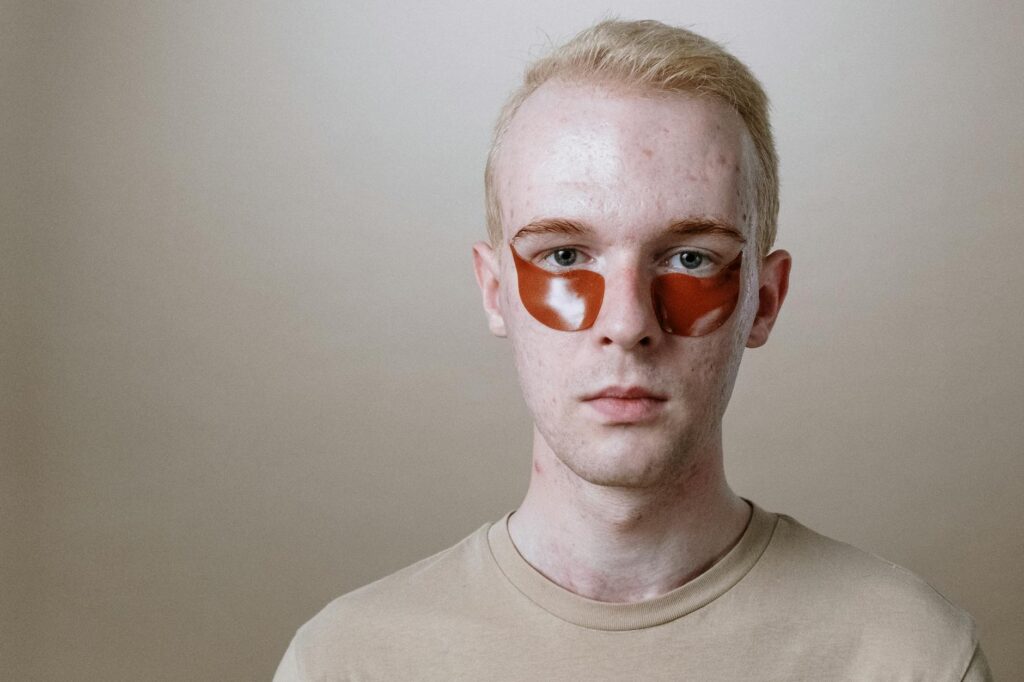
Getting rid of acne marks in one month is achievable for mild post-inflammatory hyperpigmentation, but complete elimination of deeper scars typically requires several months of consistent treatment. The most effective one-month approach combines daily use of ingredients that accelerate cell turnover””such as retinoids, vitamin C, and alpha hydroxy acids””with rigorous sun protection to prevent marks from darkening. For example, someone with light brown marks left from recent breakouts can see noticeable fading within four weeks by applying a 10% vitamin C serum each morning and a retinol product at night, while wearing SPF 50 daily.
However, expectations matter. Surface-level discoloration responds faster than textured scars or deep ice-pick marks, which require professional treatments like laser therapy or microneedling over multiple sessions. The one-month timeline works best for marks that are less than three months old and haven’t yet settled into permanent structural damage. This article covers the science behind why some marks fade faster than others, specific ingredient protocols, the role of professional treatments, lifestyle factors that speed healing, and common mistakes that sabotage progress.
Table of Contents
- What Causes Acne Marks and Can You Really Fade Them in One Month?
- The Best Topical Ingredients for Fading Acne Marks Quickly
- Why Sunscreen Is Non-Negotiable for Acne Mark Treatment
- Professional Treatments That Accelerate Results
- Common Mistakes That Slow Down Acne Mark Fading
- The Role of Diet and Lifestyle in Skin Healing
- What to Expect After One Month and Beyond
- Conclusion
What Causes Acne Marks and Can You Really Fade Them in One Month?
acne marks fall into two categories: post-inflammatory hyperpigmentation (PIH), which appears as flat brown, red, or purple spots, and true scarring, which involves textural changes like depressions or raised tissue. PIH occurs when inflammation from a pimple triggers excess melanin production, leaving a dark spot after the blemish heals. These marks sit in the epidermis or upper dermis and respond well to topical treatments within weeks. True scars, on the other hand, result from collagen damage during the healing process and require months or years of treatment.
The one-month timeline is realistic for fresh PIH in people with lighter skin tones. A 2019 study published in the Journal of Clinical and Aesthetic Dermatology found that subjects using a combination of niacinamide and tranexamic acid showed measurable improvement in hyperpigmentation within 28 days. Darker skin tones may take longer because melanocytes are more active and marks tend to penetrate deeper layers. If your marks are raised, indented, or have been present for over six months, topical treatments alone will produce minimal visible change in four weeks””though starting a regimen now sets the foundation for future improvement.
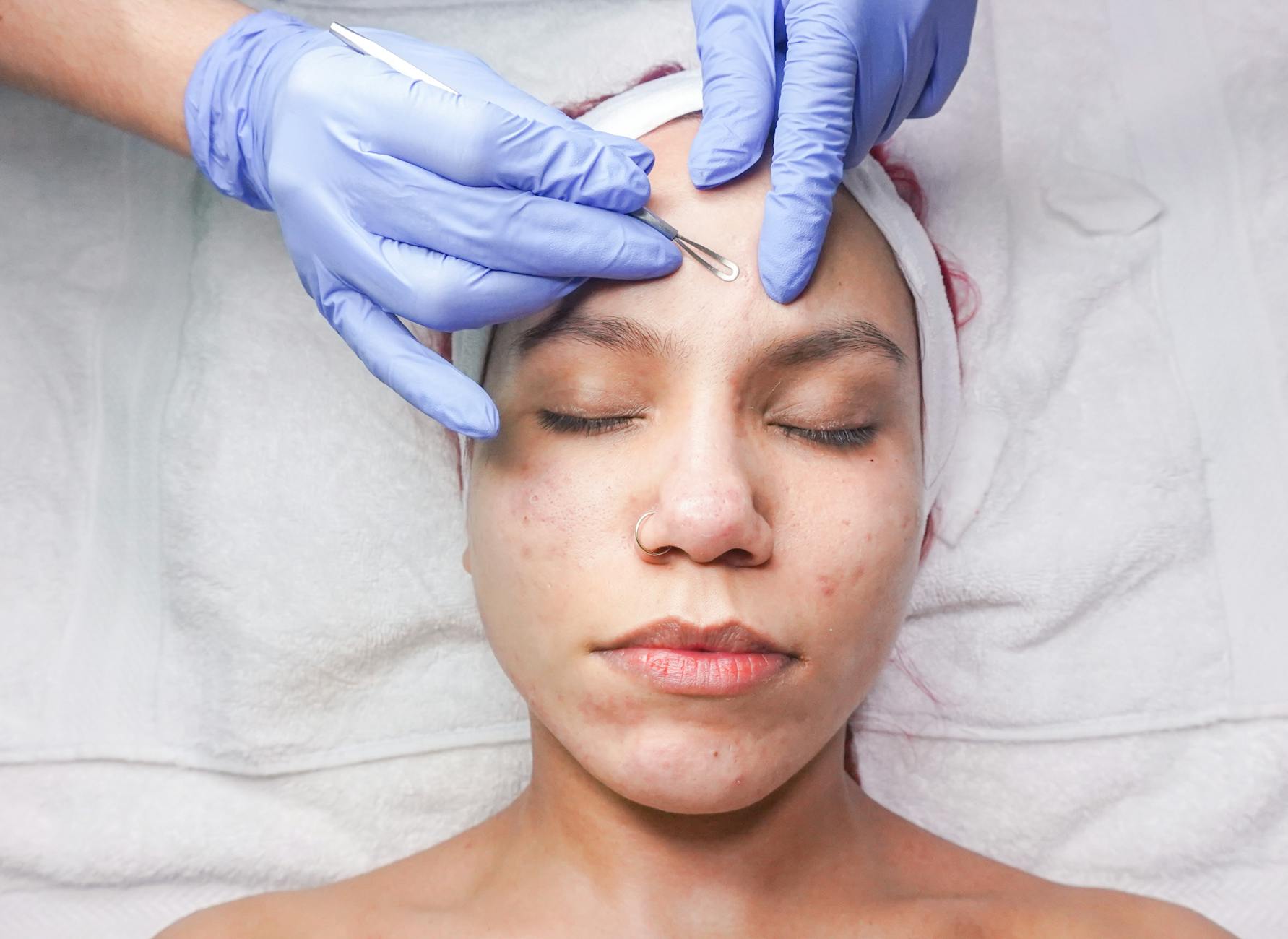
The Best Topical Ingredients for Fading Acne Marks Quickly
Retinoids are the gold standard for accelerating skin cell turnover, pushing pigmented cells to the surface faster so they shed. Prescription-strength tretinoin (0.025% to 0.1%) works faster than over-the-counter retinol, but both are effective over time. Vitamin C, particularly L-ascorbic acid at concentrations between 10% and 20%, inhibits melanin production and provides antioxidant protection. Alpha hydroxy acids like glycolic acid (8% to 15%) and lactic acid chemically exfoliate dead skin, revealing fresher layers beneath.
The limitation with aggressive ingredient stacking is irritation. Using retinoids, vitamin C, and AHAs simultaneously can compromise your skin barrier, leading to redness, peeling, and paradoxically, more hyperpigmentation from inflammation. A safer approach: use vitamin C in the morning under sunscreen, and alternate retinoids and AHAs on different nights. If you have sensitive skin or are prone to eczema, skip the AHAs entirely and rely on gentler alternatives like azelaic acid (15% to 20%), which fades marks without significant irritation and is safe during pregnancy.
Why Sunscreen Is Non-Negotiable for Acne Mark Treatment
UV exposure is the single biggest factor that prevents acne marks from fading and can make them permanently darker. When ultraviolet rays hit skin that’s already producing excess melanin, they stimulate even more pigment production””a phenomenon that dermatologists call post-inflammatory hyperpigmentation worsening. Every treatment you use to fade marks is undermined if you skip sunscreen, even on cloudy days or during winter months.
The minimum standard is a broad-spectrum SPF 30, but SPF 50 provides a meaningful buffer against imperfect application. Physical sunscreens containing zinc oxide or titanium dioxide are less likely to irritate acne-prone skin than chemical filters like oxybenzone or avobenzone. For example, someone using a 15% vitamin C serum and 0.05% tretinoin but skipping sunscreen may see their marks darken over the month, while another person using only SPF 50 and a basic niacinamide moisturizer may see fading simply from sun avoidance. Reapplication every two hours is necessary during extended outdoor exposure; a single morning application is insufficient if you spend significant time near windows or outside.
Professional Treatments That Accelerate Results
Chemical peels offer the fastest professional option for fading surface-level acne marks within a month. A series of two to three light glycolic or salicylic acid peels, spaced one to two weeks apart, removes outer layers of pigmented skin and stimulates cell renewal. Medium-depth peels with trichloroacetic acid (TCA) at 15% to 35% concentration produce more dramatic results but require a week of downtime for peeling and redness.
Microneedling creates controlled micro-injuries that trigger collagen remodeling, making it more appropriate for textured scars than flat hyperpigmentation. However, if you have both PIH and mild rolling scars, one or two microneedling sessions combined with topical vitamin C can address both concerns. The tradeoff is cost and commitment: professional chemical peels range from $100 to $300 per session, and microneedling costs $200 to $700 per treatment. For someone on a budget, a single professional peel at the start of the month combined with a diligent at-home regimen produces better results than sporadic professional treatments without daily follow-through.
Common Mistakes That Slow Down Acne Mark Fading
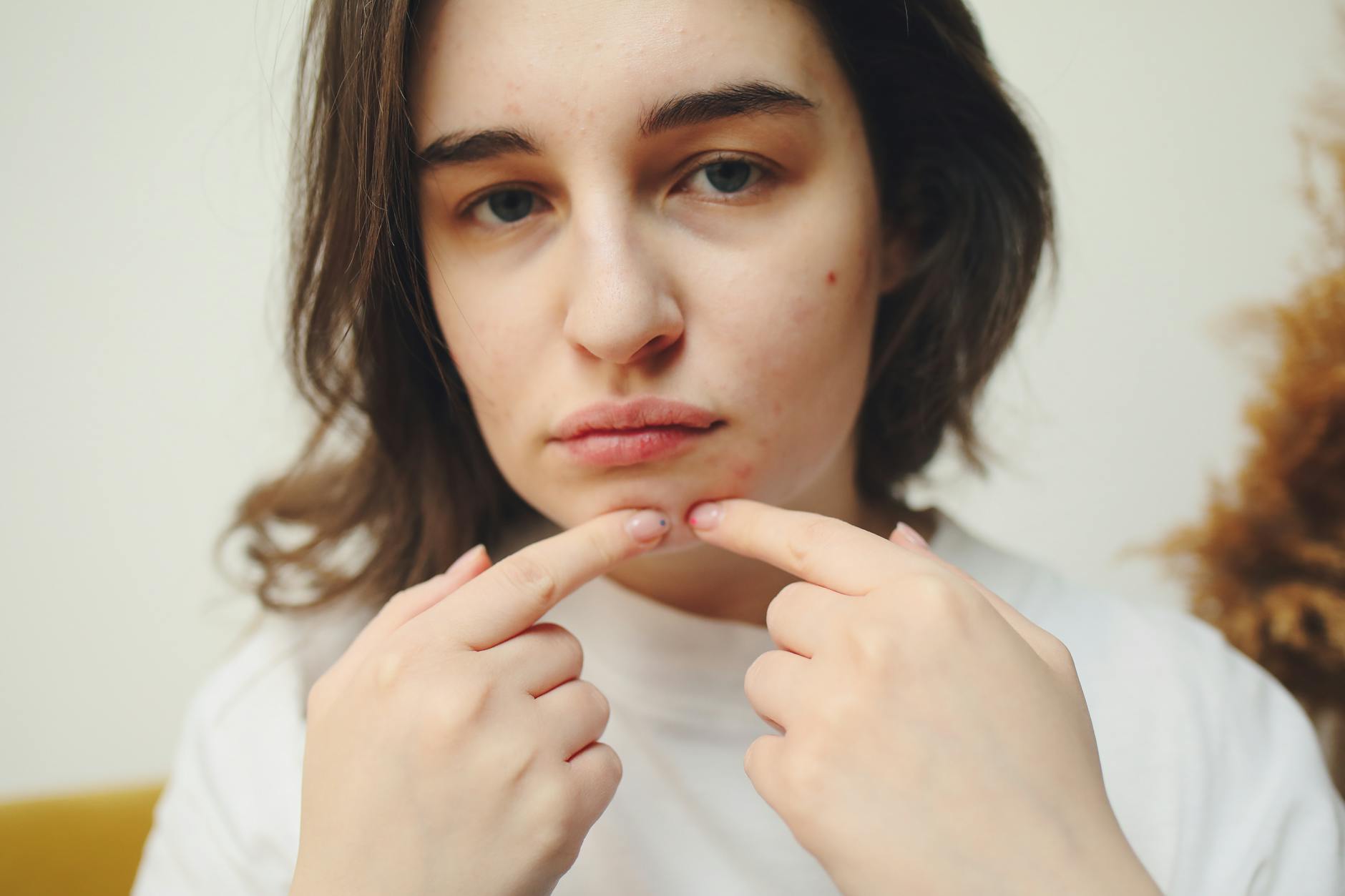
Picking at healing pimples is the most damaging habit for preventing marks in the first place and prolonging the ones you already have. Each time you squeeze, scratch, or manipulate a blemish, you deepen inflammation and increase the likelihood of permanent scarring. Beyond picking, over-exfoliation is a frequent mistake that backfires. Using physical scrubs with rough particles, or applying chemical exfoliants daily instead of two to three times per week, strips the skin barrier and causes reactive inflammation that produces more pigmentation.
Another overlooked issue is inconsistency. Fading acne marks requires daily, sustained application of active ingredients for the full month””not sporadic use whenever you remember. Missing your vitamin C serum three days a week or forgetting sunscreen on weekends extends your timeline significantly. Additionally, using expired products or improperly stored vitamin C (which oxidizes quickly when exposed to light and air, turning orange or brown) delivers no benefit. If your vitamin C serum has changed color from clear or pale yellow to amber, it’s degraded and needs replacement.

The Role of Diet and Lifestyle in Skin Healing
While topical treatments do the heavy lifting, internal factors influence how quickly your skin repairs itself. Adequate protein intake provides the amino acids necessary for collagen synthesis, and zinc supports wound healing and reduces inflammation. A 2020 review in the journal Nutrients found that deficiencies in zinc, vitamin A, and vitamin E correlated with slower healing times for skin injuries, including acne lesions.
Sleep also matters more than most people realize. During deep sleep, growth hormone secretion peaks, and skin cell regeneration accelerates. Chronic sleep deprivation (fewer than six hours per night) impairs this process and increases cortisol levels, which can trigger new breakouts that lead to additional marks. For example, a college student pulling all-nighters during exam season may notice existing marks healing more slowly and new pimples appearing more frequently, creating a cycle that extends recovery well beyond the one-month goal.
What to Expect After One Month and Beyond
At the end of four weeks of consistent treatment, most people with mild to moderate PIH notice their marks have faded by 30% to 50%. Complete elimination typically requires two to three months for surface-level hyperpigmentation and six months to two years for textured scars. Progress is often slow enough that you don’t notice daily changes””taking photos in the same lighting conditions at weekly intervals provides objective evidence of improvement that’s otherwise easy to miss.
If you’ve followed a rigorous routine for a month with no visible change, consider whether your marks are actually scars rather than pigmentation, which requires different interventions. A dermatologist can assess whether you’re dealing with atrophic scars (depressions), hypertrophic scars (raised tissue), or stubborn post-inflammatory erythema (redness rather than brown discoloration, common in lighter skin), each of which responds to different treatments. The work you’ve done in the first month isn’t wasted””it prepares your skin for the more intensive options that may come next.
Conclusion
Fading acne marks in one month requires a strategic combination of active ingredients, strict sun protection, and consistent daily application. Vitamin C, retinoids, and alpha hydroxy acids accelerate cell turnover and suppress melanin production, while SPF 50 prevents UV exposure from reversing your progress. Professional chemical peels can jumpstart the process, but they’re not essential if budget is a concern.
Set realistic expectations based on your skin type and the age of your marks. Fresh, flat hyperpigmentation on lighter skin responds fastest; older marks, deeper pigmentation in darker skin tones, and textured scars require longer timelines. The one-month mark is a checkpoint, not a finish line””continue your regimen and document your progress to see the cumulative results over the following months.