Chronic Acne Changes Skin Behavior
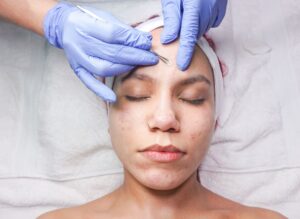
Chronic acne does more than just cause pimples. It alters how your skin works over time, making it oilier, more inflamed, and prone to lasting damage.[1][3][5]
One big change happens in the oil glands. These glands, called sebaceous glands, get bigger and more active when hormones like androgens rise. Androgens are hormones present in both men and women. They signal the glands to pump out extra sebum, the skin’s natural oil. Too much sebum mixes with dead skin cells and clogs pores. This sets off a chain reaction where bacteria grow inside the clogs, sparking inflammation.[1][3][9]
The skin’s barrier weakens too. In adults with ongoing acne, the skin often turns drier and more sensitive, even as it produces more oil. Harsh cleansers or over-washing strip away protective oils, leaving the barrier damaged. A weak barrier lets irritants in easier and lets moisture out, leading to more redness and flare-ups.[5][4]
Inflammation becomes a constant issue. Chronic acne keeps the immune system on high alert, fighting bacteria like Cutibacterium acnes. This ongoing battle causes swelling, pain, and deep cysts, especially along the jawline, chin, and cheeks. Stress adds fuel by raising cortisol, another hormone that boosts oil and worsens swelling.[1][3][6]
Pores behave differently as well. They stretch from repeated clogs and become more visible. Blackheads and whiteheads form more readily because skin cells shed faster and stickier under hormonal influence.[3][7]
Over months or years, the skin thickens in spots from repeated inflammation. This can lead to rough texture and enlarged pores that stay that way. Untreated, it scars permanently, leaving pits or dark spots called hyperpigmentation.[1][4][7]
External factors speed these changes. Heat and humidity in summer make skin sweat more, trapping oil and bacteria. Dry winter air irritates and cracks the barrier further. Diet with high sugar or dairy can spike insulin, mimicking hormone shifts and increasing oil.[2][6]
The skin also gets slower to heal. Chronic breakouts disrupt the normal repair process, so blemishes linger longer and new ones pop up quicker.[4][5]
These shifts make skin harder to balance. What works for teen acne often fails here because adult skin juggles oil surges with sensitivity and aging signs.[5][8]
Sources
https://www.medicaldaily.com/hormonal-acne-adults-acne-causes-skin-hormones-explained-474128
https://www.deblieckdermatology.com/blog/1397079-seasonal-acne-why-breakouts-change-throughout-the-year/
https://drankitmehra.com/blogs/hormonal-acne-causes-treatment-dermatologist-guide
https://www.fivensondermatology.com/acne
https://drsambunting.com/en-us/blogs/sam-bunting/how-to-fix-adult-acne
https://www.westchestercosmeticdermatology.com/blog/adult-acne-why-it-happens-and-how-to-treat-it/
https://www.pharmacytimes.com/view/the-educated-patient-clearing-up-acne
https://www.tuftsmedicine.org/about-us/news/acne-over-30
https://www.marieclaire.co.uk/beauty/hormonal-acne
https://fashionmagazine.com/beauty-grooming/adult-acne-causes-treatments/