
The question of whether caffeine consumption affects acne breakouts has sparked considerable debate among dermatologists, nutritionists, and skincare enthusiasts for decades. Coffee, tea, energy drinks, and chocolate represent some of the most commonly consumed sources of caffeine worldwide, with an estimated 85% of Americans consuming at least one caffeinated beverage daily. For the millions of people managing acne-prone skin, understanding how this ubiquitous stimulant interacts with skin health has become increasingly relevant. Acne affects approximately 50 million Americans annually and remains the most common skin condition in the United States.
While hormones, genetics, and skincare habits receive significant attention in acne management discussions, dietary factors often generate more confusion than clarity. Caffeine sits at the center of this nutritional uncertainty, with some sources claiming it triggers breakouts while others suggest it might offer protective benefits. The relationship between what we drink and how our skin behaves deserves careful examination beyond surface-level assumptions. By the end of this article, readers will understand the biological mechanisms through which caffeine may influence skin health, the role of stress hormones in acne development, how different caffeine sources vary in their potential effects, and evidence-based strategies for managing caffeine intake while maintaining clear skin. This comprehensive exploration draws on dermatological research, hormonal science, and practical dietary considerations to provide a nuanced understanding of the caffeine-acne connection.
Table of Contents
- Can Caffeine Directly Cause Acne Breakouts?
- How Cortisol and Stress Hormones From Caffeine Impact Skin Health
- The Role of Sugar and Dairy in Caffeinated Beverages and Acne
- Managing Caffeine Intake for Clearer Skin
- Understanding Individual Sensitivity to Caffeine and Skin Reactions
- Potential Benefits of Caffeine for Skin Health
- How to Prepare
- How to Apply This
- Expert Tips
- Conclusion
- Frequently Asked Questions
Can Caffeine Directly Cause Acne Breakouts?
The direct relationship between caffeine and acne formation lacks definitive scientific proof, though several biological pathways suggest potential connections worth examining. Caffeine itself does not appear in the scientific literature as a direct acne trigger in the way that certain hormones or bacteria do. However, caffeine’s effects on the body create conditions that may indirectly influence acne development in susceptible individuals. Understanding these mechanisms requires separating caffeine’s isolated effects from the broader context of how people typically consume it. Caffeine functions primarily as an adenosine receptor antagonist, blocking the neurotransmitter that promotes sleep and relaxation. This blocking action triggers the release of adrenaline and cortisol, hormones that prepare the body for heightened activity.
Cortisol, commonly known as the stress hormone, has well-documented effects on sebum production and skin inflammation. Elevated cortisol levels stimulate sebaceous glands to produce more oil, creating an environment where acne-causing bacteria can thrive. Research published in the Archives of Dermatological Research demonstrated that psychological stress, which elevates cortisol, significantly worsens acne severity. The indirect nature of caffeine’s potential influence on acne means individual responses vary considerably. Some people metabolize caffeine quickly due to genetic variations in the CYP1A2 enzyme, experiencing minimal hormonal disruption. Others, particularly slow metabolizers, may experience prolonged cortisol elevation that could contribute to skin issues over time.
- Caffeine blocks adenosine receptors, triggering stress hormone release that may increase sebum production
- No direct scientific evidence links caffeine molecules themselves to comedone formation or bacterial proliferation
- Individual genetic differences in caffeine metabolism significantly affect how the body responds to regular consumption

How Cortisol and Stress Hormones From Caffeine Impact Skin Health
The cortisol response triggered by caffeine consumption represents the most scientifically supported pathway through which coffee and similar beverages might influence acne. When caffeine enters the bloodstream, the adrenal glands receive signals to release cortisol, typically within 30 to 45 minutes of consumption. A single cup of coffee can elevate cortisol levels by 30% in some individuals, with effects lasting several hours depending on tolerance and metabolism rates. Chronic caffeine consumption may lead to sustained cortisol elevation, particularly in those who consume caffeine throughout the day. Cortisol affects skin health through multiple mechanisms beyond simple oil production.
The hormone triggers inflammatory responses throughout the body, including in the skin, where inflammation plays a central role in transforming clogged pores into painful, inflamed lesions. Research from Stanford University demonstrated that stress-induced cortisol elevation correlates with increased acne severity, particularly inflammatory acne types like papules, pustules, and cystic lesions. Additionally, cortisol can impair the skin barrier function, making skin more vulnerable to bacterial invasion and environmental irritants. The timing and pattern of caffeine consumption matters as much as the total amount. Consuming caffeine immediately upon waking, when cortisol naturally peaks as part of the circadian rhythm, may amplify the stress response more than consumption during mid-morning or early afternoon when cortisol levels naturally decline. Studies suggest waiting 90 minutes to two hours after waking before consuming caffeine allows the natural cortisol peak to subside, potentially reducing the compounding hormonal effects.
- Caffeine can elevate cortisol levels by up to 30%, with effects lasting several hours in sensitive individuals
- Cortisol increases sebum production, triggers inflammatory pathways, and compromises skin barrier integrity
- Timing of caffeine consumption relative to natural cortisol rhythms affects the magnitude of hormonal response
The Role of Sugar and Dairy in Caffeinated Beverages and Acne
While caffeine itself receives significant attention in acne discussions, the additions commonly paired with caffeinated beverages often pose greater concerns for skin health. Sugar-laden coffee drinks, flavored lattes, and sweetened energy drinks introduce high-glycemic ingredients that research has more definitively linked to acne development. A 2020 study in JAMA Dermatology found that high sugar consumption increased acne risk by 30% compared to low-sugar diets, making the sweeteners in many popular caffeine delivery systems potentially more problematic than the caffeine itself. High-glycemic foods and beverages cause rapid spikes in blood glucose, triggering insulin release and subsequent increases in insulin-like growth factor 1 (IGF-1). IGF-1 stimulates sebaceous gland activity and keratinocyte proliferation, both of which contribute directly to acne formation. A grande caramel frappuccino contains approximately 55 grams of sugar, nearly double the American Heart Association’s recommended daily limit.
For someone consuming such beverages regularly while trying to manage acne, the sugar content likely contributes more to breakouts than the 150 milligrams of caffeine. Dairy presents another complicating factor in the caffeine-acne equation. Milk contains hormones and bioactive molecules that may influence sebum production and skin cell turnover. Studies have shown associations between dairy consumption, particularly skim milk, and acne prevalence. The whey proteins in milk can increase IGF-1 levels, while naturally occurring hormones in dairy may interact with androgen receptors in the skin. Individuals who add cream, milk, or dairy-based creamers to their coffee introduce these potential acne triggers alongside their caffeine intake.
- Sugar in caffeinated beverages spikes insulin and IGF-1, directly stimulating processes that worsen acne
- A typical sweetened coffee drink may contain 40-60 grams of sugar, significantly exceeding healthy daily limits
- Dairy additions to coffee introduce hormones and proteins associated with increased acne risk in multiple studies

Managing Caffeine Intake for Clearer Skin
Practical management of caffeine consumption for those concerned about acne involves strategic choices rather than complete elimination for most people. The evidence does not support avoiding caffeine entirely as an acne treatment strategy, but thoughtful modifications to consumption patterns may benefit those experiencing hormone-related breakouts. Starting with an honest assessment of current caffeine habits provides the foundation for meaningful adjustments. Tracking caffeine intake for one to two weeks reveals patterns many people overlook. Beyond obvious sources like coffee and energy drinks, caffeine appears in tea, chocolate, certain medications, and many soft drinks.
The average American consumes approximately 200 milligrams of caffeine daily, equivalent to about two standard cups of coffee. Individuals consuming significantly more than this amount, particularly through multiple daily servings spread throughout the day, may benefit from gradual reduction to minimize sustained cortisol elevation. Substitution strategies allow continued enjoyment of warm beverages and the ritual aspects of coffee consumption while reducing potential skin impacts. Green tea contains roughly one-third the caffeine of coffee while providing L-theanine, an amino acid that may buffer some of caffeine’s stress-inducing effects. Decaffeinated coffee retains many of the polyphenols and antioxidants present in regular coffee while eliminating most caffeine content. For those unwilling to reduce caffeine, switching from sweetened, dairy-heavy preparations to black coffee or coffee with non-dairy alternatives addresses the potentially more significant sugar and dairy factors.
- Tracking all caffeine sources for two weeks reveals total consumption patterns and opportunities for reduction
- Green tea provides a lower-caffeine alternative with potential stress-buffering compounds
- Eliminating sugar and dairy from coffee may have greater acne benefits than eliminating caffeine itself
Understanding Individual Sensitivity to Caffeine and Skin Reactions
Genetic and metabolic differences create substantial variation in how individuals respond to caffeine, explaining why some people drink coffee daily without skin issues while others notice breakouts after modest consumption. The CYP1A2 gene determines the rate of caffeine metabolism in the liver, with variants creating fast metabolizers who clear caffeine quickly and slow metabolizers who experience prolonged effects. Approximately 50% of the population carries genetic variants associated with slow caffeine metabolism, making this a significant factor in individual responses. Beyond genetics, hormonal status influences caffeine sensitivity and its potential skin effects. Women using hormonal birth control metabolize caffeine more slowly due to the estrogen-mediated inhibition of CYP1A2 enzyme activity.
Caffeine’s half-life can nearly double in women taking oral contraceptives, meaning a morning coffee continues affecting hormone levels well into the evening. For women already managing hormonal acne, this extended caffeine presence may compound existing hormonal fluctuations that trigger breakouts. Age, stress levels, and overall health status further modify caffeine’s effects on the body. Younger adults typically metabolize caffeine more efficiently than older adults. Chronic stress from work, relationships, or health concerns may make individuals more sensitive to caffeine’s cortisol-elevating effects, as their baseline stress hormone levels already trend higher. Those experiencing persistent acne despite good skincare habits may benefit from examining their caffeine consumption in the context of their broader stress profile.
- Genetic variations in CYP1A2 enzyme activity cause significant differences in caffeine metabolism rates
- Hormonal birth control nearly doubles caffeine’s half-life in the body, prolonging potential skin effects
- Existing stress levels influence how strongly caffeine consumption affects cortisol and subsequent skin health
Potential Benefits of Caffeine for Skin Health
Despite concerns about caffeine’s potential to worsen acne, research has identified several ways caffeine may actually benefit skin health when consumed moderately or applied topically. Coffee and tea contain powerful antioxidants, including chlorogenic acid and polyphenols, that protect cells from oxidative damage. These compounds may help reduce inflammation throughout the body, potentially counteracting some of caffeine’s stress-inducing effects on skin.
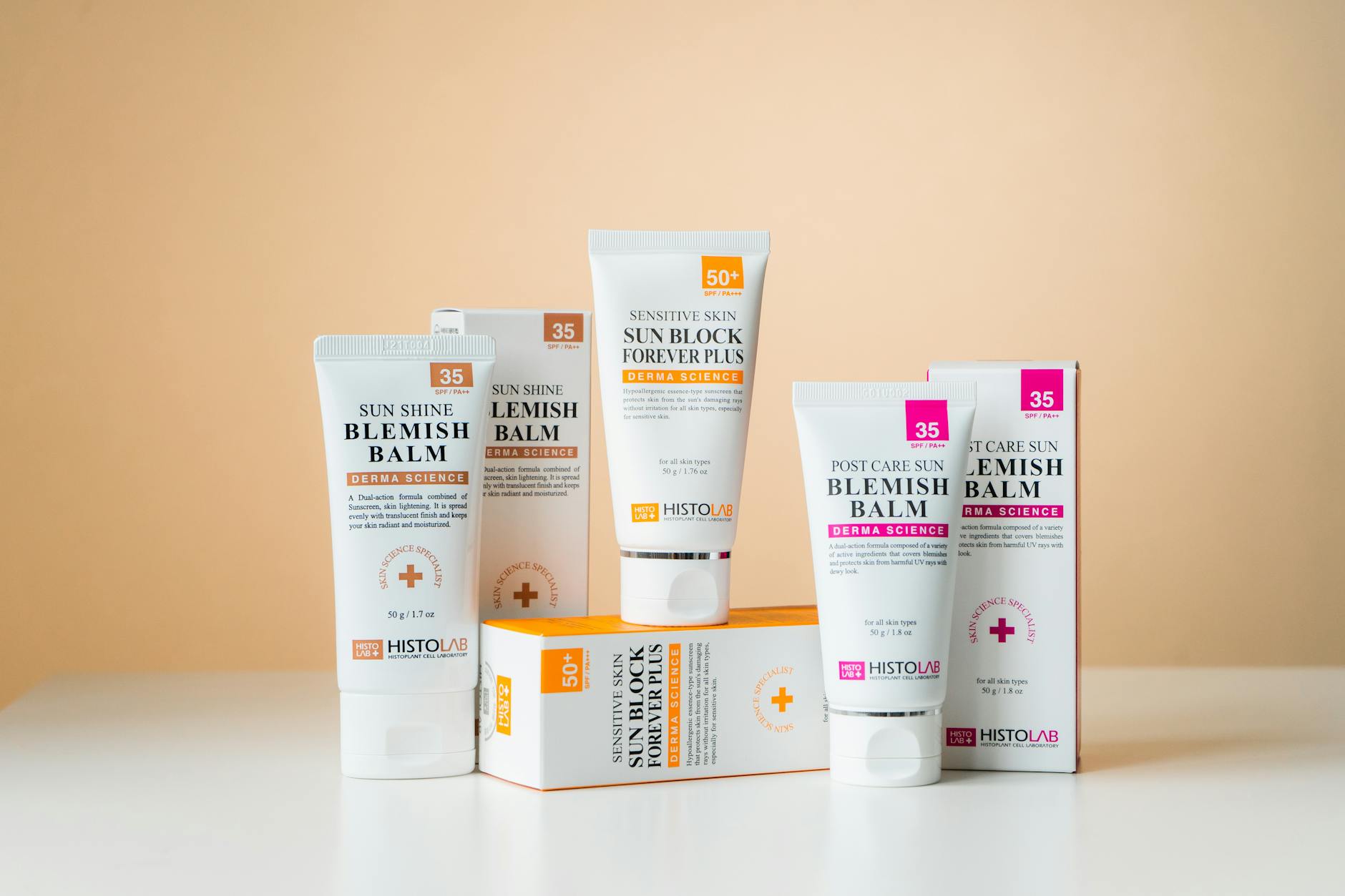
Topical caffeine has demonstrated efficacy in skincare formulations, though this differs from the effects of consumed caffeine. When applied directly to skin, caffeine constricts blood vessels, reducing redness and puffiness. Some studies suggest topical caffeine may also help regulate sebum production at the skin surface. Several acne-treatment products incorporate caffeine for its anti-inflammatory and antioxidant properties, representing a different relationship between caffeine and skin than dietary consumption creates.
How to Prepare
- **Document your current caffeine consumption** by recording every caffeinated beverage and food for two weeks, noting the type, amount, time of day, and any additions like sugar or dairy. Include all sources: coffee, tea, energy drinks, soft drinks, chocolate, and medications containing caffeine. Calculate your average daily intake in milligrams using standard reference values.
- **Track your acne patterns simultaneously** using a skin journal or app that allows you to photograph and rate breakouts daily. Note the location, type (blackhead, whitehead, inflammatory, cystic), and severity of any new lesions. Record other factors that might influence skin, including sleep quality, stress levels, menstrual cycle phase, and other dietary changes.
- **Conduct a two-week caffeine reduction experiment** by cutting your consumption by 50% while maintaining all other skincare and dietary habits constant. Reduce gradually over three to four days to minimize withdrawal symptoms like headaches and fatigue. Continue tracking skin condition throughout this period with the same documentation methods.
- **Analyze the correlation between consumption and breakouts** by comparing your skin journal entries before and during the reduction period. Look for patterns in timing between caffeine consumption and new lesion development, typically examining a 24 to 72-hour window. Consider whether any observed changes might result from other variables.
- **Make informed decisions based on your personal data** by evaluating whether the reduction period showed meaningful improvement. If acne improved, consider maintaining lower caffeine levels or experimenting with different consumption patterns. If no change occurred, caffeine may not be a significant factor in your individual acne presentation.
How to Apply This
- **Delay morning caffeine consumption** by 90 minutes to two hours after waking to avoid compounding the natural cortisol peak. Use this time for hydration with plain water, which supports skin health, and allow your body’s natural alertness mechanisms to activate before introducing caffeine.
- **Switch to lower-impact preparations** by choosing black coffee, espresso with non-dairy alternatives, or green tea over sweetened, dairy-laden options. If taste adjustments feel challenging, transition gradually by reducing sugar by half each week and substituting plant-based milks for dairy.
- **Establish a caffeine cutoff time** of early afternoon, ideally before 2 PM, to prevent interference with sleep quality and allow cortisol levels to normalize before bedtime. Poor sleep independently worsens acne through increased inflammation and stress hormones, making sleep protection a dual-benefit strategy.
- **Balance caffeine consumption with stress-reduction practices** such as brief meditation, deep breathing, or physical activity. These practices help regulate cortisol levels and may offset some of caffeine’s stimulating effects on stress hormones when performed consistently.
Expert Tips
- **Start any caffeine reduction gradually** over seven to ten days to prevent withdrawal headaches, which themselves cause stress and potential cortisol elevation that could worsen skin temporarily. Reduce by about 25% every two to three days rather than stopping abruptly.
- **Consider the source, not just the amount** when evaluating caffeine’s role in your skin health. A single black coffee differs substantially from multiple sweetened lattes in terms of total impact on blood sugar, hormones, and inflammation despite similar caffeine content.
- **Time any dietary experiments with your skin cycle** by beginning during a relatively stable period rather than during hormonal fluctuations, high stress periods, or after introducing new skincare products. This isolation helps identify whether caffeine specifically affects your skin.
- **Pay attention to what caffeine replaces** in your routine. If cutting back on coffee leads to increased sugary beverage consumption or afternoon energy crashes that disrupt sleep, the substitution may ultimately worsen skin health despite caffeine reduction.
- **Recognize that caffeine elimination rarely solves acne alone** when the condition has multiple contributing factors. Address foundational elements like consistent cleansing, appropriate topical treatments, and adequate sleep alongside any dietary modifications for comprehensive management.
Conclusion
The relationship between caffeine consumption and acne breakouts resists simple characterization, involving indirect hormonal pathways rather than direct causation. Caffeine’s stimulation of cortisol release, combined with the sugar and dairy commonly added to caffeinated beverages, creates potential mechanisms through which regular consumption might influence acne in susceptible individuals. However, the substantial individual variation in caffeine metabolism, baseline stress levels, and hormonal status means no universal recommendation applies to everyone questioning whether their coffee habit affects their skin.
Understanding your personal response to caffeine requires observation, experimentation, and honest assessment of all the variables influencing your skin health. For some people, reducing caffeine consumption produces noticeable improvements in acne severity, particularly those who are slow caffeine metabolizers, experience high baseline stress, or consume caffeinated beverages loaded with sugar and dairy. For others, caffeine consumption has no discernible impact on skin condition, and attention would be better directed toward other acne management strategies. The goal is not eliminating caffeine based on generalized fears but making informed decisions based on how your individual body responds.
Frequently Asked Questions
How long does it typically take to see results?
Results vary depending on individual circumstances, but most people begin to see meaningful progress within 4-8 weeks of consistent effort. Patience and persistence are key factors in achieving lasting outcomes.
Is this approach suitable for beginners?
Yes, this approach works well for beginners when implemented gradually. Starting with the fundamentals and building up over time leads to better long-term results than trying to do everything at once.
What are the most common mistakes to avoid?
The most common mistakes include rushing the process, skipping foundational steps, and failing to track progress. Taking a methodical approach and learning from both successes and setbacks leads to better outcomes.
How can I measure my progress effectively?
Set specific, measurable goals at the outset and track relevant metrics regularly. Keep a journal or log to document your journey, and periodically review your progress against your initial objectives.
When should I seek professional help?
Consider consulting a professional if you encounter persistent challenges, need specialized expertise, or want to accelerate your progress. Professional guidance can provide valuable insights and help you avoid costly mistakes.
What resources do you recommend for further learning?
Look for reputable sources in the field, including industry publications, expert blogs, and educational courses. Joining communities of practitioners can also provide valuable peer support and knowledge sharing.