
What Happens When You Use Strong Treatments Too Often
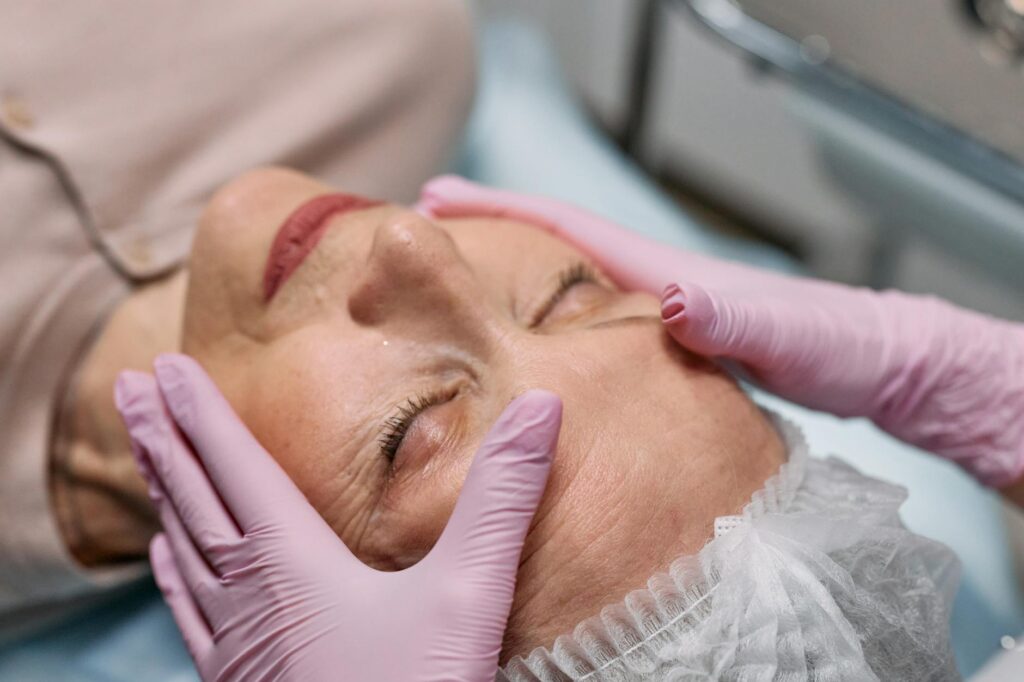
Using strong acne treatments and skincare products too often causes the opposite of what you want—damaged skin, resistant bacteria, and painful dependency…
Why Laser Treatments Are Used for Persistent Redness
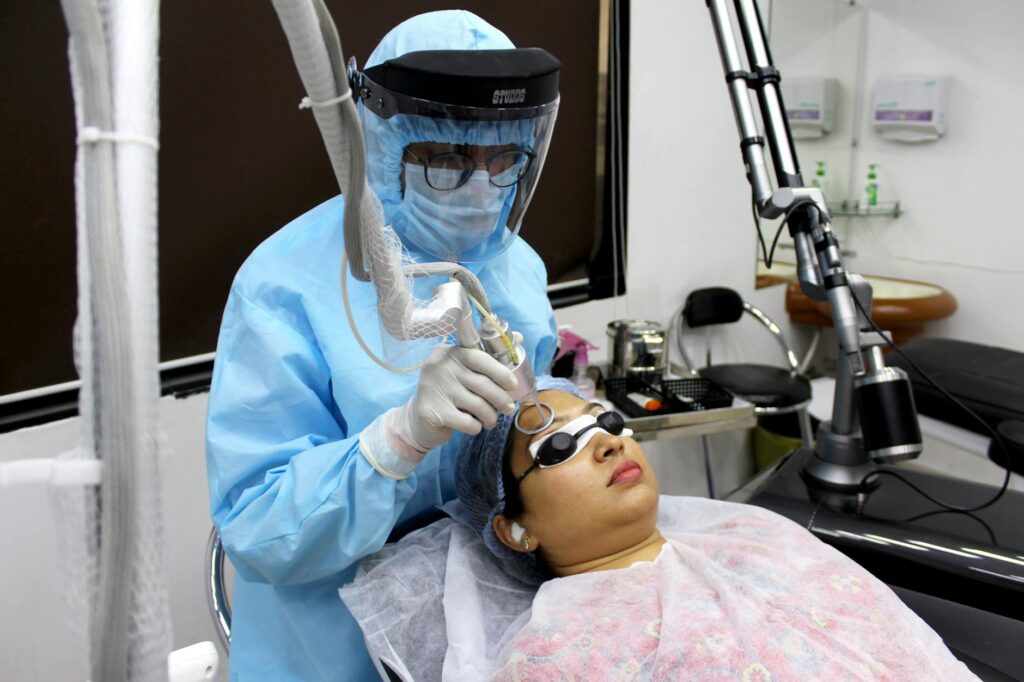
Laser treatments are used for persistent redness because they directly target and destroy the dilated blood vessels near your skin’s surface that cause…
What Happens When You Combine Too Many Treatments for Redness
When you combine too many treatments for redness, you’re not addressing the problem faster—you’re typically making it worse.
What Happens When You Treat Redness With Harsh Ingredients

Treating redness with harsh ingredients typically makes the problem worse, not better. When you apply overly potent or irritating actives—like…
Why Post Acne Red Marks Can Be Difficult to Treat

Post-acne red marks are difficult to treat primarily because of a biological mechanism called Post-Inflammatory Erythema (PIE)—the persistent dilation of…
Why Your Acne Suddenly Stops Responding to Treatments That Used to Work

Your acne is resistant because bacteria on your skin have adapted to the medications you’ve been using, especially antibiotics.
Why Some Dark Marks Become Permanent Without Treatment
Dark marks become permanent without treatment because the skin’s natural ability to fade them is remarkably slow and can be completely halted by ongoing…
How Professional Treatments Help Fade Acne Marks Faster
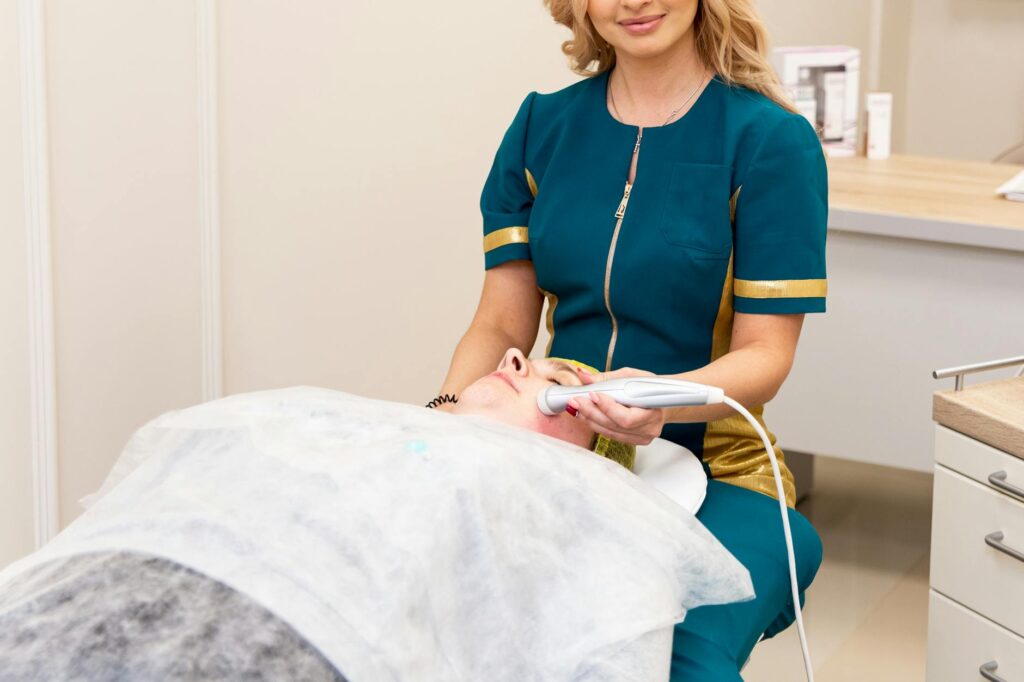
Professional treatments accelerate acne scar fading by actively remodeling damaged skin tissue through controlled trauma and collagen stimulation, rather…
How to Fade Dark Marks Without Using Harsh Treatments
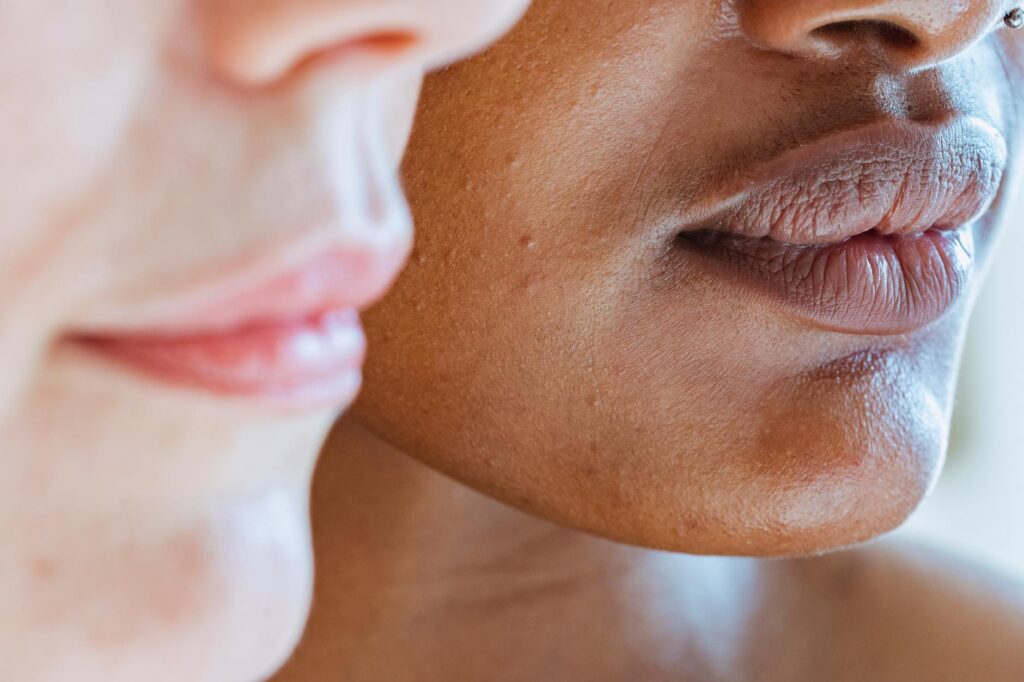
Dark marks don’t require harsh bleaching agents or aggressive treatments to fade. The most effective approach uses gentle, science-backed ingredients like…
What Happens When You Use Acne Treatments Too Frequently
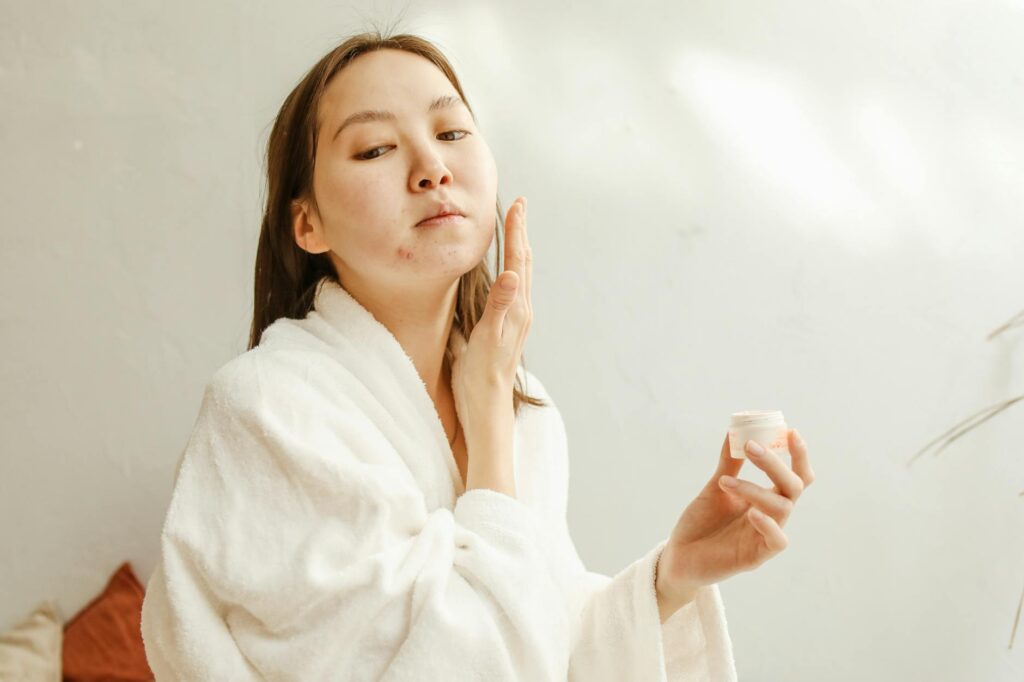
Using acne treatments too frequently doesn’t clear skin faster—it causes dryness, irritation, peeling, and redness instead.