
Why Early Treatment Prevents Long Lasting Pigmentation

Early treatment prevents long-lasting pigmentation because it stops melanin from settling deeper into your skin’s layers, where it becomes exponentially…
Early treatment prevents long-lasting pigmentation because it stops melanin from settling deeper into your skin’s layers, where it becomes exponentially…

Hyperpigmentation is significantly more common and severe in darker skin tones due to fundamental differences in how melanocytes function and respond to…

The most effective way to prevent hyperpigmentation after breakouts is to use a daily sunscreen with SPF 30 or higher—preferably SPF 50 or above if you…

Consistency is key for treating hyperpigmentation because melanin production doesn’t reset overnight—it responds to sustained, repeated signals.
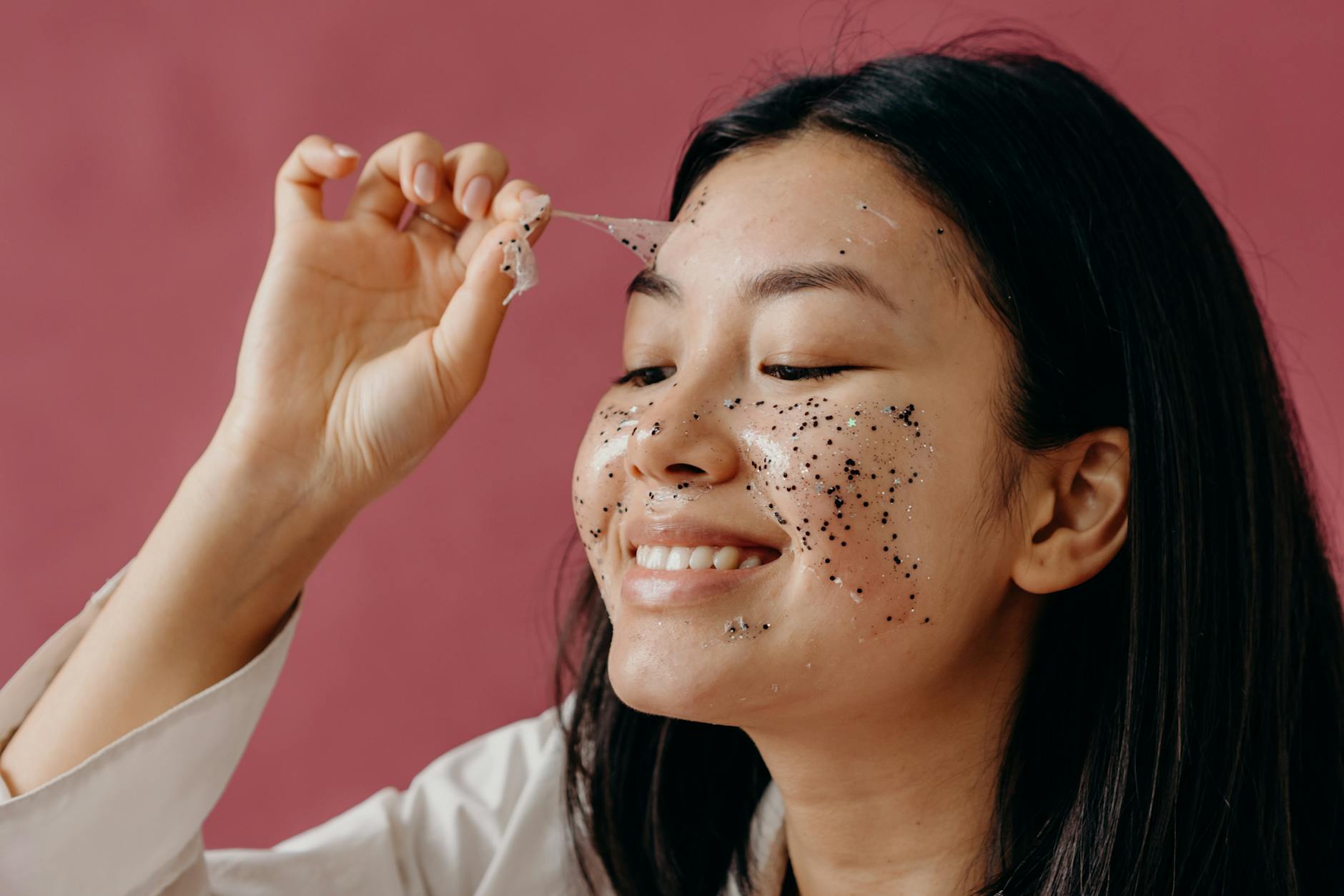
Exfoliation helps fade hyperpigmentation because it physically and chemically removes the outermost layers of skin that contain excess melanin and damaged…

Hyperpigmentation—those dark patches and uneven spots on the skin—occurs more frequently in people with deeper skin tones because they naturally produce…
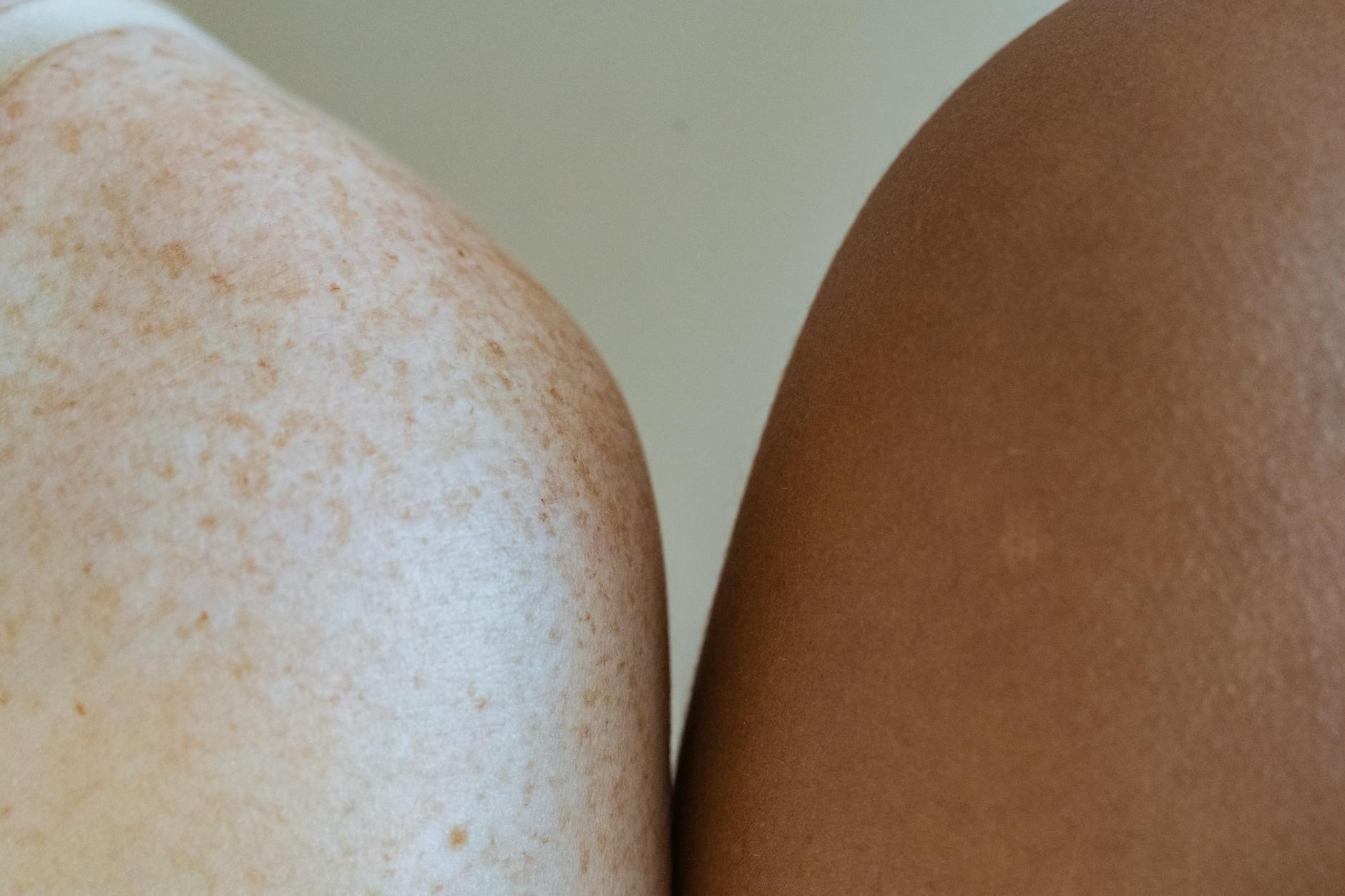
Post-inflammatory erythema and hyperpigmentation are two fundamentally different skin conditions that both appear as marks after acne or skin…

Accutane (isotretinoin) can help reduce post-inflammatory hyperpigmentation (PIH), but not through any direct mechanism targeting pigment.

Getting rid of hyperpigmentation from old acne requires a combination of topical treatments that inhibit melanin production, promote cell turnover, and…
Preventing post inflammatory hyperpigmentation from acne requires a three-pronged approach: treating active breakouts as quickly and gently as possible,…