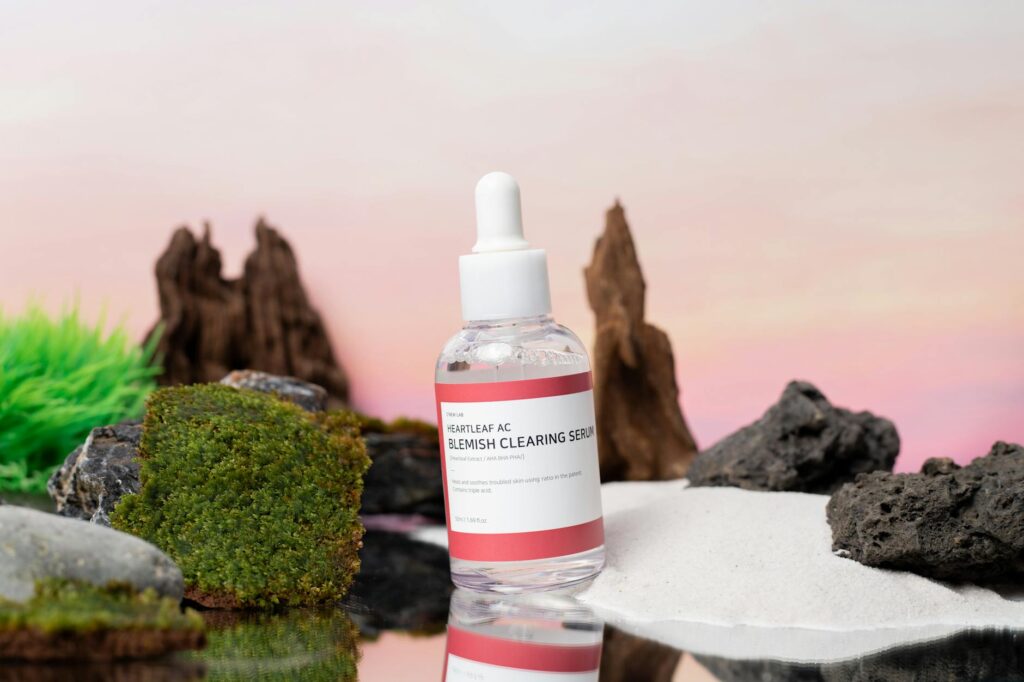
Finding the best hydrating serums for acne prone dry skin presents a unique challenge that many skincare routines fail to address adequately. The conventional wisdom that acne-prone skin needs aggressive drying treatments collides head-on with the reality that dry, dehydrated skin often produces more oil and experiences more breakouts as a compensatory mechanism. This paradox leaves millions of people caught between products that either exacerbate dryness or trigger fresh breakouts, never quite achieving the balanced, clear complexion they seek. The struggle stems from a fundamental misunderstanding of how acne develops in dry skin types. When the skin barrier becomes compromised through dehydration, it loses its ability to protect against environmental irritants and bacteria.
Trans-epidermal water loss increases, inflammation becomes more pronounced, and the skin’s natural healing processes slow considerably. Meanwhile, sebaceous glands may actually increase oil production in certain areas while other zones remain flaky and tight. This combination creates an environment where acne-causing bacteria thrive while the skin simultaneously cries out for moisture. By the end of this guide, readers will understand exactly which hydrating ingredients work synergistically with acne-prone skin and which ones to avoid. The information covers the science behind effective hydration for breakout-prone complexions, specific ingredient profiles that deliver moisture without clogging pores, application techniques that maximize absorption, and strategies for building a complete routine around hydrating serums. Whether dealing with occasional hormonal breakouts combined with seasonal dryness or chronic acne alongside persistently dehydrated skin, the principles outlined here provide a roadmap to healthier, clearer skin.
Table of Contents
- Why Do People with Acne Prone Dry Skin Need Specialized Hydrating Serums?
- Key Ingredients in Hydrating Serums Safe for Acne Prone Skin
- Ingredients to Avoid in Serums for Dry Acne Prone Complexions
- How to Choose the Right Hydrating Serum for Your Acne and Dryness Severity
- Common Mistakes When Using Hydrating Serums on Acne Prone Skin
- The Role of pH in Hydrating Serums for Acne Prone Dry Skin
- How to Prepare
- How to Apply This
- Expert Tips
- Conclusion
- Frequently Asked Questions
Why Do People with Acne Prone Dry Skin Need Specialized Hydrating Serums?
The skin barrier, technically called the stratum corneum, functions as the body’s first line of defense against external threats while simultaneously preventing internal moisture from escaping. In acne-prone dry skin, this barrier is often compromised on multiple fronts. Common acne treatments like benzoyl peroxide, salicylic acid, and retinoids””while effective at reducing breakouts””strip away natural lipids and accelerate skin cell turnover in ways that intensify dryness. Without proper hydration support, this creates a vicious cycle where treatment success comes at the cost of barrier integrity.
Hydrating serums differ fundamentally from moisturizers in their molecular structure and penetration depth. Serums contain smaller molecules and higher concentrations of active ingredients, allowing them to reach deeper skin layers where they can address dehydration at its source. For acne-prone skin, this penetration ability proves crucial because surface-level hydration often involves heavier occlusives that trap sebum and dead skin cells against the pore opening. The right serum delivers water-binding ingredients directly to the dermis without creating the pore-clogging film that triggers breakouts.
- **Compromised barrier function** requires lightweight hydration that repairs without occluding pores
- **Increased transepidermal water loss** in acne-prone skin makes water-binding humectants essential rather than optional
- **Inflammation from active breakouts** responds better to hydrating serums than heavy creams because they reduce irritation without trapping bacteria
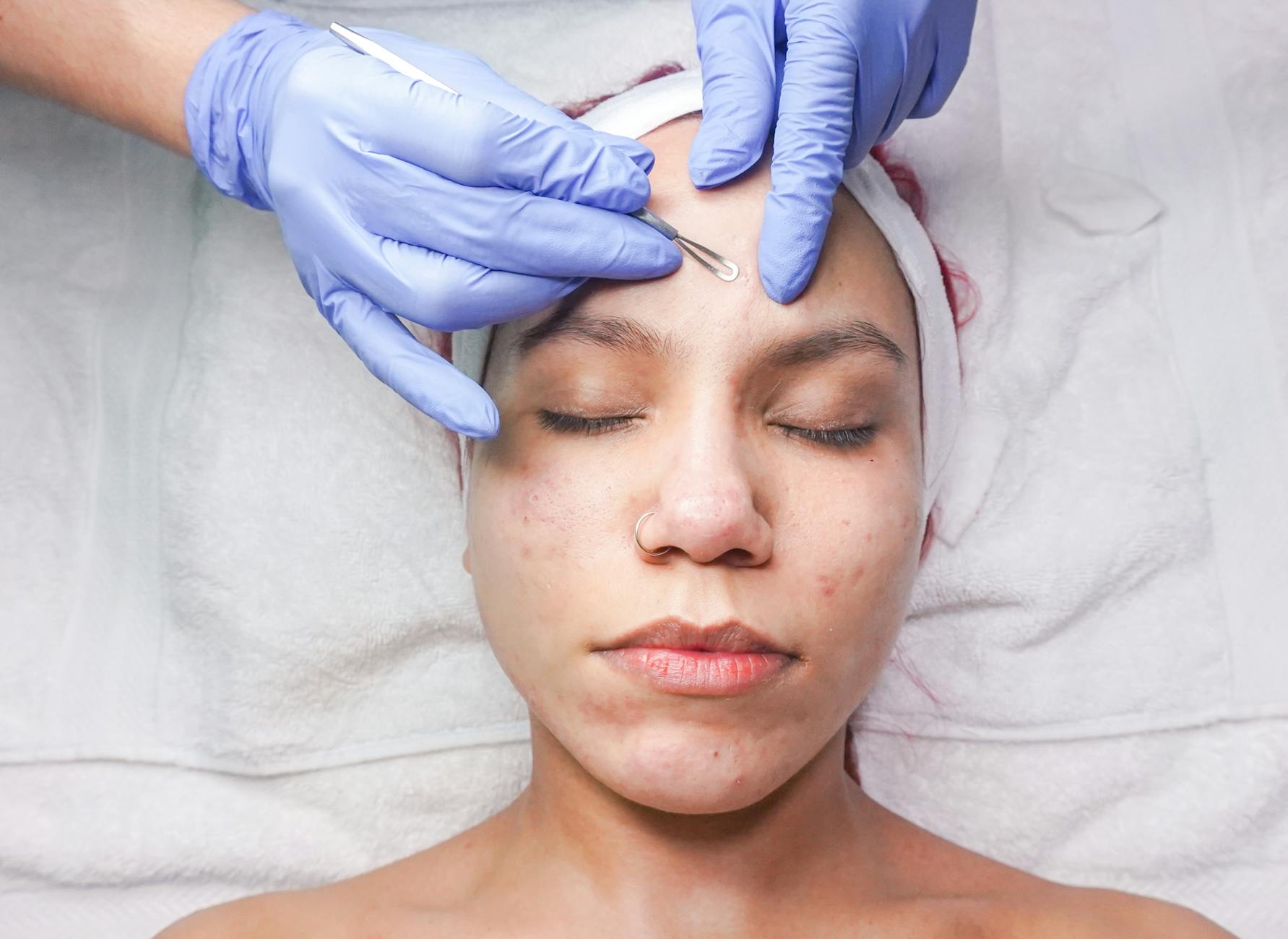
Key Ingredients in Hydrating Serums Safe for Acne Prone Skin
Hyaluronic acid stands as the gold standard humectant for acne-prone dry skin, and understanding why requires a brief chemistry lesson. This naturally occurring polysaccharide can hold up to 1,000 times its weight in water, drawing moisture from the environment and deeper skin layers to plump the epidermis. Crucially, hyaluronic acid is non-comedogenic across all molecular weights, though lower molecular weight versions (under 50 kDa) penetrate more effectively while higher weights create a hydrating film on the surface.
Multi-weight hyaluronic acid serums offer comprehensive hydration without any risk of triggering breakouts. niacinamide, also known as vitamin B3, delivers hydration benefits while simultaneously addressing acne through multiple pathways. Research published in the Journal of Cosmetic Dermatology demonstrates that niacinamide strengthens the skin barrier by increasing ceramide synthesis, reduces sebum production by up to 65% at concentrations of 2% or higher, and decreases inflammation associated with active breakouts. For dry acne-prone skin, a niacinamide concentration between 4% and 10% provides optimal results without the irritation sometimes seen at higher percentages.
- **Glycerin** at concentrations below 10% hydrates effectively without feeling sticky or contributing to congestion
- **Panthenol (Vitamin B5)** penetrates the skin barrier to provide deep hydration while accelerating wound healing from picked or popped blemishes
- **Sodium PCA** mimics the skin’s natural moisturizing factor and absorbs quickly without residue
- **Beta-glucan** offers hydration comparable to hyaluronic acid with additional anti-inflammatory properties particularly beneficial during active breakouts
Ingredients to Avoid in Serums for Dry Acne Prone Complexions
Comedogenic ingredients present obvious dangers for acne-prone skin, but identifying them requires more nuance than simply avoiding oils. Coconut oil derivatives like coconut alkanes and capric/caprylic triglycerides score relatively low on comedogenicity scales despite coconut oil itself being highly pore-clogging. Conversely, some synthetic ingredients marketed as “lightweight” or “oil-free” can trigger breakouts through different mechanisms.
Isopropyl myristate, commonly used as a penetration enhancer, consistently ranks among the most comedogenic ingredients despite containing no natural oils. Alcohol presents a more complicated picture. Fatty alcohols like cetyl alcohol and cetearyl alcohol actually benefit dry skin by providing emollient properties, but simple alcohols listed as alcohol denat, SD alcohol, or isopropyl alcohol strip the skin barrier and create rebound oiliness. Many serums marketed toward acne-prone skin contain these drying alcohols under the assumption that less oil means fewer breakouts””a premise that fails entirely for dry acne-prone skin types.
- **Sodium lauryl sulfate and sodium laureth sulfate** sometimes appear in water-based serums as emulsifiers and severely compromise barrier function
- **Fragrance blends** containing undisclosed allergens trigger inflammation that worsens both dryness and acne
- **Silicones in high concentrations** create an occlusive barrier that can trap sebum and bacteria despite being technically non-comedogenic

How to Choose the Right Hydrating Serum for Your Acne and Dryness Severity
Assessing your specific skin situation requires honest evaluation of both acne type and dryness level. Inflammatory acne characterized by red, swollen papules and pustules responds best to serums containing calming ingredients like centella asiatica or allantoin alongside primary humectants. Non-inflammatory acne presenting as blackheads and whiteheads benefits from serums that include mild exfoliating components like polyhydroxy acids, which hydrate while gently dissolving pore-clogging debris. The texture of dryness matters equally””flaky, peeling skin needs barrier-repair ingredients like ceramides, while tight, uncomfortable skin without visible flaking primarily lacks water content and responds well to pure humectant formulas.
Concentration levels determine whether a serum will deliver results or cause problems. Hyaluronic acid proves effective at concentrations as low as 0.1% and shows diminishing returns above 2%, meaning higher percentages primarily serve as marketing rather than providing additional benefits. Niacinamide demonstrates a clearer dose-response relationship, with studies showing superior results at 4-5% compared to 2%, though some individuals experience flushing at concentrations exceeding 10%. For severely dry acne-prone skin, look for serums combining multiple humectants at moderate concentrations rather than single ingredients at maximum strength.
- **Mild dryness with occasional breakouts** responds well to lightweight hyaluronic acid serums with minimal additional ingredients
- **Moderate dryness with persistent acne** benefits from combination serums featuring hyaluronic acid, niacinamide, and centella asiatica
- **Severe dryness with inflammatory acne** requires barrier-repair serums containing ceramides and cholesterol alongside hydrating components
- **Dehydrated oily skin with acne** needs oil-free formulas focusing on water-binding ingredients without any occlusive components
Common Mistakes When Using Hydrating Serums on Acne Prone Skin
Applying serums to completely dry skin represents perhaps the most widespread mistake undermining hydration efforts. Humectants work by drawing water into the skin, but they require available water molecules to attract. When applied to dry skin in a low-humidity environment, hyaluronic acid and similar ingredients can actually pull water from deeper skin layers toward the surface where it evaporates, resulting in net dehydration. The solution involves applying hydrating serums to slightly damp skin immediately after cleansing or misting with water, then sealing with an appropriate moisturizer within 60 seconds.
Over-layering products creates another common problem specific to acne-prone skin attempting to address dryness. The temptation to apply multiple hydrating products””toner, essence, serum, and ampoule””backfires when too many layers prevent proper absorption and create a film that occludes pores. Each additional layer also increases the probability of ingredient interactions that cause sensitivity or breakouts. For most people with dry acne-prone skin, one well-formulated hydrating serum followed by a single moisturizer provides better results than a complex multi-step routine.
- **Skipping patch testing** leads to widespread reactions that set back treatment progress by weeks
- **Mixing hydrating serums with active acne treatments** at the same time can either dilute the actives or drive them deeper into skin, increasing irritation
- **Expecting immediate results** causes people to abandon effective products before the typical 4-6 week period needed to see meaningful improvement
- **Using the same serum year-round** ignores the reality that skin hydration needs change with seasonal humidity levels

The Role of pH in Hydrating Serums for Acne Prone Dry Skin
Skin maintains an optimal pH between 4.5 and 5.5, known as the acid mantle, which supports beneficial bacteria while inhibiting acne-causing Cutibacterium acnes. Many hydrating serums fall outside this range, either skewing too acidic to enhance the penetration of active ingredients or too alkaline due to certain preservative systems. For already compromised dry acne-prone skin, pH-appropriate serums prevent additional barrier disruption that occurs when the skin must expend energy restoring its natural acidity.
Testing serum pH at home requires inexpensive pH strips available at pharmacies or online. Apply a drop of serum to the strip and compare the color change to the included reference chart. Serums registering below pH 4 may cause stinging and irritation on dry skin, while those above pH 6 can temporarily disrupt the acid mantle enough to allow bacterial overgrowth. This simple test helps identify products that undermine hydration goals despite containing beneficial ingredients.
How to Prepare
- **Assess your current routine for barrier-damaging products** by listing every product touching your face and researching each for drying alcohols, sulfates, and high-concentration acids. Remove or reduce frequency of any products compromising your moisture barrier before adding hydrating serums, as continuing to damage the barrier while attempting to hydrate creates an unwinnable situation.
- **Determine your primary acne type and dryness pattern** through one week of morning and evening observation. Note whether breakouts appear predominantly in the T-zone, cheeks, jawline, or uniformly across the face. Record whether dryness manifests as flaking, tightness, rough texture, or dullness. This information guides ingredient selection””inflammatory acne on cheeks suggests a different formulation than comedonal acne in the T-zone.
- **Patch test any new serum for a minimum of one week** before full-face application. Apply a small amount behind the ear and on the inner forearm twice daily, checking for redness, itching, or breakouts. After clearing this initial test, apply to a small area of the face near the jawline for another week. This extended testing period catches delayed reactions common in acne-prone skin.
- **Adjust your cleansing routine to support hydration** by switching to a gentle, non-foaming cleanser with a pH between 5 and 6. Cleansers that leave skin feeling “squeaky clean” have stripped essential lipids and proteins, making subsequent hydration efforts less effective. The skin should feel clean but not tight after washing.
- **Create optimal environmental conditions for serum application** by controlling bathroom humidity. Running a hot shower before your skincare routine creates steam that provides water molecules for humectants to attract. Alternatively, keep a facial mist within arm’s reach to dampen skin immediately before serum application.
How to Apply This
- **After cleansing, leave skin slightly damp or mist with plain water** so that a thin film of moisture remains on the surface. Do not towel dry completely. This provides the water molecules that humectant ingredients need to function properly rather than drawing moisture from lower skin layers.
- **Dispense 2-3 drops of serum onto fingertips and warm briefly** by pressing hands together for 3-5 seconds. Warming slightly improves spreadability and absorption. Apply in gentle pressing motions rather than rubbing, covering the entire face while avoiding the immediate eye area unless the product specifically states eye-area safety.
- **Wait 30-60 seconds for initial absorption before applying moisturizer** to seal hydrating ingredients into the skin. This pause allows the serum to penetrate rather than mixing with and diluting the subsequent product. Skin should feel slightly tacky but not wet when ready for the next step.
- **If using acne treatment products, apply them either 20 minutes before or 20 minutes after hydrating serums** depending on whether they are water-based or lipid-based. Water-based treatments like benzoyl peroxide work better before serums, while retinoids perform optimally over a hydrating serum base. Consult product instructions when uncertain about layering order.
Expert Tips
- **Apply hydrating serum to damp skin twice daily even if using acne treatments only once daily.** The morning application preps skin for environmental stressors while the evening application supports overnight repair processes. Consistent twice-daily hydration produces better results than occasional intensive treatments.
- **Keep hydrating serums in the refrigerator during summer months** to extend shelf life of heat-sensitive ingredients like vitamin C derivatives and to provide a cooling anti-inflammatory effect during application. The cold temperature temporarily constricts pores, reducing the appearance of enlarged pores common in acne-prone skin.
- **Layer a single drop of facial oil over hydrating serum only if your skin tolerates it**, selecting non-comedogenic options like squalane, hemp seed oil, or rosehip seed oil. This creates an occlusive seal that prevents trans-epidermal water loss. However, eliminate this step immediately if new breakouts appear.
- **Introduce new hydrating serums during periods of reduced acne treatment intensity** rather than simultaneously with new actives. This approach makes identifying the source of any reactions straightforward and prevents the common mistake of blaming hydrating products for irritation actually caused by increased active ingredient concentration.
- **Reapply a thin layer of hydrating serum over makeup during the day** if experiencing afternoon tightness or dryness. Pat gently over foundation rather than rubbing, and follow with a setting mist. This technique maintains hydration without requiring full makeup removal and reapplication.
Conclusion
Managing acne prone dry skin through strategic hydrating serum use represents a fundamental shift from the outdated stripping-and-drying approach that dominated acne treatment for decades. The science now clearly supports maintaining robust hydration as a cornerstone of acne management, not a secondary concern to address after breakouts clear. Ingredients like hyaluronic acid, niacinamide, and panthenol deliver moisture to compromised skin barriers without feeding the bacterial overgrowth and inflammation that drive acne formation. Understanding which ingredients to embrace and which to avoid, combined with proper application techniques, transforms hydrating serums from potential pore-cloggers into powerful tools for achieving balanced skin.
Building an effective routine requires patience and systematic testing rather than desperate product-hopping that often characterizes the acne-prone skincare journey. Start with a single well-formulated hydrating serum containing multi-weight hyaluronic acid and niacinamide, master the damp-skin application technique, and give the product a full six weeks before evaluating results. Track changes in both dryness symptoms and breakout frequency to identify true improvements versus temporary fluctuations. Clear, hydrated skin is achievable for dry acne-prone complexions””the path simply requires rejecting the false choice between moisture and clarity in favor of products and techniques that deliver both.
Frequently Asked Questions
How long does it typically take to see results?
Results vary depending on individual circumstances, but most people begin to see meaningful progress within 4-8 weeks of consistent effort. Patience and persistence are key factors in achieving lasting outcomes.
Is this approach suitable for beginners?
Yes, this approach works well for beginners when implemented gradually. Starting with the fundamentals and building up over time leads to better long-term results than trying to do everything at once.
What are the most common mistakes to avoid?
The most common mistakes include rushing the process, skipping foundational steps, and failing to track progress. Taking a methodical approach and learning from both successes and setbacks leads to better outcomes.
How can I measure my progress effectively?
Set specific, measurable goals at the outset and track relevant metrics regularly. Keep a journal or log to document your journey, and periodically review your progress against your initial objectives.
When should I seek professional help?
Consider consulting a professional if you encounter persistent challenges, need specialized expertise, or want to accelerate your progress. Professional guidance can provide valuable insights and help you avoid costly mistakes.
What resources do you recommend for further learning?
Look for reputable sources in the field, including industry publications, expert blogs, and educational courses. Joining communities of practitioners can also provide valuable peer support and knowledge sharing.