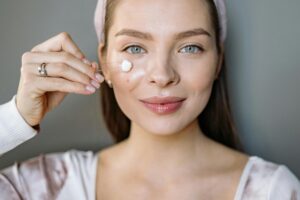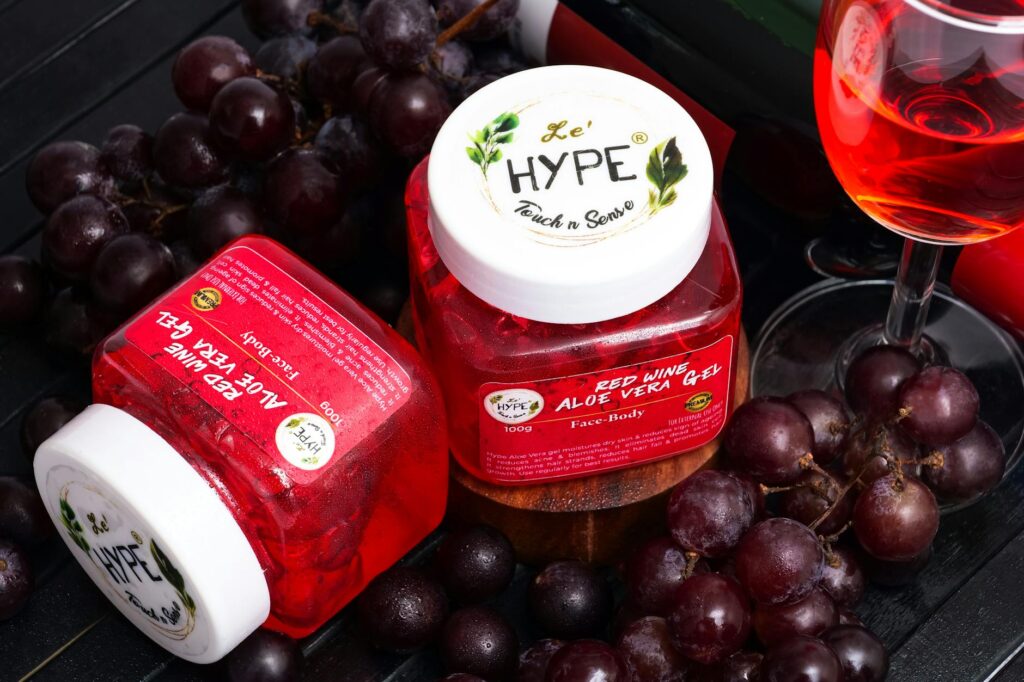
The best gel moisturizers for acne-prone summer skin combine lightweight hydration with oil-controlling ingredients like niacinamide, hyaluronic acid, and ceramides. Top dermatologist-recommended options include CeraVe Oil Control Gel-Cream for its silica-based shine control, Neutrogena Hydro Boost Gel Cream for its zero-residue absorption, and Cetaphil Gentle Clear Mattifying Acne Moisturizer for those who need active salicylic acid treatment. These water-based formulas deliver essential moisture without the heavy occlusives that trigger breakouts in hot weather.
As Dr. Sandra Lee explains, “For acne-prone and oily skin types, the best moisturizer is almost always a gel or water-based formula because it delivers essential hydration without the heavy oils and occlusives that can clog pores.” This matters especially in summer, when humidity and sweat already challenge your skin’s balance. Someone using a rich cream moisturizer in July might notice increased congestion around their chin and forehead within weeks, while switching to a gel formula often resolves the issue without sacrificing hydration. This article covers why gel moisturizers work for summer acne, the key ingredients to prioritize, specific product recommendations across price points, how to layer them with acne treatments, and common mistakes that undermine their effectiveness.
Table of Contents
- Why Do Acne-Prone Skin Types Need Gel Moisturizers in Summer?
- Which Ingredients Make Gel Moisturizers Effective for Breakout-Prone Skin?
- How Do Budget and Premium Gel Moisturizers Compare?
- What Real Users Report About Top Gel Moisturizer Performance
- How Should You Layer Gel Moisturizers With Acne Treatments?
- When Gel Moisturizers Are Not Enough
- Ingredients to Avoid in Summer Gel Moisturizers
- The Future of Gel Moisturizers for Acne-Prone Skin
- Conclusion
Why Do Acne-Prone Skin Types Need Gel Moisturizers in Summer?
Many people with oily or breakout-prone skin assume they should skip moisturizer entirely, especially when temperatures rise. This backfires more often than it helps. Dr. Lindsey Zubritsky, a board-certified dermatologist, notes that “all skin types, even oily or acne-prone skin, need hydration. If you skip moisturizers, you can actually further dehydrate your skin, potentially triggering more oil production.” The result is a frustrating cycle where avoiding moisture creates the exact greasiness you were trying to prevent.
Gel moisturizers solve this problem through their water-based structure. Unlike cream and lotion formulas that rely on oils and heavy occlusives to lock in moisture, gels use humectants like glycerin and hyaluronic acid to attract water into the skin. They absorb within seconds, leaving no film or tackiness behind. For someone commuting in August heat or exercising outdoors, this quick absorption means no greasy residue mixing with sweat. The comparison between gel and cream formulas becomes stark in practice. A traditional cream might take several minutes to absorb and leave a noticeable sheen, while products like Neutrogena Hydro Boost absorb with what editors describe as “zero residue.” This difference affects not just comfort but also how well makeup and sunscreen layer on top, which matters for anyone building a complete summer skincare routine.
Which Ingredients Make Gel Moisturizers Effective for Breakout-Prone Skin?
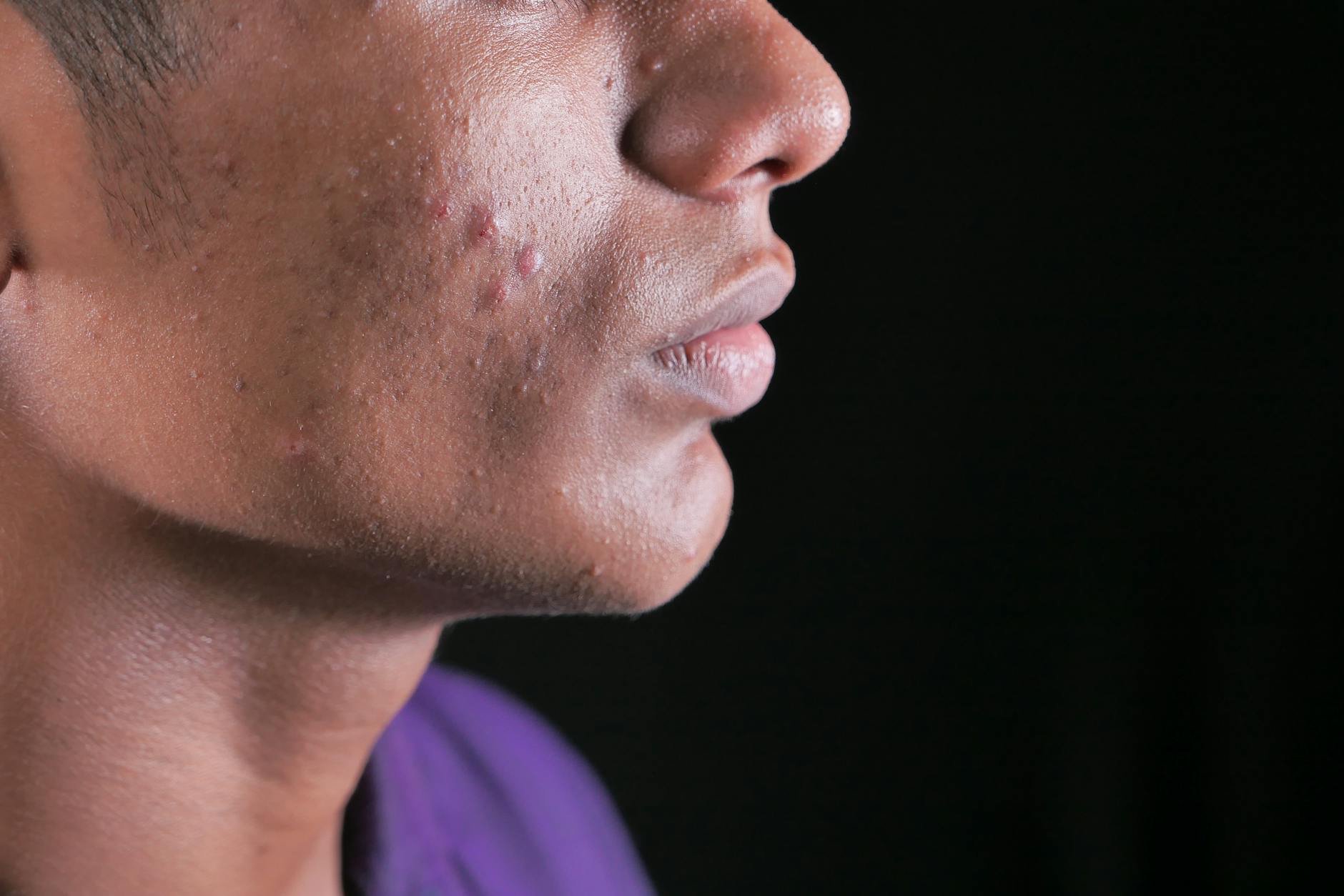
The most effective gel moisturizers for acne combine hydrating ingredients with compounds that address oil production and inflammation. Hyaluronic acid serves as the foundation in most formulas, providing lightweight moisture retention without any comedogenic risk. Niacinamide appears in several top-rated products because it pulls double duty: regulating sebum production while also reducing the redness and inflammation that make active breakouts more visible. Ceramides represent another crucial ingredient, though they might seem counterintuitive for oily skin. These lipids strengthen the skin barrier, which helps prevent the dehydration that triggers compensatory oil production. CeraVe Oil Control Gel-Cream and La Roche-Posay Toleriane Double Repair both include ceramides for this reason.
The Skinfix Gel-Cream adds antimicrobial peptides alongside niacinamide, with dermatologist David Kim recommending it specifically for its airtight jar packaging that keeps bacteria out of the formula. However, if you have active inflammatory acne rather than just occasional breakouts, you may need ingredients that go beyond hydration. Salicylic acid appears in treatment-focused options like Cetaphil Gentle Clear Mattifying Acne Moisturizer and Peace Out Skincare Acne Gel Moisturizer at 2% concentration. The Cetaphil formula adds botanical extracts including bisabolol, kojic acid, and licorice root that address post-acne marks. If your skin is currently clear and you just want to prevent breakouts, a salicylic acid moisturizer might be unnecessarily drying. Choose based on your current skin state, not your worst-case scenario.
How Do Budget and Premium Gel Moisturizers Compare?
Price differences in gel moisturizers often reflect brand positioning and packaging more than dramatic differences in efficacy. Budget options under fifteen dollars, like CeraVe Oil Control Gel-Cream and Neutrogena Hydro Boost, contain the same hero ingredients found in premium products. Both feature hyaluronic acid and are specifically formulated for oily skin types. The CeraVe adds niacinamide, ceramides, and silica for oil absorption, making it arguably more sophisticated than some products costing twice as much. Mid-range options between fifteen and twenty-five dollars often include additional actives or specialized delivery systems. La Roche-Posay Toleriane double Repair Face Moisturizer sits in this range and claims to provide two days of hydration per application, incorporating prebiotic thermal water alongside its ceramide-3, niacinamide, and glycerin blend.
The Pink Foundry Acne Care Gel Moisturiser offers an interesting value proposition at approximately five hundred rupees for fifty milliliters, combining three percent niacinamide with two percent squalane plus tea tree and cica extracts. Premium and luxury options above twenty-five dollars typically emphasize elegant textures, sustainable packaging, or clinical-strength actives. Peace Out Skincare Acne Gel Moisturizer falls into this category with its combination of two percent salicylic acid, niacinamide, and ceramide complex. For someone whose skin tolerates and benefits from these actives, the investment may be worthwhile. For someone with sensitive skin that reacts to salicylic acid, a cheaper niacinamide-only formula would actually perform better. Price does not correlate directly with results for your specific skin.
What Real Users Report About Top Gel Moisturizer Performance
Consumer feedback provides insight that ingredient lists alone cannot capture. Cetaphil Gentle Clear Mattifying Acne Moisturizer holds a 4.2 out of 5 star rating from 130 reviewers, with eighty-nine percent of consumers reporting hydrated and nourished skin after one week of use. This kind of rapid improvement matters for people who have struggled with both dryness and breakouts simultaneously. The CeraVe Oil Control Gel-Cream receives recommendations from multiple dermatologists including Dr. Kopelman and Dr. Gmyrek, which suggests consistent clinical observation of good results across different patient types.
Its affordability makes it a low-risk starting point for anyone uncertain whether gel moisturizers will work for their skin. If it fails to provide enough hydration, upgrading to something richer is simple. If it causes breakouts, you have not invested heavily in a product that sits unused. Neutrogena Hydro Boost earns its “editor favorite” status largely through its sensory experience. The zero-residue absorption means it disappears into skin almost immediately, which some users find more pleasant than formulas that sit on top of the skin even briefly. However, users with very dry patches alongside their oily zones sometimes report needing to apply a second layer or supplement with a richer product on specific areas. Gel moisturizers work best for uniformly oily or combination-oily skin types.
How Should You Layer Gel Moisturizers With Acne Treatments?
The order of application matters significantly when combining gel moisturizers with acne-fighting actives. If you use a leave-on salicylic acid or benzoyl peroxide treatment, apply it to clean skin first and allow it to absorb for a minute or two before adding your gel moisturizer on top. This allows the active ingredient to penetrate effectively while the moisturizer seals in hydration and provides a buffer against irritation. However, if your gel moisturizer already contains salicylic acid, like the Cetaphil Gentle Clear or Peace Out formulas, you generally should not layer another salicylic acid product underneath. This risks over-exfoliation, which damages the skin barrier and can paradoxically worsen both dryness and breakouts. The two percent salicylic acid in these moisturizers provides sufficient exfoliation for most acne-prone skin types when used consistently.
Retinoid users face a specific consideration. Prescription retinoids and over-the-counter retinol can cause significant dryness and peeling, especially during the adjustment period. Some dermatologists recommend the “sandwich method”: applying a thin layer of gel moisturizer, then retinoid, then another layer of moisturizer. This buffers the retinoid’s irritation potential while still allowing it to work. Others prefer applying retinoid to bare skin for maximum penetration, followed by moisturizer after fifteen to twenty minutes. Neither approach is universally correct; your skin’s tolerance determines which works better.
When Gel Moisturizers Are Not Enough
Gel formulas have genuine limitations that no amount of clever formulation fully overcomes. If you have combination skin with truly dry patches, perhaps flaky areas around the nose or persistently tight cheeks, a gel moisturizer alone may leave those zones uncomfortable. In this case, applying a richer cream only to the dry areas while using gel elsewhere creates a customized approach that addresses both concerns. Certain climates and conditions also demand more than gels can provide. Air-conditioned offices pull moisture from skin aggressively, as does airplane cabin air.
If you spend eight hours daily in heavy air conditioning, even the best gel moisturizer may need reinforcement. A hydrating serum underneath, something with multiple molecular weights of hyaluronic acid, adds a hydration layer that the gel can then seal in. People using aggressive acne treatments should also recognize when gels fall short. High-concentration benzoyl peroxide, prescription-strength retinoids, or oral isotretinoin all cause significant barrier disruption that lightweight gels cannot fully address. Your dermatologist may specifically recommend a thicker moisturizer during treatment despite your oily skin type. Following that advice matters more than adhering to a gel-only philosophy.
Ingredients to Avoid in Summer Gel Moisturizers
Not every ingredient that appears in acne-marketed products belongs in your summer routine. Alcohol denat or denatured alcohol appears in some mattifying formulas to create an instant oil-free finish, but it achieves this by stripping the skin rather than regulating oil production. The short-term result feels satisfying; the long-term result is rebound oiliness and potential irritation. Heavy silicones like dimethicone can create a smoothing effect that some people enjoy, but in high concentrations they may trap sweat and sebum against the skin during hot weather. A small amount typically causes no issues, but if dimethicone or cyclopentasiloxane appears in the first five ingredients of a gel moisturizer, you may find it too occlusive for peak summer.
Compare this to CeraVe’s use of silica, which absorbs oil rather than forming a film over it. Fragrance remains controversial. Some people tolerate it without issue; others find that fragranced products contribute to sensitivity over time, especially when used twice daily year-round. For acne-prone skin that already experiences inflammation, eliminating unnecessary fragrance removes one potential trigger. Most dermatologist-recommended options like CeraVe and La Roche-Posay skip fragrance entirely.
The Future of Gel Moisturizers for Acne-Prone Skin
Formulation technology continues advancing in ways that benefit acne-prone skin types specifically. Prebiotic ingredients, already present in products like La Roche-Posay Toleriane and Cetaphil Gentle Clear, represent a growing focus on supporting the skin microbiome rather than just treating symptoms. The theory holds that balanced skin bacteria reduce inflammation and breakout frequency, addressing acne at a more fundamental level than surface treatments alone.
Packaging innovations also matter more than they might initially appear. The airtight jar design that dermatologist David Kim praises in Skinfix Gel-Cream prevents bacterial contamination that can occur when fingers repeatedly dip into open containers. As awareness grows about how contaminated products can contribute to breakouts, expect more brands to adopt airless pump packaging or single-use formats for acne-targeted products.
Conclusion
Finding the right gel moisturizer for acne-prone summer skin requires matching your specific needs to the available options. For straightforward oil control with solid hydration, CeraVe Oil Control Gel-Cream and Neutrogena Hydro Boost both deliver at accessible price points. For active acne that needs treatment alongside moisture, Cetaphil Gentle Clear and Peace Out Skincare offer salicylic acid integration. For sensitive skin that reacts to many products, fragrance-free options with minimal ingredient lists reduce the risk of irritation.
The most important step is simply using a moisturizer consistently rather than skipping it out of fear of increased oiliness. Start with an affordable option, use it for four to six weeks, and evaluate your skin’s response. Adjust from there based on whether you need more hydration, more oil control, or additional active ingredients. Summer skin does not require complicated routines, but it does require appropriate hydration.