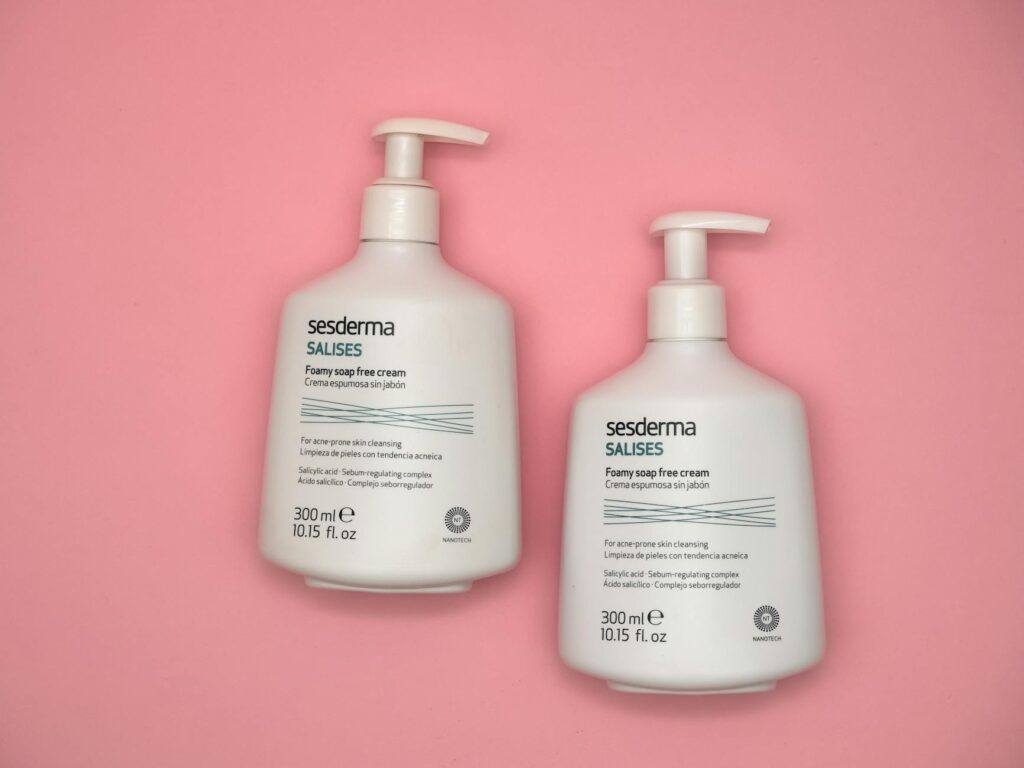
The best double cleansing method for acne-prone skin involves using a non-comedogenic oil cleanser containing jojoba oil, grapeseed oil, or squalane as your first step, followed by a water-based cleanser with acne-fighting ingredients like salicylic acid or benzoyl peroxide. This two-step process should be performed only once daily, preferably at night, using lukewarm water throughout. The key distinction for acne-prone skin is ingredient selection: while the American Academy of Dermatology advises people with acne to avoid oil-based cleansers and use oil-free products instead, newer research suggests that specific non-comedogenic oils can effectively dissolve sebum and sunscreen without clogging pores, provided you choose the right formulations. Consider someone who wears mineral sunscreen daily and uses a retinoid at night.
Without proper cleansing, sunscreen residue can create a barrier that reduces the retinoid’s effectiveness. A 2025 study published in the Journal of Cosmetic Dermatology found that participants who double-cleansed before using prescription topicals saw a 32% improvement in efficacy compared to single-cleansing peers. This finding underscores why the cleansing step matters so much for acne treatment outcomes. This article covers the science behind double cleansing for breakout-prone skin, which oil cleansers to use and avoid, how to select an effective second cleanser, expert cautions about overcleansing, proper technique including water temperature, and how to tell if double cleansing is working for your skin or causing more harm than good.
Table of Contents
- What Makes Double Cleansing Effective for Acne Prone Skin?
- Choosing the Right Oil Cleanser: Ingredients That Help Versus Harm
- Selecting Your Second Cleanser for Maximum Acne-Fighting Benefit
- The Proper Double Cleansing Technique: Timing, Temperature, and Frequency
- When Double Cleansing Causes More Harm Than Good
- Integrating Double Cleansing Into a Complete Acne Routine
- Conclusion
What Makes Double Cleansing Effective for Acne Prone Skin?
Double cleansing involves washing the face twice in one setting””first with an oil-based or balm cleanser, then with a water-based cleanser. This technique originated in Japan and Korea as part of the multi-step skincare routine that gained global popularity in the 2010s. The logic is straightforward: oil dissolves oil. Your first cleanser breaks down oil-based substances on your skin (sebum, sunscreen, makeup, environmental pollutants), while your second cleanser removes water-based debris and addresses specific skin concerns like acne. For acne-prone skin specifically, the method works because it prevents the layering problem. When sunscreen and sebum remain on the skin, subsequent treatment products cannot penetrate effectively.
Your benzoyl peroxide or prescription retinoid essentially sits on top of yesterday’s buildup rather than reaching the pores where acne forms. The 32% improvement in topical treatment efficacy documented in the 2025 Journal of Cosmetic Dermatology study demonstrates this principle in clinical terms. However, double cleansing is not universally beneficial. MDacne dermatologists note that for most people, double cleansing does more harm than good””people with normal and dry skin may find this technique over-dries their skin. The method works best for those who wear heavy sunscreen, makeup, or live in polluted urban environments. If you wake up with a bare face and minimal oil production, a single gentle cleanser may be sufficient and less irritating.

Choosing the Right Oil Cleanser: Ingredients That Help Versus Harm
The oil cleanser you select can make or break this routine for acne-prone skin. Non-comedogenic oils that effectively dissolve sebum without clogging pores include jojoba oil, grapeseed oil, sunflower oil, squalane, rice bran oil, and caprylic/capric triglyceride. The latter is derived from coconut oil but processed to remove the pore-clogging components, making it safe for acne-prone skin despite coconut oil’s problematic reputation. ingredients to avoid in your first cleanser include isopropyl myristate, myristyl myristate, laureth-4, sodium lauryl sulfate, heavy coconut oil, and mineral oils. These substances rank high on comedogenicity scales and can trigger breakouts even with thorough rinsing.
Reading ingredient labels matters here””many products marketed as “cleansing oils” contain these problematic compounds despite their claims of being suitable for all skin types. Clinical data supports specific product choices. HaruHaru Wonder Black Rice Cleanser demonstrated a 38.168% improvement on the Acne Severity Index after 2 weeks of use, with improvement reaching 61.320% after 4 weeks. These numbers represent significant acne reduction from the cleansing step alone. The limitation here is that individual results vary based on acne type, severity, and what other products you use. Someone with hormonal cystic acne will see different outcomes than someone with comedonal acne caused primarily by product buildup.
Selecting Your Second Cleanser for Maximum Acne-Fighting Benefit
Your water-based second cleanser should contain active ingredients that address acne directly. Look for foaming cleansers with salicylic acid, glycolic acid, benzoyl peroxide, or niacinamide. Salicylic acid is oil-soluble, meaning it can penetrate into pores to dissolve the debris causing blackheads and whiteheads. Glycolic acid provides surface exfoliation. Benzoyl peroxide kills acne-causing bacteria. Niacinamide reduces inflammation and helps regulate oil production.
Cetaphil oily skin Cleanser represents the dermatologist-recommended standard: pH balanced, non-comedogenic, and trusted by skin professionals for over 70 years. This type of gentle but effective cleanser works well as a second step because it removes remaining residue without stripping the skin barrier. The tradeoff between a medicated cleanser (with salicylic acid, for example) and a gentle cleanser (like Cetaphil) depends on what other treatments you use. If your routine already includes a prescription retinoid or leave-on acne treatment, a gentler second cleanser prevents over-treatment. If your skin feels tight, dry, or irritated after double cleansing, your second cleanser may be too harsh. The goal is clean skin that feels comfortable, not squeaky or stripped. Switching to a lower-percentage active or a gentler formulation often solves this problem while maintaining the benefits of the two-step cleanse.

The Proper Double Cleansing Technique: Timing, Temperature, and Frequency
Double cleansing should be done only once per day, preferably at night, when skin has accumulated dirt, makeup, sunscreen, and sebum. Morning cleansing typically requires only your water-based cleanser or even just water, since your skin hasn’t been exposed to the same level of environmental debris overnight. Over-cleansing””double cleansing both morning and night””strips the skin barrier and can actually increase oil production and breakouts. Water temperature matters more than many people realize. Lukewarm water is ideal””extremely hot or cold water can shock the skin and exacerbate dryness and sensitivity.
Hot water feels satisfying and seems like it would dissolve oil better, but it damages the skin barrier and triggers inflammation. Cold water doesn’t effectively emulsify cleansing products. Aim for a temperature that feels neutral on your wrist. The actual technique involves applying your oil cleanser to dry skin, massaging for 30-60 seconds to dissolve buildup, adding water to emulsify (the product should turn milky), rinsing thoroughly, then applying your water-based cleanser to damp skin, massaging briefly, and rinsing again. The entire process takes about two minutes. Rushing through it or skipping the emulsification step leaves oil residue that can contribute to breakouts.
When Double Cleansing Causes More Harm Than Good
The AAD’s 2024 Updated Guidelines include 18 evidence-based recommendations for acne treatment, emphasizing simpler regimens with fewer products and early intervention to prevent scarring. This guidance implicitly challenges the multi-step routines that include double cleansing. More steps mean more opportunities for irritation, more products that might break you out, and more chances to damage your skin barrier through over-manipulation. Signs that double cleansing is not working for you include increased dryness, flaking, redness, sensitivity, or paradoxically, more breakouts. Some people’s skin simply does not tolerate the repeated cleansing, regardless of how gentle the products are. If you notice these signs, try single cleansing with a micellar water or gentle gel cleanser for two weeks to see if your skin improves. Double cleansing is a tool, not a requirement. The American Academy of Dermatology’s advice to avoid oil-based cleansers entirely deserves consideration, especially if you have severe inflammatory acne or are using strong prescription treatments.
In these cases, your dermatologist’s specific guidance supersedes general skincare advice. Some acne presentations require minimal manipulation and the simplest possible routine. ## How to Know If Your Double Cleanse Is Working Track your skin’s response over a four-week period””the timeframe used in clinical studies like the HaruHaru Wonder trial that showed 61.320% improvement on the Acne Severity Index. Take photos in consistent lighting weekly. Note not just active breakouts but also skin texture, pore appearance, and how well your treatment products seem to absorb. Positive signs include fewer new breakouts, faster healing of existing blemishes, smoother texture, and treatment products that seem more effective (less pilling, better absorption, visible results). Your skin should feel clean but not tight after the process. If your prescription retinoid suddenly seems to work better, the improved cleansing may be allowing better penetration.
Integrating Double Cleansing Into a Complete Acne Routine
Double cleansing works best as part of a streamlined routine rather than an addition to an already complex regimen. Following AAD guidance for simpler regimens, a basic effective routine might be: double cleanse at night, apply one treatment product (retinoid or benzoyl peroxide), moisturize if needed, then in the morning use a single gentle cleanse, apply sunscreen. This approach provides the cleansing benefits without the irritation risks of a 10-step routine.
The future direction of acne treatment continues to favor targeted, evidence-based approaches over elaborate rituals. Double cleansing has earned its place when performed correctly with appropriate products, but it should serve your skin’s needs rather than a skincare trend. If your skin clears up and stays healthy, you have found your method. If problems persist, simplifying rather than adding steps often provides the answer.
Conclusion
The best double cleansing approach for acne-prone skin combines a non-comedogenic oil cleanser with a water-based cleanser containing acne-fighting ingredients, performed once nightly with lukewarm water. The 32% improvement in treatment efficacy found in 2025 research validates this method for people who wear sunscreen and makeup daily. Product selection matters enormously””avoiding comedogenic ingredients like isopropyl myristate while choosing proven oils like jojoba or squalane determines whether the routine helps or harms your skin. Moving forward, pay attention to how your skin responds rather than following any routine dogmatically.
The AAD’s emphasis on simpler regimens and early intervention reminds us that effective acne care does not require complexity. Start with the basic double cleansing protocol, track your results over four weeks, and adjust based on what you observe. If your skin improves, continue. If irritation develops, simplify. Your skin’s response is the only review that matters.