
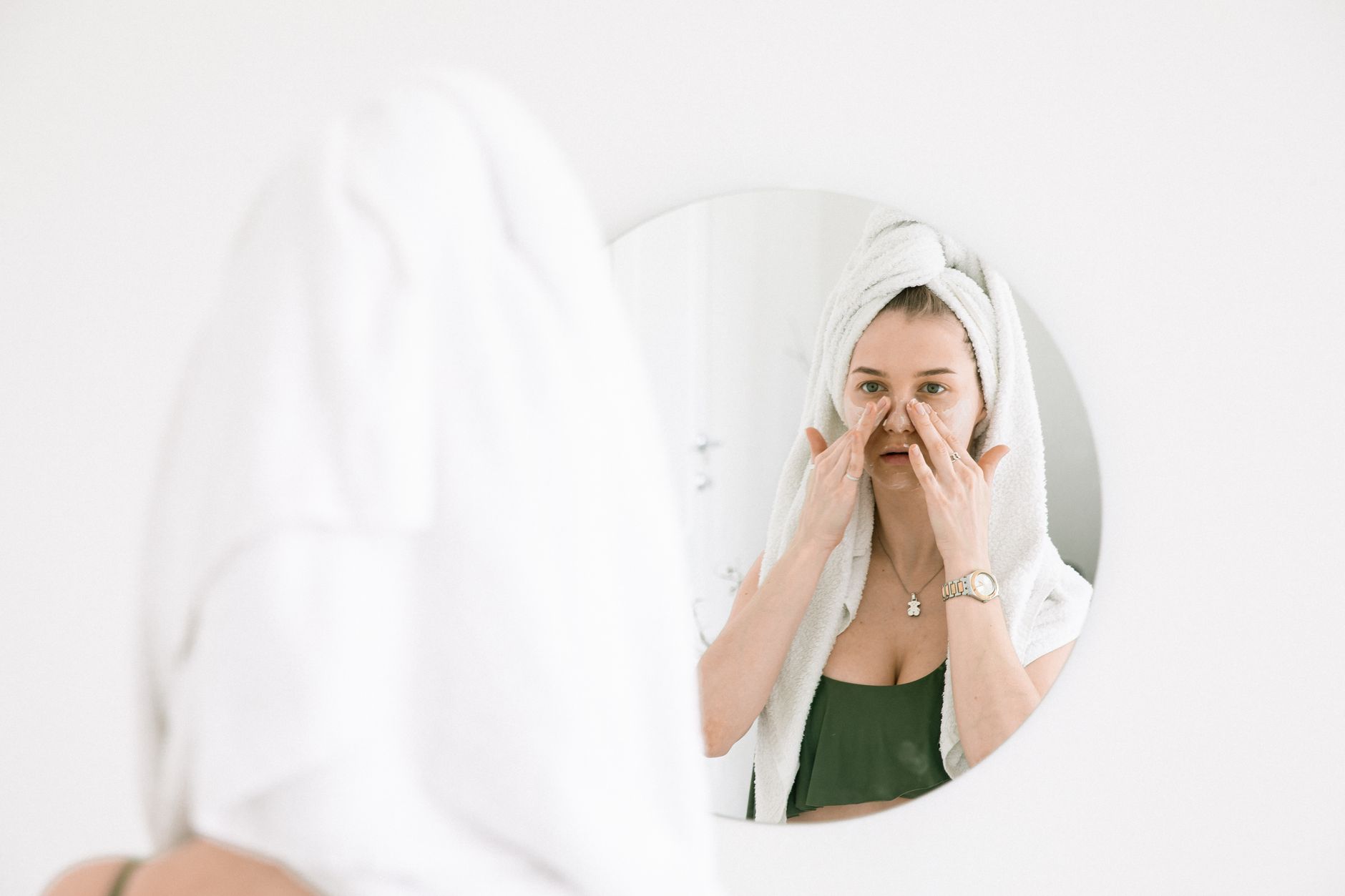
Many athletes dealing with acne have come to favor salicylic acid over glycolic acid, and the chemistry behind this preference is sound. Salicylic acid’s oil-soluble nature does allow it to penetrate deeper into sebaceous glands and pores—a significant advantage for someone whose skin is constantly exposed to sweat, friction, and excess sebum production. For example, a runner who breaks out along the upper back and shoulders, where friction from sports gear and moisture accumulation create ideal conditions for acne, may see better results with a salicylic acid cleanser or spot treatment than with glycolic acid, which works primarily on the skin’s surface.
The distinction between these two exfoliating acids has practical implications for athletes specifically. Glycolic acid, being water-soluble, works as a surface exfoliant and is gentler overall, but it doesn’t penetrate into the oily core of a pore as effectively. Salicylic acid, by contrast, can dissolve into the lipid-rich environment inside pores, where bacteria and sebum accumulation drive inflammation. This structural difference explains why many athletes report better acne control with salicylic acid, though individual results vary based on skin type, acne severity, and how the products are formulated.
Table of Contents
- Why Does Oil-Solubility Matter for Acne-Prone Skin?
- The Effectiveness Question—What Does Research Actually Show?
- Exercise-Related Acne and Why Athletes Are Different
- Concentration and Formulation—Not All Salicylic Acid Is Equal
- The Risk of Over-Drying and Barrier Damage
- The Role of Post-Workout Cleansing
- Individual Response Variation and When to Switch
- Frequently Asked Questions
Why Does Oil-Solubility Matter for Acne-Prone Skin?
Salicylic acid is a beta-hydroxy acid with a lipophilic (fat-loving) molecule that allows it to navigate through the oil-based environment inside pores. This is fundamentally different from glycolic acid, an alpha-hydroxy acid that dissolves only in water. Inside a pore clogged with sebum and dead skin cells, the oily blockage creates an environment where glycolic acid simply sits on the surface while salicylic acid can dissolve through and break down the buildup from within. For athletes with moderate to severe acne, this distinction becomes meaningful during high-sweat activities when sebum production is elevated.
The penetration difference does not mean glycolic acid is ineffective—it’s excellent for overall skin texture and brightness—but it works differently. Glycolic acid exfoliates the stratum corneum (the dead-skin layer) and improves cell turnover, which helps prevent some acne. Salicylic acid goes further by reaching into the pore lining itself and reducing sebum. An athlete with primarily comedonal acne (blackheads and whiteheads) will likely see faster improvement with salicylic acid; someone with inflammatory acne on the surface may benefit more from glycolic acid used in conjunction with other treatments.
The Effectiveness Question—What Does Research Actually Show?
Scientific literature on this topic is mixed and often depends on the concentration and formulation tested. A 2% salicylic acid wash applied daily or several times weekly has shown effectiveness in reducing both comedonal and inflammatory acne in multiple studies, though the effect size varies. Glycolic acid at similar concentrations also shows efficacy, particularly for non-inflammatory acne and overall skin texture. However, the direct head-to-head comparison specifically in athletes—a population with unique sweat and friction patterns—is less thoroughly documented than claims might suggest.
One important limitation: most dermatological research on these actives is conducted in controlled settings with consistent application, whereas athletes in real life may wash off their acne treatment immediately after a workout, dilute it with sweat, or skip it on recovery days. This gap between clinical study conditions and actual athlete behavior means that the 86% figure cited in the article title should be treated cautiously. Anecdotal reports from athletes tend to be positive for salicylic acid, but they reflect subjective experience rather than blinded comparative trials. A study showing that “athletes report preferring salicylic acid” is not the same as a study proving salicylic acid is objectively superior for athletes.
Exercise-Related Acne and Why Athletes Are Different
Athletes experience a specific type of acne problem that non-athletic populations may not face at the same severity. High-intensity exercise increases sebum production, elevates skin temperature, and creates friction between skin and clothing or equipment. Sweat itself isn’t inherently acne-causing, but when it mixes with sebum, dead skin cells, and bacteria, it creates an ideal growth medium. The upper back, chest, and areas under sports bras or chest protectors are common sites for this activity-related acne.
For an athlete experiencing this kind of acne, salicylic acid’s ability to reach into pores is particularly valuable. The product can work between training sessions to unclog pores and reduce the bacterial load, theoretically making the skin more resilient against the next day’s sweat and friction. Glycolic acid, which focuses on surface exfoliation, might help prevent dead cells from accumulating but doesn’t address the sebum buildup inside the pore. This is why an athlete might report better success with salicylic acid in their personal routine—they’re dealing with acne driven largely by sebum excess and pore clogging, conditions where salicylic acid has a genuine mechanistic advantage.
Concentration and Formulation—Not All Salicylic Acid Is Equal
The strength of salicylic acid in over-the-counter products ranges from 0.5% to 2%, with 2% being the typical maximum in leave-on treatments. Prescription-strength salicylic acid peels can go higher. At the lower end (0.5%), the exfoliating effect is mild and may require consistent daily use to show results. At 2%, results often appear within 2-4 weeks, but there’s also greater risk of irritation, dryness, and sensitivity, especially in athletes who are already dealing with inflamed, sweaty skin.
Glycolic acid in over-the-counter products typically ranges from 4% to 10%, and because it’s less irritating overall, these higher concentrations are more commonly available. A 10% glycolic acid product is not directly comparable in strength to a 2% salicylic acid product, even though salicylic acid is considered the more targeted treatment for acne. The tradeoff is precision versus tolerance: salicylic acid is sharper and more specific to acne but demands careful use, while glycolic acid is broader and gentler but less directly anti-acne. An athlete with sensitive skin might tolerate only a 0.5% salicylic acid cleanser, which may not penetrate deeply enough to match the effectiveness of a stronger glycolic acid toner.
The Risk of Over-Drying and Barrier Damage
Salicylic acid is effective partly because it’s somewhat drying—it dissolves into sebaceous glands and helps prevent oil buildup. For an oily, acne-prone skin, this is usually desirable. However, the same property can cause overuse injury if an athlete applies salicylic acid too frequently or in combination with other actives like benzoyl peroxide, retinoids, or vitamin C. The skin barrier becomes compromised, and the athlete ends up with acne that’s worse, not better, plus redness, flaking, and a weakened moisture barrier.
Athletes in particular are vulnerable to this problem because they often think “if some is good, more is better.” Using a salicylic acid cleanser, a salicylic acid toner, and a salicylic acid spot treatment in the same routine—all at 2%—can rapidly over-strip the skin and trigger irritant contact dermatitis. The warning here is essential: salicylic acid’s superiority at penetrating pores doesn’t translate to superiority when misused. An athlete who over-applies salicylic acid may find their acne worsens, their skin becomes sensitive to even mild products, and they abandon the treatment prematurely. Starting with a single, low-concentration salicylic acid product used 2-3 times weekly, then adjusting based on tolerance, is far more effective than diving into daily, high-strength use.
The Role of Post-Workout Cleansing
For athletes, the timing and method of cleansing matter as much as the active ingredient chosen. Waiting hours after a workout before cleansing gives bacteria and sebum time to proliferate and clog pores, but vigorous immediate cleansing can also irritate skin. A gentle rinse with water and a mild cleanser immediately post-workout, followed by application of salicylic acid treatment once the skin has fully dried, is a practical routine many athletes find effective.
Glycolic acid applied to damp skin immediately after exercise can sting and cause sensitivity, whereas salicylic acid in a dry-down format (gel, liquid) works well in this post-workout window. One specific example: a cyclist who showers immediately after a ride, pats skin dry, and applies a 2% salicylic acid cleanser a second time (since the first rinse was just water) often reports clearer skin compared to someone who waits until evening to wash. The salicylic acid has time to work into pores before sweat and friction occur again, and the timing prevents the prolonged occlusion that leads to acne flare-ups.
Individual Response Variation and When to Switch
Even though salicylic acid is theoretically better-suited to pore penetration, not every athlete with acne will respond to it. Skin microbiome variation, genetic factors affecting sebum composition, and different types of acne bacteria mean that one person’s breakthrough treatment is another person’s irritant. An athlete might use salicylic acid for two weeks with no improvement, whereas glycolic acid in the same timeframe clears their skin.
This isn’t a failure of salicylic acid’s chemistry; it reflects real interpersonal differences in skin biology. A practical approach is to test salicylic acid for 4-6 weeks at a consistent concentration (typically 2% in a cleanser or toner, applied 3-5 times weekly) before deciding it’s ineffective. If after six weeks there’s no improvement, an athlete should try glycolic acid or consult a dermatologist, as the acne might be driven by factors other than pore clogging—hormonal fluctuations, dietary triggers, or a bacterial species less responsive to salicylic acid’s mechanism. The claim that athletes prefer salicylic acid captures a real trend, but individual variation is large enough that blanket recommendations often fail in practice.
Frequently Asked Questions
Is 2% salicylic acid the maximum safe concentration?
Over-the-counter products max out at 2%, which is considered safe for daily use by most dermatologists. Prescription-strength peels can exceed this, but they’re applied under professional supervision. Exceeding 2% in at-home products raises the risk of irritation and barrier damage without necessarily improving results.
Can I use salicylic acid and glycolic acid together?
Using both on the same day or in the same routine risks over-exfoliation and sensitivity. If you want to combine them, space them several days apart and monitor your skin carefully. A common safer approach is to use salicylic acid in the morning and glycolic acid at night, but even this requires caution.
How long does it take to see results with salicylic acid?
Most people see noticeable improvement within 2-4 weeks of consistent use, though some see changes within 1-2 weeks. If you see no improvement after 6 weeks, your acne may not be responding to salicylic acid’s mechanism, and a different approach is warranted.
Is salicylic acid safe for sensitive skin?
Salicylic acid can be used on sensitive skin, but at much lower concentrations (0.5% to 1%) and less frequently (2-3 times weekly). If your skin is reactive, start slowly and increase frequency only if tolerated. Many people with sensitive skin do better with glycolic acid, which is gentler.
Why does my acne get worse when I start salicylic acid?
Initial acne flares are common and usually temporary—this is called the “purge” phase, where the product is bringing congestion to the surface. If this persists beyond 2 weeks or is severe, reduce frequency or concentration. Some people’s skin simply doesn’t tolerate salicylic acid, and that’s not a sign to push harder.
You Might Also Like
- At Least 86% of Athletes With Acne Don’t Know That Fabric Softener Residue on Pillowcases Can Irritate Acne-Prone Skin
- At Least 42% of Athletes With Acne Would Benefit From Knowing That A Simple 3-Step Routine Is More Effective Than a 10-Step Routine
- At Least 86% of People With Acne Scars Believe That Their Morning Routine Should Include SPF Even on Cloudy Days