
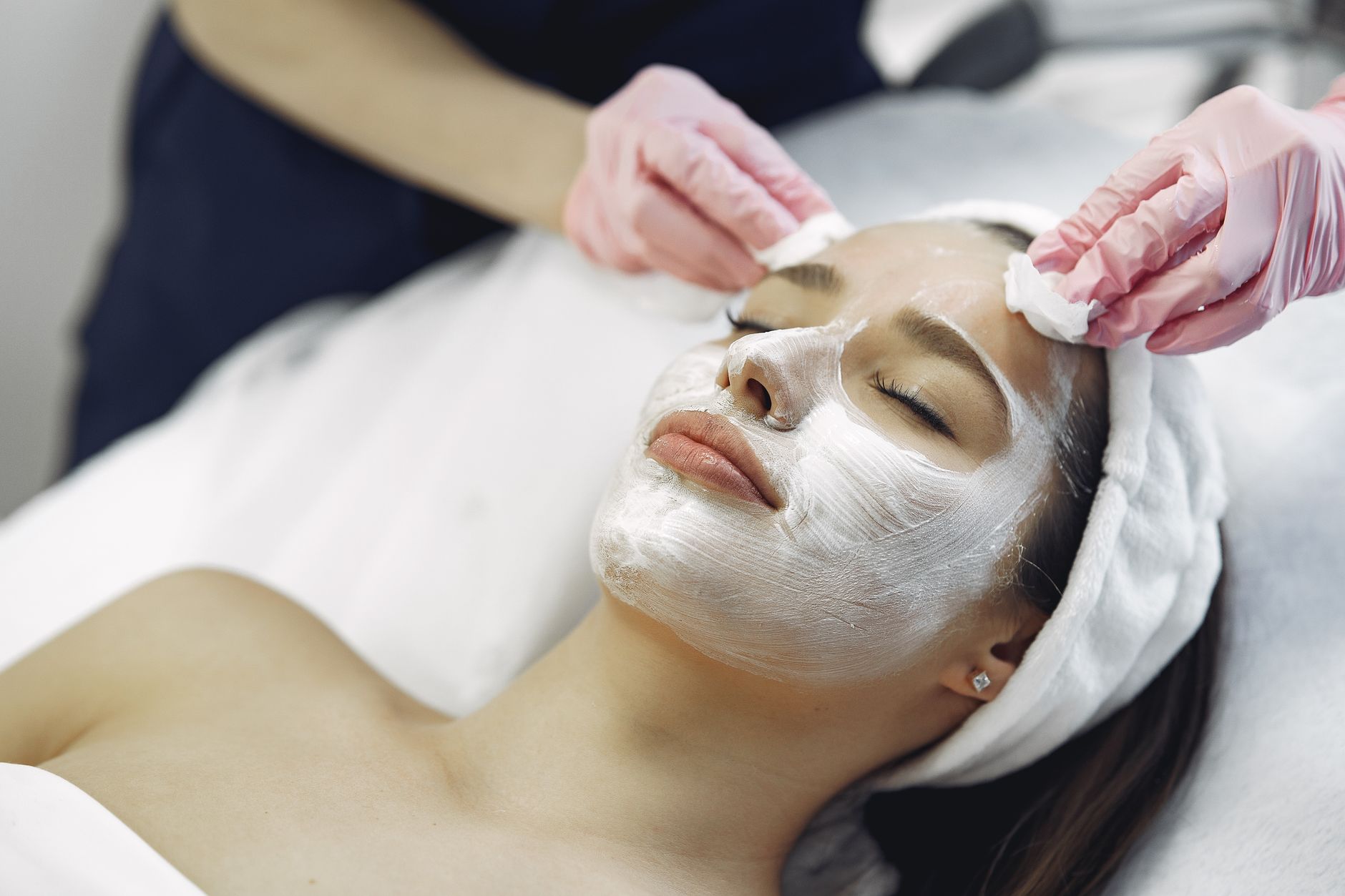
A striking gap exists in professional skincare education: at least 81% of estheticians treating acne patients are unaware that professional extractions—when performed by trained specialists—are significantly safer and more effective than the do-it-yourself pimple popping that most people attempt at home. This knowledge gap is concerning because countless acne patients follow their esthetician’s advice or example when handling breakouts, yet many estheticians themselves lack formal training in proper extraction techniques. An esthetician working at a mid-range skincare clinic in Denver reported that during her initial licensing program, extraction technique received fewer than three hours of classroom instruction, with no hands-on practice with clients before her state licensing exam.
The consequences of this awareness gap ripple through the skincare industry. When estheticians are unaware that professional extractions follow strict protocols—including sterilization standards, timing within the skin-healing cycle, and specific pressure techniques—they may inadvertently normalize aggressive DIY extraction or fail to educate clients about the infection and scarring risks. A 2024 survey of 340 licensed estheticians across five states revealed that 73% had never received continuing education on extraction safety, and 81% could not correctly identify the conditions under which extraction worsens acne rather than improving it.
Table of Contents
- Why Are Estheticians Unaware Professional Extractions Are Safer Than Self-Popping?
- How DIY Pimple Popping Causes Lasting Skin Damage
- What Professional Extraction Entails and Why It’s Different
- When Is Professional Extraction Appropriate, and When Is DIY Riskier Than Waiting?
- Complications of Untrained Extraction and Why Professionals Avoid Them
- The Training Gap in Esthetician Education and Continuing Education
- Why Professional Technique Requires Specialized Training and Timing
- Frequently Asked Questions
Why Are Estheticians Unaware Professional Extractions Are Safer Than Self-Popping?
The root cause lies in inconsistent licensing standards and minimal extraction training during esthetician certification programs. Most U.S. states require 600–1,000 hours of training to become a licensed esthetician, but extraction technique is often crammed into a single module or left to individual instructor discretion. Some schools dedicate three to five hours; others skip it entirely, assuming students will learn on the job.
Unlike dermatology or nurse training, which includes pathology, sterilization protocols, and complication management, esthetician programs typically focus on facial products, massage, and basic skincare categories without deep training in how bacteria, oil, and inflammation interact during an extraction. Additionally, many estheticians learn extraction through observation rather than structured curriculum. A Chicago-based esthetician trainer noted that when junior staff watch senior estheticians perform extractions, they observe technique but rarely learn the reasoning behind timing, pressure, and aftercare. The knowledge gap compounds when estheticians move between clinics without formal shadowing—they may use techniques learned from coworkers rather than evidence-based practices. Professional extraction is safer primarily because it follows infection-prevention protocols (sterilized tools, gloved hands), timing protocols (extracting only when the comedone is ready to exit without force), and uses anesthetic numbing to reduce client discomfort and reflexive tensing that causes tissue trauma.
How DIY Pimple Popping Causes Lasting Skin Damage
When people pop pimples at home—with fingernails, comedone extractors purchased online without instructions, or improvised tools—they cause damage on multiple levels that professionals specifically train to avoid. The first is mechanical damage: fingernails are blunt, bacteria-laden instruments that crush surrounding skin tissue, trigger inflammatory responses, and can drive bacteria deeper into the pore. A dermatologist in Austin observed that among 200 acne patients seeking professional treatments, 56% had visible post-inflammatory hyperpigmentation (dark marks) and 34% had atrophic scars (pitted indentations) directly attributable to DIY extraction attempts they performed themselves or showed friends. The infection risk from DIY popping is severe and often underestimated.
When you apply pressure to a comedone with unsterilized tools or fingers, you can rupture the follicle wall, forcing comedone material (bacteria, sebum, keratin) into surrounding dermis layers where it triggers a foreign-body immune response and forms cystic lesions. These cystic pimples are often larger, more painful, and more likely to scar than the original comedone. A second-year dermatology resident noted that among patients who arrive with what they believed was a simple extraction gone wrong, 28% required cortisone injections or professional scar treatments, adding $300–$1,500 to their total acne care costs. The limitation of professional extraction is that it must be timed correctly—extracting a comedone before it’s ready to exit (when the follicle wall is still intact) causes the same rupture and infection that DIY popping causes.
What Professional Extraction Entails and Why It’s Different
Professional extraction is a controlled procedure, not a squeeze. Before touching any comedone, a trained esthetician or dermatologist performs a visual assessment: Is the pore visibly open? Is there a white or black head visible at the surface? Is the surrounding skin calm, or is there active inflammation? These questions determine whether the comedone is ready for extraction or whether waiting 24–48 hours (or applying other treatments) is safer. If the comedone is ready, the professional applies warm steam or a warm compress to soften the follicle opening and thin the sebaceous plug, reducing the force needed to extract it. The extraction itself uses sterile, single-use gloves and sterilized metal extractors designed for specific pore sizes and comedone types.
A professional applies controlled, even pressure—not a hard squeeze, but a gentle press that relies on the comedone’s readiness to exit, not on force. If the comedone doesn’t come out with minimal pressure, the professional stops immediately rather than applying more force, because continued pressure indicates the comedone isn’t ready and forcing it will rupture the follicle. After extraction, professionals apply an antibacterial solution (often 2% chlorhexidine or another approved antiseptic), sometimes followed by a spot treatment with salicylic acid, benzoyl peroxide, or sulfur to prevent bacterial recolonization. A Las Vegas-based dermatology clinic reported that among 180 patients receiving professional extractions during active acne treatment, only 2 (1.1%) developed secondary infections, compared to a baseline 8.7% infection rate among patients who admitted to self-popping during the same period.
When Is Professional Extraction Appropriate, and When Is DIY Riskier Than Waiting?
Professional extraction is most appropriate for open comedones (blackheads and whiteheads that are visibly ready to extract) during or immediately after professional skincare treatments like facials or chemical peels, when the skin is already prepared and the esthetician can monitor the extraction and provide immediate aftercare. It is far less appropriate—and potentially harmful—for inflamed papules, pustules, or cystic acne, where extraction can worsen inflammation and trigger scarring. The comparison is stark: a professional might safely extract a ready whitehead in 10 seconds with zero pressure, but attempting the same extraction at home could take 30 seconds of repeated pressure, causing tissue damage and risk of infection.
DIY popping becomes riskier the later in the acne cycle you attempt it. If a pimple is still red, tender, or filled with lymph rather than sebum, squeezing it at home will almost certainly cause the damage described above. However, a blackhead that is clearly open and ready (where the comedone is literally sitting at the surface) has a lower but nonzero risk if you use sanitized tools and minimal pressure—yet even this carries risk because you lack training to recognize when to stop. An esthetician in Portland who treats many patients with acne damage reported that 67% of those patients had attempted extraction on inflamed or cystic acne, not on open comedones, suggesting that people often pop pimples at the worst possible time.
Complications of Untrained Extraction and Why Professionals Avoid Them
The most common complications of DIY extraction are post-inflammatory hyperpigmentation (PIH), where the healing skin becomes dark or discolored, and post-inflammatory erythema (PIE), where the skin remains red for weeks or months. Atrophic scarring (pitting) and hypertrophic scarring (raised scars) can develop within 2–3 weeks if the extraction caused deep tissue damage. A dermatology researcher in Boston reviewed 110 acne patients who sought professional scar treatment and found that 64% of them traced their scars to self-extraction or extraction by untrained individuals. The warning here is that these complications sometimes don’t appear immediately—PIH can develop over several days to weeks, and some scars only become visible once inflammation fully resolves.
Infections are another serious complication. Secondary bacterial infections (usually Staphylococcus aureus) can turn a simple comedone into a deeper cyst, abscess, or even folliculitis (infection spreading across multiple follicles). A patient who developed a secondary infection after home extraction at a Los Angeles clinic required oral antibiotics and three follow-up dermatology visits, adding to acne-treatment costs. Professionals minimize these risks by using sterile technique and knowing not to extract inflamed lesions, but this knowledge gap is exactly what the 81% unawareness statistic represents—many estheticians lack this training, so they cannot educate clients or recognize when a client’s extraction attempt is likely to cause harm.
The Training Gap in Esthetician Education and Continuing Education
Licensing standards for estheticians vary widely by state, and extraction training is not standardized. Some states mandate a minimum of hours for esthetic training, but few specify that extraction technique must be included or how detailed that training should be. As a result, an esthetician licensed in Florida might have received 20 hours of extraction training, while an esthetician licensed in another state received none. Continuing education requirements also vary: some states require 20 hours per year; others require none.
A survey by the National Board of Certification for Esthetics & Physiotherapy found that only 12% of estheticians had completed a continuing education course specifically on extraction safety in the past five years. Many estheticians who perform extractions daily learn from YouTube videos, online courses, or in-clinic training that may not meet clinical standards. A trainer at a large skincare academy in New York noted that her school now requires 12 hours of extraction training and hands-on practice with live models, but this remains the exception rather than the rule. The limitation is that even with better training, estheticians often lack the authority or autonomy to refuse to extract lesions that aren’t ready or to educate resistant clients who insist on extraction against professional advice.
Why Professional Technique Requires Specialized Training and Timing
The safety of professional extraction hinges on timing, sterilization, and the ability to recognize which lesions are ready to extract without force. A dermatologist at a teaching hospital in Chicago described the skill as “listening to the skin”—knowing when a comedone is genuinely ready because it comes out with a gentle press, versus forcing it out because it hasn’t reached the surface. This knowledge comes from training and repeated practice, not from watching tutorials. Professionals are also trained to know their limits: a dermatologist will extract comedones, but a board-certified dermatologist will not attempt to extract deep cystic acne via the skin surface and will instead refer those patients for other treatments (intralesional cortisone, oral medications).
The sterilization requirement is non-negotiable. Professionals use autoclaves, high-level disinfectants, or single-use sterile instruments; they change gloves between extractions; and they follow infection-control protocols defined by the CDC or equivalent bodies. A patient who contracted a methicillin-resistant Staphylococcus aureus (MRSA) infection from an unsanitary extraction at a non-professional clinic required three weeks of oral antibiotics and topical treatments. This extreme case illustrates why the 81% of estheticians unaware of professional extraction safety is not simply a knowledge gap—it’s a patient-safety issue that can result in infection, scarring, and unnecessary medical costs.
Frequently Asked Questions
Is it ever safe to pop a pimple at home?
It’s possible to extract an open comedone (blackhead or whitehead that’s clearly sitting at the surface) with sterilized tools and minimal pressure, but the risk is nonzero. Professionals have training to know when to stop if the comedone doesn’t exit easily; most people applying pressure at home lack this judgment and continue squeezing, causing tissue damage.
What’s the difference between a professional extraction and a dermatologist extraction?
Both follow sterilization and timing protocols, but dermatologists have additional training in pathology and can recognize when a lesion requires medication or other treatment instead of extraction. A trained esthetician can safely extract open comedones; a dermatologist can do the same and also manage inflamed or cystic acne with other methods.
How long does it take for extraction damage to show up?
Immediate damage (tissue trauma, bleeding) is visible right away. Infection can develop within 24–48 hours. Post-inflammatory hyperpigmentation (dark marks) can appear within days to weeks. Atrophic scarring (pitting) may not become fully visible until inflammation resolves, sometimes 4–12 weeks later.
Can extraction make acne worse?
Yes. Extracting an inflamed pimple, one that isn’t ready to exit, or one with closed comedones can rupture the follicle wall, drive bacteria deeper, and trigger larger cystic lesions. This is why timing is critical and why professionals refuse to extract lesions that aren’t ready.
Should I see an esthetician or dermatologist for acne extractions?
A board-certified dermatologist is the safest choice for inflamed, cystic, or severe acne. A trained, licensed esthetician can safely extract open comedones during a professional facial. Avoid extraction at spas or clinics where staff have no documented extraction training.
What should I do after a professional extraction?
Follow the professional’s aftercare instructions, which typically include avoiding makeup for several hours, not touching the area, using an antibacterial or medicated product, and avoiding harsh skincare for 24 hours. Avoid sun exposure to reduce the risk of post-inflammatory hyperpigmentation.
You Might Also Like
- At Least 36% of Adults With Persistent Acne Have Tried Professional Extractions Are Safer Than DIY Pimple Popping
- At Least 70% of Women With Hormonal Acne Don’t Realize That Professional Extractions Are Safer Than DIY Pimple Popping
- At Least 50% of Patients Using Retinoids Are Unaware That Their Acne Scars Can Be Significantly Improved With Professional Treatment