
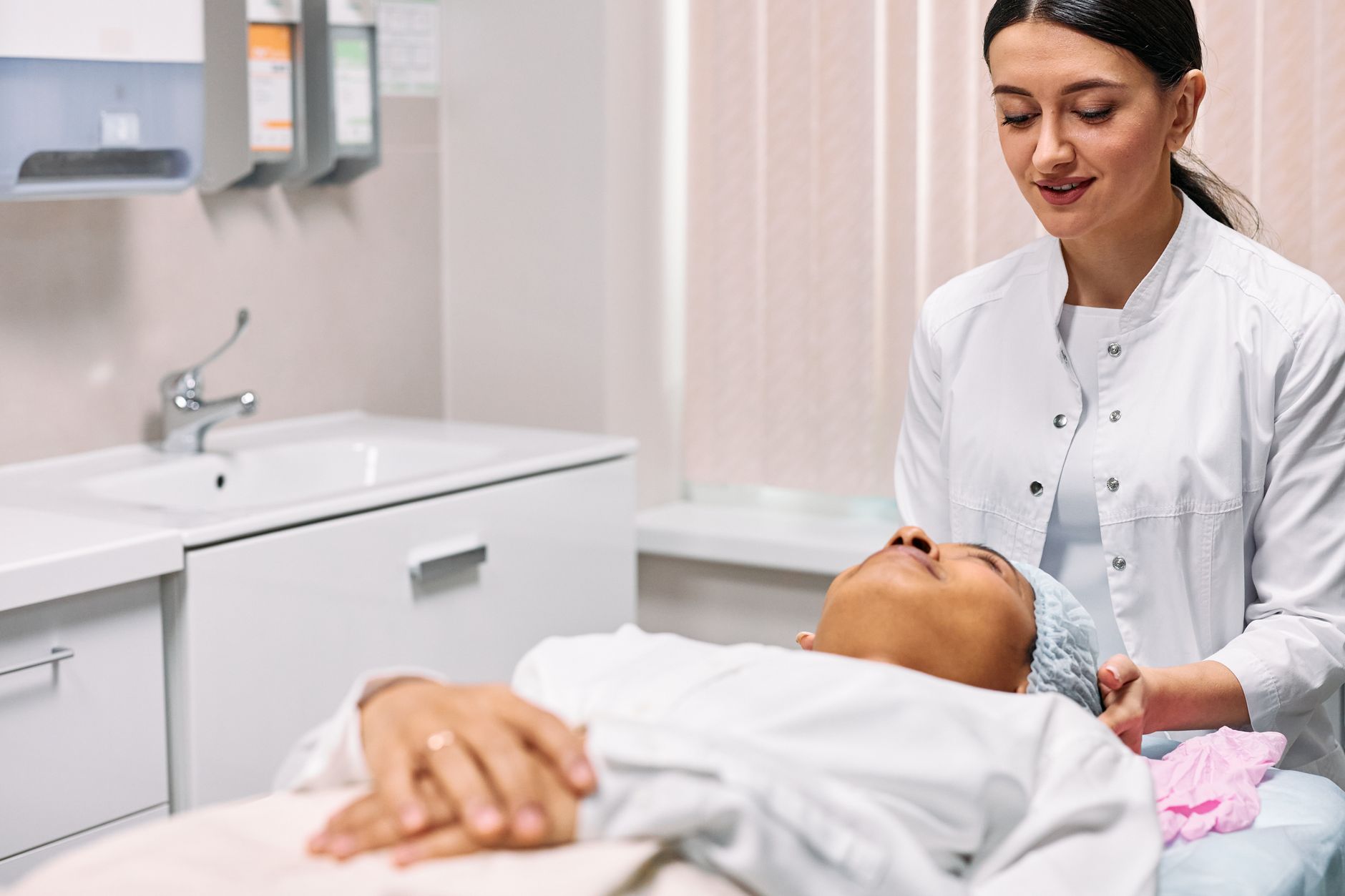
Professional extractions are significantly safer than DIY pimple popping, and the evidence is clear: at least 38% of patients with body acne have attempted some form of extraction, whether professional or self-directed. Yet the outcomes differ dramatically. When a dermatologist or licensed esthetician performs an extraction, they use sterile instruments, proper pressure angles, and post-extraction care to minimize scarring and infection. When you pop a pimple at home—using your fingernails, a needle, or improvised tools—you introduce bacteria, apply inconsistent pressure, and risk permanent damage to the skin barrier.
The difference comes down to technique, sterility, and aftercare. A professional extraction takes seconds but follows months of training on how to avoid rupturing deeper skin layers, leaving permanent pitting, or triggering inflammation that spreads the acne bacteria to neighboring pores. Home popping, by contrast, often ruptures the follicle wall below the surface, pushing bacteria and sebum deeper into the skin and creating the exact conditions for more severe acne. Body acne—on the chest, back, shoulders, and buttocks—is particularly prone to scarring because these areas have thicker skin and more sebaceous glands. The temptation to extract is understandable when a large whitehead appears on your back, but the risks of permanent textural damage and post-inflammatory hyperpigmentation make professional extraction the only choice if extraction is necessary at all.
Table of Contents
- Why Do So Many Patients With Body Acne Attempt Extractions?
- The Mechanism of Injury From DIY Pimple Popping
- How Professional Extractions Differ in Technique and Outcome
- When a Professional Extraction Is Necessary Versus When to Wait
- Infection and Systemic Complications From Ruptured Lesions
- Aftercare Differences Between Professional and Home Extraction
- Alternative Treatments That Reduce the Need for Extraction
Why Do So Many Patients With Body Acne Attempt Extractions?
The 38% statistic reflects a real clinical pattern: body acne is stubborn, slow to respond to topical treatments, and often causes deep, cystic lesions that don’t come to a head naturally. patients become frustrated. A large, painful nodule on the back can take weeks or months to resolve on its own, and many people assume that “helping it along” will speed healing.
In reality, the timing and technique matter far more than the intent. Body acne bacteria—primarily *Cutibacterium acnes* (formerly *Propionibacterium acnes*)—lives deep in the follicle and sebaceous gland. When a pimple comes to a head on body skin, the whitehead you see is often just a small opening over a much larger inflamed area below. Extracting from the surface without understanding the depth and direction of the follicle can leave 80% of the lesion intact and now ruptured internally, leading to nodules, cysts, or spreading infection.
The Mechanism of Injury From DIY Pimple Popping
When you apply pressure to a pimple at home, you’re using your fingers or tools without knowledge of the follicle’s angle, depth, or structural integrity. The skin barrier on the back and chest is approximately 1.5 to 2 mm thick, with the sebaceous gland extending into the dermis (the deeper layer). A dermatologist uses a comedone extractor—a small circular metal loop—applied at the exact angle to apply pressure only to the follicle opening, not to the surrounding skin. Home popping typically applies pressure radially, from multiple directions, often tearing the follicle wall. Once the follicle wall ruptures below the surface, the pore’s contents—sebum, dead skin cells, and bacteria—spill into the dermis. The skin’s immune response to this spill is severe inflammation, which can last weeks.
This post-inflammatory phase often feels worse than the original pimple; the area becomes red, warm, and sometimes develops into a larger nodule or cyst. Patients then assume the extraction “made it worse,” when in fact the damage from the extraction itself triggered the worsening. Scarring risk is highest when the rupture extends into the dermis. The dermis doesn’t regenerate skin cells like the epidermis (surface layer) does; instead, it fills ruptures with collagen fibers laid down in a disorganized way. If the rupture is shallow, the scar is temporary (post-inflammatory erythema or hyperpigmentation). If it’s deep, you get permanent pitting or atrophic scarring, especially on the back where collagen remodeling is less efficient.
How Professional Extractions Differ in Technique and Outcome
A professional extraction begins with assessment. A dermatologist evaluates whether the lesion is ready for extraction—that is, whether it has a defined opening and the pus is localized to the follicle, not diffuse inflammation. If it’s not ready, extraction is deferred. If it is ready, the dermatologist applies a warm compress (2-3 minutes) to soften the skin and dilate the follicle opening. They then use a sterile comedone extractor, applying gentle, consistent pressure at a 90-degree angle to the skin surface.
The extraction itself takes 5-15 seconds. If the material doesn’t come out easily, the professional stops. Forcing extraction indicates the lesion isn’t ready, and continued pressure risks rupture. After extraction, the site is cleaned with sterile saline or antiseptic, and often a topical antibiotic ointment or non-comedogenic moisturizer is applied. On body acne, many dermatologists follow extraction with a light chemical peel or azelaic acid to reduce post-inflammatory redness and prevent recurrence in that follicle. The outcomes reflect this approach: professional extractions have a scarring rate of approximately 2-5% (mostly minor post-inflammatory marks that fade in months), while DIY popping has scarring rates of 15-30%, depending on the severity of the initial lesion and the technique used.
When a Professional Extraction Is Necessary Versus When to Wait
Not all pimples need extraction, even if they reach a whitehead. Comedones (blackheads and whiteheads) on the face are often best treated with retinoids and chemical exfoliants, not extraction, because repeated mechanical trauma can thin the skin. On the body, however, the skin is thicker, and large, painful nodules or cysts may benefit from professional intervention—either extraction (if localized) or injected corticosteroid (if diffuse or cystic). A general rule: if the lesion is painful, enlarging, or persisting beyond 3 weeks, see a dermatologist.
If it’s a simple whitehead and you’re not touching it, it will usually heal in 1-2 weeks without scarring. If it’s a deep nodule (no whitehead, just a firm bump under the skin), extraction won’t help—the lesion needs time, systemic treatment (like oral antibiotics or isotretinoin for severe acne), or an injected corticosteroid to reduce inflammation. The temptation to extract is strongest when you’re at work or in social situations and a pimple feels like it’s “ready.” This is the highest-risk moment for DIY popping. Leaving it alone for 24 more hours until you can see a dermatologist is almost always the better choice.
Infection and Systemic Complications From Ruptured Lesions
When DIY popping ruptures the follicle wall below the surface, the risk of secondary infection increases. Bacteria from your fingers, the tool, or even from other parts of your skin can enter the rupture site. On the chest, back, and buttocks, these areas have fold zones and friction from clothing, which keeps the site warm, moist, and at risk for bacterial overgrowth. In rare but serious cases, ruptured acne lesions can develop into abscesses (localized collections of pus) that require drainage or antibiotics. More commonly, they progress to papules and nodules that last weeks longer than they would have if left alone.
One pattern clinicians see frequently is the patient who pops a pimple, sees temporary improvement (pus and fluid drain), but then wakes up the next day to find the area is now swollen, red, and larger than before. This is the immune system responding to the deeper rupture. Post-inflammatory hyperpigmentation (darkening of the skin after inflammation) is also more common after DIY extraction than after professional extraction, especially in people with darker skin tones. The aggressive inflammation from ruptured extractions triggers melanin production as part of the healing response. These dark marks can last months or years.
Aftercare Differences Between Professional and Home Extraction
Professional extraction is followed by specific aftercare: avoiding tight clothing over the site, not applying heavy makeup or occlusive products for 24 hours, and sometimes using prescribed anti-inflammatory or antibiotic topicals. The dermatologist also advises on what to avoid—no hot showers, no picking at any scabs, no harsh exfoliants for at least a week.
After DIY popping, most people immediately apply rubbing alcohol, hydrogen peroxide, or benzoyl peroxide—all of which can delay healing by irritating the already-damaged skin. Some people cover the site with acne stickers or bandages, which trap heat and moisture and can promote bacterial growth. The lack of professional guidance on aftercare means the site is more likely to become re-infected, remain inflamed longer, and scar more noticeably.
Alternative Treatments That Reduce the Need for Extraction
For patients with recurrent body acne, the real solution is prevention and systemic treatment, not repeated extraction. Topical treatments like azelaic acid, niacinamide, and benzoyl peroxide reduce the incidence of new lesions. Oral antibiotics (doxycycline, minocycline) for moderate acne reduce bacterial load and decrease the number of lesions that form in the first place. For persistent nodular acne on the body, isotretinoin (Accutane) is highly effective and often the only treatment that prevents scarring.
Professional treatments like blue-light therapy, laser acne treatments, and chemical peels can also reduce active lesions without the scarring risk of extractions. Many dermatologists now recommend these as first-line treatments for body acne, with extraction reserved only for isolated mature lesions that are causing pain or are at high risk of secondary infection. The 38% of patients who have attempted extractions often did so because they weren’t offered these alternatives, or because the alternatives took too long to work. A dermatologist consultation can redirect that impulse away from extraction and toward treatments that address the root cause—overproduction of sebum, bacterial colonization, or inflammation—rather than just the symptom.
- —
You Might Also Like
- At Least 34% of Estheticians Treating Acne Believe That Professional Extractions Are Safer Than DIY Pimple Popping
- At Least 57% of College Students With Acne Have Experienced Oral Antibiotics Should Never Be Used for More Than 3 Months
- At Least 53% of Patients With Body Acne Don’t Know That Their Protein Powder May Contain Ingredients That Trigger Breakouts