
If you recently stopped taking a blood pressure medication and noticed breakouts returning or appearing for the first time, the most likely culprit is spironolactone. This potassium-sparing diuretic doubles as a powerful anti-androgen, and roughly 60 to 80 percent of women with hormonal acne see significant improvement while taking it. The catch is that those benefits depend entirely on continued use. When you stop, androgens surge back, and acne can rebound within two to four weeks.
Other blood pressure drugs tell a different story — vasodilators like hydralazine and minoxidil can actually cause acne as a side effect, so stopping them may clear your skin rather than wreck it. The confusion around this topic exists because blood pressure medications are not a single category when it comes to skin effects. A 2024 study published in dermatology literature found that adults taking ACE inhibitors, ARBs, beta-blockers, and calcium channel blockers had a significantly lower five-year acne risk compared to those on thiazide diuretics, suggesting most blood pressure medications may actually protect against breakouts. So the direction of the problem — whether stopping helps or hurts your skin — depends almost entirely on which drug you were taking. This article breaks down why spironolactone discontinuation is the primary driver of post-medication acne, what the research says about rebound timelines, which other blood pressure drugs affect your skin, and what you can actually do about it.
Table of Contents
- Why Does Acne Come Back After Stopping Blood Pressure Medication?
- Spironolactone Discontinuation and the Rebound Timeline
- Which Blood Pressure Medications Actually Cause Acne?
- How to Manage Acne After Stopping Spironolactone
- Beta-Blockers, Skin Conditions, and Common Misidentifications
- The PCOS Connection and Long-Term Outcomes
- What Dermatology Research Suggests Going Forward
- Conclusion
- Frequently Asked Questions
Why Does Acne Come Back After Stopping Blood Pressure Medication?
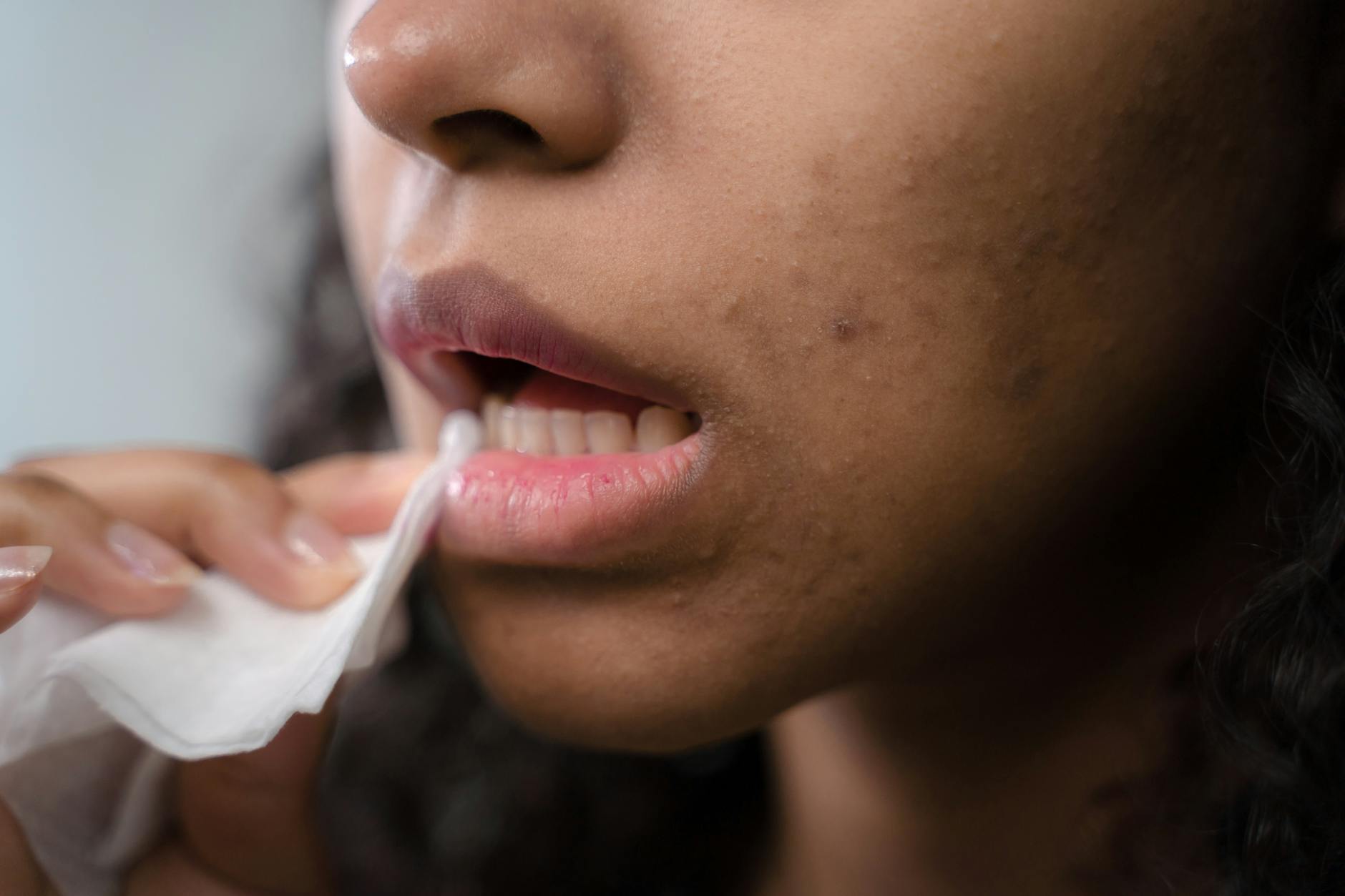
The answer comes down to hormones, specifically androgens. Spironolactone works by blocking androgen receptors, which reduces the hormonal signal that tells your sebaceous glands to produce excess oil. Less oil means fewer clogged pores, less bacterial growth, and fewer inflammatory breakouts. But spironolactone does not fix the underlying hormonal imbalance. It masks it. The moment the drug leaves your system, those androgen receptors are unblocked, oil production ramps back up, and acne returns — often with a vengeance. This rebound effect is well documented.
According to dermatology providers, if spironolactone is stopped suddenly rather than tapered gradually, the hormonal surge can trigger breakouts within two to four weeks. A 2022 study of 63 women with PCOS-related skin conditions found a split outcome: 38 patients stayed acne-free for an average of 33.7 months after discontinuing, while 20 experienced relapse after an average of 17.5 months. That means roughly a third of women in the study saw their acne come back, though the timeline varied widely. The takeaway is that rebound acne is common but not universal, and your individual hormonal profile plays a significant role in whether you stay clear. It is worth noting that spironolactone takes up to five months to show its full acne-clearing effects. Women who stop the medication before reaching that threshold may never have achieved full clearance in the first place, which can make the “rebound” feel even more dramatic. If you were on it for only a few months and quit, the breakouts you experience afterward may simply be your baseline acne reasserting itself rather than a true rebound phenomenon.
Spironolactone Discontinuation and the Rebound Timeline
The speed and severity of post-spironolactone acne depends heavily on how you stop taking it. Abrupt cessation creates a sharp hormonal cliff — your body goes from suppressed androgens to full androgen activity almost overnight. Gradual tapering over weeks or months produces a slower, more manageable transition that gives your skin and hormonal system time to adjust. Dermatologists who prescribe spironolactone for acne almost universally recommend a taper rather than a cold stop. However, tapering is not a guarantee against relapse. Even with a gradual reduction, some women will see breakouts return once the medication is fully discontinued. The difference is severity and timing.
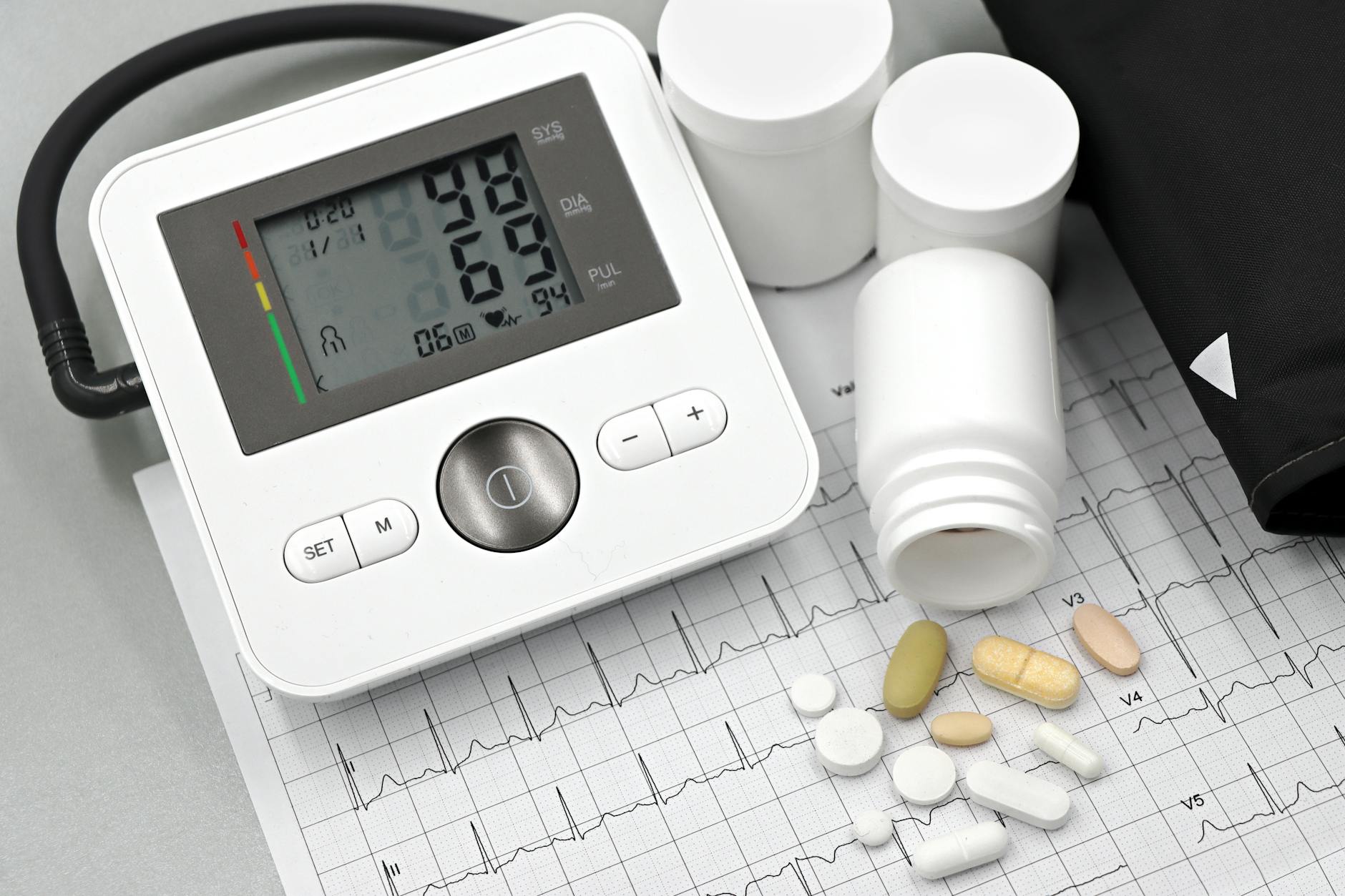
A tapered discontinuation may produce milder breakouts that are easier to manage with topical treatments, while abrupt cessation can trigger deep, cystic acne similar to what the patient experienced before starting the drug. If your original acne was severe enough to warrant spironolactone in the first place, the odds of it returning in some form are higher regardless of how carefully you taper. There is also an important medical warning here. Spironolactone is a blood pressure medication at its core, and stopping any antihypertensive abruptly carries risks beyond skin problems. Blood pressure can spike, and other withdrawal effects may occur. WebMD and other medical resources stress that you should never stop blood pressure medication without physician supervision. Even if acne management is your primary concern, the cardiovascular implications of sudden discontinuation are serious and need to be part of the conversation with your prescriber.
Which Blood Pressure Medications Actually Cause Acne?
Not all blood pressure drugs are created equal when it comes to skin side effects. While spironolactone suppresses acne during use and causes rebound after stopping, several other antihypertensives actually cause acne as a direct side effect. Vasodilators are the main offenders in this category. According to Harvard Health, medications including benazepril (Lotensin), hydralazine (Apresoline), and minoxidil (Loniten) have been linked to increases in acne and rosacea. For patients on these drugs, stopping the medication may actually improve their skin rather than damage it. This creates a counterintuitive situation.
A patient taking hydralazine for blood pressure who develops acne during treatment might find that their skin clears up once their doctor switches them to a different antihypertensive. Meanwhile, a woman taking spironolactone specifically for acne will likely see the opposite — clear skin on the medication and breakouts after stopping. The direction of the effect is entirely drug-dependent, which is why blanket statements about “acne after stopping blood pressure medication” are misleading without specifying the drug. The 2024 study comparing acne risk across antihypertensive classes adds another layer. Researchers found that patients on ACE inhibitors, ARBs, beta-blockers, and calcium channel blockers had significantly lower five-year acne risk compared to those on thiazide diuretics. This suggests that many common blood pressure medications may have a mild protective effect against acne, meaning stopping them could theoretically increase breakout risk — though the effect size is likely small compared to the dramatic rebound seen with spironolactone.
How to Manage Acne After Stopping Spironolactone
If you and your doctor have decided to discontinue spironolactone, the most practical approach is to build a topical regimen before you taper off. Retinoids like tretinoin or adapalene work through a completely different mechanism than spironolactone — they increase skin cell turnover and prevent pore clogging rather than blocking androgens. Starting a retinoid two to three months before tapering gives it time to reach effectiveness, so your skin has some protection as the anti-androgen effect fades. The tradeoff with topical-only management is that it addresses the downstream effects of androgens (oil, clogged pores) without addressing the androgens themselves. For women whose acne is strongly hormonally driven, topicals alone may not fully replace what spironolactone was doing. In that case, other systemic options exist.
Oral contraceptives with anti-androgenic progestins can provide some hormonal regulation, though they carry their own risk profile. Some dermatologists also use low-dose spironolactone as a long-term maintenance strategy, keeping the dose at 25 to 50 milligrams rather than the 100 to 200 milligrams typically used for active acne treatment. The comparison between these approaches matters. A full topical regimen — cleanser, retinoid, benzoyl peroxide, and moisturizer — addresses acne mechanically but requires daily compliance and can cause irritation. Staying on low-dose spironolactone is simpler but means remaining on a prescription medication indefinitely. Neither option is perfect, and the best choice depends on the severity of your hormonal acne, your tolerance for side effects, and whether you have other reasons to avoid spironolactone, such as pregnancy planning or potassium concerns.
Beta-Blockers, Skin Conditions, and Common Misidentifications
One source of confusion in online discussions about blood pressure medication and skin problems is the overlap between acne and other inflammatory skin conditions. Beta-blockers, one of the most commonly prescribed antihypertensive classes, have been linked to triggering or worsening psoriasis — particularly fat-soluble beta-blockers. A 2019 study covered by ScienceDaily confirmed this association. Psoriasis can sometimes be mistaken for acne, especially when it presents on the face as red, scaly patches or pustules. If you stopped a beta-blocker and noticed your skin improve, it is possible that what you were experiencing was not acne at all but a drug-induced psoriatic flare. This distinction matters because the treatments are fundamentally different. Acne responds to retinoids, benzoyl peroxide, and anti-androgens.
Psoriasis requires anti-inflammatory treatments, sometimes including immunosuppressants or biologics. Misidentifying the condition means misidentifying the treatment, which is why a dermatology evaluation is important if you are unsure whether your post-medication skin changes are truly acne. It is also worth noting a limitation of the available research. Most studies on blood pressure medications and acne focus on women, particularly those with hormonal or PCOS-related acne. Data on men experiencing acne changes after stopping antihypertensives is sparse. Men are rarely prescribed spironolactone due to its feminizing side effects, so the rebound acne phenomenon is almost exclusively documented in female patients. If you are a man experiencing skin changes after stopping blood pressure medication, the cause is more likely related to the vasodilator or beta-blocker categories than to anti-androgen rebound.
The PCOS Connection and Long-Term Outcomes
Women with polycystic ovary syndrome represent a particularly important subgroup in this discussion because their acne is driven by chronically elevated androgens, making them both the most likely to benefit from spironolactone and the most likely to relapse after stopping. The 2022 study of 63 women with PCOS-related skin conditions illustrates this clearly. While the majority — 38 out of 63 — maintained clear skin for an average of nearly three years after discontinuation, the 20 who relapsed did so after an average of 17.5 months.
That gap suggests some women may experience a delayed rebound rather than an immediate one, making it harder to connect the breakouts back to the medication change. For PCOS patients considering spironolactone discontinuation, the practical question is whether the underlying hormonal disorder has been addressed through other means. Weight management, insulin sensitization with metformin, and dietary changes can all influence androgen levels in PCOS. Women who have made significant progress on these fronts may be better candidates for successful discontinuation than those whose PCOS remains unmanaged.
What Dermatology Research Suggests Going Forward
The 2024 study showing lower acne risk among users of several antihypertensive classes opens an interesting research avenue. If ACE inhibitors and ARBs genuinely have a mild protective effect against acne, understanding the mechanism could lead to new treatment insights. Some researchers have speculated that the anti-inflammatory properties of certain blood pressure drugs may play a role, since acne is fundamentally an inflammatory condition. The UK’s National Institute for Health and Care Research has already confirmed spironolactone’s effectiveness for severe acne in women, and broader investigation into how cardiovascular medications interact with skin biology is ongoing.
For now, the practical reality is straightforward. If you are stopping spironolactone, prepare for potential rebound acne and have a plan in place. If you are stopping a vasodilator, your skin may actually thank you. And regardless of which medication is involved, never discontinue a blood pressure drug without your doctor’s guidance — the cardiovascular risks of abrupt cessation outweigh any skin concerns.
Conclusion
Acne after stopping blood pressure medication is overwhelmingly a spironolactone story. The drug’s anti-androgen mechanism makes it remarkably effective for hormonal acne, but that effectiveness disappears when the medication stops, and rebound breakouts within two to four weeks are common with abrupt discontinuation. Gradual tapering, topical retinoid bridging, and alternative hormonal management can all soften the transition.
For other blood pressure medications — particularly vasodilators — stopping may actually improve acne rather than worsen it, since drugs like hydralazine and minoxidil can cause breakouts as a side effect. The most important step is talking to both your prescribing physician and a dermatologist before making changes. Blood pressure medications exist for cardiovascular reasons first, and acne considerations should not override heart health. A coordinated plan that addresses both your blood pressure management and your skin concerns will produce better outcomes than making medication changes based on skin frustration alone.
Frequently Asked Questions
How long does rebound acne last after stopping spironolactone?
Rebound breakouts can begin within two to four weeks of abrupt discontinuation. The duration varies, but some women in clinical studies remained acne-free for over 33 months while others relapsed after roughly 17 months. There is no single timeline that applies to everyone.
Can I stop spironolactone cold turkey?
It is not recommended. Abrupt cessation can cause a rapid androgen surge leading to severe rebound acne, and since spironolactone is a blood pressure medication, sudden discontinuation carries cardiovascular risks including blood pressure spikes. Always taper under medical supervision.
Does stopping lisinopril or amlodipine cause acne?
Research suggests ACE inhibitors and calcium channel blockers may actually have a mild protective effect against acne. Stopping them could theoretically increase breakout risk slightly, but the effect is far less dramatic than spironolactone discontinuation.
Which blood pressure medications cause acne as a side effect?
Vasodilators including benazepril, hydralazine, and minoxidil have been linked to acne and rosacea as side effects. For patients on these drugs, stopping the medication under medical guidance may improve skin.
Is spironolactone effective for acne in men?
Spironolactone is almost exclusively prescribed for acne in women. Its anti-androgen effects cause feminizing side effects in men, including breast tenderness and hormonal changes, making it an impractical option for male patients.
Should I start a new skincare routine before stopping spironolactone?
Yes. Dermatologists often recommend starting a topical retinoid two to three months before beginning a spironolactone taper. This gives the retinoid time to take effect and provides a layer of protection against rebound breakouts.