Understanding accutane results after one week is essential for anyone interested in skincare and acne treatment. This comprehensive guide covers everything you need to know, from basic concepts to advanced strategies. By the end of this article, you’ll have the knowledge to make informed decisions and take effective action.
Table of Contents
- What Changes Can You Realistically Expect From Accutane in Week One?
- The Accutane Purge: Why Your Skin May Get Worse Before It Gets Better
- Managing Dry Skin and Lips During Early Accutane Treatment
- What Your Dermatologist Monitors During the First Week and Beyond
- Common Concerns and Misconceptions About Early Accutane Use
- Emotional and Psychological Aspects of Starting Accutane
- Looking Ahead: What Weeks Two Through Four Typically Bring
What Changes Can You Realistically Expect From Accutane in Week One?
The most immediate and reliable change during the first week is reduced oil production. Many patients notice their skin feels less greasy within the first few days, particularly in the T-zone area. This happens because isotretinoin directly targets sebaceous glands, causing them to shrink. Some people describe their skin as feeling “normal” for the first time in years, even before any acne clears. However, reduced oil does not mean reduced acne. The pimples you see in week one were already forming beneath your skin’s surface weeks or months ago.
accutane doesn’t make existing lesions vanish overnight. Instead, it prevents new ones from forming while your body naturally heals current inflammation. Compared to topical retinoids like tretinoin, which can show surface-level improvements within two weeks for mild acne, Accutane operates on a deeper level that requires patience. The medication is essentially resetting your skin’s entire oil production system rather than treating individual blemishes. Internal changes are also beginning during this period. Your liver is processing the medication, blood lipid levels may start shifting, and your body is adjusting to the presence of a powerful retinoid. This is why baseline blood work before starting and follow-up testing throughout treatment are mandatory parts of Accutane protocols.

The Accutane Purge: Why Your Skin May Get Worse Before It Gets Better
The dreaded “Accutane purge” often begins during the first week or two of treatment. This phenomenon occurs because isotretinoin accelerates skin cell turnover, pushing microcomedones (tiny, invisible clogged pores) to the surface faster than they would naturally emerge. What appears as new acne is actually pre-existing congestion finally becoming visible. Not everyone experiences a severe purge. Patients with primarily inflammatory acne (red, swollen pimples) tend to have milder initial flares compared to those with significant comedonal acne (blackheads and whiteheads).
If your acne is predominantly cystic, the purge can be particularly discouraging because deep nodules take longer to surface and heal. However, if you’ve been on topical retinoids like adapalene before starting Accutane, your purge may be less intense since your skin has already undergone some accelerated turnover. The severity of the purge does not predict your final results. Some patients with dramatic initial worsening end up with excellent outcomes, while others who coast through the first month without incident achieve the same clearance. Dermatologists sometimes prescribe a short course of oral prednisone alongside Accutane for patients prone to severe cystic flares, though this approach has tradeoffs including potential steroid side effects.
Managing Dry Skin and Lips During Early Accutane Treatment
Dryness is the most universal side effect during week one, and managing it proactively makes the entire treatment more tolerable. Lip dryness typically appears within the first three to five days and can progress from mild chapping to painful cracking if not addressed. Dr. Aquaphor, CeraVe Healing Ointment, or Vaseline applied multiple times daily becomes essential. Many patients carry lip balm constantly and apply it ten or more times per day. Facial dryness requires a shift in skincare routine. Heavy moisturizers that would have caused breakouts before Accutane become necessary during treatment.
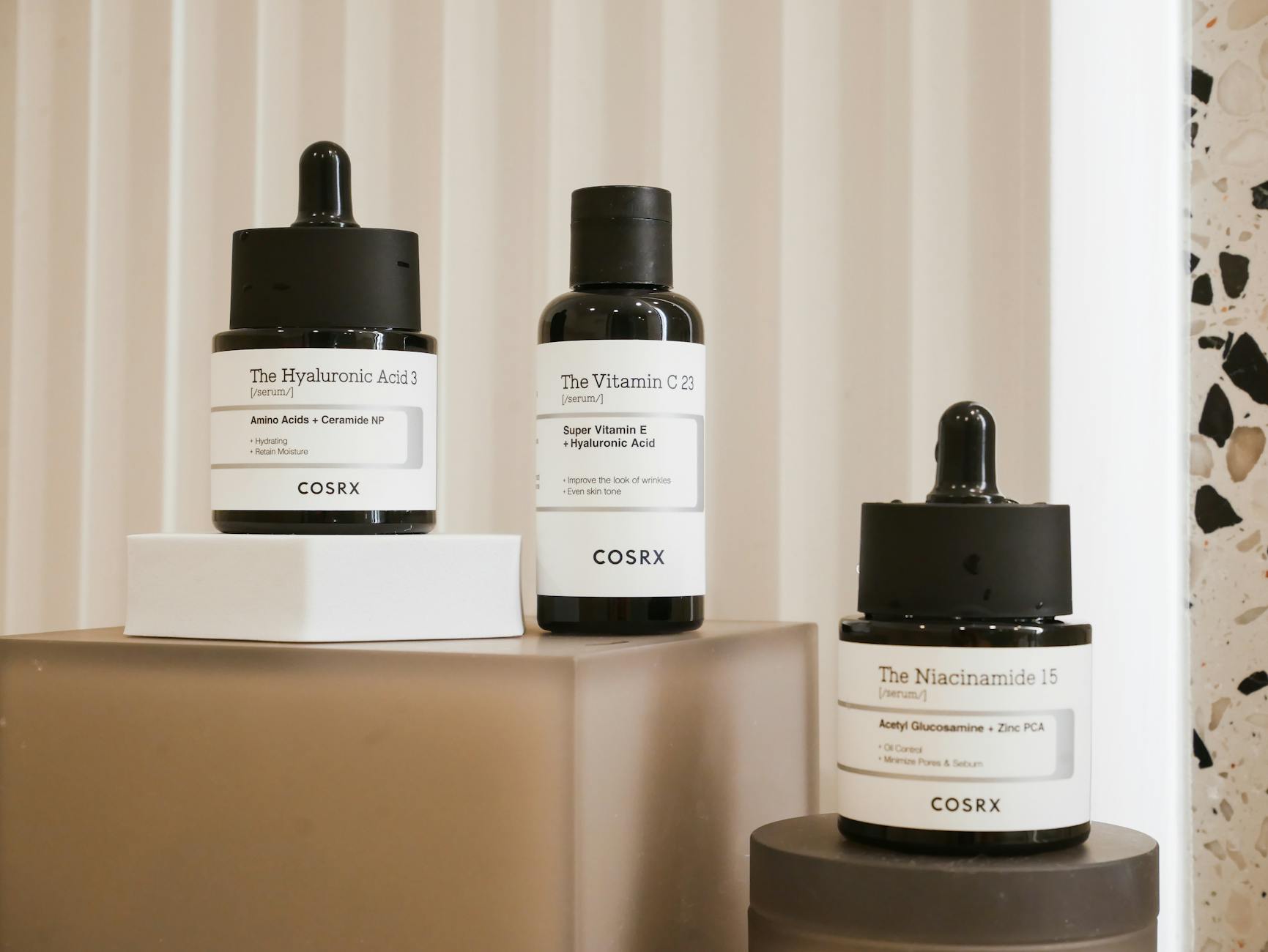
Ingredients like hyaluronic acid, ceramides, and squalane help maintain the moisture barrier. One practical approach is the “sandwich method”: applying moisturizer before and after any treatment products. Patients often switch from gel or foam cleansers to gentle cream or oil-based formulas. The comparison between proactive and reactive moisturizing is stark. Patients who begin intensive hydration on day one typically avoid the worst peeling and discomfort. Those who wait until dryness becomes severe often struggle to catch up. A 2019 study in the Journal of the American Academy of Dermatology found that patients with better side effect management were more likely to complete their full Accutane course, making early moisturizing habits directly relevant to treatment success.
What Your Dermatologist Monitors During the First Week and Beyond
Blood work is a critical component of Accutane treatment, though your dermatologist likely drew baseline labs before you started rather than during week one. These initial tests establish your normal liver enzyme levels, cholesterol, and triglycerides. For women of childbearing age, pregnancy tests are mandatory due to isotretinoin’s severe teratogenic effects. During the first week, your doctor is primarily interested in how you’re tolerating the medication. Serious side effects requiring immediate attention include severe headaches (which could indicate increased intracranial pressure), significant mood changes, or muscle pain beyond normal dryness discomfort.
These are rare but warrant prompt communication with your prescriber. The iPLEDGE program in the United States adds administrative requirements to treatment. Patients must complete monthly check-ins, and women must use two forms of contraception and take monthly pregnancy tests. This bureaucratic layer frustrates many patients, but it exists because isotretinoin causes devastating birth defects in 25-35% of exposed pregnancies. Understanding these requirements during your first week helps you plan around monthly appointments and pharmacy pickups.
Common Concerns and Misconceptions About Early Accutane Use
Many patients panic when their skin worsens during the first week, assuming the medication isn’t working or that they’re having an adverse reaction. This anxiety is understandable but usually unfounded. True allergic reactions to isotretinoin are exceptionally rare. What looks like a bad reaction is almost always the expected purging process or normal dryness side effects. Another misconception involves dosing. Some patients believe that higher doses produce faster results, leading them to be disappointed with a conservative starting dose.
In reality, many dermatologists begin with lower doses (0.5 mg/kg daily or less) specifically to minimize purging and side effect severity, then increase gradually. This approach often produces equivalent long-term outcomes with better tolerability. Conversely, aggressive initial dosing doesn’t meaningfully accelerate clearance and can make the first few weeks unnecessarily difficult. One legitimate warning: isotretinoin interacts with vitamin A supplements and certain medications. Patients should disclose all supplements and prescriptions to their dermatologist. Taking additional vitamin A while on Accutane can cause toxicity, and certain antibiotics (particularly tetracyclines) are contraindicated. If you started any new supplements recently, discuss them during your first follow-up appointment.
Emotional and Psychological Aspects of Starting Accutane
The psychological component of beginning Accutane deserves acknowledgment. After struggling with acne for months or years, many patients feel a mix of hope and anxiety when starting treatment. The possibility that this medication might finally work creates pressure for each day to show progress.
Managing expectations during week one means accepting that visible improvement is weeks away. Some patients find it helpful to take photos in consistent lighting to track changes objectively rather than relying on mirror checks that magnify every blemish. A patient named Marcus, who completed treatment in 2023, described his approach: “I took photos on day one and then deliberately didn’t take another until day thirty. Looking in the mirror constantly just made me anxious.” The psychological research on acne supports this—frequent checking behaviors correlate with higher distress levels regardless of actual skin condition.
Looking Ahead: What Weeks Two Through Four Typically Bring
While week one is primarily about adjustment and managing early side effects, weeks two through four often bring the peak of the purging phase followed by the first hints of genuine improvement. Most patients notice the purge tapering around week three or four, with new breakouts becoming less frequent. By the one-month mark, many experience their first stretch of days without new pimples.
The trajectory varies significantly between individuals. Factors including your cumulative dose, starting acne severity, and individual metabolism all influence the timeline. Some patients achieve substantial clearance by month two, while others require four or five months to see dramatic results. The consistent finding across studies is that completing the full prescribed course—typically five to six months at an adequate cumulative dose—produces the most durable outcomes, with roughly 85% of patients achieving long-term remission.