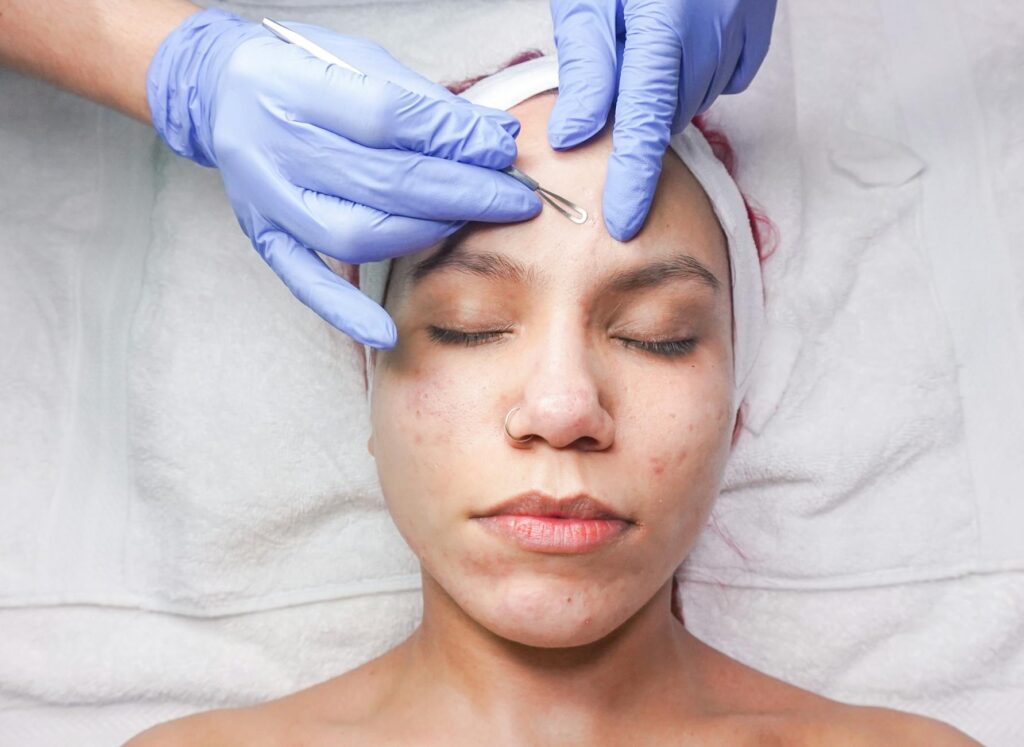
Accutane recovery time varies significantly depending on how you define “recovery,” but most patients can expect their skin to normalize within two to six months after completing treatment. The initial dryness, sensitivity, and redness that characterize active Accutane use typically resolve within four to eight weeks once you stop taking the medication, while deeper healing processes—like sebum production returning to normal levels and the skin barrier fully rebuilding—can take up to six months. For someone finishing a standard five-month course, this means they might still experience residual dryness in month one post-treatment, notice their skin becoming less reactive by month two, and feel like their complexion has fully stabilized by months four through six.
The timeline shifts based on individual factors like dosage, treatment duration, and your skin’s baseline condition before starting isotretinoin. A patient who completed a high-dose protocol (1 mg/kg daily) will generally need longer recovery time than someone on a lower cumulative dose. This article covers what happens during each phase of post-Accutane recovery, how to support your skin through the transition, when you can safely return to certain skincare products and procedures, and what warning signs might indicate you need additional medical attention.
Table of Contents
- How Long Does Skin Take to Heal After Accutane Treatment?
- Factors That Influence Your Post-Isotretinoin Recovery Period
- What Happens to Your Skin Barrier During Accutane Recovery
- When Can You Resume Skincare Procedures After Accutane?
- Potential Setbacks and Complications During Recovery
- Supporting Your Skin Through the Recovery Process
- Long-Term Skin Changes After Isotretinoin
- Conclusion
How Long Does Skin Take to Heal After Accutane Treatment?
The healing timeline after accutane follows a predictable pattern, though individual experiences vary. During the first two weeks post-treatment, isotretinoin is still clearing from your system—the drug has a half-life of approximately 21 hours, meaning it takes about four to five days for most of it to leave your body. However, its effects on sebaceous glands and skin cell turnover persist much longer. Most dermatologists advise patients that the first month represents a transitional period where dryness remains significant but gradually improves. By weeks four through eight, the majority of patients notice their lips no longer require constant balm application, and facial skin feels less tight and fragile. Sebum production, which Accutane suppresses dramatically, begins returning during this window.
A useful comparison: before treatment, your sebaceous glands might produce enough oil to make your face visibly shiny within hours of washing. During Accutane, that production drops by up to 90 percent. Post-treatment, it creeps back gradually—reaching perhaps 50 percent of original levels by month two and stabilizing somewhere between 60 and 80 percent of pre-treatment production by month six. This reduced-but-present oil production is actually the goal, as it helps prevent acne recurrence while allowing normal skin function. The three-to-six-month window represents full stabilization for most patients. Skin barrier function, measured by transepidermal water loss, typically returns to normal ranges within this timeframe. However, some patients report their skin never returns to being as oily as it was before treatment—and for many, this is a welcome permanent change rather than a problem requiring further recovery.

Factors That Influence Your Post-Isotretinoin Recovery Period
Several variables determine whether you’ll be on the shorter or longer end of the recovery spectrum. Cumulative dose matters most: the standard target of 120-150 mg/kg total over a treatment course produces longer-lasting effects and potentially longer recovery times than lower cumulative doses sometimes used for mild-to-moderate acne. Someone who took 40 mg daily for six months (roughly 150 mg/kg for a 70 kg person) will likely experience more prolonged dryness than someone who took 20 mg daily for five months. Your skin type before treatment also plays a significant role. Patients who had extremely oily skin often find their recovery period includes a welcome reduction in oil that persists.
Those who had combination or normal skin may find the dryness more pronounced and slower to resolve. Age factors in as well—younger patients in their teens and early twenties generally see faster recovery times than adults over thirty, likely due to more rapid cellular turnover and more robust sebaceous gland function. However, if you experienced significant side effects during treatment—severe dryness, eczema flares, or chelitis requiring prescription intervention—your recovery period often extends accordingly. Patients who needed to pause treatment or reduce dosage due to side effects sometimes paradoxically have longer recovery periods because their skin barrier sustained more cumulative damage despite the lower medication exposure. This is why dermatologists increasingly emphasize aggressive moisturization and barrier support during treatment, not just after.
What Happens to Your Skin Barrier During Accutane Recovery
Understanding the skin barrier’s recovery helps explain why patience matters during this period. Isotretinoin fundamentally alters how skin cells mature and shed, reducing the thickness of the stratum corneum (your skin’s outermost protective layer) and decreasing the lipids that hold it together. This is partly why the medication works so well—it prevents the abnormal keratinization that clogs pores—but it also leaves skin vulnerable until these processes normalize. During recovery, your skin barrier rebuilds in stages. First, the surface lipid layer begins reconstituting as sebaceous glands resume function.
Then, the stratum corneum gradually thickens back to its normal 15-20 cell layers. Finally, the tight junctions between skin cells strengthen. Clinical measurements show that barrier function, assessed through transepidermal water loss testing, typically returns to baseline within 8-12 weeks post-treatment, though subjective feelings of sensitivity may persist longer. A specific example illustrates this: a patient might find that a vitamin C serum they used comfortably before Accutane causes stinging at week four post-treatment, mild tingling at week eight, and feels completely normal by week twelve. The barrier has progressively rebuilt its ability to tolerate active ingredients. This staged recovery explains why dermatologists recommend gradually reintroducing products rather than returning to your full pre-treatment routine immediately.

When Can You Resume Skincare Procedures After Accutane?
The question of when to resume various treatments generates significant discussion, partly because guidelines have evolved based on newer research. Traditional recommendations suggested waiting six to twelve months before any procedures, but current evidence supports shorter waiting periods for many treatments—though not all. For chemical peels and microdermabrasion, most dermatologists now recommend waiting at least four to six weeks for superficial procedures and three to six months for deeper peels. The concern is impaired wound healing and increased scarring risk while skin barrier function remains compromised.
Laser treatments require more caution: ablative lasers (like CO2 or erbium) still carry the traditional six-to-twelve-month waiting recommendation from many practitioners, while non-ablative lasers and IPL might be considered after three to six months depending on the specific device and your skin’s condition. The tradeoff here involves balancing desire for additional skin improvement against safety. Someone eager to address post-acne scarring might be tempted to pursue laser resurfacing immediately after finishing Accutane, but the risk of abnormal scarring, prolonged redness, and poor healing outcomes makes waiting worthwhile. Conversely, waiting a full year may be overly conservative for low-risk procedures. The practical approach is discussing your specific treatment goals with a dermatologist who can assess your individual recovery progress rather than applying blanket timelines.
Potential Setbacks and Complications During Recovery
While most patients recover uneventfully, several issues can extend or complicate the post-Accutane period. Acne flares represent the most common setback—approximately 20-30 percent of patients experience some acne recurrence within the first year after treatment, though it’s usually milder than their original condition. A temporary flare during months two or three, as sebum production returns, doesn’t necessarily indicate treatment failure. However, if significant acne returns after month six, a second course might be considered.
Persistent dryness beyond six months occurs in a subset of patients and may indicate that sebaceous glands have been more permanently altered. This isn’t necessarily problematic—reduced oil production often prevents acne recurrence—but requires ongoing moisturizer use and sometimes adjustment of cleansing products to gentler formulations. Some patients also report prolonged skin sensitivity, finding that products they previously tolerated continue causing irritation beyond the typical recovery window. A critical warning: if you experience symptoms like persistent joint pain, mood changes, or visual disturbances after stopping Accutane, contact your prescribing physician promptly. While most side effects resolve with the medication, rare cases of prolonged effects have been documented and warrant medical evaluation rather than assumption that they’ll self-resolve during normal recovery.

Supporting Your Skin Through the Recovery Process
The post-Accutane period benefits from a simplified, barrier-focused skincare approach. Gentle cleansers—cream or oil-based rather than foaming—help avoid stripping recovering sebaceous function. Moisturizers containing ceramides, hyaluronic acid, and niacinamide support barrier rebuilding without introducing potentially irritating actives.
Mineral sunscreen remains essential, as post-Accutane skin remains photosensitive for several months. For example, a reasonable post-Accutane routine during the first eight weeks might include only four products: a gentle cream cleanser, a ceramide-rich moisturizer, a healing ointment for lips, and a zinc oxide sunscreen. Attempting to immediately resume a ten-step routine with retinol, acids, and vitamin C invites irritation and potentially delays barrier recovery. Products can be reintroduced individually, waiting one to two weeks between additions to identify any that cause problems.
Long-Term Skin Changes After Isotretinoin
Beyond the initial recovery period, Accutane produces lasting changes worth understanding. Most patients enjoy permanently reduced oil production—not eliminated, but moderated to levels that prevent the excessive sebum that fed their acne. Pore size often appears reduced long-term, a visible result of shrunk sebaceous glands.
Skin texture frequently remains improved years after treatment, with fewer closed comedones and smoother overall appearance. These changes represent the treatment’s intended long-term benefits, distinct from the temporary disruptions that characterize recovery. Understanding this distinction helps patients recognize that while the first six months require patience and adjusted routines, the years following typically reward that patience with skin that’s easier to manage than it was before treatment began.
Conclusion
Accutane recovery unfolds over two to six months for most patients, with the most noticeable improvements in dryness and sensitivity occurring within the first eight weeks. The process requires patience, simplified skincare, and gradual reintroduction of active ingredients and procedures.
Understanding that sebaceous gland function, barrier integrity, and skin sensitivity all recover on slightly different timelines helps set realistic expectations. Working with your dermatologist during this period ensures appropriate monitoring and guidance on when to resume specific products or procedures. Most patients find that the temporary inconvenience of post-Accutane recovery fades into a distant memory once they’re enjoying the long-term benefits of clearer, more manageable skin.