Hydration accelerates skin recovery by replenishing moisture that damaged or acne-prone skin has lost, allowing the skin barrier to function properly and reducing inflammation more quickly. When you break out or experience irritation—whether from acne treatments, environmental damage, or overexfoliation—your skin loses water content, leaving it vulnerable to further damage and slower cell turnover. Drinking water and applying hydrating topicals directly address this deficit, helping your skin repair itself rather than staying in a compromised state.
This article covers how hydration works at the cellular level, which hydration methods work best for different skin conditions, and why hydration alone isn’t enough without the right complementary practices. Well-hydrated skin heals faster because moisture enables your cells to function optimally. When skin is dehydrated, collagen synthesis slows down, inflammation persists longer, and the skin barrier becomes compromised—making breakouts worse and extending recovery time. Someone recovering from intense acne medication like isotretinoin or adapalene will see noticeably faster improvement in texture and sensitivity when they pair the treatment with consistent hydration, compared to the same treatment without adequate hydration support.
Table of Contents
- Why Does Hydration Speed Up Skin Recovery?
- How Hydration Interacts with Acne Treatments
- Different Hydration Methods and Their Recovery Benefits
- Practical Hydration Strategies for Acne-Prone Skin
- When Hydration Isn’t Enough and How to Recognize It
- Hydration and Post-Acne Scarring Recovery
- Future Outlook—Hydration as Preventive Care
- Conclusion
- Frequently Asked Questions
Why Does Hydration Speed Up Skin Recovery?
Hydration directly supports three healing mechanisms: cell regeneration, barrier repair, and inflammation reduction. your skin is constantly generating new cells at the basal layer and pushing them upward; this process requires water for the cells to function properly and for the proteins involved in cell division to work. When your skin is dehydrated, this cycle slows dramatically, which means acne scars, post-inflammatory hyperpigmentation, and rough texture take longer to improve. In contrast, well-hydrated skin completes this cell turnover cycle roughly every 28 days, keeping the surface smooth and allowing healing to progress visibly. The skin barrier—the outermost layer that protects against bacteria, irritants, and water loss—is made of lipids and dead cells held together by water.
Dehydrated skin has gaps in this barrier where moisture escapes, creating an entry point for bacteria and environmental irritants that can trigger or worsen breakouts. When you restore hydration, these lipid structures rehydrate and re-seal, reducing inflammation and allowing active acne to calm down. Someone using a strong acne treatment like benzoyl peroxide will experience less irritation and redness if they’re consistently hydrating, because the barrier stays intact instead of becoming raw and compromised. Inflammation is a core component of acne—redness, swelling, and sensitivity all stem from your immune system responding to bacteria and sebum buildup. Dehydrated skin amplifies this inflammatory response because the barrier is compromised and cells are stressed. Hydration reduces inflammation by enabling your skin’s natural anti-inflammatory mechanisms to work; properly hydrated cells also tolerate active treatments much better, meaning you can stick with your acne routine without it becoming unbearable.

How Hydration Interacts with Acne Treatments
Hydration doesn’t replace acne medication—it supports it. Treatments like retinoids, salicylic acid, and benzoyl peroxide work by chemically changing your skin, which can leave it dry and irritated. Adding hydration to your routine makes these treatments effective without causing so much damage that your skin becomes inflamed or flaky. However, if you’re using a very strong treatment and your skin is severely compromised, hydration alone won’t fix barrier damage—you may need to temporarily reduce treatment frequency or switch to a gentler option. The timing of hydration matters. Applying hydrating serums or moisturizers immediately after a chemical treatment (while skin is still slightly damp) helps seal in moisture and reduces the treatment’s irritating side effects.
If you wait to hydrate, you lose this window, and your skin barrier dries out, making irritation worse. This is why dermatologists often recommend applying active ingredients first, then immediately following with hydrating layers—not spacing them out by hours. There’s also a paradox with acne-prone skin: people often avoid moisturizers thinking moisture will worsen breakouts, but dehydration actually makes breakouts more likely. When skin is dehydrated, sebaceous glands overproduce oil to compensate, which can clog pores. Conversely, well-hydrated skin naturally regulates oil production. The catch is that not all moisturizers suit acne-prone skin—heavy creams can trigger congestion in sensitive people, so you need hydrating products that are lightweight and non-comedogenic.
Different Hydration Methods and Their Recovery Benefits
Drinking water supports overall skin hydration, but it’s not a substitute for topical hydration. When you’re dehydrated systemically, your skin is one of the last organs to receive water, so internal hydration helps, but topical hydration does the actual barrier repair work. Someone with acne might drink 8 glasses of water daily and still have a compromised barrier if they’re not applying hydrating creams or serums. However, combining both—adequate water intake plus targeted topical hydration—produces faster visible recovery than either alone. Topical hydration works in two ways: humectants (like glycerin and hyaluronic acid) draw water into the skin, and occlusives (like ceramics and oils) seal moisture in.
For acne recovery, humectants are usually the first step because they’re lightweight and less likely to cause congestion. Applying a humectant serum to damp skin, then sealing it with an occlusive like a lightweight cream, creates optimal conditions for barrier repair. Someone recovering from a chemical peel or intense acne treatment will see faster texture improvement using this layering method compared to using just one or the other. Hydrating masks and treatments offer a concentration of hydrating ingredients that goes deeper than daily serums. Using a hydrating mask 2-3 times weekly during acute recovery phases can noticeably speed up healing, especially if the mask contains ingredients like ceramics or niacinamide that also support barrier function. The limitation is that masks are temporary—you need consistent daily hydration to maintain results, so masks are a boost, not the foundation.
Practical Hydration Strategies for Acne-Prone Skin
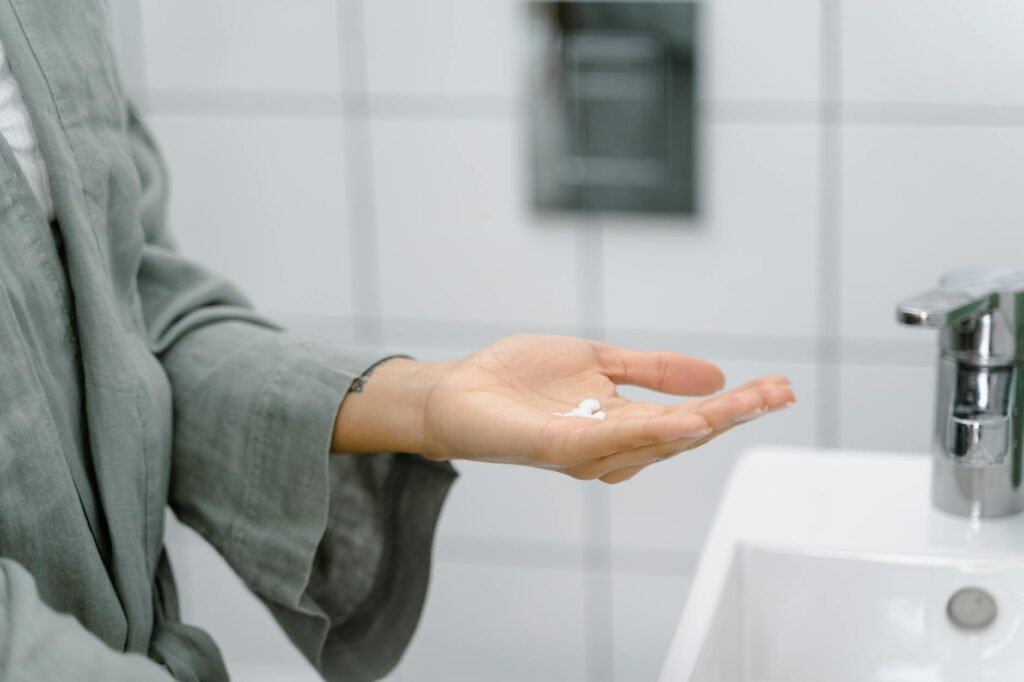
The most effective hydration routine for acne recovery follows a three-step pattern: cleanse gently, apply hydration to damp skin, and seal with a lightweight occlusive. Cleansing removes dead skin and allows hydrating products to penetrate, but harsh cleansers strip moisture and worsen dehydration, so use a gentle cleanser (cream or micellar water) that doesn’t leave skin feeling tight. Immediately after cleansing, apply hydrating products like glycerin serums or hydrating toners while skin is still damp; this is the optimal window for hydration penetration. Finally, seal with a lightweight moisturizer that won’t clog pores—gel-based, mineral oil-free formulas work well for acne-prone skin. The tradeoff is between hydration intensity and the risk of congestion. Heavy, occlusive moisturizers hydrate more effectively but can trigger breakouts in congestion-prone people, while lightweight, water-based hydrators are safer for acne but may not provide enough moisture during intense treatment phases.
The solution is to match your hydration method to your current skin state: during active acne or strong treatment, use lightweight hydration daily. Once your skin stabilizes, you can experiment with richer products, or stick with lightweight options if that’s what your skin tolerates. Layering hydrating products (sometimes called “hydration sandwich”) is more effective than using one heavy moisturizer. For example: apply a hydrating toner, wait 30 seconds, apply a hydrating serum, then apply a lightweight moisturizer. This method delivers more water to the skin than trying to achieve hydration with a single thick product, and it feels less heavy. It’s especially useful when you’re using strong acne treatments, because each layer contributes to recovery without creating an uncomfortable occlusive coating.
When Hydration Isn’t Enough and How to Recognize It
If your skin is dehydrated but your acne isn’t improving despite hydration efforts, the issue is likely your active acne treatment, not insufficient hydration. Hydration speeds recovery, but it doesn’t treat acne itself—you still need the right medication (retinoids, benzoyl peroxide, or prescription treatments depending on severity). Someone who hydrates perfectly but uses ineffective acne treatment will still struggle with breakouts. The warning sign is if your skin looks and feels hydrated, but acne severity isn’t changing; at that point, you need to revisit your acne treatment strategy with a dermatologist. Over-hydration is rare but possible. If you apply occlusive moisturizers too heavily or too frequently over active acne, you can create an environment where bacteria thrive in the moisture, worsening breakouts.
This looks like sudden congestion or increased pustules despite consistent hydration. If you suspect over-hydration, reduce occlusive products, rely more on lightweight hydrating layers, and let your skin breath slightly more—but don’t become under-hydrated, which is the more common problem. Certain ingredients can interfere with hydration’s benefits. If your hydrating products contain fragrance or alcohol, these can be drying and counterproductive, negating the hydration you’re trying to provide. Check product ingredient lists for these irritants—especially important if your skin is already compromised from acne treatment. Non-fragrant, alcohol-free hydrating products will give you the fastest recovery results.
Hydration and Post-Acne Scarring Recovery
Hydration supports collagen remodeling, which is essential for improving atrophic scars (indented scars from severe acne). When skin is dehydrated, collagen synthesis is slow, which means scars improve very slowly. Well-hydrated skin, combined with treatments like microneedling or laser therapy, produces faster scar improvement.
Someone with acne scars who starts a consistent hydration routine may see subtle texture improvement within weeks, though significant scar improvement typically requires both hydration and professional treatments. Staying hydrated throughout laser or microneedling recovery also reduces downtime and improves results. These procedures create controlled injury to stimulate collagen; well-hydrated skin heals from this injury faster and with less risk of complications like infection. The combination of pre- and post-treatment hydration with these procedures significantly speeds visible improvement in scarring.
Future Outlook—Hydration as Preventive Care
The emerging understanding of skin hydration is shifting toward prevention rather than just recovery. Maintaining consistently hydrated skin throughout your life, even when acne isn’t active, reduces the likelihood of severe breakouts and complications like scarring. This is because well-hydrated skin has a stronger barrier, better immunity against bacteria, and more efficient cell turnover—all factors that prevent acne from developing in the first place.
Someone who prioritizes hydration from their teens onward may avoid severe acne altogether. Innovations in hydration technology (like humectant serums with larger, more stable hyaluronic acid molecules) are making topical hydration more effective than ever. As these products improve, hydration is becoming recognized not as a nice-to-have skincare step, but as a core pillar of acne treatment and recovery. The future of acne treatment likely involves hydration-first approaches that prioritize barrier health, rather than aggressive treatments alone.
Conclusion
Hydration supports faster skin recovery by enabling cell turnover, repairing your skin barrier, and reducing inflammation—all essential for acne to clear quickly and for your skin to heal properly after treatment. The most effective approach combines topical hydration (serums, moisturizers, and hydrating masks) with adequate water intake, applied strategically to damp skin and sealed with lightweight occlusives.
Consistent hydration alone won’t cure acne, but it makes your acne treatment more effective and your recovery noticeably faster. Start by evaluating whether your current routine includes adequate hydration—specifically, are you applying hydrating products to damp skin immediately after cleansing, and are you sealing them with a moisturizer? If not, add this step for the next 4 weeks and track changes in skin texture, sensitivity, and recovery speed. Most people see faster improvement in acne healing and barrier health within this timeframe, making hydration one of the highest-impact, lowest-cost changes you can make to your skincare routine.
Frequently Asked Questions
Will drinking more water cure my acne?
Drinking more water supports overall skin health and makes acne treatments more effective, but it won’t cure acne by itself. Topical hydration and active acne medication are necessary; water intake is supporting infrastructure.
Can hydration make acne worse?
Over-applying heavy occlusive moisturizers can trap bacteria and worsen congestion in some people, but this is rare. Under-hydration is far more common and makes acne worse. Use lightweight hydrating layers instead of heavy creams if you’re prone to congestion.
How long does it take for hydration to improve acne recovery?
Most people notice improved skin texture and reduced irritation within 2-3 weeks of consistent hydration. Faster recovery from active breakouts is usually visible within 1-2 weeks.
What’s the best moisturizer for acne-prone skin?
Look for lightweight, non-comedogenic moisturizers with hydrating ingredients like glycerin or hyaluronic acid, and barrier-supporting ingredients like ceramics or niacinamide. Gel formulas and water-based creams tend to work better for acne-prone skin than heavy, oil-based moisturizers.
Should I hydrate if I’m using a strong acne treatment like retinoids?
Yes, especially when using strong treatments. Hydration reduces irritation and barrier damage, making your treatment more tolerable and your skin healthier overall. This actually allows you to stick with your treatment longer and see better results.
Can I over-hydrate my skin?
It’s theoretically possible to apply so much moisture that you trap bacteria, but true over-hydration is uncommon. The much more common problem is under-hydration. Monitor your skin; if congestion worsens after adding hydration, switch to lighter formulas or reduce application frequency.