

Yes, you can safely build a routine that effectively targets facial redness—the key is starting with evidence-based ingredients, protecting your skin barrier, and avoiding common triggers that exacerbate the problem. A 2025 meta-analysis of 21 randomized controlled trials published in Dermatology Times examined six topical treatments for redness and found that azelaic acid, brimonidine, and oxymetazoline all significantly reduced facial erythema when used consistently.
The most important insight from dermatological research is that targeting redness safely isn’t about aggressive treatment—it’s about gentle, consistent care with the right active ingredients and strict attention to sun and moisture protection. This article walks you through the science-backed approach to building a redness-reducing routine: which ingredients actually work, how to layer them without irritating sensitive skin, which professional treatments offer additional benefits, and most importantly, what to avoid so you don’t inadvertently worsen the problem. Whether you’re dealing with rosacea, post-inflammatory erythema, or reactive redness from acne or sensitivity, the foundational routine remains the same.
Table of Contents
- What Causes Facial Redness and Why Your Routine Structure Matters
- Evidence-Based Ingredients That Safely Reduce Redness
- Sunscreen and Moisturizer—The Non-Negotiable Foundation
- Building Your Complete Daily Redness-Targeting Routine
- Ingredients and Habits That Worsen Redness and Must Be Avoided
- Professional Treatments That Enhance Your Skincare Routine
- Managing Expectations and Long-Term Success
- Conclusion
What Causes Facial Redness and Why Your Routine Structure Matters
Facial redness typically stems from chronic inflammation, compromised skin barrier function, or reactive conditions like rosacea. When your skin’s barrier is weakened—whether from past irritation, environmental triggers, or harsh products—blood vessels dilate more easily and stay dilated longer, creating that persistent red appearance. The solution isn’t to force change overnight with aggressive treatments; instead, it’s to systematically rebuild the skin barrier and use targeted ingredients that calm inflammation at the root.
The structure of your routine directly determines whether your redness will improve or worsen. A poorly constructed routine might include multiple irritants or skip essential protective steps, which keeps your skin in a state of constant irritation. By contrast, a thoughtfully sequenced routine that prioritizes barrier repair and uses evidence-based anti-inflammatory ingredients allows your skin to gradually calm down over weeks and months. Your routine is the foundation; professional treatments and prescription options only work well when this foundation is solid.
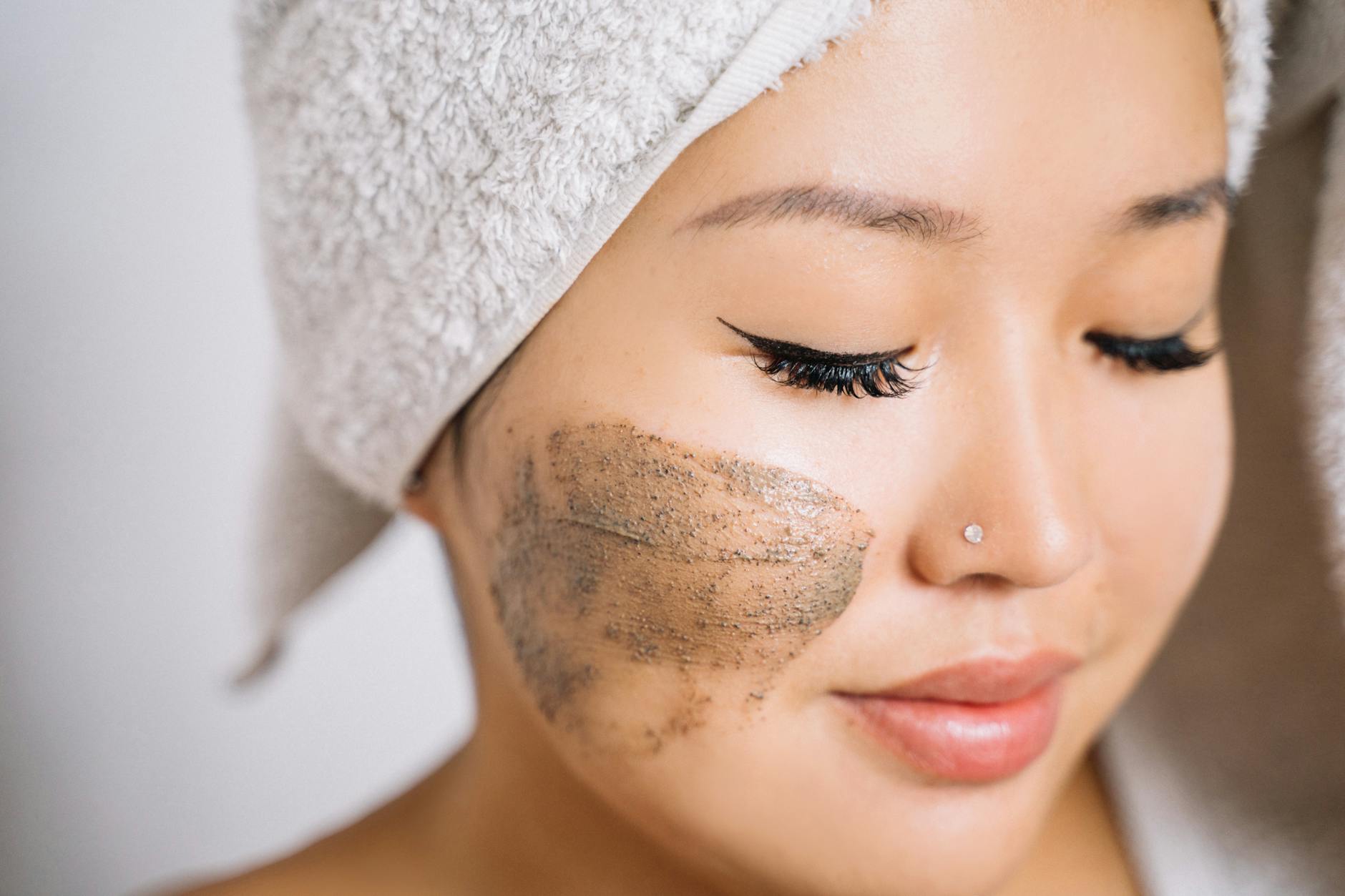
Evidence-Based Ingredients That Safely Reduce Redness
According to dermatologists and recent clinical evidence, the most effective and safest ingredients for targeting redness are niacinamide, azelaic acid, and colloidal oatmeal. Niacinamide reduces inflammation, strengthens the skin barrier, and has been shown to decrease redness when used consistently at 4–5% concentrations. Azelaic acid is particularly effective for rosacea; the 2025 meta-analysis found it more effective than metronidazole and well-tolerated even by sensitive skin types. Colloidal oatmeal has long been used in dermatology as a soothing, anti-inflammatory ingredient that provides immediate relief and supports skin healing. Beyond these three, dermatologists also recommend Centella Asiatica (also called cica), which has both anti-inflammatory and wound-healing properties while strengthening your skin barrier—crucial for anyone dealing with reactive redness.
Additional soothing ingredients include ceramides, hyaluronic acid, allantoin, aloe vera, licorice root, and chamomile. The key difference between a routine that works and one that doesn’t is whether these ingredients are at functional concentrations and in formulations that won’t irritate further. For example, aloe vera in a soothing moisturizer is beneficial, but aloe-based toners with fragrance or alcohol may worsen redness for sensitive individuals. However, there’s an important caveat: not all ingredients marketed for “sensitive skin” are created equal. Fragrance, essential oils, and fragrance extracts are among the most common irritants in supposedly calming products and will trigger redness in a large portion of people with reactive skin. Always check the ingredient list, not just the marketing claims.
Sunscreen and Moisturizer—The Non-Negotiable Foundation
The global ROSCO (ROSacea COnsensus) panel, which includes leading dermatologists from around the world, has identified three critical components for any redness-reduction routine: a sunscreen with SPF 30 or higher used daily, gentle cleansing with appropriate products, and consistent moisturizing twice daily with a quality formula. Of these three, sun protection and moisturizing are often underestimated by people trying to reduce redness, yet they’re foundational. UV exposure is one of the primary triggers for persistent facial redness, whether from rosacea or post-inflammatory marks.
SPF 30 provides meaningful protection without the heaviness of SPF 50+, and daily application prevents the constant low-level inflammation that UV rays trigger. Equally important is consistent moisturizing: patients who used a quality moisturizer twice daily experienced significantly less dryness, peeling, and roughness compared to those who moisturized irregularly or skipped this step entirely, according to 2025 data from Pittsburgh Skin. This matters because a dehydrated, tight skin barrier becomes more inflamed and red. Moisturizing isn’t a luxury—it’s part of the treatment.
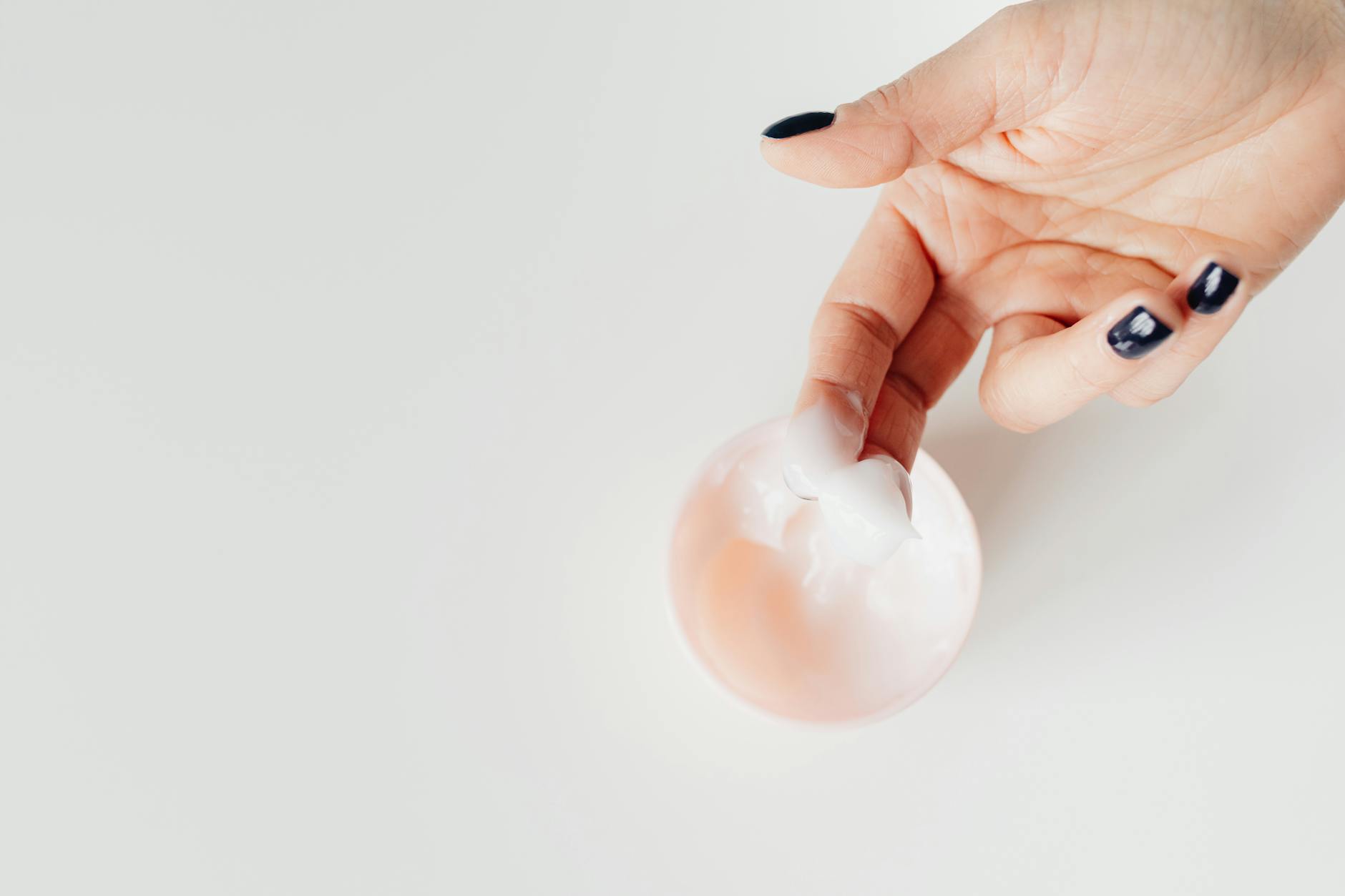
Building Your Complete Daily Redness-Targeting Routine
Your daily routine should follow this sequence: gentle cleanse, apply active treatment, apply moisturizer, and apply sunscreen (morning) or skip sunscreen for evening. Start with a gentle, lipid-free cleanser—the ROSCO guidelines specifically recommend avoiding cleansing agents with lipids, as these can leave a residue that interferes with the skin’s natural barrier. After cleansing, your skin is most receptive to actives, so this is when you apply your niacinamide serum, azelaic acid treatment, or other targeted ingredient. Niacinamide works especially well in this slot because it doesn’t require waiting time and won’t irritate even compromised skin.
Follow with a moisturizer that includes some of the soothing ingredients mentioned earlier—ceramides, hyaluronic acid, and ideally Centella Asiatica. This is not the time to use multiple actives or layer conflicting ingredients. The goal is to keep your routine simple enough that you’ll actually stick with it, and complex enough that you’re addressing the underlying inflammation. In the morning, always finish with sunscreen; in the evening, you’re done after moisturizer. A realistic routine takes 3–5 minutes, which matters because routines people actually follow beat more elaborate regimens that people abandon after two weeks.
Ingredients and Habits That Worsen Redness and Must Be Avoided
Certain ingredients actively trigger redness and should be completely avoided if you’re building a redness-reduction routine: fragrances (including fragrance extracts and essential oils), strong chemical exfoliants at high concentrations (such as high-percentage glycolic acid or salicylic acid), and any physical scrubs or aggressive mechanical exfoliation. Aggressive exfoliation—whether physical or chemical—creates micro-tears in an already compromised barrier, leading to increased irritation and redness. Many people with facial redness make this mistake: they see rough texture or uneven tone and try to “exfoliate it away,” which actually makes the redness worse. If you want to exfoliate, consider poly hydroxy acids (PHAs) instead of AHAs or BHAs.
PHAs have larger molecular structures that don’t penetrate as deeply, making them much gentler on reactive skin while still providing mild exfoliation. However, even PHAs should be used infrequently—perhaps once or twice weekly—if you have active redness. The other category to avoid is anything that disrupts your skin barrier in other ways: alcohol-based toners, heavy fragrance, and products marketed with a “tingle” or “burn” sensation. That sensation indicates irritation, not efficacy. Your redness-reduction routine should feel calming, not stimulating.
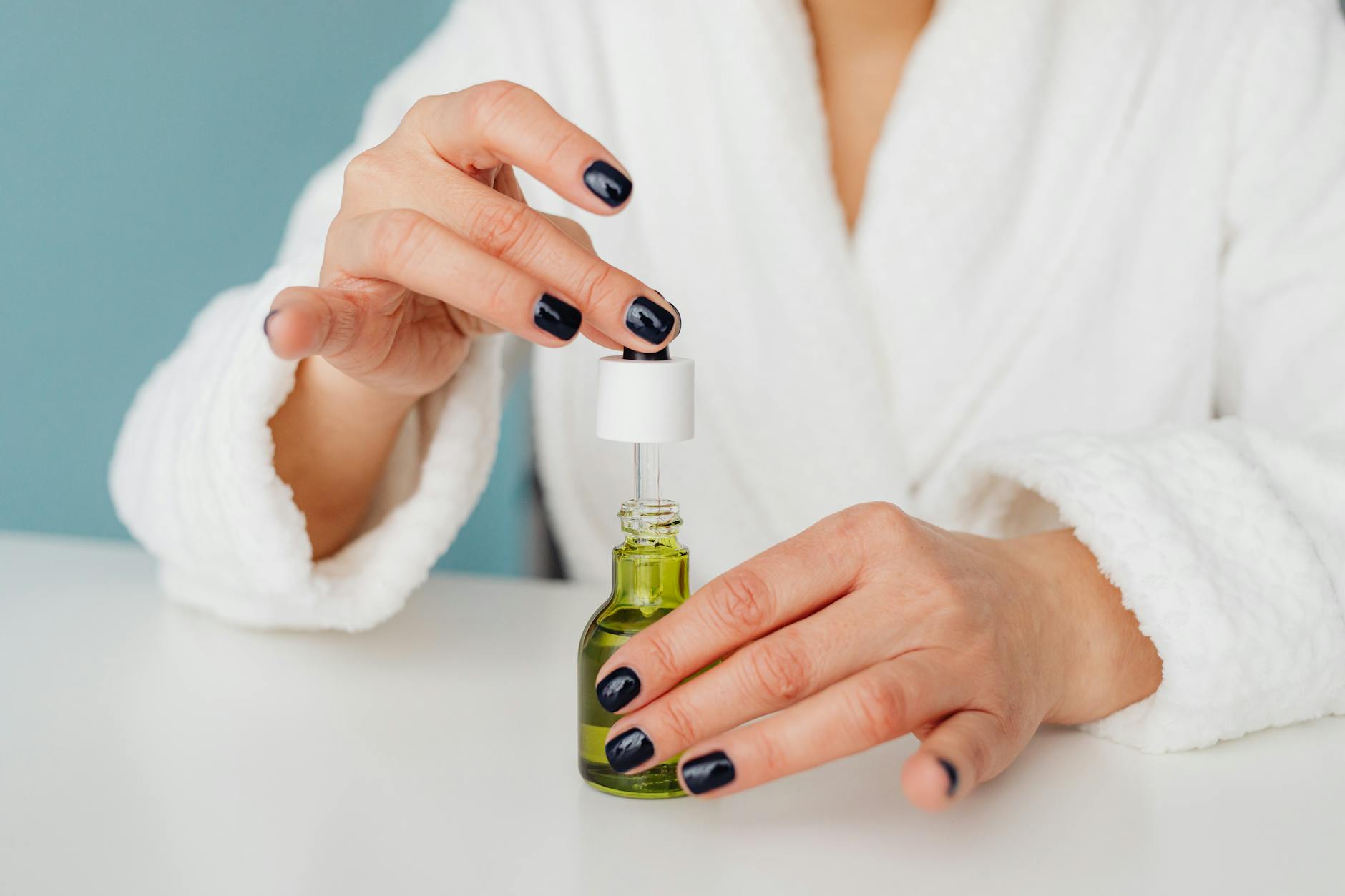
Professional Treatments That Enhance Your Skincare Routine
Once you’ve built a solid foundational routine and your skin has calmed down somewhat, professional treatments can significantly accelerate results. According to clinical research on advanced redness treatment, hyaluronic and succinic acid mesotherapy reduces rosacea redness by 80% in professional settings, though this is a more intensive approach. More commonly, radiofrequency microneedling has demonstrated superior efficacy for rosacea erythema compared to other energy-based treatments, with patients reporting high satisfaction and sustained improvement.
These professional treatments aren’t replacements for your daily routine; they work best as additions to a solid skincare foundation. For instance, someone might use their routine of niacinamide, azelaic acid, and moisturizer daily for two months, then add radiofrequency microneedling to address stubborn remaining redness. The routine continues throughout treatment and afterward, providing the long-term management that keeps redness controlled. Professional options are worth discussing with a dermatologist if your routine alone isn’t giving you the results you want after several months.
Managing Expectations and Long-Term Success
Reducing facial redness safely takes time—typically 4 to 12 weeks before you notice meaningful improvement, depending on the severity and cause. This is not a marketing-friendly timeline, but it’s realistic. Your skin barrier is being rebuilt, inflammation is gradually cooling down, and this process cannot be rushed.
Impatience leads many people to add more actives, switch products frequently, or try professional treatments too soon, which often backfires and extends the redness. The long-term picture is encouraging: once you find a routine that works for your specific redness triggers, maintenance becomes much simpler. Many people find they can eventually introduce other skincare ingredients—like retinoids or additional actives—once their baseline redness is controlled and their barrier is strong. The goal isn’t to be on redness-management products forever; it’s to stabilize your skin so it becomes resilient and reactive less easily.
Conclusion
Building a routine that safely targets facial redness starts with understanding that redness is fundamentally a barrier and inflammation issue, not something to be aggressively stripped away. Your routine should center on evidence-based calming ingredients (niacinamide, azelaic acid, Centella Asiatica), consistent sunscreen and moisturizer use as non-negotiable steps, and deliberate avoidance of common irritants like fragrance and aggressive exfoliation. This approach is supported by clinical research, dermatological consensus, and real-world patient outcomes.
Your next step is to audit your current routine for any ingredients or habits that might be worsening redness, then build a simple, consistent 3–5 minute routine that you can realistically maintain every day. If you’re currently using any high-fragrance products, strong acids, or physical scrubs, eliminate these first. Then layer in a niacinamide or azelaic acid treatment and ensure your moisturizer includes barrier-supporting ingredients. Give your routine at least 6 weeks before evaluating results, and be patient—redness reduction is a marathon, not a sprint.