
Acne that resembles a rash differs fundamentally from true acne in its causes and treatment pathways. When your skin breaks out with clusters of small, inflamed bumps that look rash-like rather than the typical comedones or pustules associated with standard acne, you’re likely dealing with a condition called acneiform eruption, folliculitis, or dermatitis—conditions triggered by irritation, bacterial overgrowth, or inflammatory responses rather than the clogged pores and Cutibacterium acnes bacteria that cause traditional acne. The key distinction lies in examining the bump structure, distribution pattern, and whether comedones (blackheads or whiteheads) are present; acne-like rashes typically have uniform red papules without central pores, spread across broader areas, and respond poorly to standard acne treatments because they require different intervention. This article explores the causes of rash-like acne, how to distinguish it from true acne, and what that diagnosis means for your skin treatment strategy.
The confusion between acne and acne-like rashes happens frequently because both conditions produce raised, red bumps on the skin. However, the underlying mechanisms are entirely different. True acne results from sebum production, follicular plugging, bacterial colonization, and inflammation within the hair follicle itself. Rash-like eruptions that mimic acne arise from external irritants, allergic reactions, heat and friction, product sensitivities, or bacterial overgrowth without follicular involvement. Understanding which condition you have prevents wasted time on ineffective treatments and helps you address the actual root cause faster.
Table of Contents
- What Causes Acne That Looks Like a Rash Instead of Typical Comedones
- Visual and Structural Differences Between Rash-Like Eruptions and True Acne
- Common Rash-Like Skin Conditions That Mimic Acne
- How to Accurately Distinguish Your Breakout and When Professional Diagnosis Becomes Necessary
- Common Misdiagnosis Errors and Why Treatment Mistakes Worsen Rash-Like Eruptions
- Why Identifying the Cause Transforms Your Treatment Approach
- Prevention Strategies and Long-Term Management for Rash-Prone Skin
- Conclusion
What Causes Acne That Looks Like a Rash Instead of Typical Comedones
Rash-like acne develops when your skin’s barrier becomes compromised or irritated, triggering a localized inflammatory response that resembles acne but operates through a different biological pathway. The most common culprits include contact dermatitis from skincare products, laundry detergents, or cosmetics; folliculitis from shaving, friction, or heat exposure; perioral dermatitis, an inflammatory condition around the mouth and nose; and keratosis pilaris, a genetic condition producing small bumps on the arms and cheeks. Additionally, bacterial overgrowth from sweating and occlusion (trapping moisture under clothing or tight masks) can create rash-like pustules without the comedonal involvement that defines typical acne. A practical example: someone who develops small red bumps across their forehead after starting a new sunscreen might assume they have acne, but the uniform distribution, lack of comedones, and rapid appearance across the entire application area indicate contact dermatitis instead. This distinction matters because treating it with salicylic acid or benzoyl peroxide—standard acne treatments—will likely worsen the irritation.
Instead, discontinuing the offending product and using a gentle moisturizer resolves the rash within days, whereas true acne requires weeks of treatment to show improvement. Environmental and behavioral factors significantly influence whether you develop rash-like eruptions. Heat and humidity create ideal conditions for bacterial overgrowth and folliculitis, which is why athletes and people living in tropical climates report more frequent rash-like breakouts. Tight clothing, sports equipment, backpacks, and helmet straps create friction zones where moisture accumulates and bacteria proliferate, producing clusters of uniform red bumps that initially look like acne. Unlike typical acne, which distributes based on sebaceous gland concentration (face, upper back, chest), friction-induced rashes appear precisely where pressure and heat concentrate.

Visual and Structural Differences Between Rash-Like Eruptions and True Acne
The most reliable distinguishing feature is the presence or absence of comedones—blackheads and whiteheads that define true acne. When you examine your skin closely, true acne lesions contain visible pores or central plugs of oxidized sebum; rash-like eruptions appear as uniform red papules without these distinctive centers. This difference reflects the fundamental biological mechanism: acne involves follicular blockage, while rashes involve surface-level or deeper inflammatory responses without comedonal formation. However, this comparison becomes complicated when bacteria secondarily infect follicles in rash areas, occasionally creating pustules that confuse the diagnosis. The distribution pattern provides another crucial diagnostic clue. True acne concentrates in areas with high sebaceous gland density—the face (especially T-zone), upper back, chest, and shoulders.
Rash-like eruptions often appear in unexpected locations or unusual patterns: around the mouth and nose (perioral dermatitis), in friction zones under bra straps or waistbands, exclusively on one cheek or forehead if caused by unilateral product use, or symmetrically distributed across areas that contacted an irritant. If your breakout appears only where your phone touches your skin, a tight mask rubs, or new skincare contacted your face, you’re almost certainly dealing with contact dermatitis rather than acne. The temporal progression also differs meaningfully. True acne develops gradually over weeks as sebum accumulates and bacteria proliferate within follicles, building toward the characteristic cycle of comedones, inflammation, and healing. Rash-like eruptions often appear rapidly—sometimes overnight—in response to an irritant exposure, and they progress quickly to their worst appearance within 24-48 hours before improving. If you woke up with a cluster of new bumps after trying a new product or wearing a new fabric, the speed of onset strongly suggests an irritant or allergic response rather than acne, which requires a slower developmental timeline.
Common Rash-Like Skin Conditions That Mimic Acne
Perioral dermatitis represents one of the most frequently misdiagnosed acne mimics. This condition produces small red papules and sometimes pustules in the skin surrounding the mouth, chin, and nose. Dermatologists distinguish it from acne because it typically lacks comedones, appears as a uniform rash rather than scattered lesions, and often follows overuse of topical corticosteroids or very heavy creams. A patient might apply hydrocortisone cream for a minor irritation, experience temporary improvement, then develop a perioral dermatitis rebound rash that they mistake for acne. This distinction critically matters because dermatitis treatment involves discontinuing the steroid and using gentle care, while acne treatments would worsen the condition. Rosacea-triggered acneiform eruptions create another common point of confusion.
Rosacea is a chronic inflammatory condition causing flushing, redness, and small pustules, particularly on the central face. When rosacea flares, the resulting pustules look remarkably similar to acne, but rosacea lacks comedones and occurs alongside facial flushing, visible blood vessels, and a burning or stinging sensation that true acne doesn’t produce. People with rosacea often receive acne treatments that prove ineffective or counterproductive because standard acne medications don’t address the underlying vascular inflammation driving rosacea. Treating rosacea requires different medications and lifestyle adjustments than treating acne. Keratosis pilaris affects roughly 40% of the population and produces small red or white bumps, typically on the upper arms, thighs, cheeks, and buttocks. These bumps result from keratin plugging in hair follicles and cause a distinctive “chicken skin” texture rather than the raised pustules of acne. People sometimes confuse cheek-based keratosis pilaris with acne, but the bumps lack inflammatory centers, the texture feels rough rather than oily, and the condition doesn’t respond to acne medications—it requires exfoliation and moisturization instead.
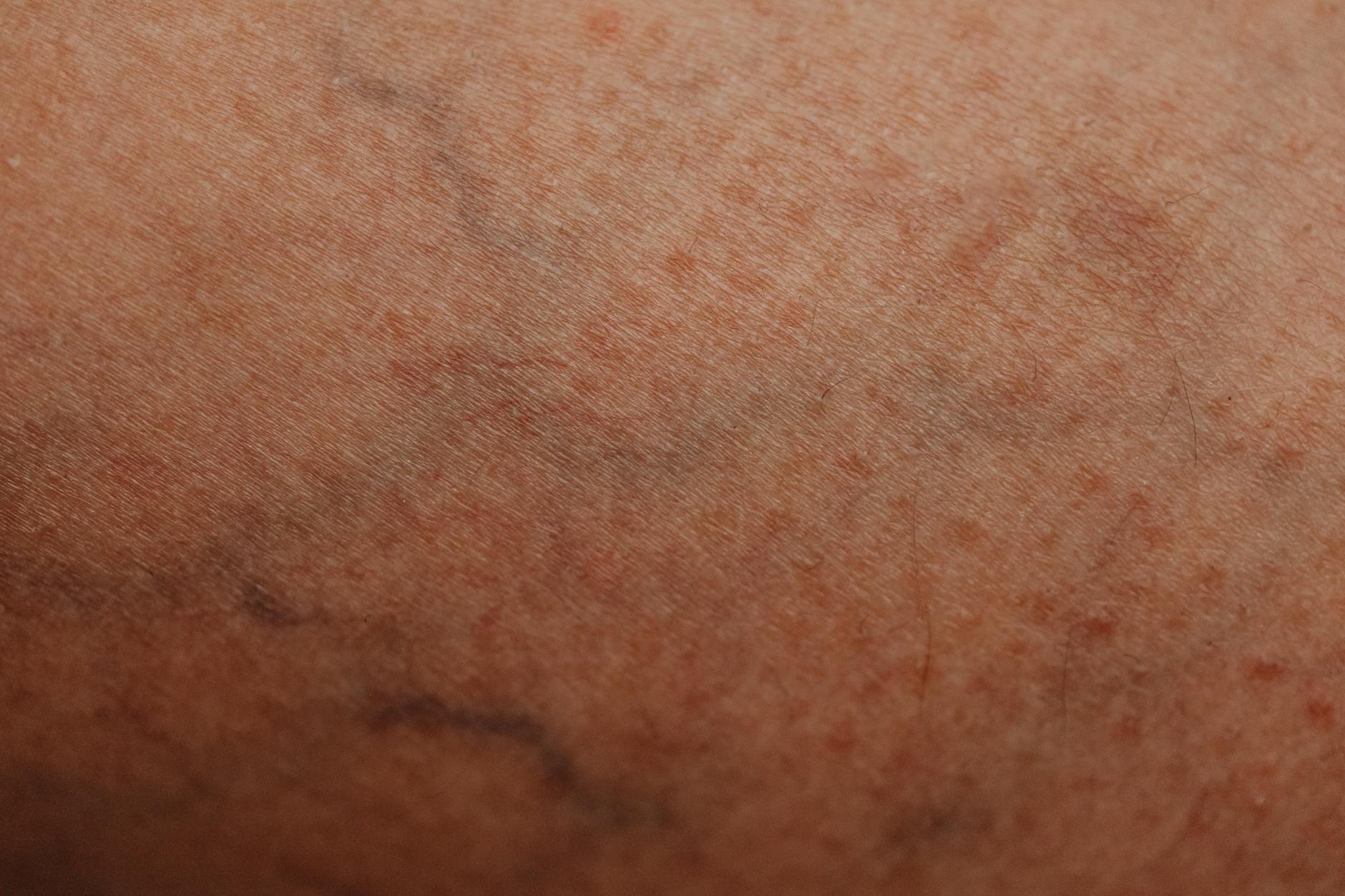
How to Accurately Distinguish Your Breakout and When Professional Diagnosis Becomes Necessary
Begin your diagnostic process by examining three key features: the presence of comedones, the distribution pattern, and the temporal progression. Use a magnifying mirror or your phone’s camera with macro capability to inspect whether lesions contain visible blackheads, whiteheads, or central pores. True acne will show these features clearly; rash-like eruptions will appear as uniform red bumps without obvious follicular plugging. Next, map where the breakout occurs and whether it follows a logical exposure pattern—if it’s limited to the area where a new product touched your skin, or concentrated under a mask, the diagnosis leans toward irritation rather than acne. Finally, consider the timeline: did these bumps appear gradually over weeks (acne) or suddenly overnight (likely irritant or allergic reaction)? The patch test offers a practical at-home approach to assess whether a specific product triggered a rash-like eruption. Apply a small amount of the suspected product to clean skin on your inner arm or behind your ear, cover it, and observe for 24-48 hours.
If redness, itching, or bumps develop in that localized area, you’ve identified your culprit. This methodology works effectively for contact dermatitis diagnosis and costs nothing beyond your observation effort. However, this approach doesn’t work for determining whether you have acne itself, since that requires identifying systemic factors or follicular involvement. Seek professional dermatological evaluation if your breakout doesn’t fit a clear pattern, persists despite eliminating suspected irritants, causes significant discomfort, or interferes with your daily life. Dermatologists can perform Wood’s lamp examination (which reveals bacterial fluorescence patterns), examine skin scrapings under magnification, or conduct patch testing to identify allergens definitively. They’ll also recognize conditions that mimic acne but require specialized treatments, such as fungal folliculitis (which shows spore structures under magnification and requires antifungal medication rather than acne treatment). This professional input prevents months of ineffective self-treatment and ensures you address the actual problem.
Common Misdiagnosis Errors and Why Treatment Mistakes Worsen Rash-Like Eruptions
The most damaging misdiagnosis occurs when someone with contact dermatitis or perioral dermatitis applies acne medications, which typically contain potentially irritating actives like benzoyl peroxide, salicylic acid, or retinoids. These ingredients, while effective for true acne, frequently intensify rash-like eruptions by further compromising an already-irritated skin barrier. A person might interpret the initial worsening as the standard “purging phase” that sometimes accompanies acne treatment, leading them to continue using the irritating product longer and deepening the problem. This cycle can persist for weeks until they finally discontinue the treatment, at which point the rash resolves—but they’ve now convinced themselves the treatment “didn’t work” when actually it was never appropriate for their condition. Another frequent misinterpretation involves fungal folliculitis, a bacterial infection that superficially resembles acne but requires completely different treatment. Fungal folliculitis produces itchy pustules that resist standard acne antibiotics because they’re caused by bacteria requiring specific antibiotic coverage (often Staphylococcus aureus strains) or by Malassezia yeast, which requires antifungal treatment entirely.
A person might apply benzoyl peroxide or clindamycin phosphate and see minimal improvement, not recognizing that their condition needs an antifungal like ketoconazole or a different antibiotic class. Only a culture or professional examination typically identifies fungal involvement, yet it’s common enough that any rash-like breakout failing to respond to standard acne treatments warrants investigation for fungal causes. Mechanical damage compounds rash-like eruptions when people assume they’re acne and begin aggressive extraction or manipulation. Rash lesions have fragile, inflamed skin with minimal comedonal material, so squeezing creates additional trauma that spreads bacteria, deepens inflammation, and risks infection. True acne extraction, while generally not recommended, at least targets actual blockages; rash extraction simply damages skin and typically produces scarring. This distinction matters greatly for long-term skin health—aggressive manipulation of a contact dermatitis rash might create weeks of additional healing, whereas gentle care would resolve it in days.

Why Identifying the Cause Transforms Your Treatment Approach
Once you’ve determined whether you’re dealing with acne or a rash-like eruption, your treatment strategy completely diverges. If you have true acne, you might benefit from benzoyl peroxide for bacterial control, salicylic acid or glycolic acid for exfoliation and pore unplugging, oral antibiotics for moderate cases, or isotretinoin for severe resistant acne. These treatments address the specific pathophysiology of acne—sebum production, bacterial colonization, and follicular inflammation. However, if you’ve correctly identified your condition as contact dermatitis, applying any of these treatments is counterproductive; instead, you need to identify and eliminate the irritant, support your barrier with gentle moisturizers, and possibly use hydrocortisone cream briefly to reduce inflammation.
The financial and temporal implications are also significant. Acne treatments often require 6-12 weeks before demonstrable improvement appears, and some options like isotretinoin demand monthly pregnancy tests and strict monitoring if you’re a woman of reproductive age. Rash-like conditions, by contrast, frequently resolve within 3-7 days of removing the causative agent, costing nothing and requiring only gentleness and patience. A correct diagnosis can mean the difference between a week of minor inconvenience and three months of ineffective, potentially worsening treatment. For this reason alone, investing effort into accurate differentiation at the outset pays dividends in time, money, and skin health.
Prevention Strategies and Long-Term Management for Rash-Prone Skin
If you’ve experienced rash-like eruptions, your skin likely has a lower irritation threshold or greater sensitivity than average, which means prevention strategies focus on minimizing irritant exposure. Patch test new skincare products on your inner arm for 24-48 hours before applying them to your face. Introduce actives slowly—even for true acne treatment, starting with lower concentrations and less frequent use allows your skin barrier to acclimate without triggering irritant reactions. Pay attention to non-skincare sources of irritation: the detergent used on your pillowcases and sheets, your laundry fabric softener, new clothing fabrics, or friction from sports equipment. These factors frequently trigger rash-like eruptions in susceptible individuals and cost nothing to control.
Maintaining a robust skin barrier proves especially important if you’re prone to rash-like reactions. This means prioritizing adequate moisturization, avoiding over-exfoliation, and using gentle cleansing methods. If you do have true acne requiring treatment, use the gentlest effective option first and layer supportive products like hydrating serums and rich moisturizers to minimize irritant side effects. For rosacea-prone skin, avoiding common triggers like extreme temperatures, spicy foods, alcohol, and strenuous exercise reduces flare frequency. The good news is that once you understand your skin’s specific triggers and needs—whether that’s true acne or a rash-like condition—you can manage your skin confidently and prevent future episodes through simple, evidence-based practices.
Conclusion
Acne that looks like a rash differs fundamentally from true acne in cause, appearance, and treatment requirements. True acne results from sebum production, follicular blockage, and bacterial colonization and typically features visible comedones, gradual development, and concentration in sebaceous gland-dense areas. Rash-like eruptions stem from irritation, allergic reaction, bacterial overgrowth without follicular involvement, or dermatological conditions like perioral dermatitis or rosacea, and they appear as uniform red papules without comedones, often developing rapidly in localized or unusual distribution patterns. Distinguishing between these conditions requires examining comedone presence, evaluating distribution patterns, and considering the temporal progression of your breakout.
Taking time to accurately identify your specific condition prevents months of ineffective or counterproductive treatment and allows you to address the actual underlying cause. If you suspect a contact dermatitis or product reaction, discontinue the offending product and observe how quickly your skin improves. If your breakout persists despite your best efforts, follows no clear pattern, or causes significant discomfort, consult a dermatologist who can provide definitive diagnosis and appropriate treatment recommendations. The difference between treating true acne and treating a rash-like eruption is profound—correct diagnosis transforms the problem from a potential three-month ordeal into a manageable situation resolved in days.