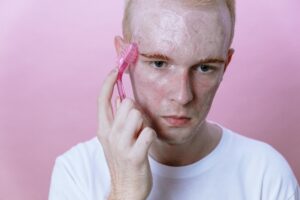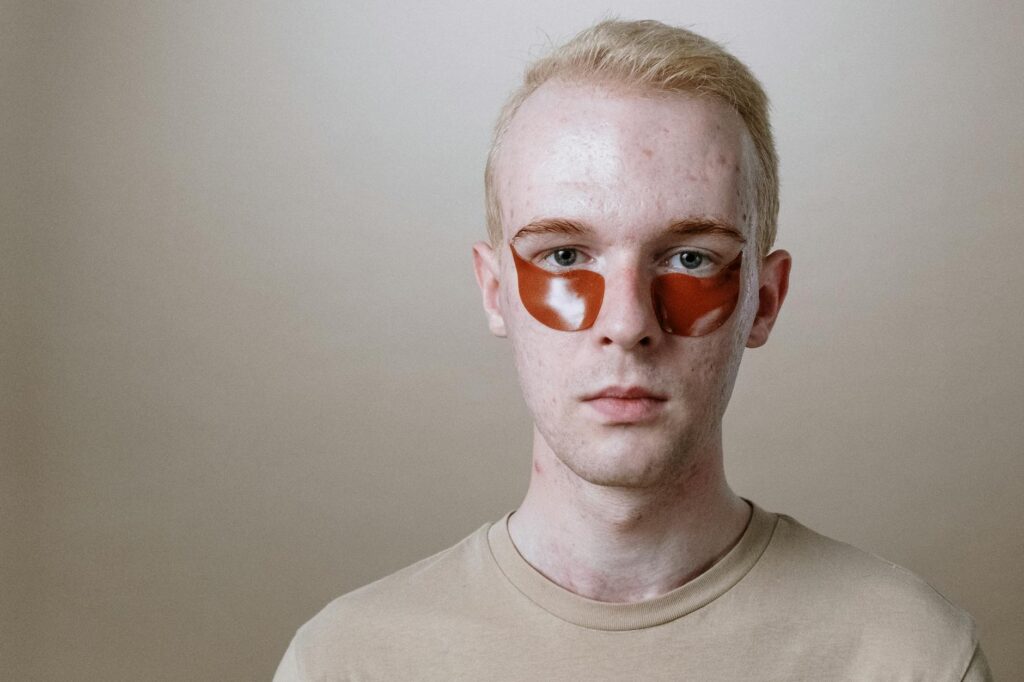
Dark spots left behind after acne heals—called post-inflammatory hyperpigmentation (PIH)—form when the skin produces excess melanin in response to inflammation from pimples or cysts. This happens because the trauma from acne triggers the melanocytes (pigment-producing cells) to go into overdrive, depositing melanin in the affected area even after the pimple has cleared. For example, someone who had a painful cystic acne breakout on their chin three months ago might still see brown or grayish marks there even though the actual pimples have disappeared.
The darker your natural skin tone, the more prone you are to developing these spots, which is why people with deeper complexions often struggle with this issue far more than those with fair skin. This article covers why certain people are more vulnerable to post-acne dark spots, how long they typically persist, and the most effective treatment strategies—from proven topical ingredients to professional treatments like laser therapy and chemical peels. We’ll also explain the difference between dark spots (PIH) and red spots (post-inflammatory erythema), since treatment approaches differ, and we’ll walk through what actually works versus what’s overhyped marketing.
Table of Contents
- Why Does Acne Leave Dark Spots Instead of Just Disappearing?
- Who Is Most at Risk for Dark Spots After Acne?
- How Long Do Dark Spots Actually Take to Fade?
- Topical Treatments That Actually Work for Dark Spots
- Why Retinoids and Chemical Treatments Require Caution with Active Acne
- Professional Treatments for Stubborn Dark Spots
- Preventing New Dark Spots While Treating Existing Ones
- Conclusion
Why Does Acne Leave Dark Spots Instead of Just Disappearing?
The fundamental reason acne leaves dark spots comes down to how your skin responds to injury and inflammation. When a pimple forms, the follicle becomes inflamed—your immune system triggers a response that causes redness, swelling, and cellular damage. As the pimple heals, the skin attempts to repair itself, but melanin production doesn’t always return to normal. In individuals with deeper skin tones, the melanocytes are already more active and respond more vigorously to inflammatory signals, leading to hyperpigmentation that can persist for months or even years.
Lighter skin tones experience this too, but the marks are less visible because there’s less melanin overall to overproduce. It’s important to distinguish between two different post-acne marks: post-inflammatory hyperpigmentation (the dark brown or gray spots) and post-inflammatory erythema (red or pink spots). PIH is caused by excess melanin, while erythema comes from prolonged inflammation and visible blood vessels in the healing skin. Someone with medium brown skin who picks at a blemish might develop a dark mark that takes six months to fade, while someone with fair skin in the same situation might see mostly redness that resolves in weeks. The underlying biology is the same—inflammation triggers melanin—but melanin visibility depends on baseline skin tone.

Who Is Most at Risk for Dark Spots After Acne?
Skin tone is the single biggest predictor of post-acne dark spots. Research consistently shows that individuals with Fitzpatrick skin types IV, V, and VI (medium brown to very dark skin) develop PIH far more frequently and persistently than those with fair skin. However, this isn’t the only risk factor. People who pick, squeeze, or aggressive manipulate acne dramatically increase their risk—the additional trauma signals the skin to produce even more melanin.
Similarly, those with hormonal acne that causes deeper cystic lesions (rather than surface whiteheads) are more likely to see hyperpigmentation because the inflammation penetrates deeper into the dermis. Sun exposure after acne significantly worsens dark spot development and slows fading. If you have active acne marks and spend hours in direct sunlight without sunscreen, UV rays darken the hyperpigmented areas and can even stimulate new melanin production, essentially resetting the healing clock. This is why dermatologists emphasize that anyone treating acne dark spots must use SPF 30 or higher daily—the combination of treatment and sun protection is what actually moves the needle on fading. Some people also experience worse PIH if they start retinoid treatments while still picking at active acne, because the skin is caught between healing and injury simultaneously.
How Long Do Dark Spots Actually Take to Fade?
The timeline for fading post-acne dark spots varies dramatically depending on severity, skin tone, and treatment approach. For many people with lighter skin, mild hyperpigmentation fades on its own within 3 to 6 months as the skin naturally sheds and melanin disperses. For deeper skin tones and more pronounced spots, this natural fading process can stretch to 12 to 18 months—and without active treatment, some stubborn marks persist even longer. A 25-year-old with deep brown skin who develops dark spots from severe teenage acne might still see traces of those marks years later without intervention, while the same person’s fair-skinned friend with similar acne might see spontaneous improvement much faster.
This difference in timeline isn’t about one person’s skin being “better” at healing—it’s simply biology. Deeper skin produces more melanin and melanocytes respond more aggressively to inflammatory signals. The good news is that knowing your timeline helps set realistic expectations. If you’re waiting for dark spots to fade naturally without any treatment, plan on many months of patience. If you want faster results, topical treatments like vitamin C, niacinamide, azelaic acid, and retinoids can noticeably reduce spots within 8 to 12 weeks when used consistently.
Topical Treatments That Actually Work for Dark Spots
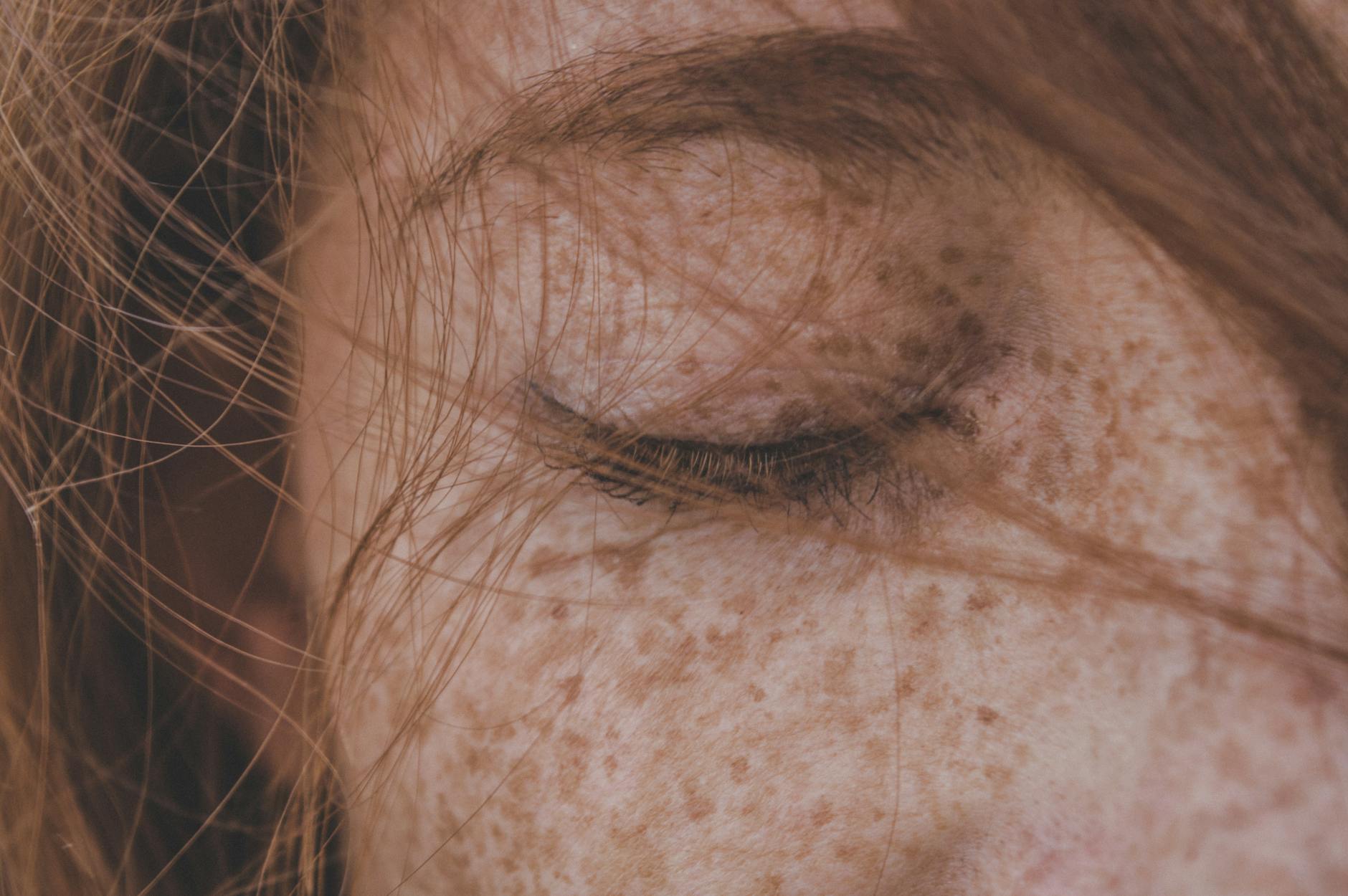
Vitamin C serums are among the most popular treatments for post-acne hyperpigmentation, and they do have science behind them—vitamin C is an antioxidant that can inhibit melanin production and improve skin brightness when the formulation is stable and at proper concentration (ideally 10-20% L-ascorbic acid). However, a critical limitation is that most over-the-counter vitamin C serums are poorly formulated with low stability, meaning the ingredient degrades within weeks of opening, leaving you with an expensive but ineffective product. A well-formulated vitamin C serum can show visible improvement in 4 to 8 weeks, but the cheaper drugstore versions often show little to no change. Niacinamide (vitamin B3) and azelaic acid are more forgiving options that work reliably across more formulations.
Niacinamide reduces melanin transfer to skin cells, while azelaic acid both inhibits melanin production and has anti-inflammatory properties—making it particularly useful if you still have occasional active acne alongside dark spots. Azelaic acid is especially effective for darker skin tones, which is why it’s often recommended for treating both acne and PIH together. Most people see results in 8 to 12 weeks with consistent use, though some spots improve faster than others. The tradeoff is that while topical treatments are accessible and low-risk, they’re also slower than professional treatments and work best on mild to moderate spots rather than deep, stubborn marks.
Why Retinoids and Chemical Treatments Require Caution with Active Acne
Retinoids (including prescription retinoids like tretinoin and over-the-counter retinol) are powerful for reducing the appearance of old acne scars and dark spots by promoting cell turnover and stimulating collagen remodeling. However, if you’re still breaking out with active acne, starting a retinoid can temporarily make things worse before they improve—a phenomenon called “retinization.” Your skin peels, becomes more irritated, and the inflammation can actually trigger more hyperpigmentation if you’re not careful. This is why dermatologists typically recommend getting your acne under control first (usually with a topical acne treatment or oral medication), then gradually introducing retinoids once breakouts stabilize.
Another critical warning: retinoids increase sun sensitivity, so if you’re using them to fade dark spots, you must use SPF 30+ daily without exception. Skipping sunscreen while on a retinoid essentially negates the treatment’s benefits because UV exposure will darken the hyperpigmentation faster than the retinoid can fade it. Some people become discouraged after weeks of retinoid use only to realize their spots actually got darker because they weren’t consistent with sun protection. Chemical peels and stronger treatments like professional-grade azelaic acid also require the same sun protection discipline—the skin is more vulnerable and responsive to UV damage during and after treatment.
Professional Treatments for Stubborn Dark Spots
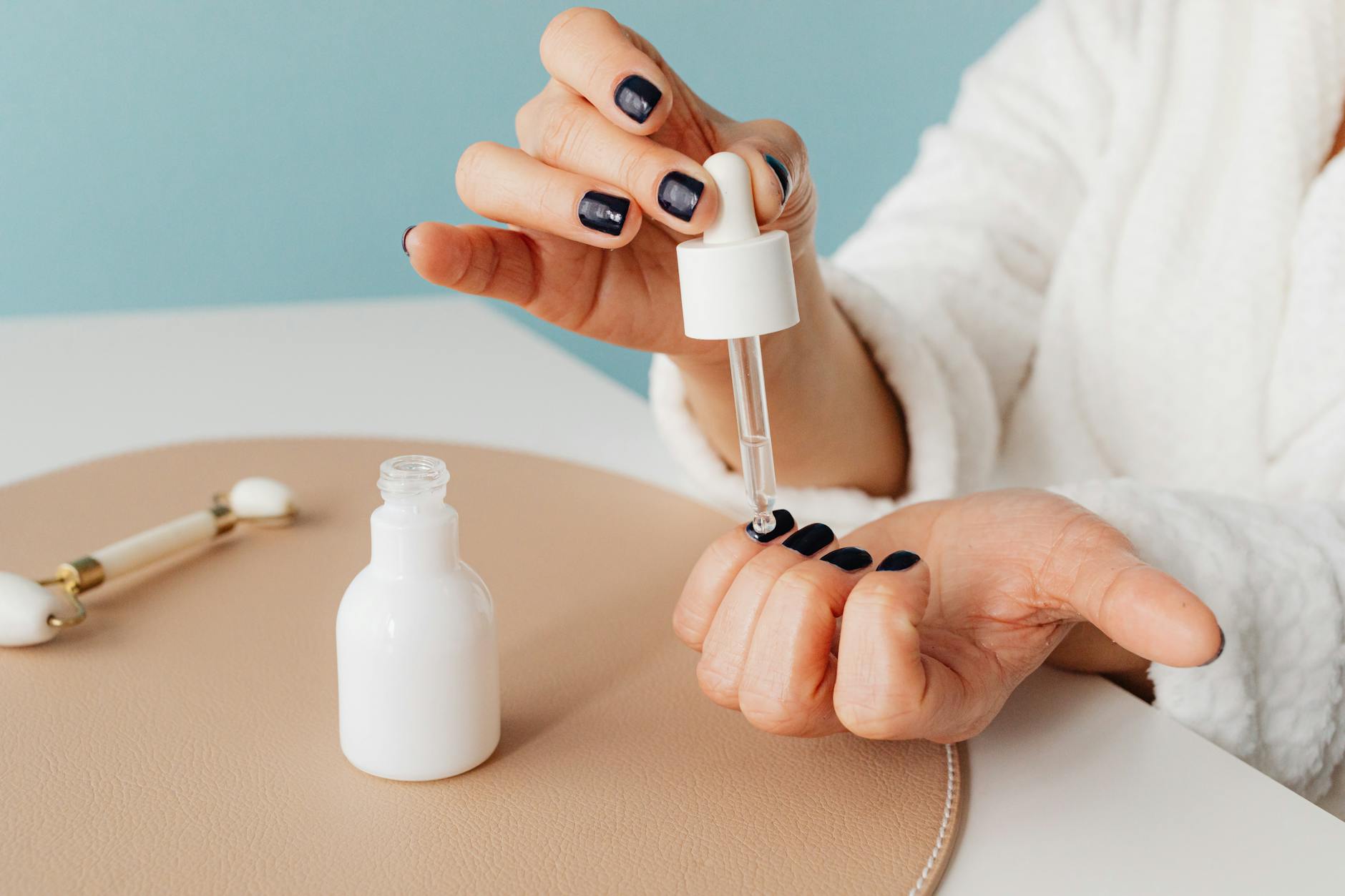
When topical treatments aren’t giving results after 3 to 4 months of consistent use, professional treatments become worth considering. Laser treatments like Q-switched lasers (Nd:YAG or ruby lasers) are specifically designed to target melanin and can fade stubborn PIH in 3 to 5 sessions spaced several weeks apart. However, laser carries risks for darker skin tones—improperly calibrated lasers can cause post-inflammatory hyperpigmentation (worsening the original problem) or hypopigmentation (creating lighter patches). This is why seeking a dermatologist experienced in treating darker skin is essential, not optional.
Someone with deep brown skin who gets laser treatment from a provider experienced only with fair skin patients risks trading one dark spot for an unpigmented scar. Chemical peels with glycolic acid, salicylic acid, or TCA can also reduce the appearance of PIH by promoting controlled skin turnover, though results are typically more gradual than laser and require multiple sessions. Microneedling is another option that stimulates collagen and can improve the appearance of post-acne marks, though it’s less specifically targeted at melanin than lasers are. Each professional treatment carries different risk-benefit profiles, and costs range from a few hundred to several thousand dollars depending on the treatment type and number of sessions needed.
Preventing New Dark Spots While Treating Existing Ones
The most overlooked aspect of dark spot management is prevention. While you’re treating existing spots, you need to stop creating new ones by keeping current acne under control. This means using consistent acne treatment (whether that’s benzoyl peroxide, salicylic acid, or prescription medication), avoiding picking and squeezing, and managing any underlying causes like hormonal fluctuations or dietary triggers.
Someone who treats their dark spots with topical vitamin C but keeps picking at new pimples will never get ahead because they’re continuously adding fresh hyperpigmentation to fade. Looking forward, combining multiple approaches—consistent SPF use, acne prevention, topical brightening treatments, and professional intervention if needed—offers the best chance of achieving clear skin without dark spots. The skin’s natural healing capacity is remarkable, but guiding that healing with evidence-based treatments and protection (especially sun protection) dramatically improves outcomes and timelines.
Conclusion
Dark spots after acne form because inflammation triggers excess melanin production in the skin, with deeper skin tones showing both more frequent and more persistent hyperpigmentation. The most effective approach combines three elements: stopping new acne from forming (to prevent new dark spots), using evidence-backed topical treatments like vitamin C, niacinamide, or azelaic acid, and protecting skin from sun exposure daily. Topical treatments require patience—expect 8 to 12 weeks of consistent use—but they’re accessible and low-risk. For stubborn or deeper spots, professional treatments like laser or chemical peels work faster but carry higher costs and require an experienced provider, particularly for darker skin tones.
Start with sunscreen, an acne control routine, and a well-formulated topical brightening treatment. Track results over 12 weeks before escalating to professional treatments. Most importantly, remember that dark spots are temporary—even the stubborn ones fade with time and consistent care. The combination of stopping acne, protecting from sun, and treating with proven ingredients is what creates the timeline for clearer skin without marks.