
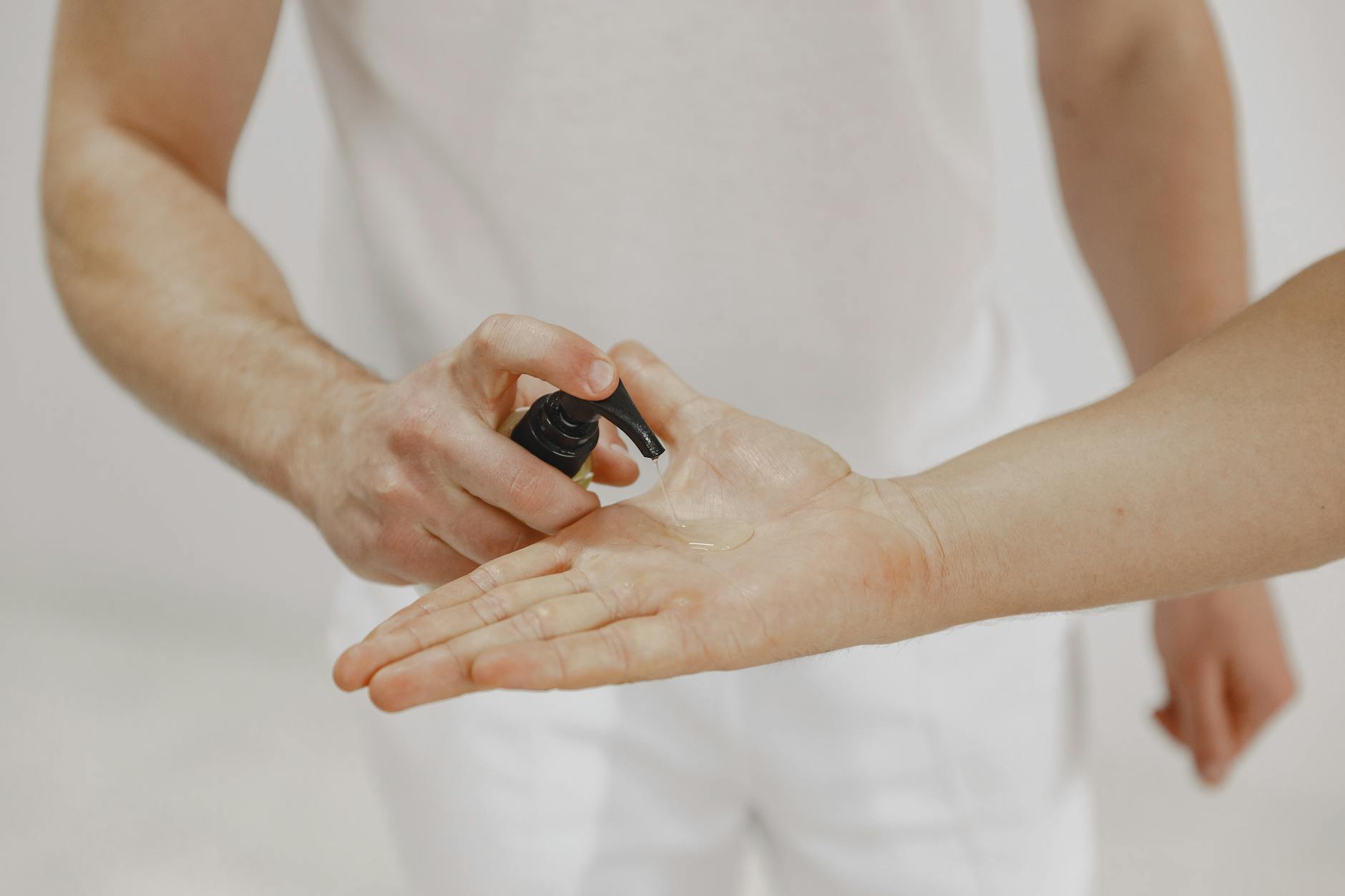
Stripping your skin leads to more oil and breakouts because it triggers a compensation response called “rebound oil production.” When you use harsh cleansers or over-wash, you remove the essential lipids that make up your skin barrier—the protective layer that regulates moisture and oil production. Your skin responds to this threat by ramping up sebum production as an emergency protective mechanism. A person might start washing their face with a strong sulfate cleanser in the morning and evening, notice their skin feels tight and “clean,” and then within days find their skin is oilier than ever, followed by new breakouts.
This isn’t because their skin is inherently oily; it’s because their barrier is damaged and working overtime to compensate. The cycle perpetuates when people assume more oil means they need to wash *harder*, which further damages the barrier and makes the problem worse. However, once you understand the mechanism—and give your skin a chance to recover with gentler care—your skin often self-regulates its oil production naturally. This article covers how skin barrier damage triggers excess oil, why breakouts follow, the timeline for recovery, and the evidence-based ingredients that actually repair the damage instead of deepening it.
Table of Contents
- What Happens to Your Skin When Harsh Cleansing Strips Your Barrier?
- Damaged Skin Barriers Create Ideal Conditions for Acne-Causing Bacteria
- The Dehydrated-Oily Skin Paradox: Why Your Skin Can Be Simultaneously Greasy and Flaky
- How Long Does Barrier Repair Take, and What to Expect During Recovery?
- Niacinamide and Other Evidence-Based Ingredients That Restore Barrier Function and Reduce Oil
- What Changes When Your Barrier Is Strong and Intact?
- Why Barrier-First Skincare Is the Foundation for Long-Term Oil and Breakout Control
- Conclusion
What Happens to Your Skin When Harsh Cleansing Strips Your Barrier?
Your skin barrier is composed of lipids (fats), cholesterol, and fatty acids that sit between skin cells, acting like the mortar between bricks. When you use alkaline or stripping cleansers, you remove these essential lipids, compromising the barrier’s ability to hold water and regulate oil production. Your skin doesn’t distinguish between “I’ve been stripped intentionally” and “I’m under threat”—it simply detects barrier damage and activates a protective response: increased sebum production. This compensation is the skin’s survival mechanism.
Sebum helps rebuild the barrier and protect against environmental threats. The problem is that when you continue using stripping products, the barrier stays damaged, and the overproduction continues. Someone might spend weeks or months in this cycle—stripping, oiling up, stripping harder—without realizing that the solution is actually the opposite: gentler cleansing and barrier repair. The sebum your skin is producing isn’t excessive by nature; it’s excessive because your barrier is broken.

Damaged Skin Barriers Create Ideal Conditions for Acne-Causing Bacteria
Beyond just the excess oil, a stripped and damaged barrier creates a second problem: it raises your skin’s pH. Healthy skin is slightly acidic (around pH 4.5–5.5), which inhibits the growth of *Cutibacterium acnes*, the bacteria primarily responsible for acne breakouts. Harsh, alkaline cleansers push your skin’s pH upward, creating an environment where acne-causing bacteria thrive and multiply more easily.
So you’re not only producing excess oil—you’re creating a bacterial breeding ground at the same time. This is why people often experience worse breakouts after switching to harsh cleansers, even though the conventional wisdom says “strip the oil, prevent acne.” In reality, the barrier damage and pH disruption can trigger breakouts independently of the excess oil itself. The two factors—excess sebum plus bacterial proliferation—work together to create conditions that lead to inflammation and lesions. If you’ve ever noticed that your breakouts got worse after trying a very harsh acne cleanser, this is why: you damaged your barrier and altered your skin’s chemistry, and both changes favor acne development.
The Dehydrated-Oily Skin Paradox: Why Your Skin Can Be Simultaneously Greasy and Flaky
One of the most frustrating aspects of a damaged barrier is that it can make your skin appear both oily and dehydrated at the same time. This happens because barrier disruption compromises your skin’s ability to retain water. Water evaporates from the deeper layers of your skin, leaving it dehydrated, while the surface remains slick with excess sebum production. You end up with that uncomfortable combination: shiny, oily T-zone paired with tight, flaky patches—sometimes on the same cheek.
Many people interpret this as “my skin is just oily *and* dry” and assume they need two different treatments: an oil-control product and a moisturizer. In most cases, the real issue is a single underlying problem: barrier damage. Once the barrier repairs itself, the dehydration resolves, and the excess oil production naturally decreases because your skin no longer feels under threat. The paradox disappears when you address the root cause rather than trying to treat the two symptoms separately.
How Long Does Barrier Repair Take, and What to Expect During Recovery?
If you’ve been stripping your skin and want to know when things will improve: most noticeable improvements occur within a few days of switching to gentler skincare. You’ll likely feel your skin becoming less tight, and the dryness may ease quickly. However, complete skin barrier recovery typically takes 2 to 4 weeks depending on how severely damaged your barrier was and how consistently you’re supporting repair. Someone who was using a harsh cleanser twice daily for years might need closer to 4 weeks, while someone who switched after a few weeks of over-washing might see full recovery in 10–14 days.
During this recovery window, your skin might still produce excess oil for the first week or two as it’s still in “compensation mode,” even though you’ve changed your routine. This is normal and doesn’t mean the gentler approach isn’t working. Patience is essential here. Many people abandon their barrier repair routine after a few days because they don’t see immediate results, but the timeline needs to account for your skin’s recalibration. Once your barrier senses it’s truly safe and being supported, oil production will begin to normalize.
Niacinamide and Other Evidence-Based Ingredients That Restore Barrier Function and Reduce Oil
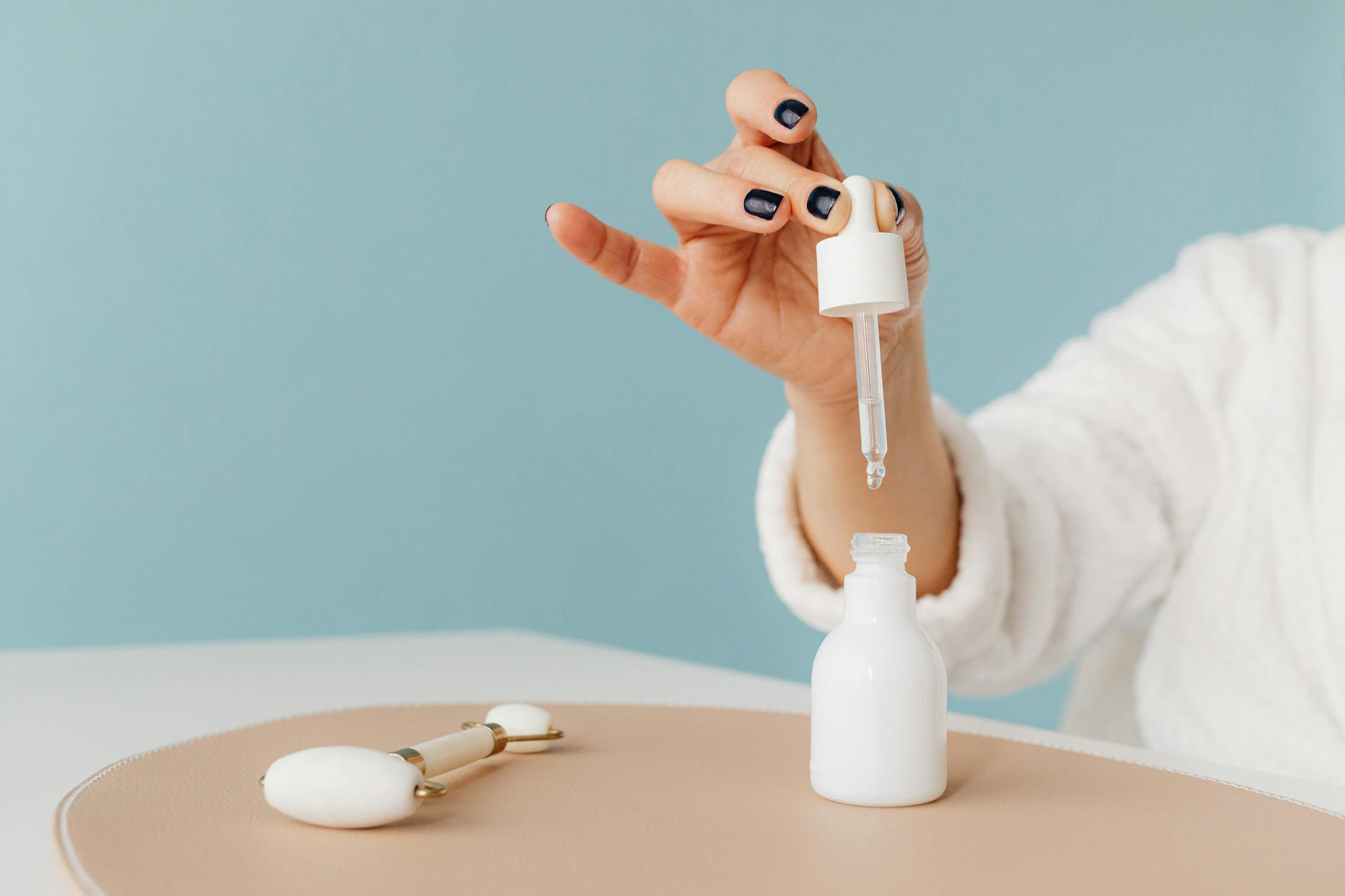
If you’re looking for ingredients to actively support barrier repair and reduce sebum production, niacinamide is one of the most well-researched options. Clinical studies have shown that niacinamide at concentrations between 2 and 5% reduces sebum excretion rates by 25 to 35%. Niacinamide works by downregulating the lipogenic enzymes that drive sebum production, effectively helping your skin recalibrate its oil output while also strengthening the barrier itself. Equally important are the foundational barrier repair ingredients: ceramides, cholesterol, and fatty acids.
These are the actual components of a healthy skin barrier, so replenishing them directly supports the repair process. A good barrier repair routine combines these ingredients—for example, a cleanser that doesn’t strip, followed by a moisturizer or serum containing ceramides, niacinamide, and fatty acids. This approach gives your barrier the raw materials it needs to rebuild while also signaling to your skin that it’s safe to stop overproducing oil. Many people see significant improvement once they introduce these ingredients, especially niacinamide, which addresses both barrier function and sebum regulation.
What Changes When Your Barrier Is Strong and Intact?
When your skin barrier is healthy and strong, something remarkable happens: oil production often self-regulates naturally without any special intervention. You don’t need aggressive oil-control products, special acne treatments, or a complicated routine. Your skin simply produces the right amount of sebum—enough to protect and nourish, not so much that it clogs pores or creates a slick appearance. This is the baseline that people with healthy skin experience, and it’s absolutely achievable even if you’ve been struggling with excessive oiliness.
The shift from “my skin is so oily, I need to control it” to “my skin feels balanced” is often what finally happens when people repair their barrier. They stop attacking their skin and start supporting it. This might mean replacing a sulfate-based cleanser with a gentle, pH-balanced one, adding a niacinamide serum or moisturizer with barrier-repair ingredients, and committing to that routine for 2–4 weeks. Many people are shocked at how much their skin improves once the barrier heals, and they realize they don’t actually have inherently oily skin—they just had a damaged barrier.
Why Barrier-First Skincare Is the Foundation for Long-Term Oil and Breakout Control
The skincare industry often frames oily skin and acne as problems to attack with increasingly strong products. But dermatological research points to a different conclusion: the barrier is foundational. Before you chase acne treatments, retinoids, chemical exfoliants, or oil-control serums, your barrier needs to be intact. A strong barrier is your skin’s best defense against bacteria, irritation, and excessive sebum production. Everything else—targeted acne therapy, gentle exfoliation, hydration—works better when the foundation is solid.
This perspective shift is important for long-term skin health. Instead of cycling through harsh products and wondering why your skin gets worse, you can build a routine that actually addresses the root cause. Once your barrier is healthy, you have a stable platform to address other concerns if they remain. But in most cases, when people repair their barrier, their oiliness and breakouts resolve on their own because the underlying problem—barrier damage—is gone. The future of acne and oiliness management is increasingly barrier-focused, and it starts with stopping the stripping.
Conclusion
Stripping your skin doesn’t solve oiliness or acne—it causes them. When harsh cleansers remove your skin’s protective lipids, your skin compensates by overproducing sebum and becomes more vulnerable to acne-causing bacteria due to pH disruption. The solution isn’t to strip harder; it’s to switch to gentle cleansing, support barrier repair with ceramides and niacinamide, and give your skin 2–4 weeks to recalibrate.
Most people see improvement within days and complete barrier recovery within a few weeks. If you’re currently stuck in a cycle of oiliness and breakouts, assess your current routine: are you using a stripping cleanser, washing too frequently, or using harsh acne products? If so, make the switch to barrier-supportive skincare and commit to the recovery timeline. Your skin’s ability to self-regulate oil production and resist bacteria improves dramatically once the barrier is healthy.